Your Gut Is Supposed to Have Bacteria — Just Not Too Much of the Wrong Kind
Your gut contains trillions of bacteria. That’s normal and necessary — beneficial bacteria regulate your digestion, immune system, mood, skin, and metabolism in ways that no other system in your body can replicate. The problem isn’t having bacteria. The problem is when the balance tips — when harmful, gas-producing, inflammatory species start outnumbering the beneficial ones that keep everything running properly.
This imbalance — called gut dysbiosis — is more common than most people realize, and more consequential. It doesn’t just cause digestive symptoms. It affects your immune function, your mental health, your skin, your weight, and your energy in ways that seem completely disconnected from your gut until you understand the connection.
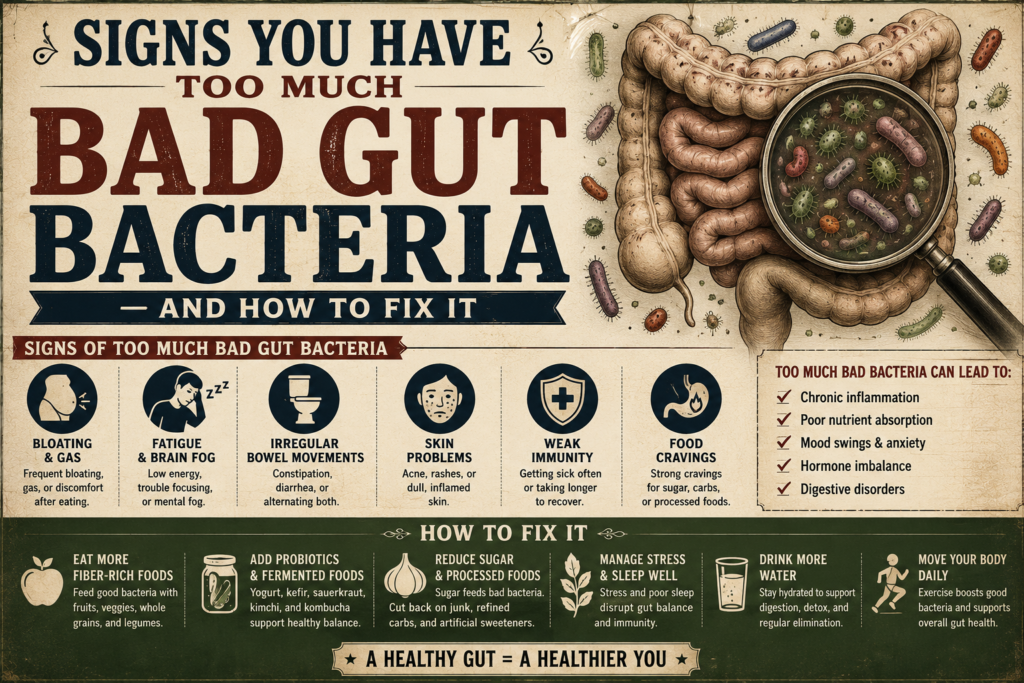
Here are the most telling signs that your gut bacteria are out of balance — and what to do about each one.
Ready to rebalance your gut bacteria?
Seed DS-01 Daily Synbiotic — 24 clinically studied strains that directly compete with and displace harmful bacterial species while rebuilding beneficial populations. The most comprehensive synbiotic available for gut dysbiosis.
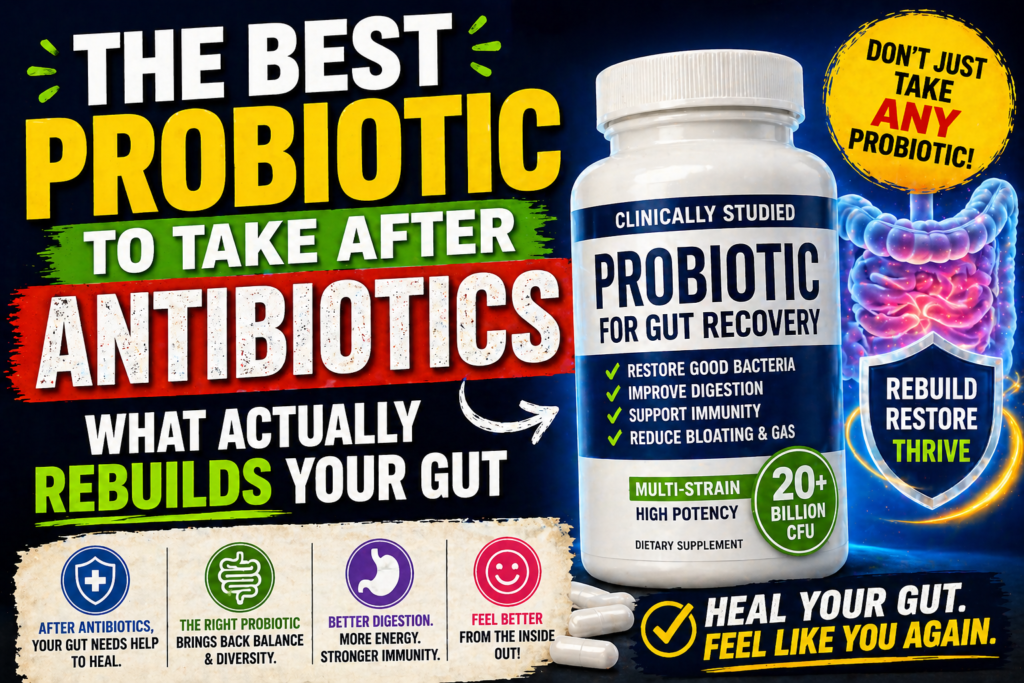
Check the current price of Seed DS-01 on Amazon

Sign 1: You’re Bloated and Gassy After Almost Every Meal
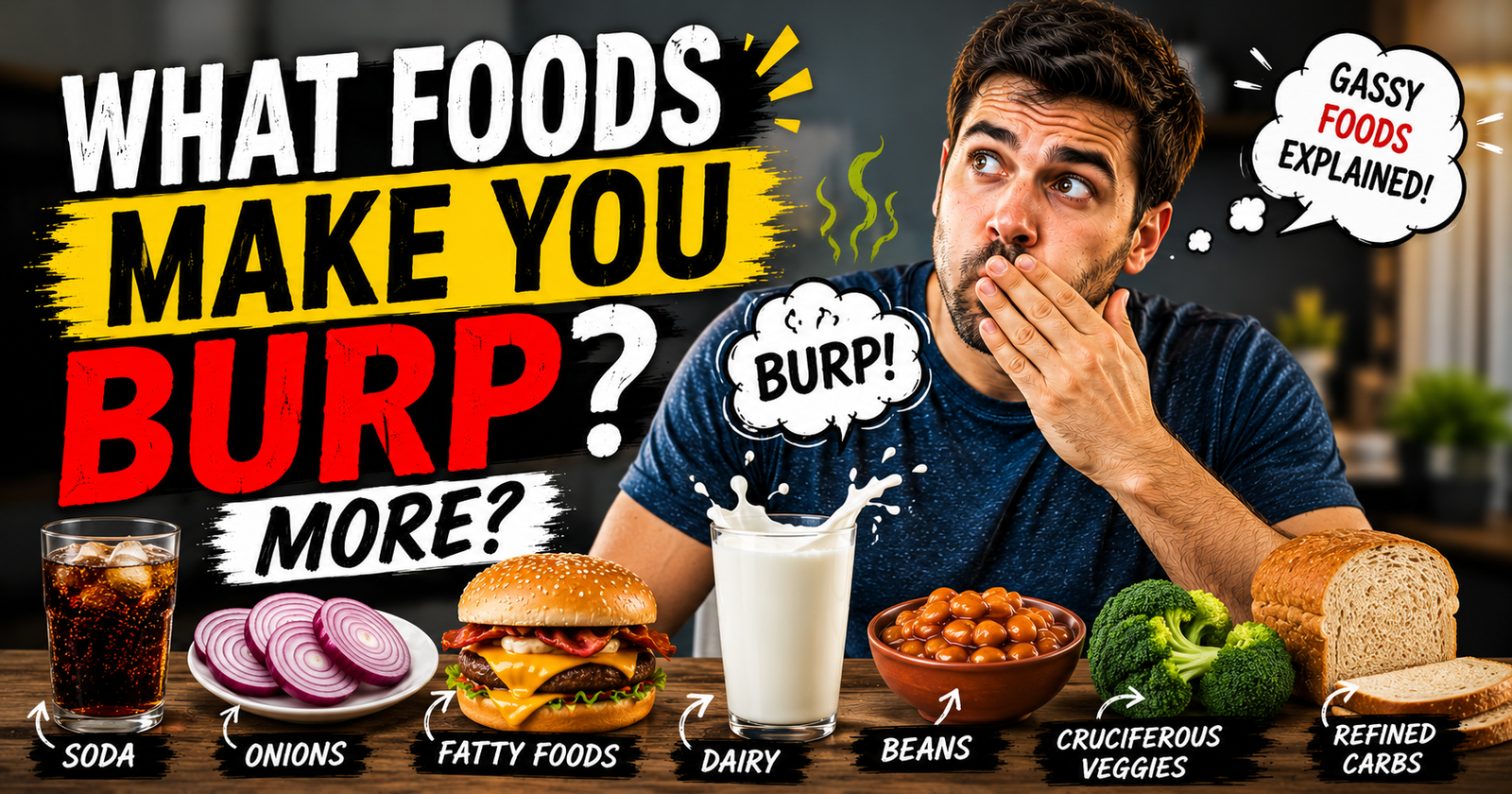
This is the most direct and most common sign of too much harmful gut bacteria — and it has a specific mechanism that explains exactly why it happens. Harmful bacteria are voracious fermenters. When they dominate your gut, they ferment undigested food far more aggressively than beneficial bacteria do — producing significantly more gas as a byproduct of that fermentation.
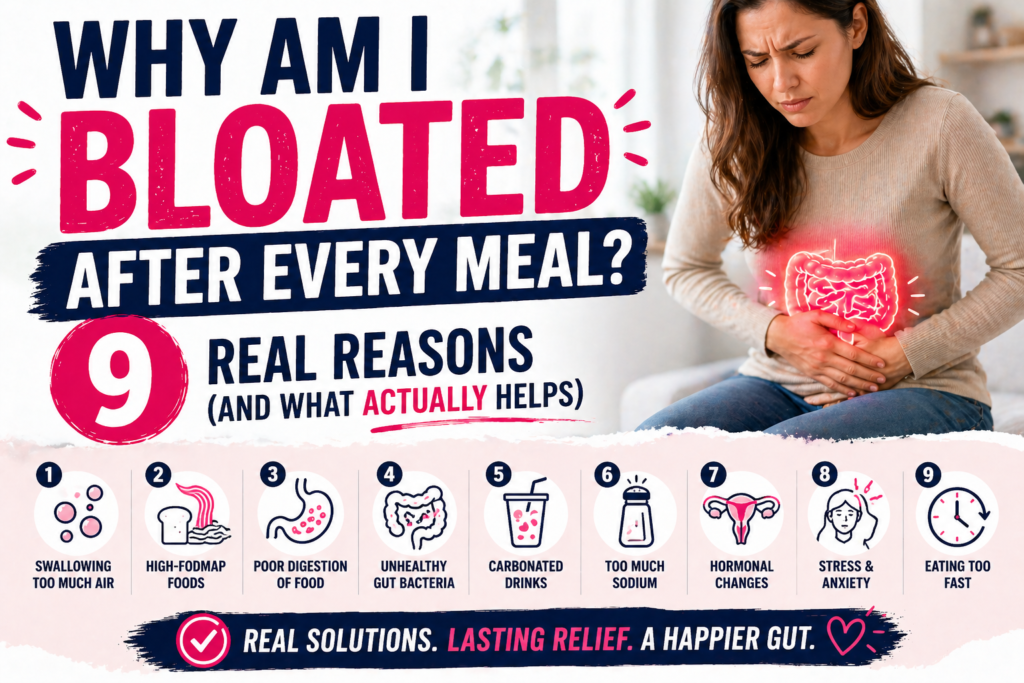
The result is the bloating, pressure, and gas that builds throughout the day and peaks in the evening. It’s not random. It’s the predictable consequence of a bacterial community that’s weighted toward the wrong species. Why bloating happens after every meal covers the full mechanism — and bacterial imbalance is one of the most significant underlying causes.
Digestive enzymes taken with every meal reduce the undigested food that reaches harmful bacteria — less substrate for fermentation means less gas regardless of which bacteria are doing the fermenting. This provides fast-acting relief while the probiotic work rebalances the bacterial composition over time.
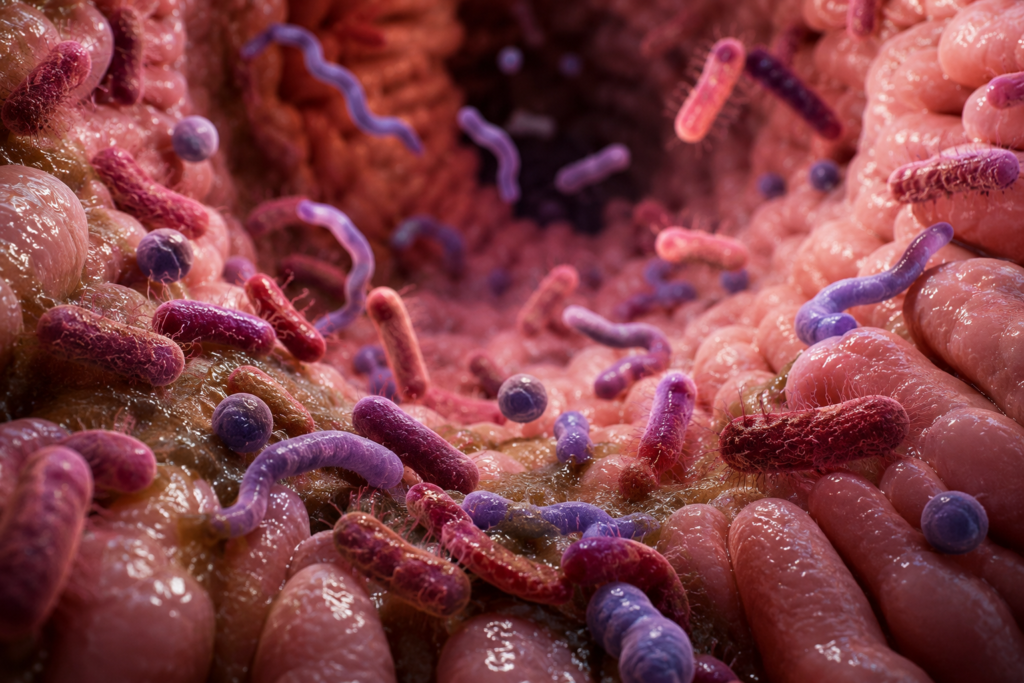
Reduce bloating while rebalancing your bacteria
Zenwise Digestive Enzymes — comprehensive multi-enzyme blend that reduces fermentation substrate reaching harmful bacteria. Take one capsule at the start of every meal for immediate bloating relief.
Check the current price of Zenwise on Amazon

Sign 2: Your Bowel Habits Are Unpredictable
Beneficial gut bacteria — particularly Bifidobacterium species — produce compounds that regulate colonic motility. They help keep things moving at the right pace, producing the predictable, comfortable bowel habits that characterize a healthy gut. When harmful bacteria displace these beneficial species, motility regulation is disrupted.

For some people this produces constipation — things slow down without the bacterial motility regulators. For others it produces diarrhea — harmful bacteria accelerate transit and produce urgency. For many people with significant dysbiosis it produces the alternating, unpredictable pattern that’s one of the hallmarks of IBS. Urgency right after eating, morning diarrhea that resolves through the day, and persistent constipation despite doing everything right are all patterns that point toward dysbiosis as a significant driver.
Sign 3: You’re Getting Sick More Often Than You Should
Over 70% of your immune system lives in and around your gut. The beneficial bacteria in your microbiome actively train your immune cells — helping them distinguish between genuine threats and harmless environmental exposures, and regulating the inflammatory response that determines how effectively your immune system works. This overview explains how the gut microbiome regulates immunity through immune-cell training and inflammatory regulation.
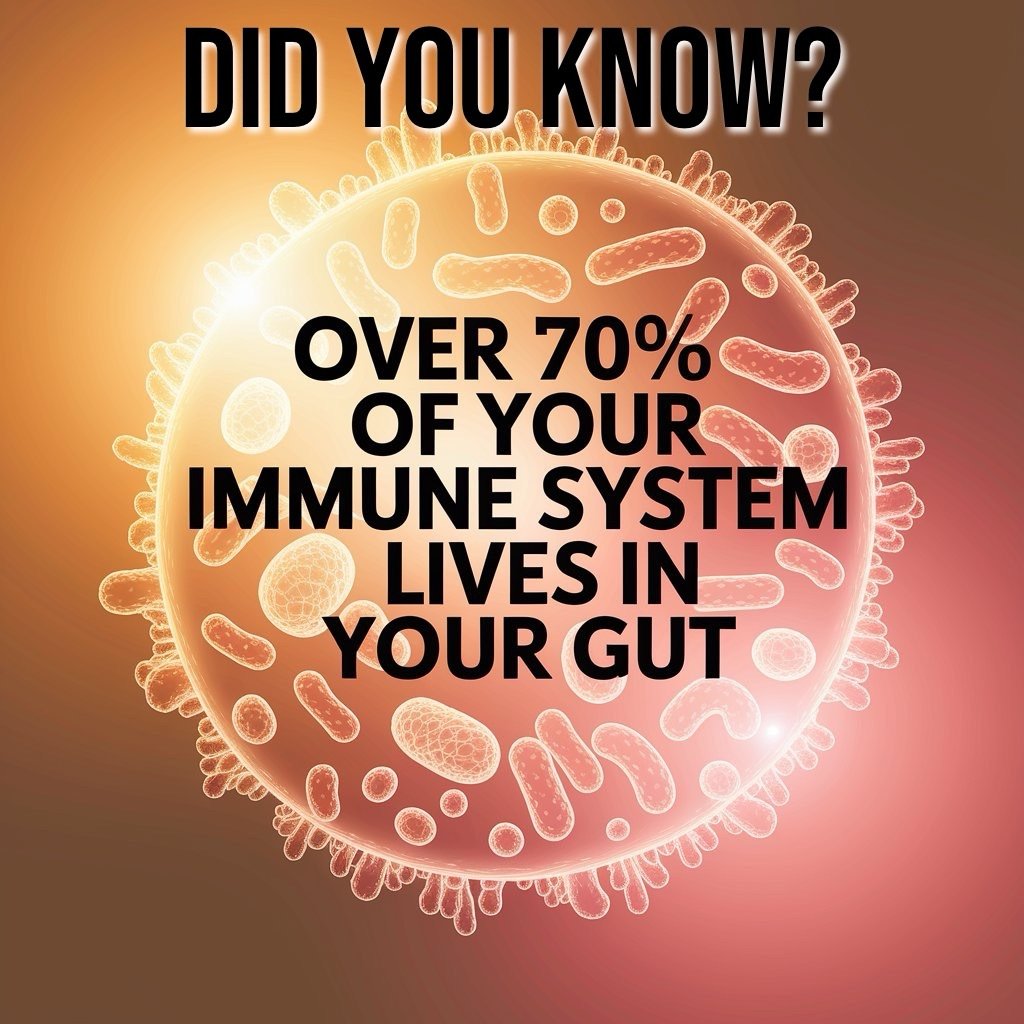
When harmful bacteria dominate, this immune training is disrupted. Your immune system loses calibration — becoming less effective against genuine pathogens while potentially becoming more reactive to harmless exposures. The result is more frequent illness, slower recovery times, and in some cases increased allergic and inflammatory reactions. Why over 70% of your immune system lives in your gut explains the immune-microbiome connection in detail.
If you’ve noticed you seem to catch every cold that goes around, take longer than your peers to recover from illness, or get sick more frequently than you used to — bacterial imbalance affecting immune function is worth taking seriously.


Sign 4: Your Skin Is Breaking Out or Acting Up
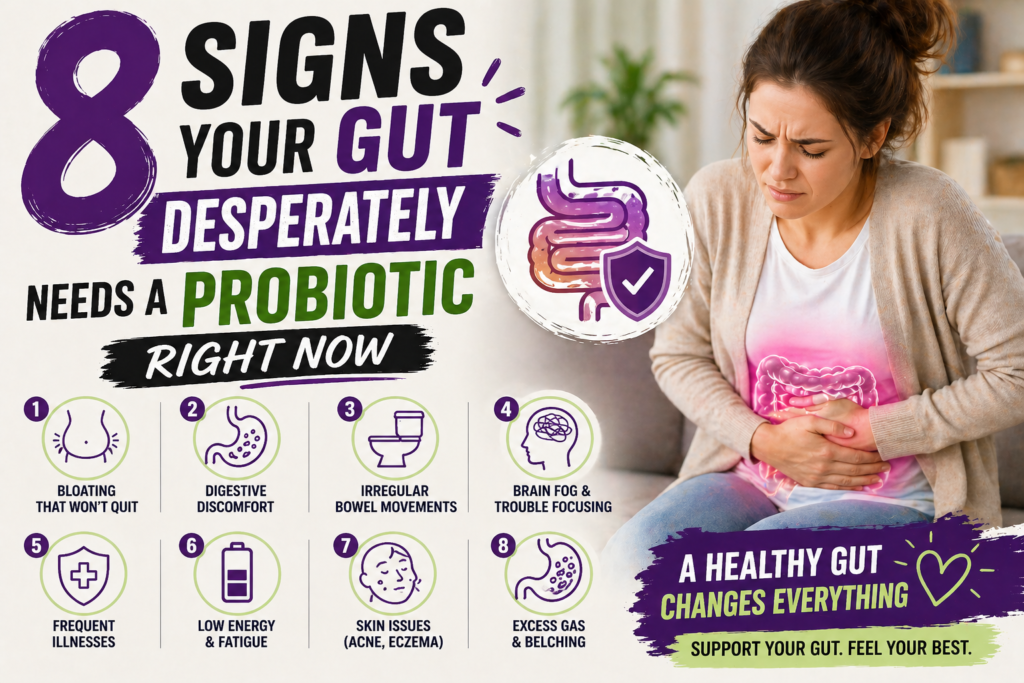
The gut-skin axis is one of the most well-documented and least appreciated connections in medicine. When harmful bacteria dominate your gut, they produce inflammatory compounds — particularly LPS from gram-negative bacterial cell walls — that cross the gut lining into the bloodstream. Circulating inflammatory compounds reach the skin and express as acne, eczema flares, rosacea, or general skin dullness and reactivity.

If you’ve tried every skincare product and topical treatment without lasting results, your gut bacteria may be the source of the inflammation that keeps showing up on your face. The signs your gut health is directly affecting your skin and how gut health influences specific skin conditions cover the mechanism in detail.
Rebalancing gut bacteria reduces the systemic inflammation that skin conditions need to perpetuate. People who start a quality probiotic for gut symptoms often notice skin improvements as one of the first unexpected benefits — because the gut inflammation that was driving their digestive symptoms was simultaneously driving their skin inflammation.
Sign 5: You’re Anxious, Foggy, or Low Without an Obvious Reason
Your gut bacteria produce approximately 90 to 95% of your body’s serotonin and communicate with your brain through the vagus nerve. Specific beneficial bacterial species — Lactobacillus and Bifidobacterium strains — are directly involved in serotonin synthesis and vagal nerve signal quality. When these are displaced by harmful species, serotonin production decreases and the distress signals from the dysbiotic gut environment reach the brain through the vagus nerve.
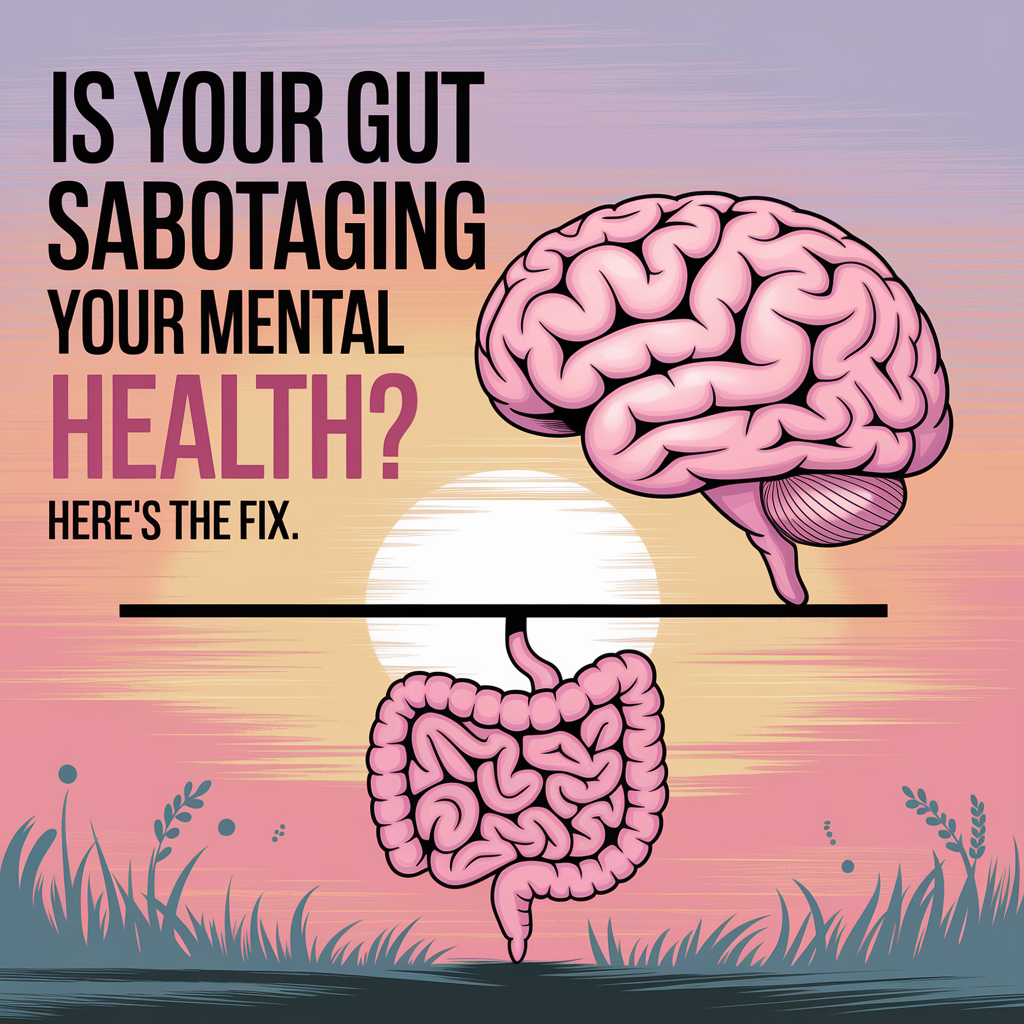
The result is brain fog, low mood, anxiety, or a general sense of feeling off cognitively and emotionally — without obvious life circumstances that would explain it. How your gut sabotages your mental health and the research on gut bacteria, anxiety, and depression explain exactly why the gut-brain connection produces these mental symptoms from a physical bacterial imbalance.
The improvement in mental clarity and mood that many people experience starting a quality probiotic isn’t placebo — it’s the restoration of beneficial bacterial populations that directly support serotonin production and vagal nerve signaling quality.
Sign 6: You’ve Recently Taken Antibiotics
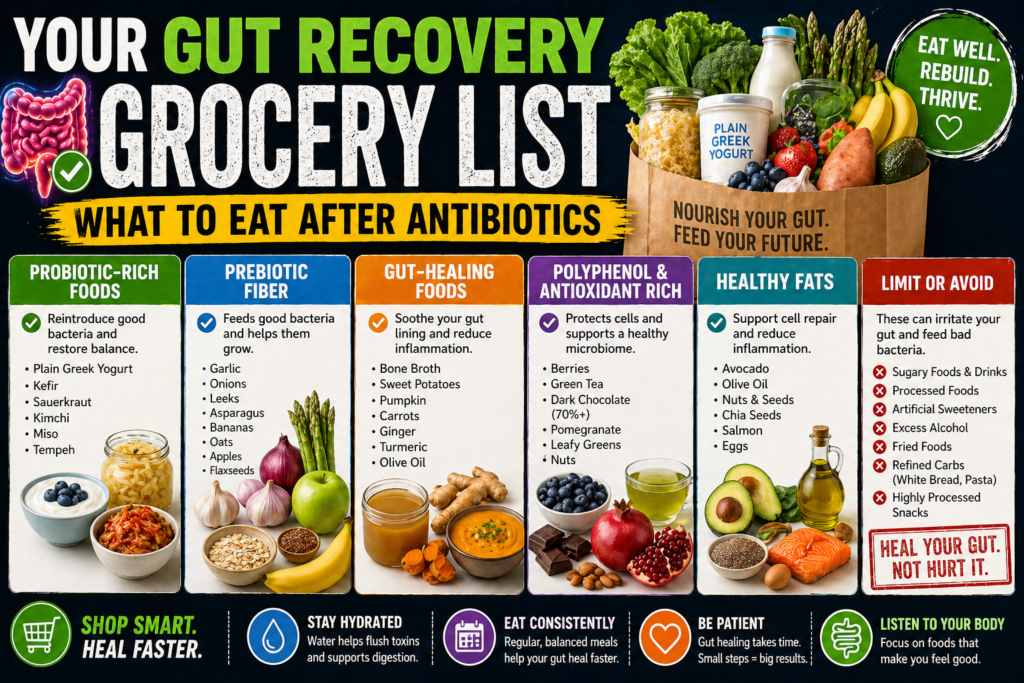
This sign is a certainty rather than a possibility. If you’ve taken antibiotics in the past 6 to 12 months — particularly broad-spectrum antibiotics like ciprofloxacin, clindamycin, or amoxicillin — your gut bacterial balance has been significantly disrupted. Antibiotics kill bacteria indiscriminately, reducing gut microbiome diversity by 25 to 50% and depleting beneficial species that are slower to recover than the harmful species they were competing with.
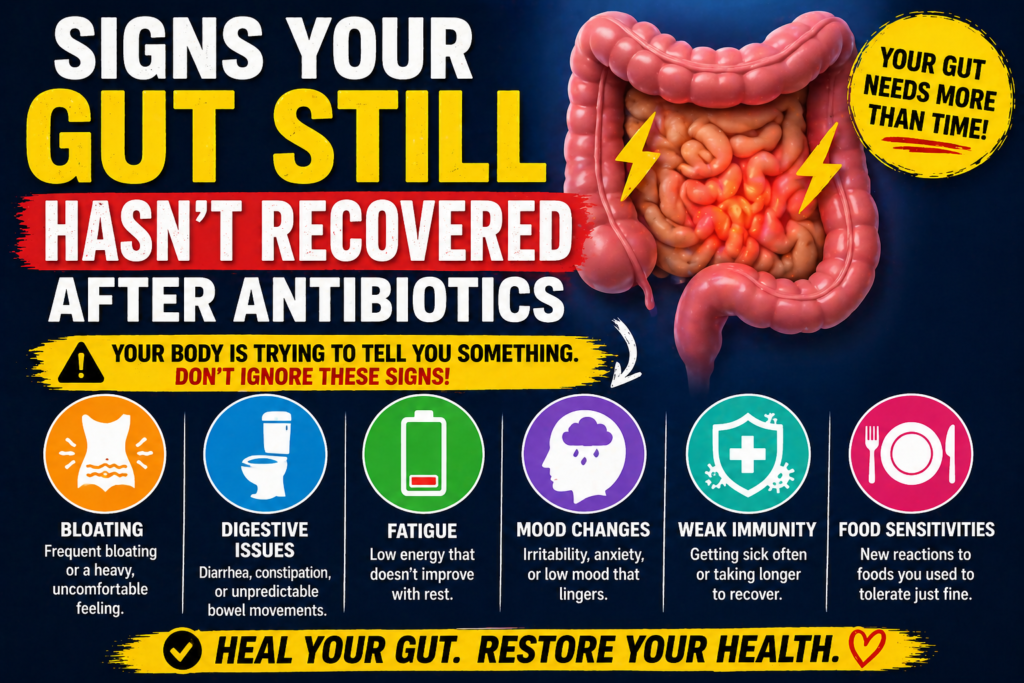
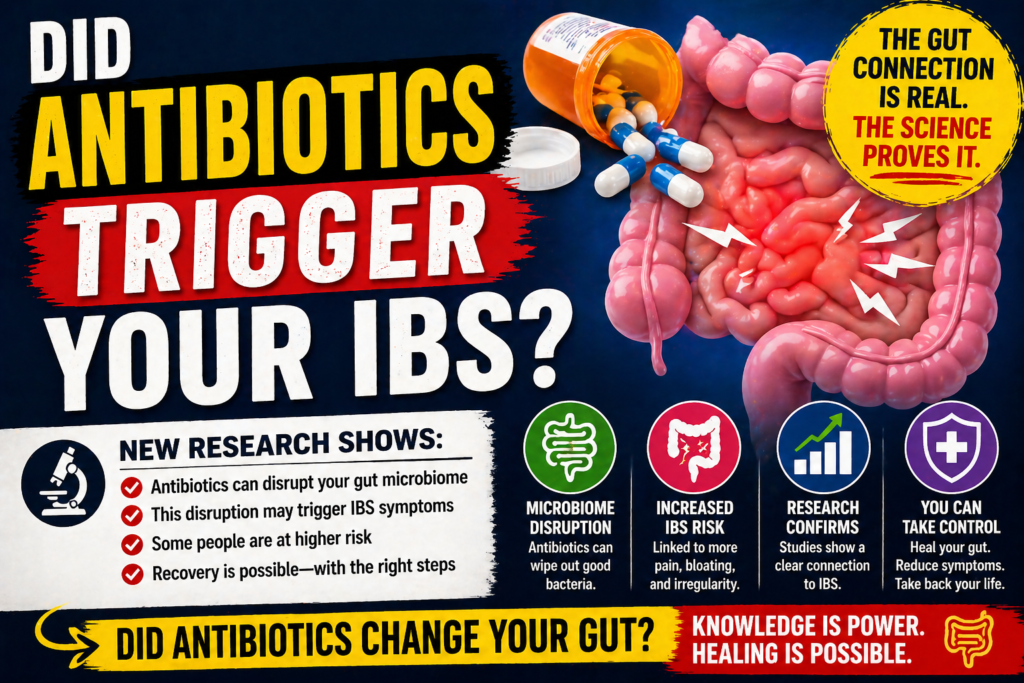
Post-antibiotic dysbiosis is one of the most common and most predictable forms of gut bacterial imbalance — and one that requires deliberate intervention rather than passive waiting. Signs your gut still hasn’t recovered from antibiotics and how long gut recovery after antibiotics actually takes cover what to expect and what active recovery requires.
Sign 7: You’ve Developed Food Sensitivities That Weren’t There Before
Food sensitivities that appear from nowhere — particularly to foods you previously ate without issue — are a characteristic sign of gut dysbiosis affecting gut lining integrity. Harmful bacteria that displace butyrate-producing beneficial species reduce the butyrate supply that maintains tight junction integrity between intestinal cells. Less butyrate means looser tight junctions means increased gut permeability.
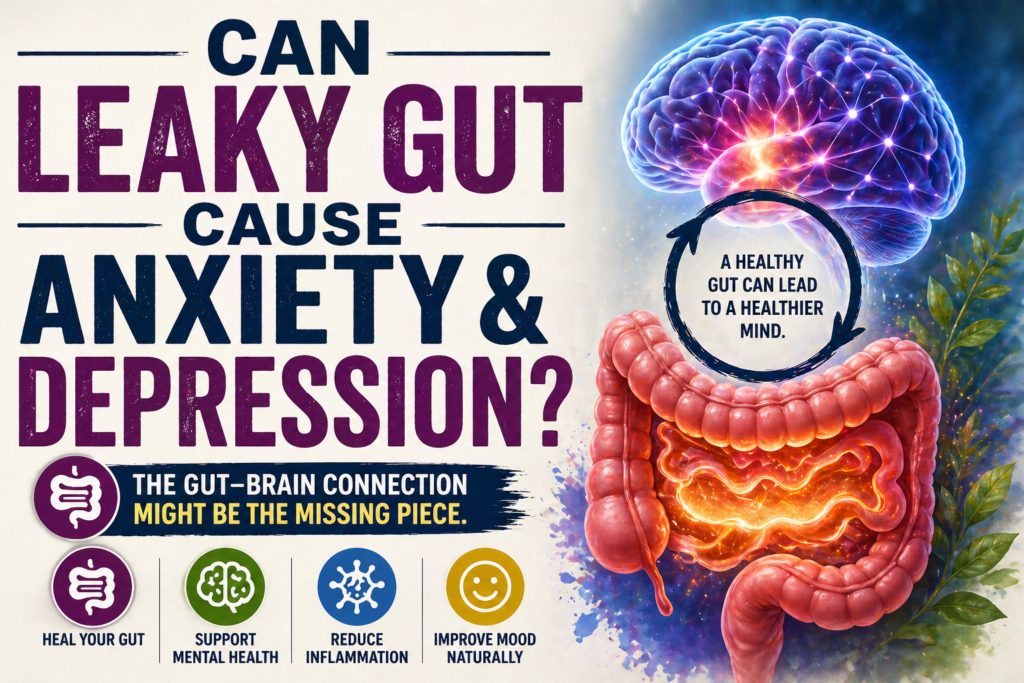
When the gut barrier becomes more permeable, food proteins that were previously contained in the gut cross into the bloodstream and trigger immune responses — producing food sensitivities that feel like they emerged randomly but actually reflect a measurable change in gut barrier function driven by bacterial imbalance. How leaky gut drives systemic symptoms covers this mechanism in the context of its broader systemic consequences.
Rebuilding beneficial bacterial populations restores butyrate production and gradually improves gut barrier integrity — reducing food sensitivities as a downstream consequence of the bacterial rebalancing rather than needing to address the sensitivities directly.


Sign 8: You Have Persistent Fatigue That Sleep Doesn’t Fix
Your gut bacteria affect energy production through several specific mechanisms. Butyrate from beneficial bacteria is the primary fuel for colonocytes — the cells lining your colon — and influences mitochondrial function throughout the body. Beneficial bacteria produce B vitamins including B12, biotin, and folate that are essential for energy metabolism. And gut bacterial composition influences nutrient absorption broadly — a dysbiotic gut is a less efficient gut, absorbing less from the food you eat.
When harmful bacteria dominate and beneficial populations are depleted, all of these energy-supporting functions are compromised. The result is fatigue that feels disproportionate to your sleep and activity levels — because the problem isn’t sleep deprivation or overexertion, it’s reduced cellular energy production from a dysbiotic gut environment. Improving gut bacterial balance consistently produces energy improvements alongside the digestive benefits — typically becoming noticeable at the 6 to 10 week mark of consistent probiotic support.
Sign 9: Your Weight Won’t Move Despite Genuine Effort
Gut bacteria regulate calorie extraction from food, hunger hormone production, insulin sensitivity, and fat storage gene expression — all of which directly influence weight management. Harmful bacteria that dominate a dysbiotic gut are more efficient calorie extractors, produce fewer hunger-suppressing signals, and promote the insulin resistance and systemic inflammation that makes fat storage easier and fat loss harder.
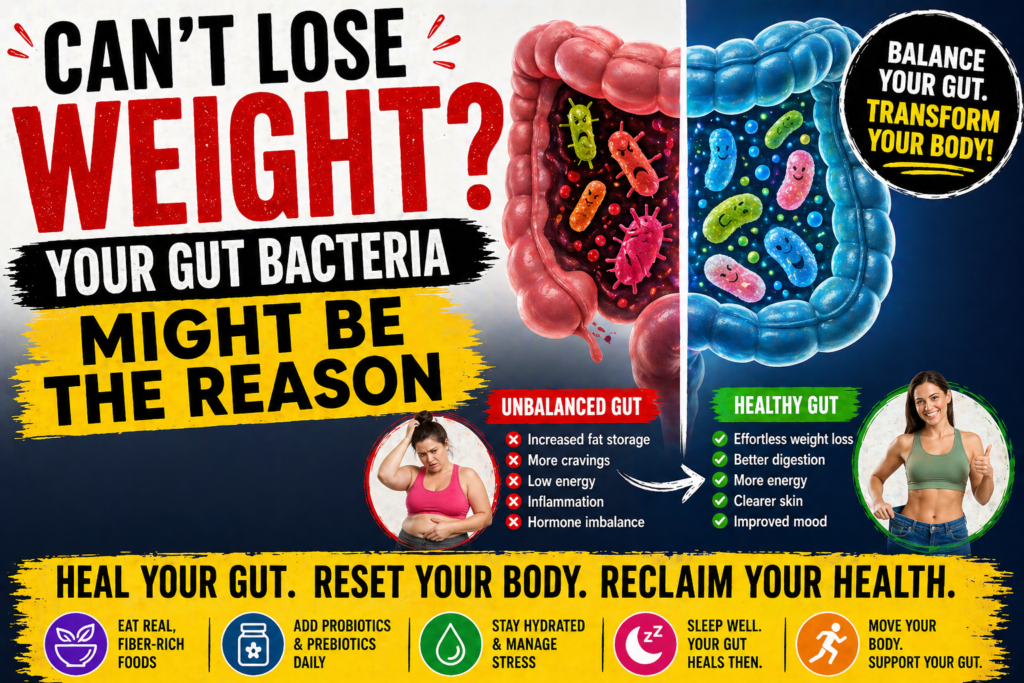
Your gut bacteria may be the reason you can’t lose weight — and gut inflammation specifically makes fat storage more likely through insulin resistance and leptin resistance. If weight has been resistant to genuine dietary and exercise effort, addressing gut bacterial balance may be the variable that makes those efforts produce the results they should.

Sign 10: You Feel Generally “Off” — And Can’t Explain Why
This is the most diffuse but perhaps the most commonly experienced sign of gut dysbiosis — a general sense that something isn’t right that’s hard to pin to any specific symptom. Not dramatically sick. Not a clear diagnosis. Just consistently feeling less well than you know you should — lower energy, less mental sharpness, more reactive to stress, more susceptible to every passing illness.
This generalized unwellness is the systemic expression of a gut microbiome that’s producing more inflammatory signals, less beneficial bacterial metabolites, and less effective immune and neurological regulation than a balanced gut would. It’s not dramatic enough to take to a doctor but persistent enough to affect quality of life daily.
For many people who address gut dysbiosis deliberately — through quality probiotic support, dietary changes, and avoiding the inputs that perpetuate dysbiosis — this generalized unwellness resolves as the microbiome rebalances. It happens gradually over weeks to months, but people often notice it retrospectively: they realize they’ve been feeling significantly better for weeks without consciously attributing the improvement to the gut work.
What Causes Too Much Bad Gut Bacteria
Understanding what shifts the balance toward harmful bacteria helps identify what needs to change alongside probiotic support.
Antibiotics — the most powerful and most common cause of acute dysbiosis. Each course shifts the microbiome significantly toward the species that survive antibiotic exposure — which are often not the beneficial species you want to dominate.
Ultra-processed food and sugar — feed Firmicutes and harmful species while starving beneficial Bacteroidetes and butyrate producers of the fiber they need. A Western diet produces Western dysbiosis — consistently and measurably.
Chronic stress — directly shifts microbiome composition through cortisol’s effects on gut barrier function and bacterial populations. The stress-gut connection is bidirectional — dysbiosis worsens stress reactivity and stress worsens dysbiosis.
Alcohol — reduces microbial diversity and promotes harmful bacterial species at the expense of beneficial ones.
NSAIDs — ibuprofen, aspirin, and naproxen damage the gut lining and disrupt the mucosal environment that beneficial bacteria need. The inputs that damage gut lining and bacterial balance are worth reviewing for anyone dealing with persistent dysbiosis.
Sedentary lifestyle — regular physical activity consistently increases gut microbiome diversity. Its absence consistently reduces it.
How to Fix an Imbalanced Gut Microbiome
Addressing gut dysbiosis requires working on both sides simultaneously — introducing beneficial bacteria while removing the inputs that sustain harmful ones.
Start a quality multi-strain synbiotic immediately. This is the most direct intervention for bacterial imbalance. Beneficial bacterial strains — particularly Bifidobacterium species depleted by most dysbiosis causes — need to be actively reintroduced and provided with the prebiotic food they need to establish. A product that combines multiple clinically studied strains with a prebiotic component gives beneficial bacteria the best possible chance of displacing the harmful species holding the ecological space.
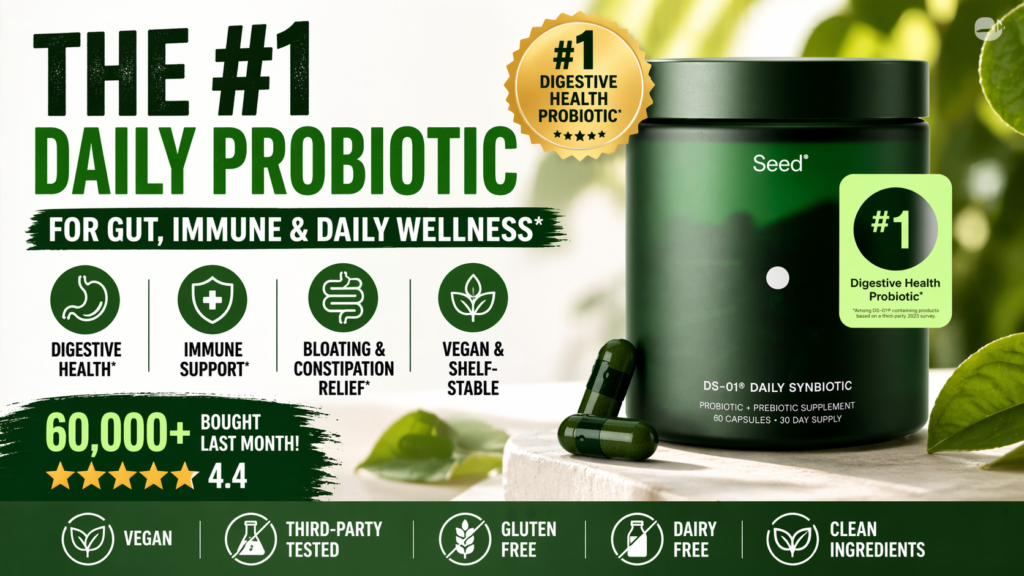
Seed DS-01 is our top recommendation — 24 clinically studied strains across the most relevant genera for dysbiosis correction, in an acid-resistant nested capsule with prebiotic included. Give it a minimum of 90 days of daily consistent use. Check the current price on Amazon.
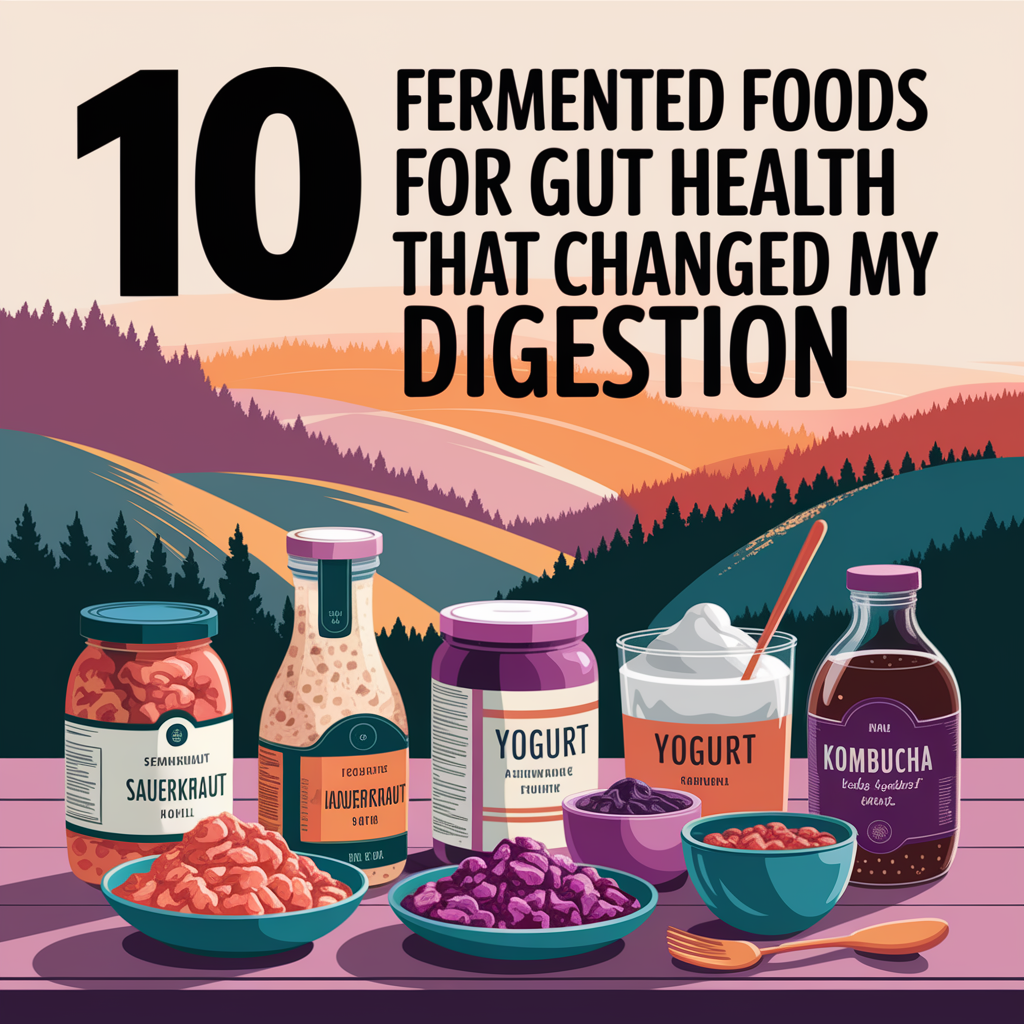
Add fermented foods daily. Natural bacterial diversity from kefir, yogurt, kimchi, sauerkraut, and miso introduces broader microbial variety than any single supplement can provide. The Stanford Cell study found high fermented food intake produced greater microbiome diversity gains than high fiber intake alone. The fermented foods that make the biggest impact gives you the practical starting list.
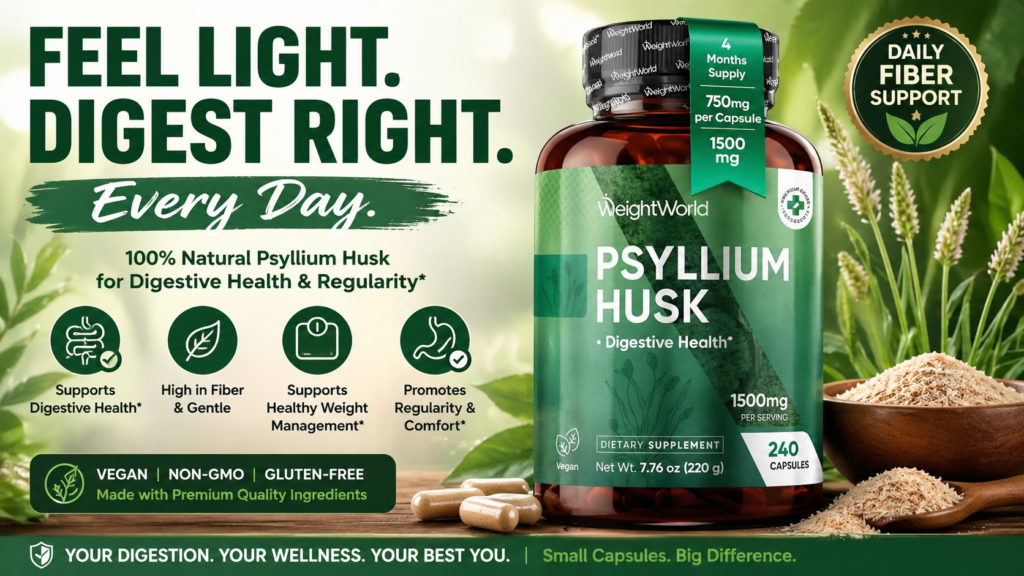
Feed beneficial bacteria with prebiotic fiber. Beneficial bacteria need fiber to survive and multiply — harmful bacteria don’t. Increasing prebiotic fiber intake from garlic, onions, asparagus, oats, and bananas directly favors beneficial bacterial growth over harmful species. Psyllium husk capsules provide consistent daily soluble prebiotic fiber when dietary intake is variable.
Remove the inputs sustaining harmful bacteria. Reducing ultra-processed food, sugar, alcohol, and unnecessary NSAID use removes the dietary advantage harmful species currently have. You can’t outprobiotic a diet that keeps feeding the bacteria you’re trying to displace.
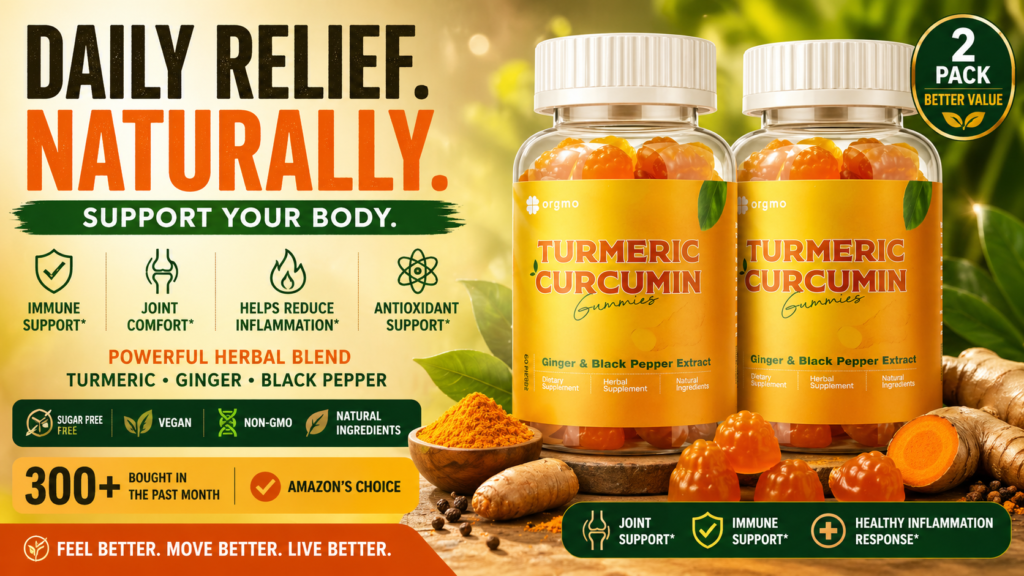
Reduce gut inflammation. Chronic gut inflammation creates a microenvironment that favors harmful bacterial species and impedes the establishment of beneficial ones. Turmeric curcumin with black pepper directly reduces the gut inflammatory environment that perpetuates dysbiosis. Check the price on Amazon.
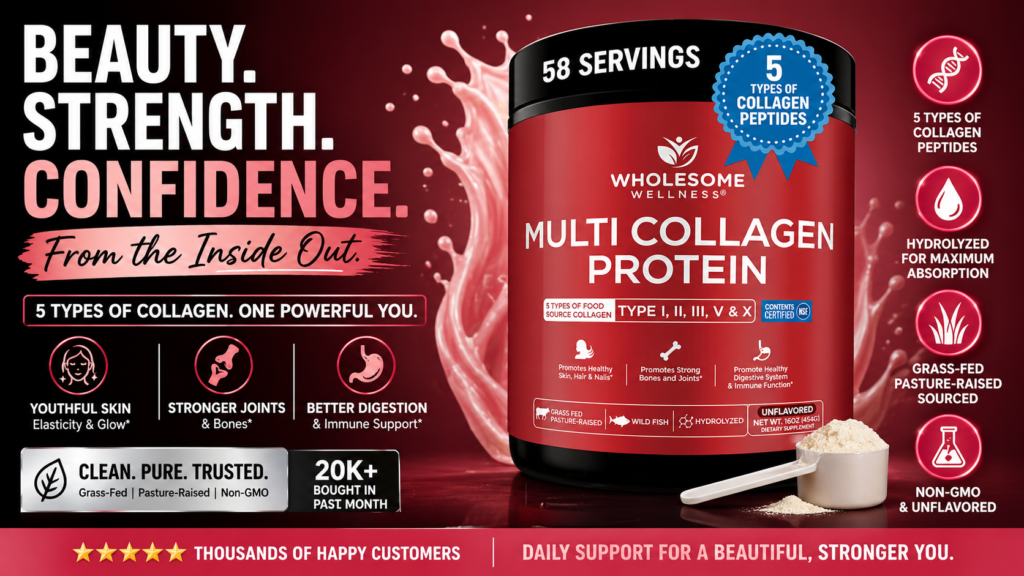
Support your gut lining. Harmful bacteria that have increased gut permeability through their inflammatory activity need the structural support of collagen to repair the tight junctions they’ve damaged. Multi collagen peptides daily address this structural repair component alongside the bacterial rebalancing work. Check the price on Amazon.
How Long Does It Take to Rebalance Gut Bacteria
The timeline depends on the severity of the dysbiosis and how consistently you implement the rebalancing approach.
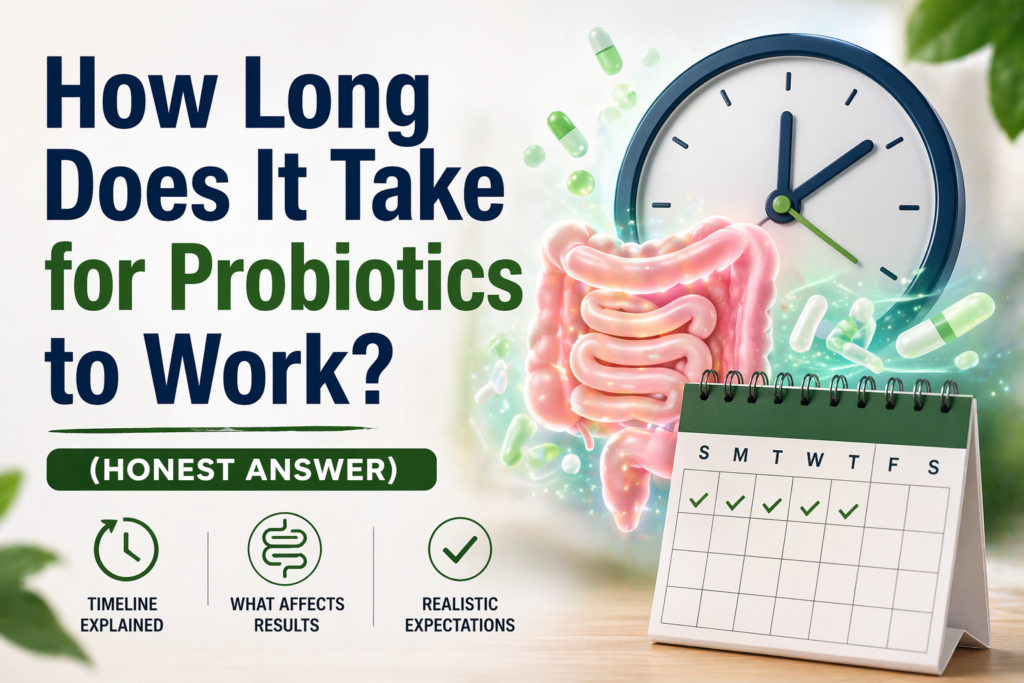
For mild dysbiosis from a single recent antibiotic course or a period of poor diet — 4 to 8 weeks of consistent probiotic support, fermented foods, and dietary improvement produces meaningful microbiome composition shifts. The honest probiotic timeline explains what’s happening in your gut week by week.
For more established dysbiosis — months to years of poor diet, multiple antibiotic courses, or the kind of persistent dysbiosis that has produced long-standing symptoms — 6 months of consistent daily intervention is a more realistic target. The biology is on your side — beneficial bacteria multiply rapidly once given the right environment — but entrenched dysbiosis takes sustained effort to reverse.
Frequently Asked Questions
How do I know if I have too much bad gut bacteria?
The most common signs are chronic bloating and gas after meals, irregular bowel habits, frequent illness, skin breakouts, brain fog or low mood, unexplained fatigue, new food sensitivities, and weight resistance despite genuine dietary effort. Multiple signs occurring together strongly suggest gut dysbiosis.
What kills bad gut bacteria naturally?
Beneficial bacteria outcompete harmful species when given the right conditions — prebiotic fiber that feeds beneficial bacteria, probiotic supplementation that reintroduces them, and removal of the dietary inputs that sustain harmful species (sugar, ultra-processed food, alcohol). There’s no “kill bad bacteria” supplement — the goal is shifting the balance rather than elimination.
What is the best probiotic for bad gut bacteria?
A multi-strain synbiotic with multiple Bifidobacterium and Lactobacillus strains, acid-resistant delivery, and prebiotic included. Seed DS-01 is our top recommendation. Read our full Seed DS-01 review here. Check the price on Amazon.
Can bad gut bacteria cause anxiety and depression?
Yes — through the gut-brain axis. Dysbiotic gut bacteria produce less serotonin, send more distress signals through the vagus nerve, and generate systemic inflammation that affects brain function. The research on gut bacteria and mental health explains the specific mechanisms.
How long does it take to fix gut dysbiosis?
4 to 8 weeks of consistent intervention for mild to moderate dysbiosis. 3 to 6 months for more established imbalance. Improvement is gradual and cumulative — most people notice meaningful digestive improvement at 3 to 4 weeks and broader systemic improvements at 6 to 10 weeks.
Can diet alone fix bad gut bacteria?
Dietary change is essential and powerful — but for significant dysbiosis, diet alone is usually insufficient to restore the depleted bacterial populations that need active reintroduction through quality probiotic supplementation. Both together produce faster, more complete results than either alone.
Your Gut Bacteria Can Be Rebalanced — But It Takes Deliberate Action
Gut dysbiosis doesn’t fix itself passively. The harmful bacteria that have taken up ecological space in your gut don’t voluntarily cede it back. They need to be outcompeted — by beneficial bacteria you actively reintroduce through supplementation and fermented foods, supported by prebiotic fiber you deliberately provide, in an environment you’re actively improving by removing the dietary inputs that have been sustaining the wrong species.
The good news: your gut microbiome is one of the most responsive systems in your body to deliberate intervention. Bacterial generations turn over in hours. Given the right inputs consistently over 90 days, the bacterial composition of your gut can shift dramatically — producing improvements in digestion, immunity, skin, mood, energy, and weight that reflect the broad influence your gut bacteria have over your overall health.
Start the protocol. Give it 90 days. The biology works if you do the work consistently.
Start rebalancing your gut bacteria today
Seed DS-01 Daily Synbiotic — the bacterial rebalancing foundation
Zenwise Digestive Enzymes — reduce fermentation substrate for harmful bacteria
Turmeric Curcumin Gummies — reduce gut inflammation sustaining dysbiosis
Multi Collagen Peptides — repair gut lining damaged by harmful bacteria
More from TummyCure:
- 8 Signs Your Gut Desperately Needs a Probiotic
- Seed DS-01 — Full Review
- Can Leaky Gut Cause Anxiety and Depression?
- Foods That Cause Leaky Gut
- Did Antibiotics Trigger Your IBS?
- How Long Does Gut Recovery After Antibiotics Take?
- Can’t Lose Weight? Your Gut Bacteria Might Be the Reason
- Why Gut Inflammation Makes You Fat
- The Complete Gut Health Guide
- 12 Ways to Improve Gut Health Naturally
About the Author
Rachel Donnelly is a certified nutritional health coach and gut health writer who spent years struggling with IBS and bloating before making digestive wellness her specialty. She writes for TummyCure with one goal: cut through the noise and tell you what actually works. When she’s not deep in microbiome research, she’s fermenting things in her kitchen and losing arguments with her husband about whether kombucha counts as a dessert.
As an Amazon Associate we earn from qualifying purchases through some links in our articles.