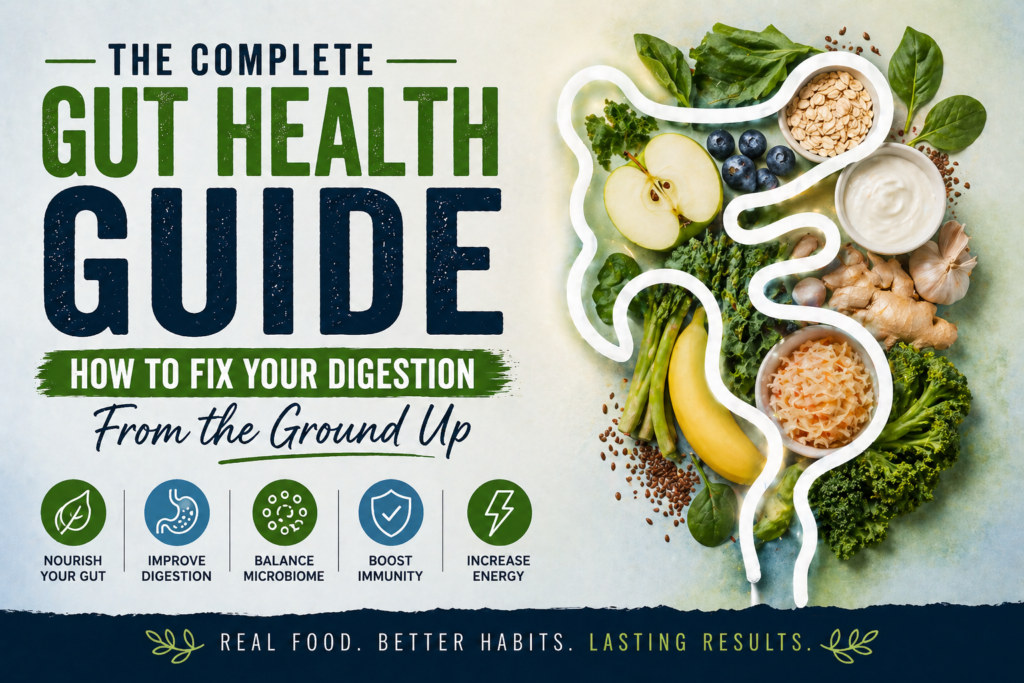
Everything you need to know about gut health in one place — how your gut works, what breaks it, how to know when it’s struggling, and exactly what to do to fix it for good.
Your Gut Is Running the Show — Whether You Know It or Not
Most people think of their digestive system as a simple tube. Food goes in, waste comes out, and somewhere in between nutrients get absorbed. That’s the grade school version — and it’s about as incomplete as it gets.
Your gut is home to trillions of bacteria that regulate your immune system, produce neurotransmitters that affect your mood, influence your skin, control your energy levels, and determine how well you absorb every nutrient from every meal you eat. When your gut is working well, most of your body works well. When your gut is struggling, the effects show up everywhere — and most people never connect the dots back to their digestive health.
This guide covers everything. How your gut actually works, what breaks it, how to know when it’s broken, and exactly what to do to fix it — with specific, actionable recommendations at every step. Whether you’re dealing with daily bloating, IBS, post-antibiotic gut disruption, or just a vague sense that your digestion isn’t right, this is the most complete starting point you’ll find.

If you want to jump straight to the two supplements we recommend most for gut health repair: Zenwise Digestive Enzymes for immediate meal-by-meal support (👉 Amazon price here) and Seed DS-01 for long-term microbiome rebalancing (👉 Amazon price here). Otherwise — read on.

How Your Gut Actually Works
Understanding what’s supposed to happen in a healthy gut makes it much easier to identify what’s going wrong in yours.
Digestion begins in your mouth. Chewing breaks food into smaller pieces and saliva introduces the first digestive enzyme — amylase — which starts breaking down carbohydrates before you even swallow. This step is more important than most people realize. People who eat quickly and chew poorly are starting the digestion process at a disadvantage before food even reaches the stomach.
In your stomach, gastric acid and additional enzymes break food down further — particularly proteins, through the action of pepsin. Your stomach is not just a holding tank. It’s an active processing environment, and its efficiency depends on adequate acid production and enzyme secretion. Both of these can be compromised by stress, age, medications like proton pump inhibitors, and several gut conditions.
From the stomach, partially digested food moves into the small intestine — the most important stage of nutrient absorption. Here, your pancreas secretes a range of digestive enzymes — amylase, lipase, protease, and others — and your liver contributes bile to help break down fats. The small intestine is where the vast majority of your nutrients are absorbed. If anything goes wrong here — poor enzyme production, bacterial overgrowth, inflammation of the intestinal lining — the consequences ripple outward to your energy levels, immune function, skin, and beyond.
What remains after the small intestine does its work moves into the large intestine — the colon — where your gut microbiome lives. Here, bacteria ferment undigested material, produce certain vitamins, regulate water absorption, and prepare waste for elimination. The health and composition of the bacterial community in your colon determines a staggering amount about your overall wellbeing.


The Gut Microbiome — Why It’s the Center of Everything
The gut microbiome is the community of trillions of bacteria, fungi, and other microorganisms living primarily in your large intestine. You have more bacterial cells in your gut than human cells in your entire body. These bacteria aren’t passengers — they’re active participants in virtually every system in your body.
A healthy microbiome is characterized by diversity — many different species of bacteria coexisting in balance. That diversity is what makes your gut resilient. When one bacterial population is disrupted, others can compensate. When your microbiome is diverse and balanced, it regulates gas production efficiently, competes against harmful bacteria, produces short-chain fatty acids that feed your gut lining, and communicates with your immune system to maintain appropriate inflammatory responses.
When that diversity collapses — which is exactly what happens after antibiotics, during periods of chronic stress, or after sustained poor diet — the balance tips. Gas-producing bacteria proliferate. Beneficial bacteria that regulate motility and inflammation decline. The gut lining becomes more permeable. Immune function is impaired. And the downstream effects show up as bloating, irregularity, skin problems, low energy, brain fog, and more.
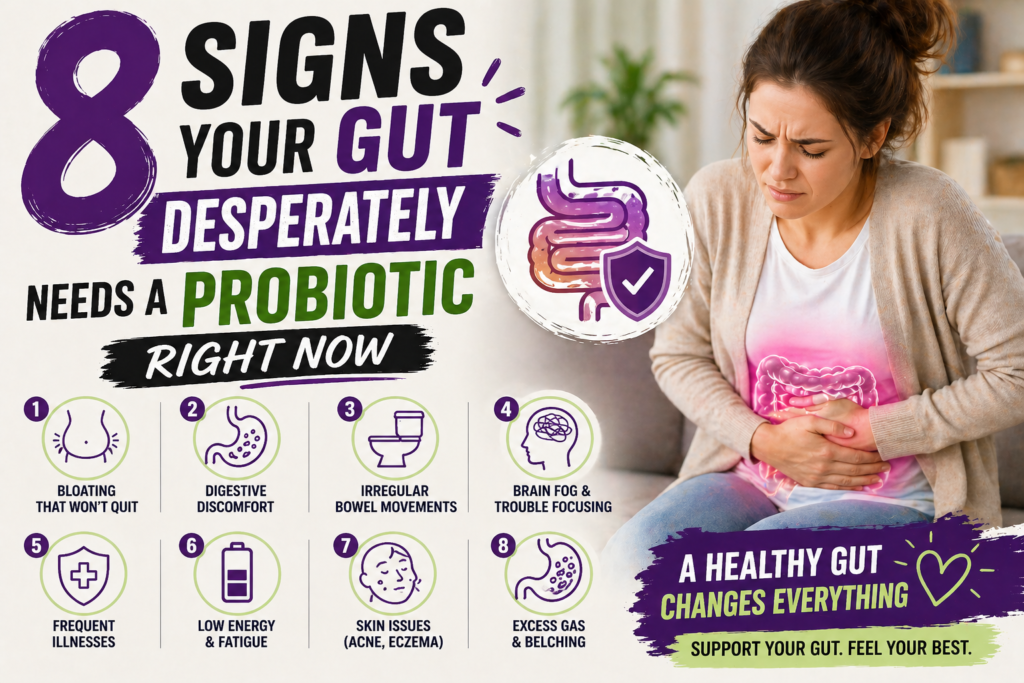
The good news is your microbiome is remarkably responsive to the right intervention. The signs that your microbiome needs help are usually obvious once you know what to look for — and the tools to address it are more accessible than most people think.
What Destroys Gut Health (And How Fast It Happens)
Your gut microbiome can be significantly disrupted faster than most people realize — and the recovery takes much longer than the disruption did. Understanding the main culprits helps you both prevent damage and recognize what caused the problems you’re already dealing with.
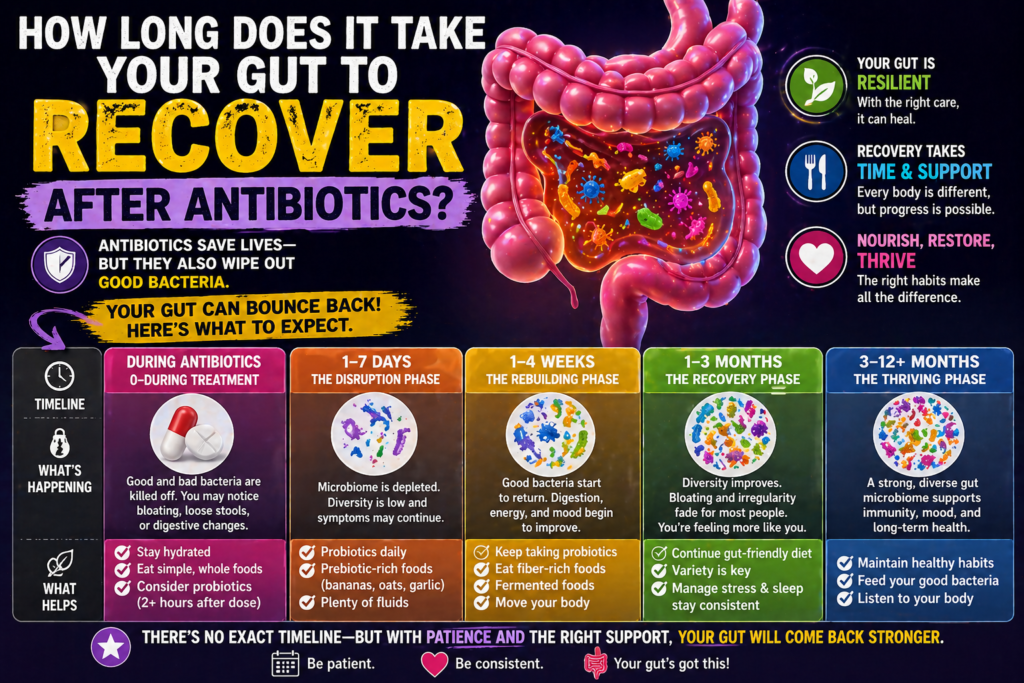
Antibiotics are the most powerful and most common gut disruptor. They’re also often necessary — this isn’t an argument against taking antibiotics when you need them. But a single course of antibiotics can wipe out a significant portion of your gut’s beneficial bacterial population, with effects that persist for weeks to months. Restoring gut bacteria after antibiotics requires a deliberate approach — it doesn’t happen automatically just because you stopped taking them.
Ultra-processed food is a slow-motion gut health disaster. These foods are low in fiber — which beneficial bacteria need to survive — and high in sugar, which feeds harmful bacteria. They often contain emulsifiers and preservatives that disrupt the gut lining and bacterial communities directly. A diet heavy in processed food doesn’t just fail to support your gut microbiome — it actively degrades it over time.
Chronic stress is one of the most underappreciated gut disruptors. The gut-brain connection runs both ways — just as your gut affects your mood and mental clarity, your stress response directly affects your gut. Cortisol impairs enzyme secretion, slows motility, increases intestinal permeability, and shifts the microbiome composition toward a less healthy state. If you’ve noticed your digestion getting worse during high-stress periods in your life, this mechanism is exactly why.
Poor sleep disrupts the gut microbiome through circadian rhythm mechanisms that researchers are only beginning to fully understand. Your gut bacteria operate on a daily cycle that’s tied to your sleep-wake rhythm. Chronic sleep disruption — inconsistent sleep times, insufficient sleep — measurably reduces microbiome diversity over time.
Alcohol in excess reduces microbial diversity, increases intestinal permeability, and promotes the growth of harmful bacterial species at the expense of beneficial ones. Moderate consumption has less impact, but chronic heavy drinking is consistently associated with significant gut microbiome disruption.
Sedentary lifestyle is associated with lower gut microbiome diversity and slower gut motility. Regular exercise — even just walking — has been shown to improve microbiome diversity and the speed at which food moves through your digestive tract.
How to Know When Your Gut Is Struggling
Gut health problems rarely announce themselves with obvious labels. They show up as a constellation of symptoms that most people don’t connect to their digestive system — at least not until they start looking at the big picture.
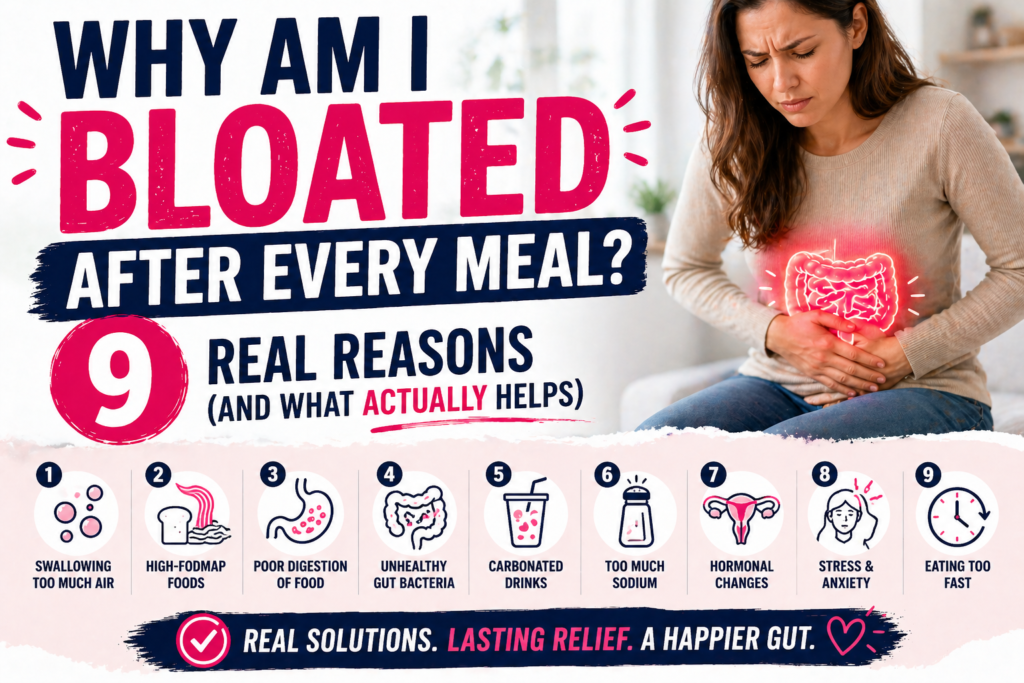
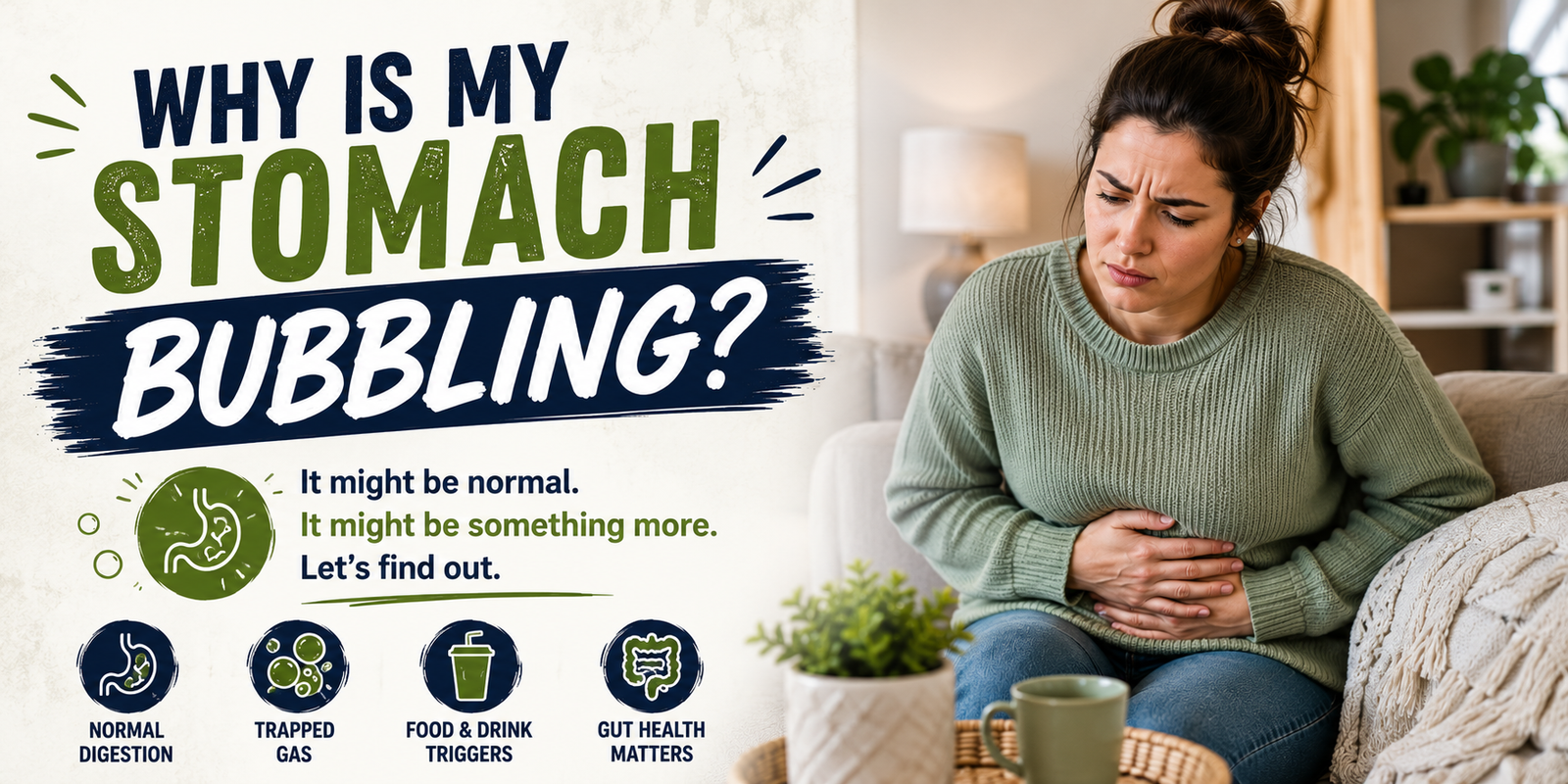
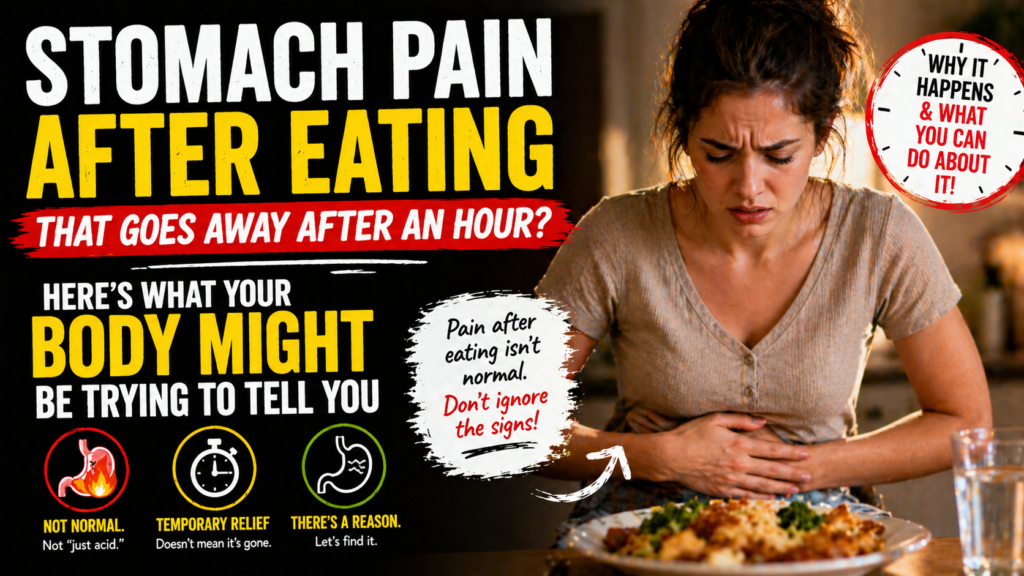
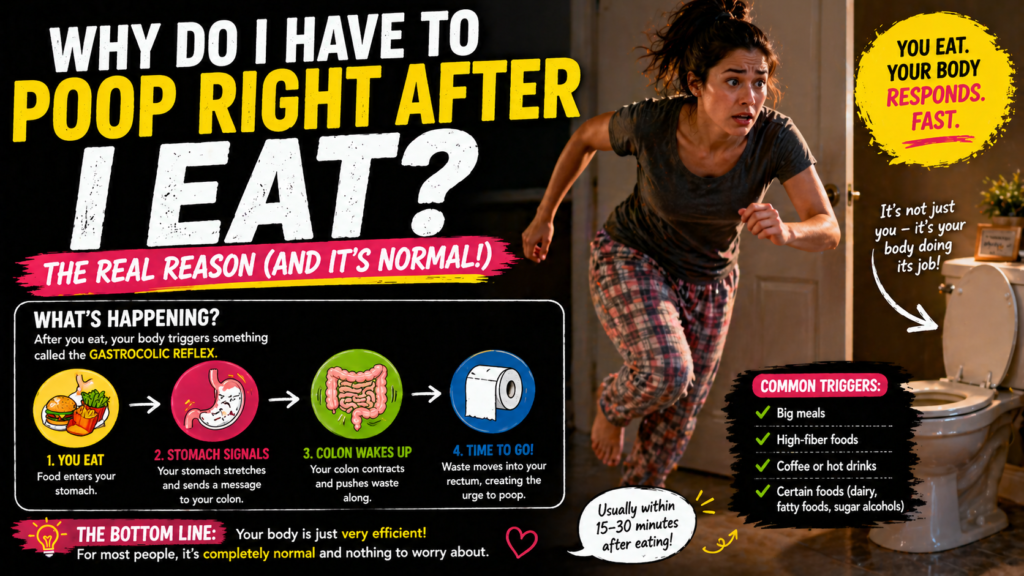
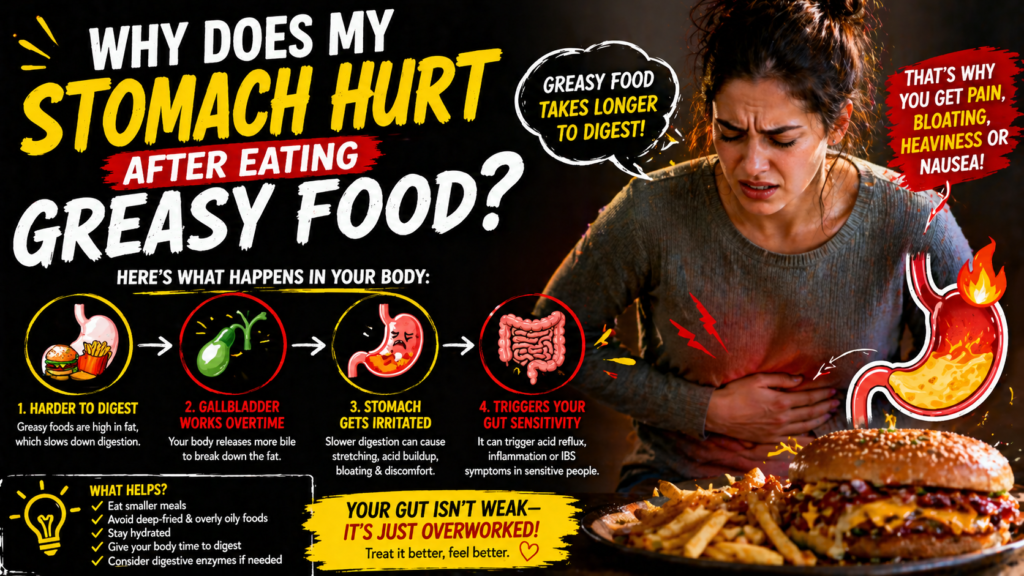
Digestive symptoms are the most obvious category. Bloating after every meal is one of the most telling signs — especially when it happens consistently regardless of what you eat. Irregular bowel movements, excessive gas, cramping, and that heavy uncomfortable feeling after eating are all signals worth taking seriously rather than normalizing.
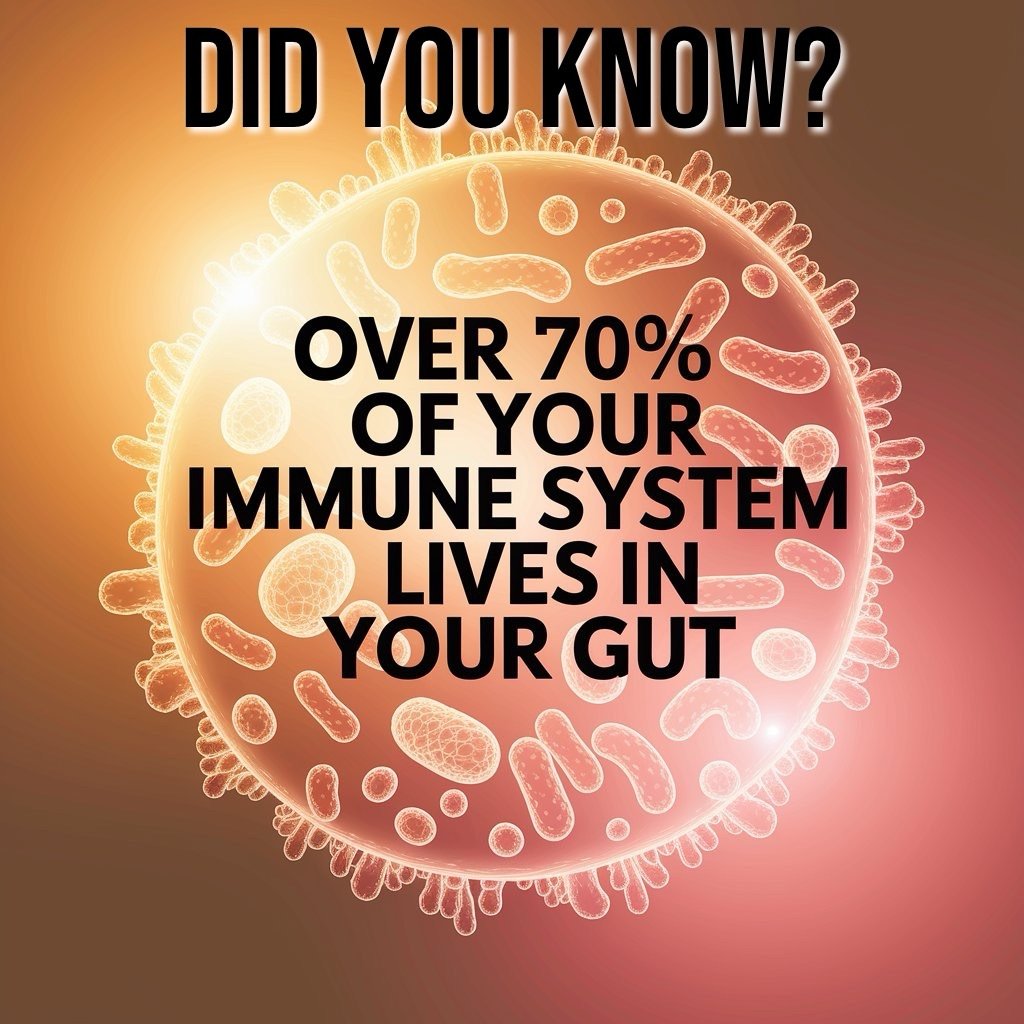
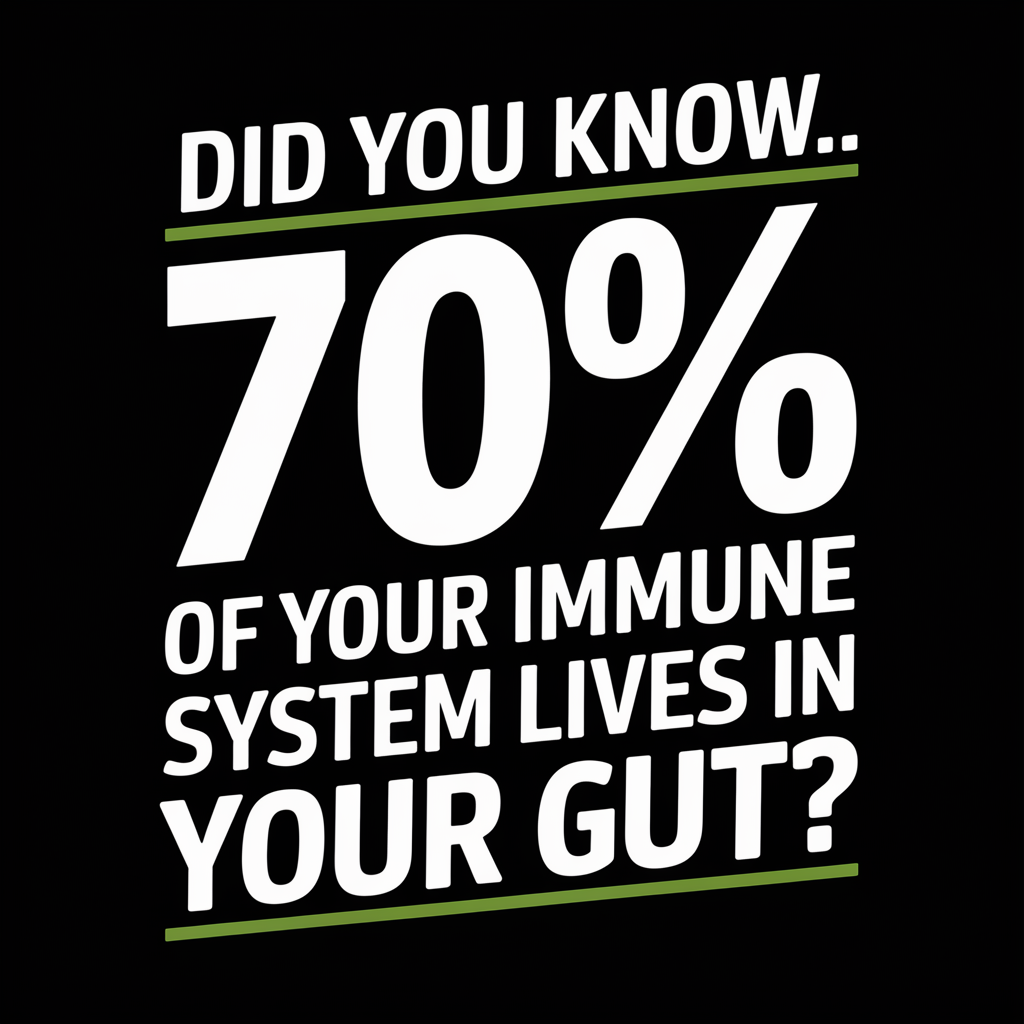
Immune dysfunction is a gut problem that most people never recognize as such. Over 70% of your immune system lives in and around your gut. When your gut bacteria are out of balance, your immune system pays the price. Getting sick more often than you should, taking longer to recover from illness, or experiencing more frequent infections are all signs your gut health may be undermining your immune function.

Skin problems are one of the most surprising gut health manifestations — but one of the most well-documented. The gut-skin axis is a real physiological connection: inflammation in the gut doesn’t stay in the gut. It circulates systemically and often expresses on the skin. If you’ve tried everything for acne, eczema, or rosacea and nothing works long-term, your gut health may be what’s actually driving your skin issues.
Mental health and cognitive function are increasingly understood to be deeply connected to gut health. Your gut produces a significant portion of your body’s serotonin and communicates constantly with your brain through the vagus nerve. Brain fog, persistent low mood, anxiety, and poor concentration are all increasingly linked to gut microbiome disruption. If your gut is struggling, your mental health often follows.
Persistent fatigue that doesn’t improve with rest is another gut health red flag that most people miss. Poor digestion means poor nutrient absorption — you can be eating nutritious food and absorbing far less than you should because your gut isn’t processing it efficiently. The result is fatigue that feels disproportionate to your sleep and activity levels.
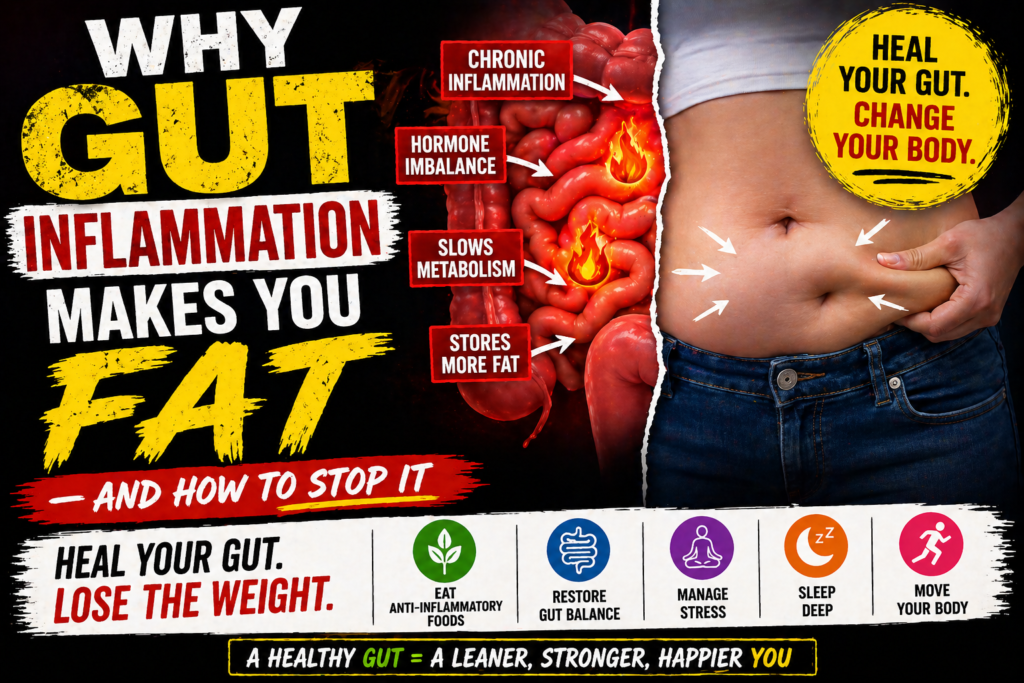
Weight management difficulty is increasingly linked to gut microbiome composition. Different bacterial populations affect how calories are extracted from food, how hormones that regulate appetite and satiety function, and how efficiently your metabolism operates. If your gut bacteria are off, losing weight can be harder than it should be regardless of what you eat.
The Two Core Problems — And Why Most People Only Fix One
When it comes to gut health issues, almost everything traces back to one or both of two core problems. Understanding this distinction is what separates people who actually fix their gut health from people who keep trying things that half-work.
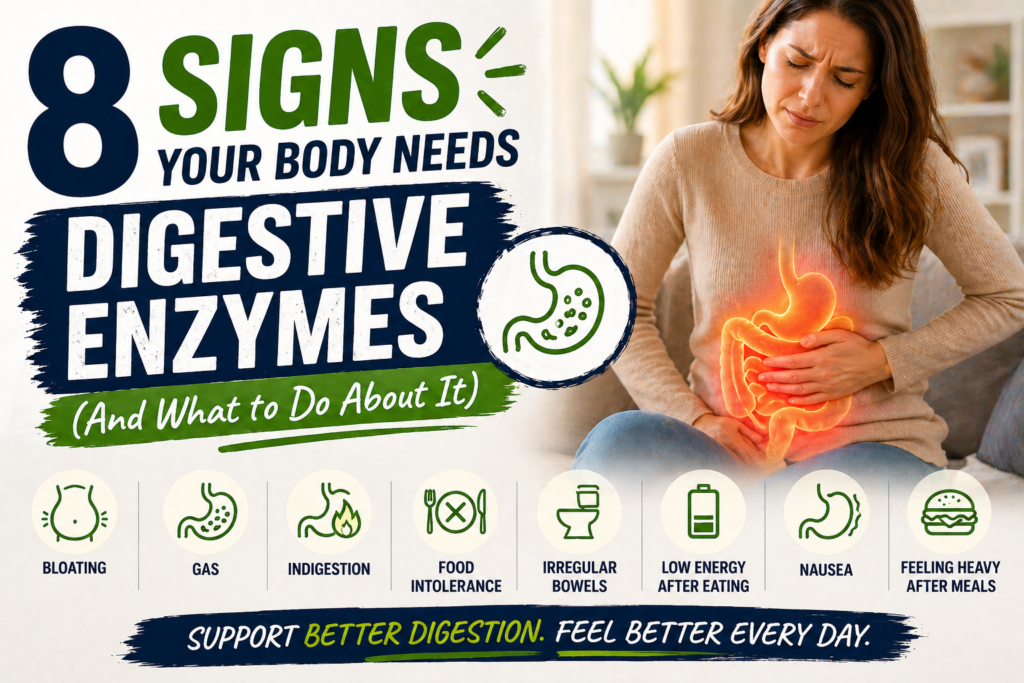
Problem 1: Your body isn’t breaking food down properly. This is an enzyme problem. When your digestive enzyme production is insufficient — which happens with age, stress, gut conditions, or a poor diet — food arrives in your large intestine partially digested. Bacteria ferment it. Gas, bloating, and discomfort follow. The signs that digestive enzyme deficiency is driving your symptoms are specific and recognizable — and the fix is targeted and fast-acting.
Problem 2: Your gut bacteria are out of balance. This is a microbiome problem. When your beneficial bacteria are depleted and harmful gas-producing bacteria proliferate, your gut ferments food excessively, regulates motility poorly, and produces systemic inflammation that affects everything from your immune system to your skin to your mood. Signs your gut bacteria desperately need support include constant bloating, irregular bowels, frequent illness, skin issues, and persistent fatigue.
The reason most people only half-fix their gut health is that they address one of these problems and not the other. They take a probiotic but don’t address enzyme deficiency — so meals are still fermenting and causing symptoms even as the bacterial balance slowly improves. Or they take digestive enzymes and feel better after meals but never address the underlying bacterial imbalance driving their chronic symptoms.
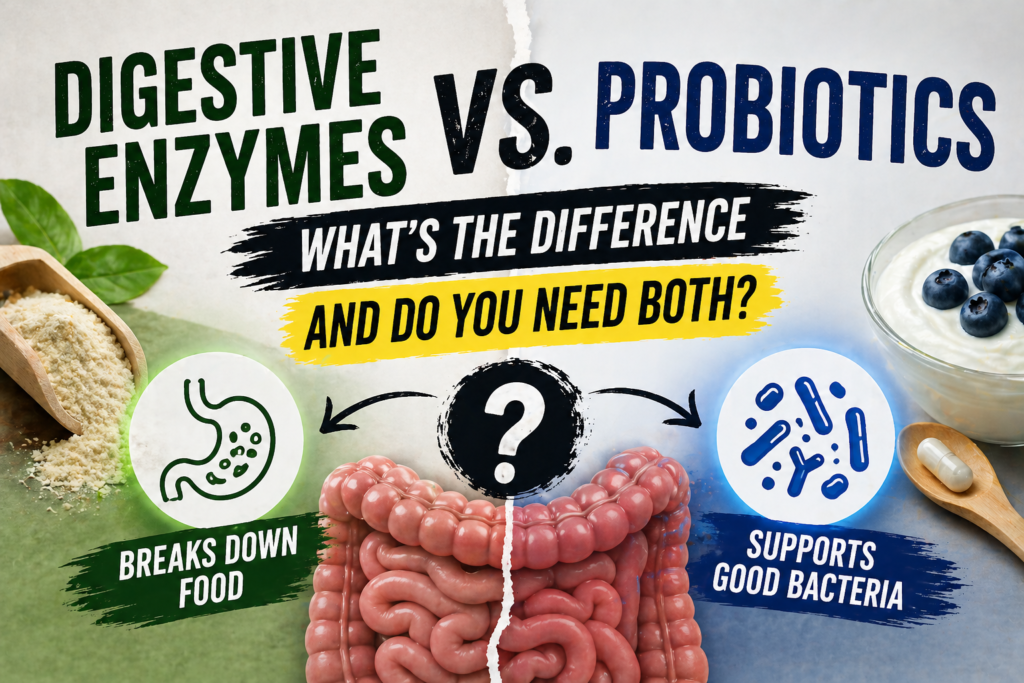
The complete approach addresses both simultaneously. And understanding the difference between digestive enzymes and probiotics — and why you likely need both — is the foundation of effective gut health repair.
Digestive Enzymes — What They Are and When You Need Them
Digestive enzymes are proteins that break food down into molecules small enough for your body to absorb. Your body naturally produces them — amylase for carbohydrates, lipase for fats, protease for proteins, lactase for dairy. When production is adequate, digestion runs efficiently. When it’s not, food sits in your gut partially digested and causes the fermentation-driven bloating and gas that makes eating miserable.
Enzyme production declines with age — starting as early as your mid-30s for some people. It’s impaired by chronic stress, gut conditions like IBS and SIBO, and certain medications. And in a modern diet dominated by processed food, the demand on your digestive enzymes is often higher than it used to be because highly processed food has had many of its natural enzyme cofactors stripped out during manufacturing.
A digestive enzyme supplement fills the gap directly. Unlike probiotics, which take weeks to produce results, enzymes work immediately — every meal where you take them is a meal where food gets broken down more completely. Many people notice a reduction in post-meal bloating and heaviness within the first few days.
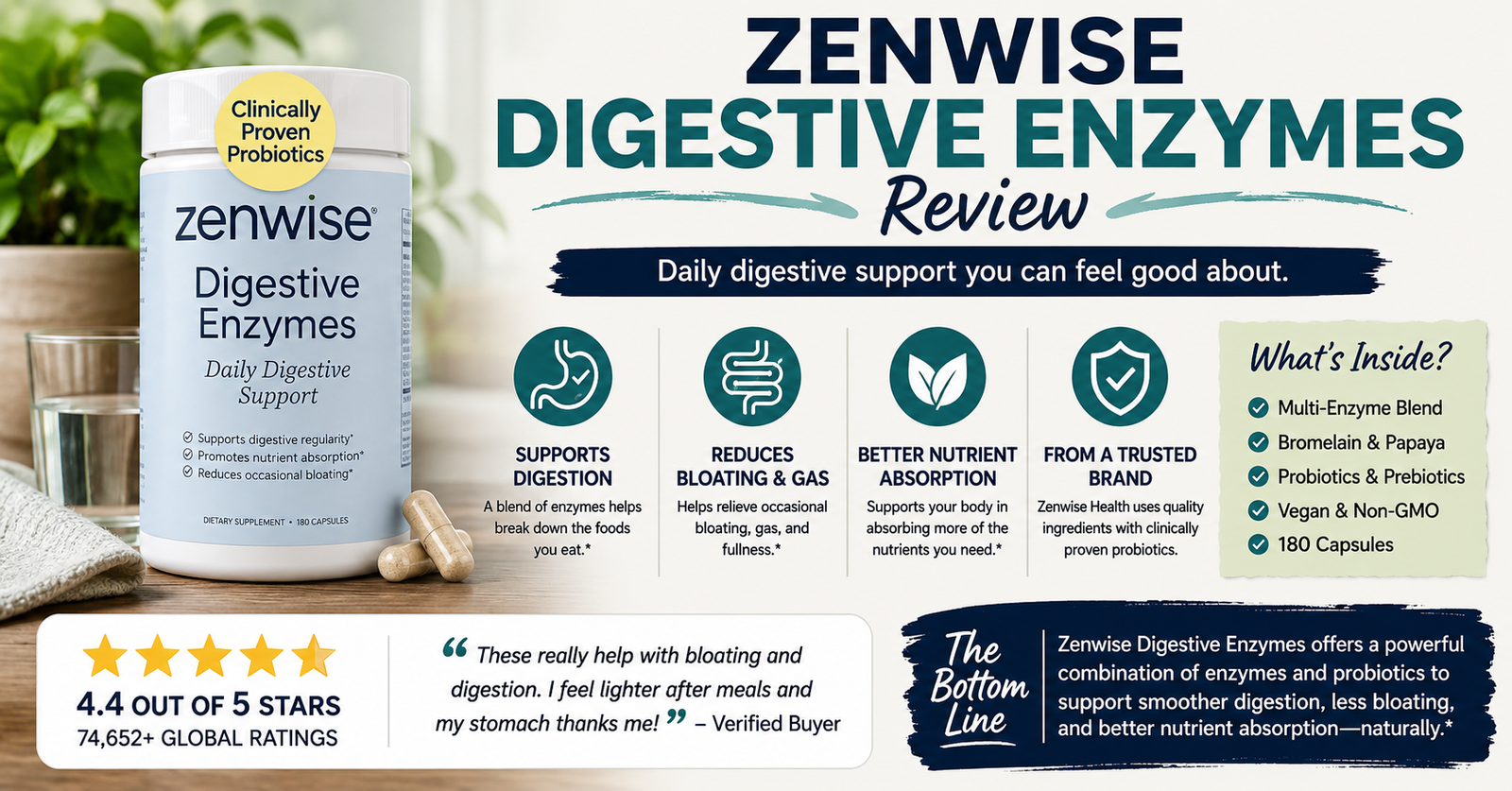
Our top recommendation is Zenwise Health Digestive Enzymes — a comprehensive multi-enzyme formula covering amylase, protease, lipase, lactase, bromelain, and papain, with the addition of DE111 probiotic and inulin prebiotic. It covers the full range of digestive needs in one vegetarian capsule, and at around $30 for 100 capsules it’s one of the best values in this category.
We spent 60 days testing it and documented the full experience: Zenwise Digestive Enzymes Review — Does It Actually Work?
👉 Check the current price of Zenwise on Amazon
For a deep dive on the best digestive enzymes specifically for bloating, or whether digestive enzymes actually help IBS, we’ve covered both in detail.
Probiotics and Synbiotics — The Microbiome Repair Toolkit
If digestive enzymes are the fast-acting tool, probiotics are the long game — and the long game is where the most meaningful and lasting gut health improvements happen.
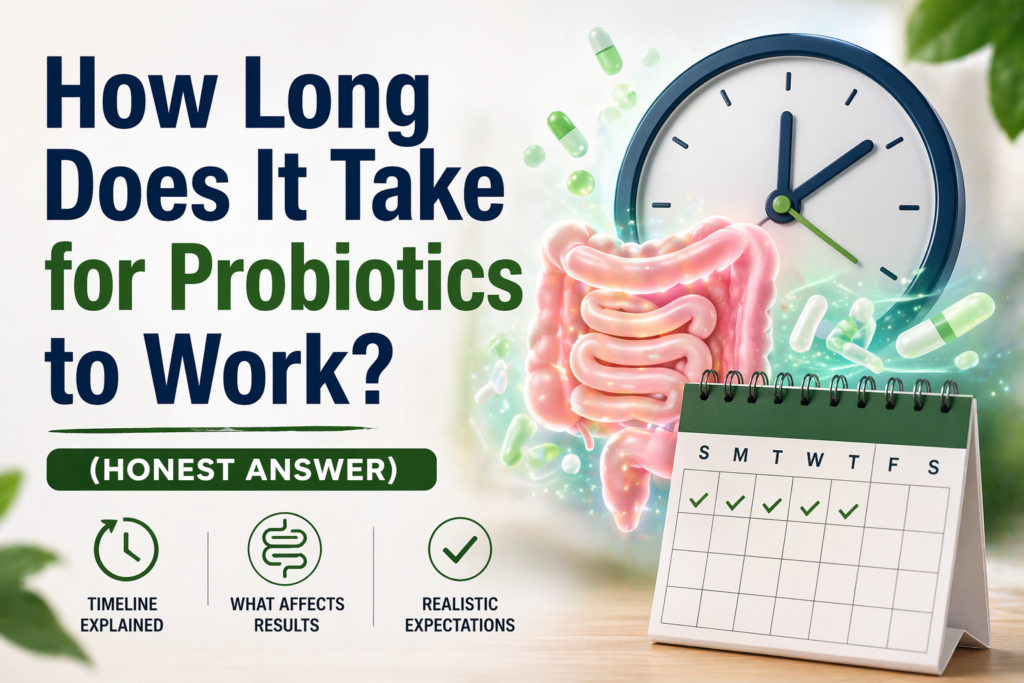
Probiotics introduce beneficial bacteria into your gut, gradually shifting the balance of your microbiome away from harmful, gas-producing species and toward the diverse, beneficial community that a healthy gut is supposed to have. This process takes time — 2–4 weeks for early noticeable improvements, 60–90 days for the deeper microbiome changes that translate to sustained, long-term relief. Most people who say probiotics don’t work either used the wrong product or didn’t give it enough time. Understanding the honest timeline for how long probiotics take to work is the difference between giving up too early and actually finishing the job.
Not all probiotics are created equal — and the difference between a quality product and a cheap one is more significant than in almost any other supplement category. The specific strains matter enormously. The delivery system matters — most probiotic bacteria die in stomach acid before reaching the intestines unless the capsule is designed to protect them. And the inclusion of a prebiotic — fiber that feeds the bacteria — determines whether those bacteria survive and establish in your gut or simply pass through.
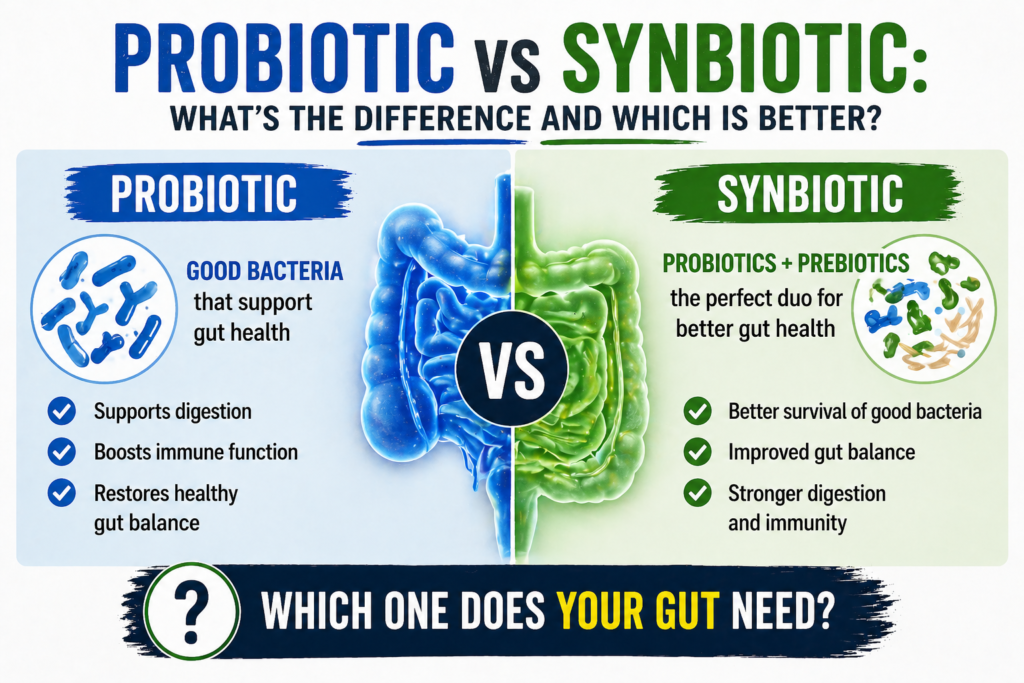
This is the distinction between a probiotic and a synbiotic. A synbiotic combines probiotic bacteria with prebiotic fiber in a way that significantly improves colonization and long-term effectiveness. It’s a meaningful upgrade over a standard probiotic — especially for people with significant gut health issues who need more than just a temporary bacterial boost.
Our top recommendation is Seed DS-01 Daily Synbiotic. It contains 24 clinically studied probiotic strains in a nested two-capsule design — the outer capsule is a prebiotic made from plant fiber that feeds the inner probiotic capsule. The entire system is acid-resistant, shelf stable, and vegan. The research behind it is more comprehensive and transparent than any comparable product on the market.
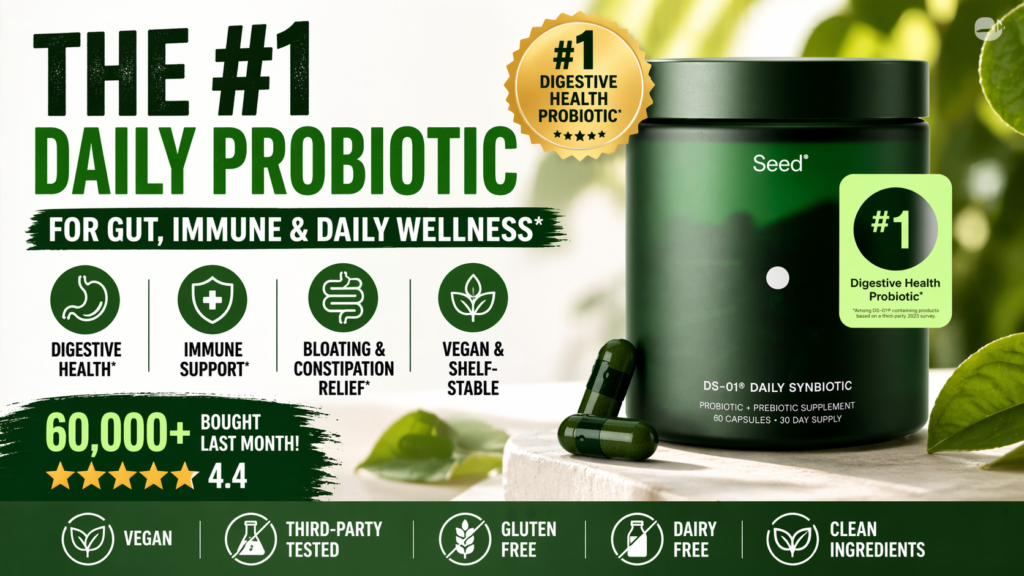
We reviewed it after 90 days of personal use: Seed DS-01 Review — Is It Actually Worth $50 a Month?
👉 Check the current price of Seed DS-01 on Amazon
For condition-specific probiotic guidance: the best probiotic specifically for bloating, or the best probiotic for IBS-C, IBS-D, and IBS-M — we’ve tested and ranked both in detail.
The Role of Diet in Gut Health — What Actually Matters
Diet advice for gut health ranges from genuinely useful to wildly overcomplicated. Here’s the version that cuts through the noise and focuses on what actually makes a measurable difference.
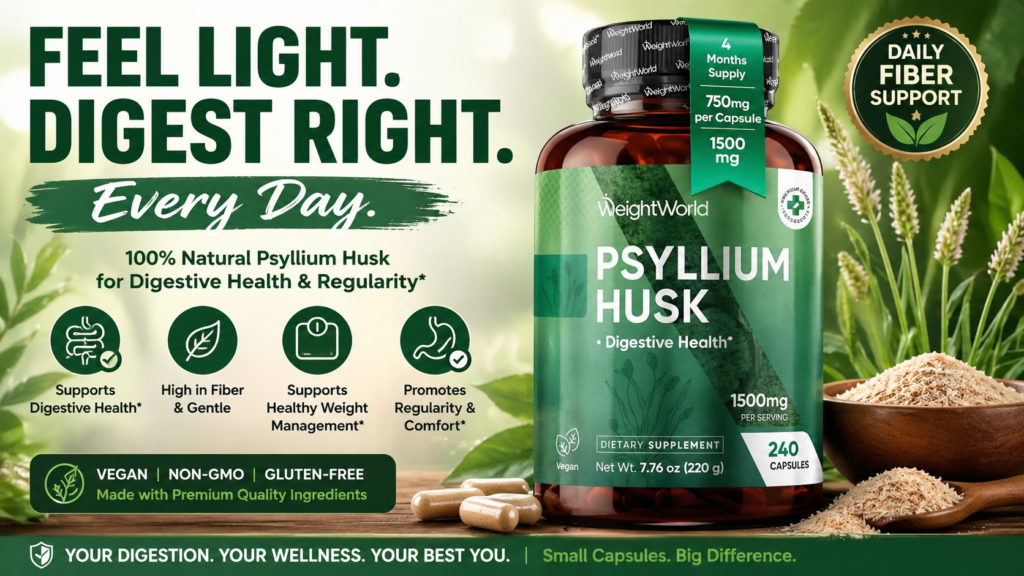
Fiber is the single most important dietary factor for gut health. Your beneficial gut bacteria live on fiber — specifically prebiotic fiber from plant foods. Without adequate fiber, those bacteria literally starve. The average person consumes dramatically less fiber than they should — most experts recommend 25–38 grams per day, and most people get half that or less. Increasing fiber intake — through vegetables, legumes, whole grains, and fruits — is the most direct dietary intervention for improving gut microbiome diversity and health.
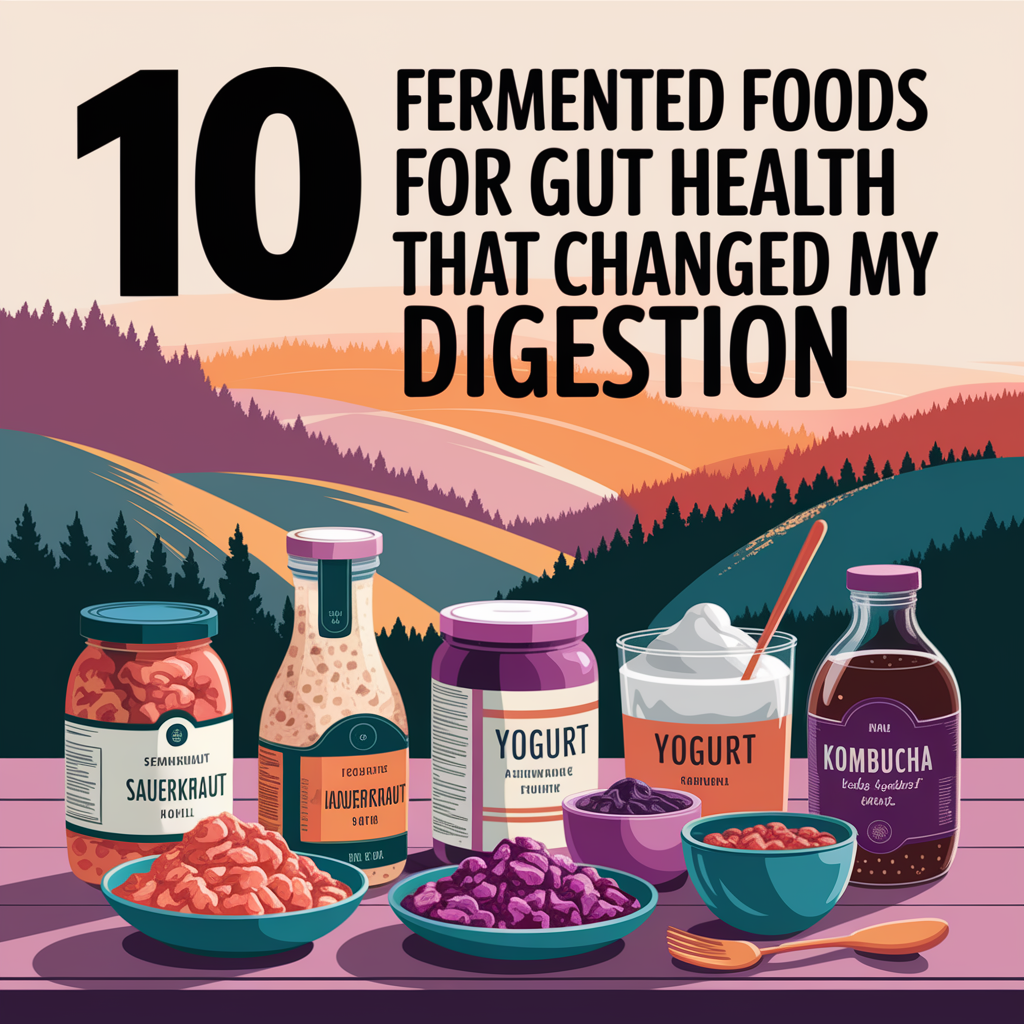
Fermented foods add natural probiotic support. Yogurt, kefir, sauerkraut, kimchi, miso, and kombucha all introduce beneficial bacteria and have been shown to increase microbiome diversity when consumed regularly. The fermented foods that make the biggest difference for digestion are worth incorporating into your regular diet — they work alongside probiotic supplements rather than replacing them.
Reducing sugar and ultra-processed food is the most impactful negative change you can make. Sugar feeds harmful bacteria. Ultra-processed food starves beneficial ones. You don’t have to be perfect — but reducing the proportion of your diet that comes from processed sources consistently moves the needle on gut health.
Polyphenol-rich foods support microbiome diversity. Polyphenols — found in berries, dark chocolate, green tea, olive oil, and many vegetables — act as prebiotics and have been shown to increase beneficial bacterial populations. They’re one of the reasons Mediterranean diet research consistently shows better gut health outcomes.
Hydration matters more than most people account for. Water is essential for gut motility — how fast food moves through your digestive tract. Chronic dehydration slows everything down, contributes to constipation, and reduces the effectiveness of both the bacteria and enzymes working in your gut. Most adults are chronically under-hydrated.
Specific Gut Conditions — What’s Actually Going On
Beyond general gut health, several specific conditions affect a large proportion of people and deserve direct attention.
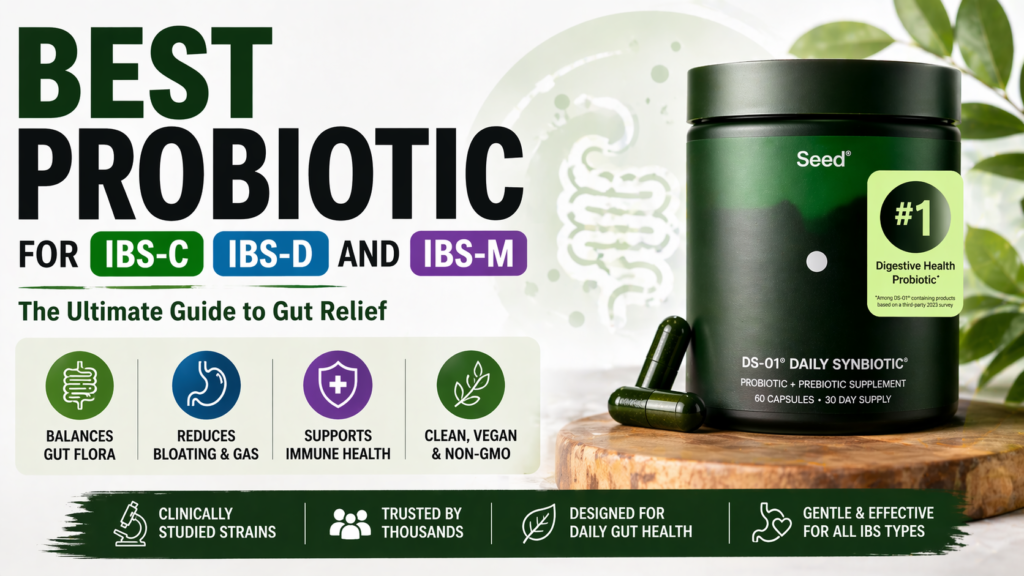
IBS (Irritable Bowel Syndrome) affects an estimated 10–15% of the population. It’s characterized by chronic abdominal pain, bloating, and altered bowel habits — either constipation dominant (IBS-C), diarrhea dominant (IBS-D), or mixed (IBS-M). The underlying causes are complex and not fully understood, but gut microbiome disruption and impaired digestive function are consistently implicated. Choosing the right probiotic for your specific IBS type and understanding what the research shows about digestive enzymes for IBS are both important starting points for management.
Post-antibiotic gut disruption is extremely common and frequently underestimated in its severity and duration. Antibiotics save lives — but they also indiscriminately kill beneficial gut bacteria alongside the harmful ones causing your infection. The microbiome disruption from a single antibiotic course can persist for months. Restoring your gut bacteria after antibiotics requires a deliberate, specific approach — not just waiting and hoping things normalize on their own.
Acid reflux and GERD affect a huge proportion of adults and are among the most commonly mismanaged digestive conditions. The standard treatment — acid-suppressing medications — addresses the symptom without touching the underlying cause, and long-term use creates its own set of gut health problems by dramatically altering the pH environment your gut bacteria rely on. Understanding the actual causes of acid reflux and addressing them directly is a more sustainable approach than indefinite acid suppression.
Hiatal hernia is a structural issue — part of the stomach pushes up through the diaphragm — that significantly affects digestive comfort and acid reflux symptoms. Dietary management of hiatal hernia is one of the most effective tools for reducing symptoms without surgical intervention.
Constipation is one of the most common digestive complaints worldwide — and one of the most undertreated. Most people reach for laxatives without addressing the underlying causes: low fiber intake, dehydration, disrupted microbiome, slow motility, and in some cases thyroid dysfunction. Understanding how constipation creates symptoms beyond your gut — including back pain — puts the scope of the problem in perspective.
Building Your Gut Health Protocol — A Practical Starting Point
Everything in this guide is useful — but useful information without a clear starting point is just noise. Here’s the simplest, most effective protocol for rebuilding gut health, organized by timeline.
Day 1 — Start digestive enzymes with every meal. Take a comprehensive digestive enzyme supplement like Zenwise at the beginning of every main meal. You’re giving your digestive system immediate support and reducing the amount of undigested food reaching your colon. Many people notice reduced post-meal bloating within the first few days. 👉 Zenwise on Amazon
Day 1 — Start a quality synbiotic daily. Begin Seed DS-01 or a comparable multi-strain synbiotic at the same time. The bacterial rebalancing work starts immediately even though you won’t feel meaningful results for 2–4 weeks. The sooner you start, the sooner the long game begins. 👉 Seed DS-01 on Amazon
Week 1 — Identify your biggest dietary triggers. Pay attention to which meals cause the most symptoms. This points toward your most significant food sensitivities and helps you make targeted reductions without unnecessarily eliminating every food on a general list.
Week 2 — Add more fiber deliberately. Add one or two additional servings of fiber-rich food per day. Don’t go from very low fiber to very high fiber overnight — that causes its own temporary bloating. Build gradually and let your gut bacteria adapt.
Week 3–4 — Evaluate and adjust. By now the enzymes have been working for several weeks and the probiotic is beginning to produce noticeable effects for most people. Bloating after meals should be reduced. Irregularity should be improving. Adjust which meals you take enzymes with based on what you’ve learned about your triggers.
Month 2–3 — The long game pays off. This is where the probiotic work compounds. The microbiome is shifting in deeper ways — immune function improving, energy levels more consistent, skin clearer for some people, mood more stable. The improvements from month two and three are often more significant than those in the first few weeks.
Ongoing — Maintain the foundation. The goal isn’t to fix your gut and then go back to the habits that disrupted it. The goal is to build a sustainable daily practice — enzymes with meals, probiotic daily, adequate fiber, fermented foods regularly, stress managed, alcohol moderated, sleep prioritized. Your gut is a living ecosystem that requires ongoing support, not a one-time repair job.
The Gut-Body Connection — Why This Goes Beyond Digestion
Everything in this guide so far has focused on digestive symptoms — bloating, gas, irregularity, discomfort. But the reason gut health has become one of the most researched areas in medicine isn’t because of digestion. It’s because of how profoundly the gut affects everything else.
Your immune system. The majority of your immune tissue surrounds your gut. The bacteria in your microbiome actively train and regulate your immune cells — determining the difference between an appropriate immune response and a chronic inflammatory one. A disrupted microbiome means a dysregulated immune system. That shows up as more frequent illness, slower recovery, autoimmune tendencies, and chronic low-grade inflammation throughout your body.
Your mental health. The gut-brain axis — the bidirectional communication network between your digestive system and your brain — is one of the most active research areas in neuroscience right now. Your gut bacteria produce neurotransmitters including a significant portion of your body’s serotonin. They communicate with your brain through the vagus nerve. The state of your microbiome measurably affects your mood, anxiety levels, stress response, and cognitive clarity. If your gut is in poor shape, your mental health pays a price that no amount of therapy or medication can fully compensate for.
Your skin. The gut-skin axis is well established in research and consistently underappreciated in clinical practice. Gut inflammation and microbiome disruption are associated with acne, eczema, rosacea, and psoriasis. How your gut health directly influences skin conditions is one of the more compelling arguments for taking digestive health seriously even when your skin problem feels completely unrelated to your stomach.
Your energy and metabolism. Your gut bacteria affect how efficiently you extract energy from food, how your hormones that regulate hunger and satiety function, and how your mitochondria operate. A healthy microbiome supports consistent energy throughout the day. A disrupted one contributes to the post-meal crashes, chronic fatigue, and metabolic sluggishness that make daily life harder than it needs to be.
Frequently Asked Questions
How long does it take to improve gut health?
With the right approach — digestive enzymes, quality probiotic, dietary improvements — most people notice meaningful improvement in digestive symptoms within 2–4 weeks. Deeper microbiome changes and systemic benefits like better immunity, clearer skin, and improved energy take 60–90 days of consistent daily support. The honest timeline for probiotic results is longer than most people expect — which is why consistency is the most important variable.
What are the most important supplements for gut health?
For most people, the two highest-impact supplements are a comprehensive digestive enzyme for meal-by-meal support and a quality multi-strain synbiotic for long-term microbiome rebalancing. Zenwise Digestive Enzymes and Seed DS-01 are our top recommendations in each category respectively.
What’s the difference between a probiotic and a synbiotic?
A probiotic contains live beneficial bacteria. A synbiotic combines those bacteria with prebiotic fiber that feeds them — resulting in significantly better bacterial survival and colonization. The full breakdown of probiotic vs synbiotic explains exactly why the distinction matters and when each makes sense.
Can gut health affect mental health?
Yes — and significantly. The gut-brain axis is a well-established physiological connection. Your gut bacteria produce neurotransmitters, communicate with your brain through the vagus nerve, and regulate inflammation that affects brain function. Improving gut health frequently produces noticeable improvements in mood, anxiety, and cognitive clarity alongside the digestive benefits.
How do I know if I need digestive enzymes or a probiotic?
If your symptoms are primarily meal-triggered — bloating and discomfort specifically after eating — enzyme deficiency is likely the primary issue. If your symptoms are constant regardless of what you eat, bacterial imbalance is more likely the main driver. Most people with chronic gut issues benefit from both. The full comparison of digestive enzymes vs probiotics gives you a clear framework for deciding.
What foods are worst for gut health?
Ultra-processed foods, high-sugar foods, artificial sweeteners (which disrupt the microbiome), and excess alcohol consistently show the most negative impact on gut bacteria diversity and intestinal health. Reducing these while increasing fiber-rich whole foods and fermented foods produces the most meaningful dietary improvement in gut health.
Is bloating after every meal a sign of a serious condition?
In most cases, no — it’s a sign of enzyme deficiency, bacterial imbalance, FODMAP sensitivity, or a combination of all three, all of which are addressable. However, if bloating is accompanied by unexplained weight loss, blood in the stool, severe pain, or is getting progressively worse over several weeks, medical evaluation is warranted to rule out more serious conditions.
Can gut health affect weight loss?
Yes. Your gut bacteria influence how calories are extracted from food, how hormones that regulate appetite function, and how efficiently your metabolism operates. People with less diverse microbiomes consistently show more difficulty with weight management. Improving gut health is one of the legitimate, evidence-backed approaches to supporting a healthy weight alongside diet and exercise.
The Bottom Line: Your Gut Health Is Your Health
The research on the gut microbiome has moved so fast in the past decade that what we now know about the connection between gut health and whole-body wellbeing would have seemed fringe science twenty years ago. It’s not fringe anymore. It’s mainstream medicine catching up to what the data has been showing for years.
Your gut health determines more about how you feel every day — your energy, your immune resilience, your skin, your mood, your cognitive clarity — than most people ever realize. The chronic bloating, the irregular digestion, the fatigue after meals, the skin that won’t clear up, the immune system that can’t keep up — these aren’t separate problems. They’re often the same problem expressing in different places.
Fix the gut. Fix the foundation.
Start with the two highest-leverage interventions — digestive enzymes for immediate support and a quality synbiotic for long-term microbiome repair — and build the rest of the protocol around them. Give it 90 days of genuine consistency. Most people who do are genuinely surprised by how much better they feel across the board.
👉 Try Zenwise Digestive Enzymes on Amazon — our top pick for immediate digestive support.
👉 Try Seed DS-01 on Amazon — our top pick for long-term microbiome repair.
Continue exploring on TummyCure:
- Zenwise Digestive Enzymes — Full Review
- Seed DS-01 — Full Probiotic Review
- Why Am I Bloated After Every Meal?
- 8 Signs Your Gut Desperately Needs a Probiotic
- 8 Signs Your Body Needs Digestive Enzymes
- Digestive Enzymes vs Probiotics — Do You Need Both?
- Probiotic vs Synbiotic — What’s the Difference?
- Best Probiotic for Bloating
- Best Probiotic for IBS
- Best Digestive Enzymes for Bloating
- Do Digestive Enzymes Help IBS?
- How Long Do Probiotics Take to Work?
- How to Restore Gut Bacteria After Antibiotics
- 7 Signs Your Gut Health Is Affecting Your Skin
- Is Your Gut Sabotaging Your Mental Health?
- 10 Fermented Foods That Changed My Digestion
About the Author
Rachel Donnelly is a certified nutritional health coach and gut health writer who spent years struggling with IBS and bloating before making digestive wellness her specialty. She writes for TummyCure with one goal: cut through the noise and tell you what actually works. When she’s not deep in microbiome research, she’s fermenting things in her kitchen and losing arguments with her husband about whether kombucha counts as a dessert.
As an Amazon Associate we earn from qualifying purchases through some links in our articles.