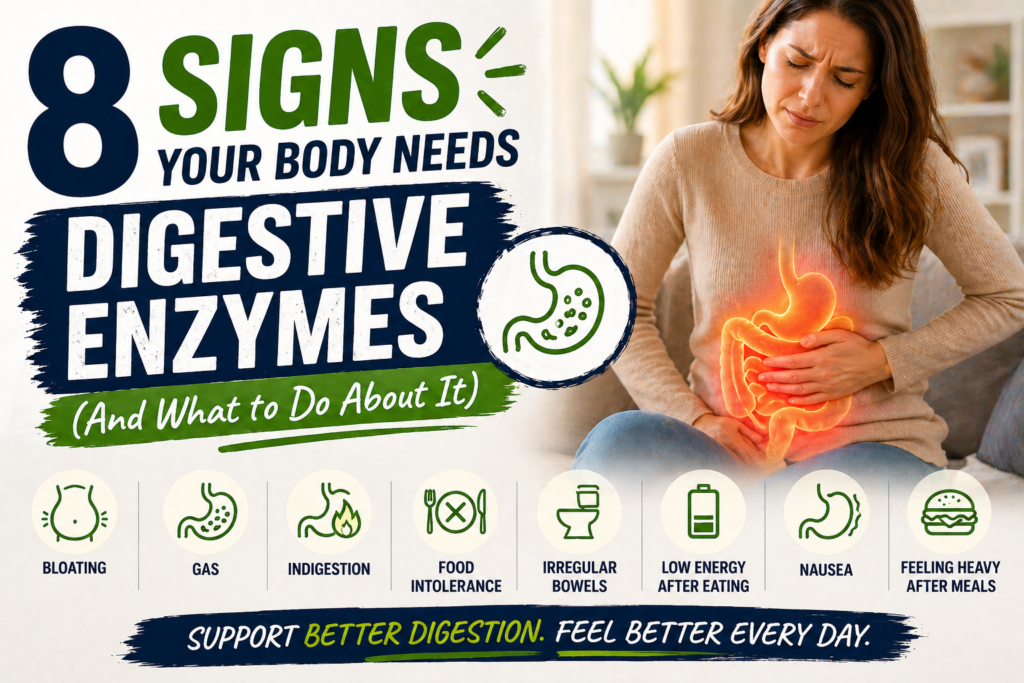
Bloating after meals, food sensitivities, post-meal fatigue — these aren’t random. Here are 8 signs your body needs digestive enzyme support and what actually helps.
Your Body Has Been Telling You — Most People Just Don’t Recognize the Signs
Bloating after meals. That heavy, sluggish feeling an hour after eating. Gas that shows up like clockwork. Feeling tired and foggy after lunch when you should have energy. Most people chalk these things up to eating too much, getting older, or just how their body works.
But a lot of the time — more often than most people realize — these are signs that your body isn’t producing enough digestive enzymes to properly break down what you eat.
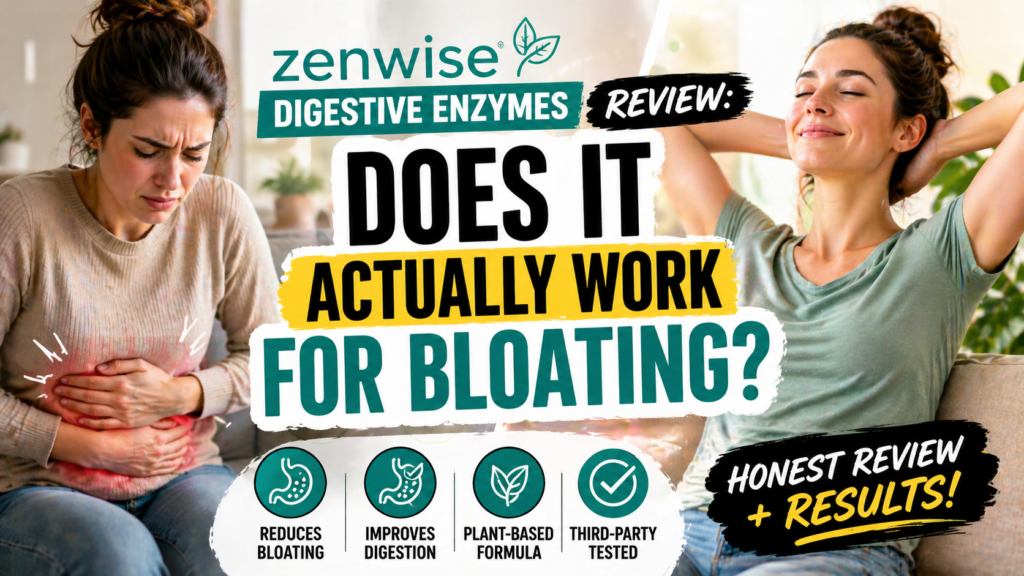
The good news is this is one of the most fixable digestive problems there is. A quality digestive enzyme supplement like Zenwise Health Digestive Enzymes can make a noticeable difference within days — not months. 👉 Check the current price on Amazon here.
But first — let’s talk about whether you actually need them. Here are the most telling signs your digestive enzyme production is letting you down.

Sign #1: You Bloat After Almost Every Meal
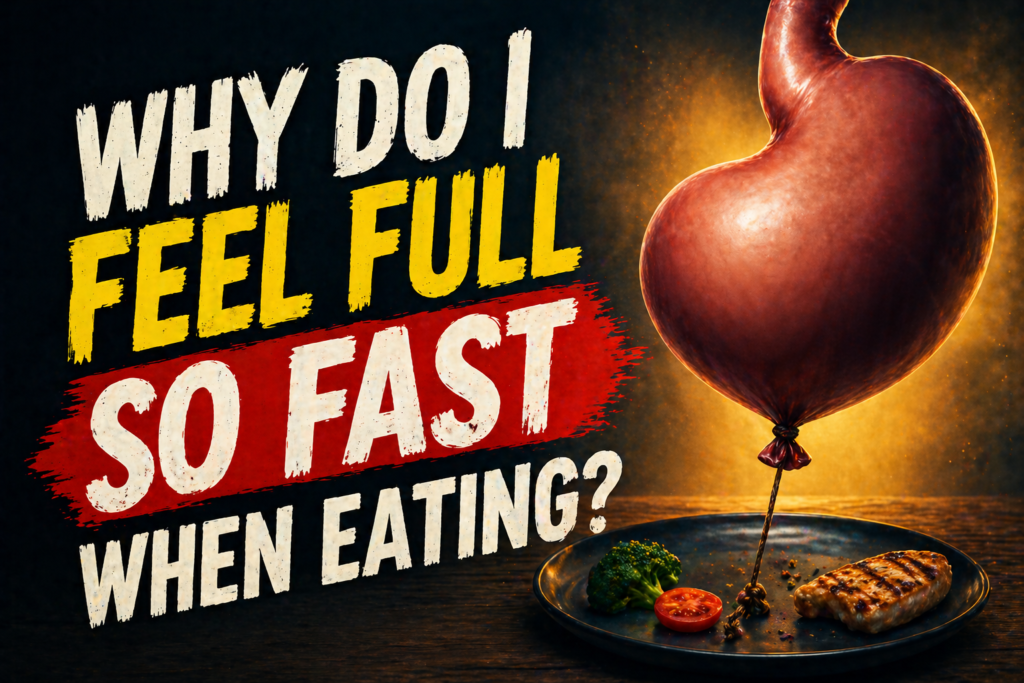
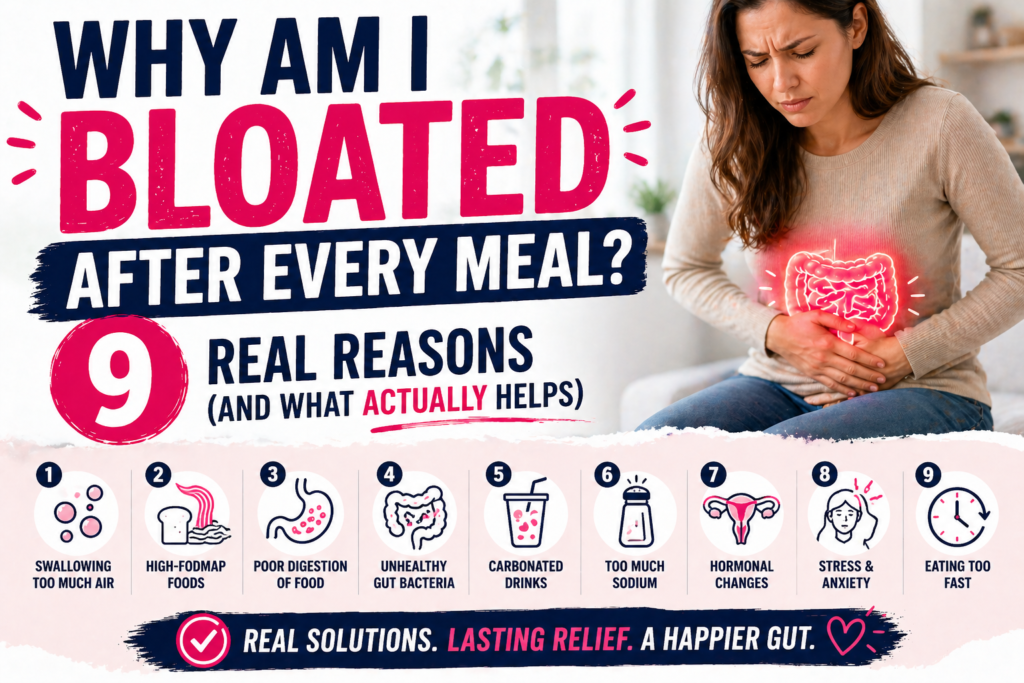
This is the most common and most obvious sign. If you finish eating and within 30–60 minutes you’re uncomfortable, distended, and your clothes feel tighter than they did before you sat down — that’s not normal digestion. That’s fermentation.
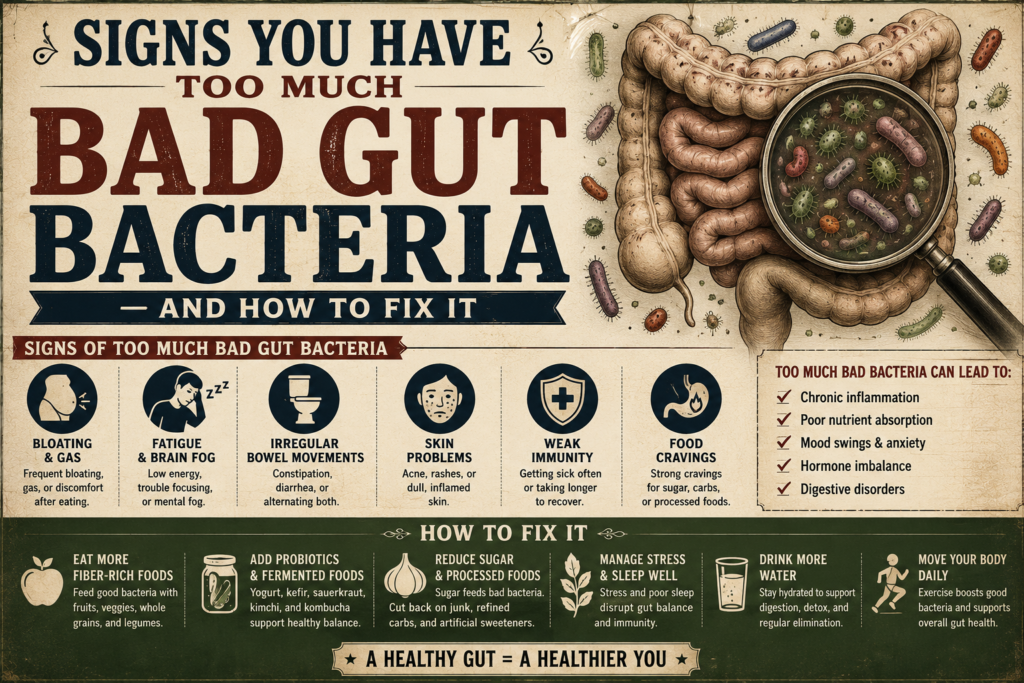
When food isn’t broken down properly by enzymes in your stomach and small intestine, it arrives in your large intestine in a partially digested state. The bacteria living there ferment it. That fermentation produces gas. Gas causes bloating, pressure, and the physical discomfort that makes you want to unbutton your pants after lunch.
More amylase breaks down carbs before they ferment. More lipase handles fats. More protease handles proteins. When enzyme levels are adequate, far less undigested food reaches the bacteria — and far less gas gets produced.
If post-meal bloating is a daily reality for you, enzyme deficiency is one of the most likely culprits and one of the most straightforward to address.
Sign #2: Certain Foods Consistently Cause You Problems
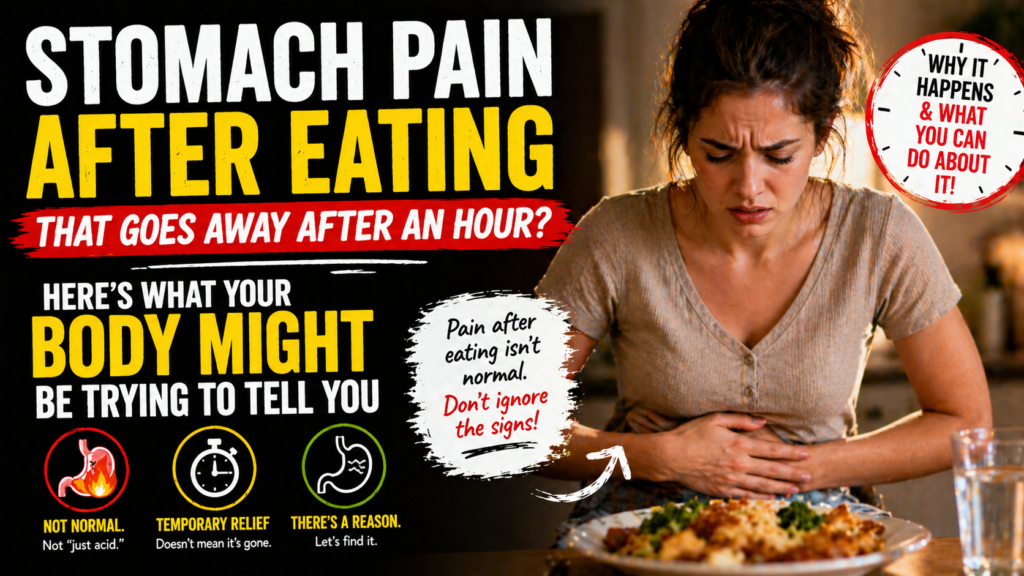
Do you know exactly which foods are going to wreck you before you even eat them? Dairy sends you running to the bathroom. A big pasta dinner leaves you bloated for hours. Fatty meals make you sluggish and uncomfortable. Beans are basically off the table.
Each of these points to a specific enzyme deficiency. Dairy sensitivity is often lactase deficiency — your body doesn’t produce enough lactase to break down lactose. Carb-heavy meal bloating points to low amylase. Fat intolerance suggests low lipase. Bean and legume problems often come down to alpha-galactosidase — the enzyme that handles the complex sugars in those foods.
A broad multi-enzyme supplement covers all of these simultaneously. Instead of eliminating every trigger food from your diet, you give your body the enzymatic support it needs to handle them properly.
Sign #3: You Feel Tired and Foggy After Eating
Post-meal energy crashes are often dismissed as normal — especially after larger meals. But the kind of significant fatigue and brain fog that hits 30–60 minutes after eating is frequently a sign of poor digestion.
Here’s why: when food isn’t broken down properly, your body can’t absorb the nutrients it contains efficiently. You might be eating a nutritious meal but actually absorbing far less of the vitamins, minerals, and energy it contains than you should be. Your body also has to work harder during inefficient digestion — diverting more blood flow and resources to your gut, which contributes to that tired, foggy feeling.
Better enzymatic breakdown means better nutrient absorption. Better absorption means more energy from the food you eat rather than fighting through a digestion process that’s working against you.

Sign #4: You’re Over 40 and Your Digestion Has Quietly Gotten Worse
This one catches people off guard. Enzyme production naturally declines with age — it’s not something that happens dramatically overnight, but a gradual reduction that means your digestion at 45 is meaningfully less efficient than it was at 25.
If you’ve noticed over the years that you can’t eat the same things you used to without consequences — that dairy bothers you now when it didn’t before, that heavy meals hit harder than they used to, that you’re more bloated more often — age-related enzyme decline is very likely a significant factor.
Supplementing with digestive enzymes after 40 is one of the most straightforward ways to compensate for that natural decline and keep your digestion running the way it used to.
Sign #5: You Have IBS, SIBO, or Chronic Gut Issues
Research has consistently shown that people with IBS, SIBO, and related conditions often have measurably impaired digestive enzyme function compared to healthy controls. It’s not just about bad bacteria or a sensitive gut — the digestive process itself is frequently compromised.
For people with these conditions, enzyme supplementation is particularly valuable because it addresses one of the root mechanisms driving symptoms. Less undigested food reaching the colon means less bacterial fermentation, less gas, less bloating, and less of the downstream cramping and irregularity that makes IBS so exhausting to live with.
Pairing enzymes with a quality probiotic like Seed DS-01 covers both sides of the IBS equation — better food breakdown from enzymes, better bacterial balance from the probiotic.
Sign #6: You Recently Finished a Course of Antibiotics
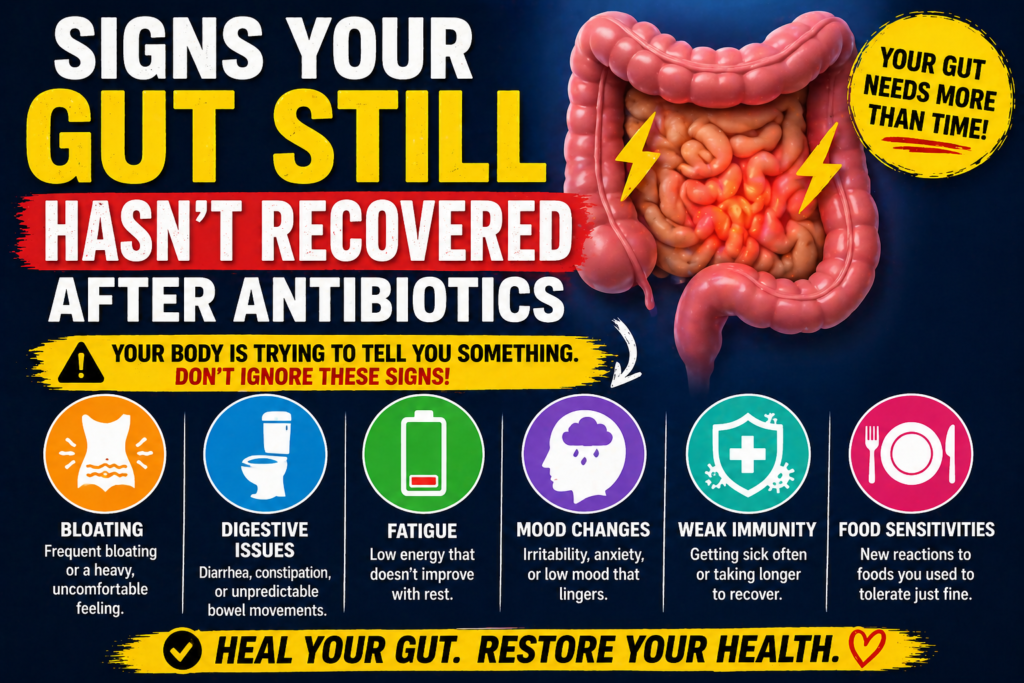
Antibiotics are necessary medicine — but they’re hard on your digestive system. They don’t just kill the bacteria causing your infection. They disrupt your entire gut microbiome, and the fallout can affect your digestive function in ways that take weeks or months to fully recover from.
Post-antibiotic digestive disruption is extremely common — bloating, irregularity, increased food sensitivities, and general gut discomfort that wasn’t there before. Digestive enzymes help bridge the gap while your gut recovers, giving your digestion external support while your microbiome rebuilds.
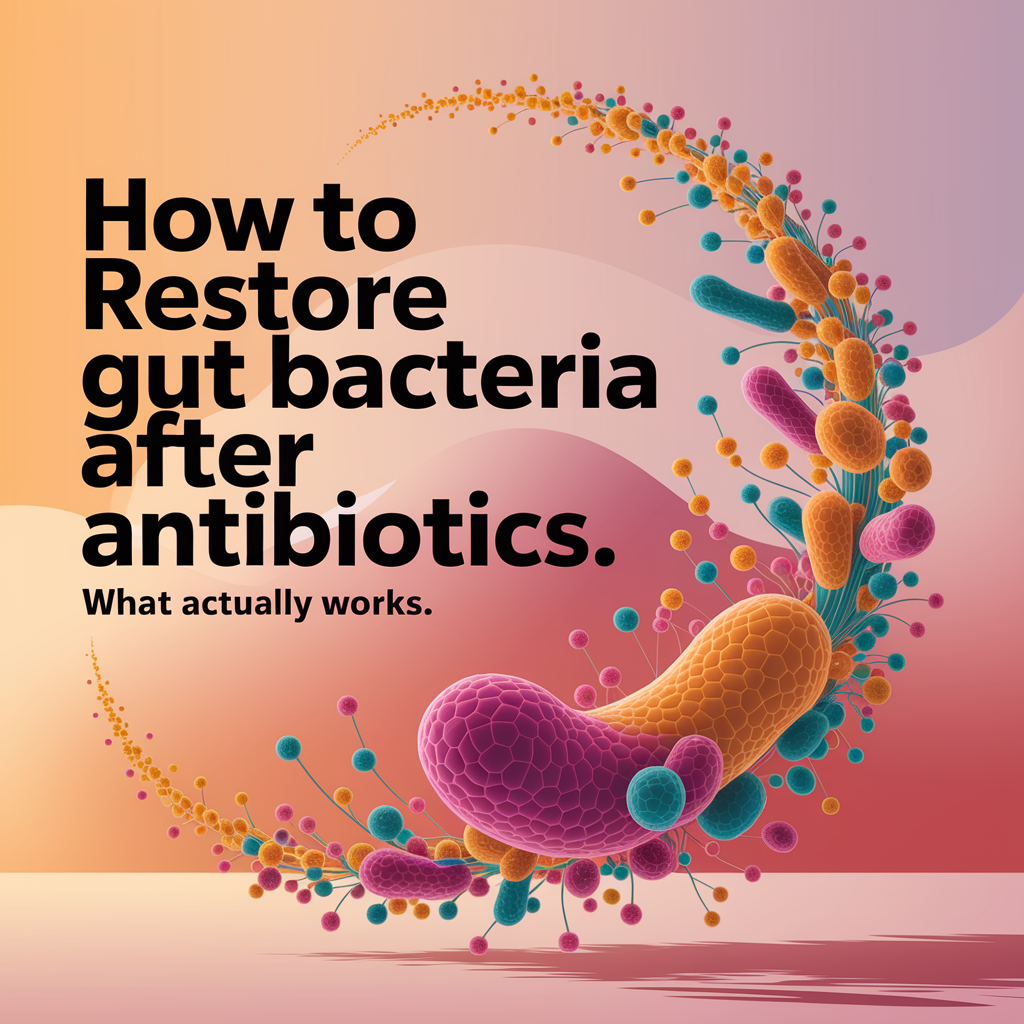
Combined with a probiotic to actively restore your gut bacteria, enzymes are a key part of the post-antibiotic recovery toolkit. More on that here: How to Restore Gut Bacteria After Antibiotics.
Sign #7: You Notice Undigested Food in Your Stool
This one is the most direct evidence of all. If you regularly see undigested food particles in your stool — recognizable pieces of vegetables, seeds, or other food — your digestive system is quite literally not breaking down what you eat before it passes through.
Some foods, like certain seeds and plant fibers, are naturally resistant to full digestion — that’s normal. But if you’re regularly seeing clearly recognizable food that should have been digested, low enzyme production is the most likely explanation. It’s your gut giving you unambiguous feedback that the breakdown process isn’t working the way it should.

Sign #8: You Have Frequent Gas That Feels Excessive
Everyone produces gas — that’s completely normal. But excessive, frequent, or particularly foul-smelling gas beyond what seems reasonable is a sign that too much undigested material is reaching your colon and feeding the wrong bacteria.
The odor and volume of gas is directly related to what’s being fermented in your large intestine. More undigested carbs and proteins reaching the bacteria means more fermentation, more gas volume, and in the case of protein fermentation specifically, more unpleasant-smelling gas. Better enzymatic breakdown upstream significantly reduces what’s available for bacterial fermentation downstream.
Which Digestive Enzyme Supplement Should You Take?
If several of these signs describe your daily experience, a high-quality digestive enzyme supplement is worth trying before anything more complicated or expensive.
Our top recommendation is Zenwise Health Digestive Enzymes. It’s a comprehensive multi-enzyme blend covering amylase, protease, lipase, lactase, bromelain, and papain — plus DE111 probiotic and inulin prebiotic built in. It’s vegetarian, 100 capsules per bottle, and one of the most complete enzyme supplements available at its price point.
We tested it for 60 days and documented everything: Zenwise Digestive Enzymes Review — Does It Actually Work?
👉 Check the current price of Zenwise on Amazon
How to Take Digestive Enzymes for Best Results
The most important rule is simple: take them at the start of your meal — not before, not after, but right as you begin eating. Enzymes need to be present in your stomach when food arrives. Taking them too early or too late reduces how effectively they can do their job.
Start with one capsule before your largest meal of the day. Once you’re comfortable with how your body responds — usually after the first week — move to taking one capsule before every main meal. Consistency is what builds lasting results. A probiotic taken daily alongside your enzymes gives you the most comprehensive gut support possible.
Frequently Asked Questions
How do I know if I need digestive enzymes?
The most common signs are regular post-meal bloating, gas, heaviness after eating, fatigue after meals, food sensitivities (especially to dairy, carbs, or fatty foods), and being over 40 with worsening digestion. If several of these apply to you, enzyme supplementation is worth trying.
How quickly do digestive enzymes work?
Many people notice reduced post-meal bloating and heaviness within the first few days. Give it two full weeks of consistent use before evaluating whether it’s making a difference for you.
Are digestive enzymes safe to take long term?
Yes. Unlike some supplements, digestive enzymes don’t reduce your body’s natural production — they simply supplement it. Daily long-term use is considered safe for most healthy adults.
Can digestive enzymes help with lactose intolerance?
Yes — this is one of the clearest use cases. If dairy triggers your symptoms, look for a formula that includes lactase specifically. Zenwise includes lactase alongside its broader enzyme blend.
Should I take digestive enzymes with a probiotic?
Yes — they work on different parts of the problem and complement each other well. Enzymes handle food breakdown now. Probiotics rebuild your gut bacteria over time. Together they’re more effective than either alone. Our top probiotic recommendation is Seed DS-01.
What foods cause the most problems when enzymes are low?
Dairy, high-carb meals, beans and legumes, fatty foods, and raw vegetables are the most common triggers for people with low enzyme production. These are also the categories that respond best to enzyme supplementation.
Your Gut Has Been Patient Enough
Digestive enzyme deficiency is one of the most common and most overlooked reasons people suffer through daily bloating, gas, food sensitivities, and post-meal fatigue. It’s also one of the most straightforward to address — and the relief, when it comes, is often faster and more noticeable than people expect.
If you recognized yourself in this list, don’t keep waiting to feel better. Give your digestion the support it’s been asking for.
👉 Try Zenwise Digestive Enzymes on Amazon — our top pick for daily digestive support.
More from TummyCure:
- Zenwise Digestive Enzymes — Full Review
- Best Digestive Enzymes for Bloating That Actually Work
- Digestive Enzymes vs Probiotics — What’s the Difference?
- Do Digestive Enzymes Help IBS?
- How to Restore Gut Bacteria After Antibiotics
- Seed DS-01 Review — Best Probiotic for Gut Health
About the Author
Rachel Donnelly is a certified nutritional health coach and gut health writer who spent years struggling with IBS and bloating before making digestive wellness her specialty. She writes for TummyCure with one goal: cut through the noise and tell you what actually works. When she’s not deep in microbiome research, she’s fermenting things in her kitchen and losing arguments with her husband about whether kombucha counts as a dessert.
As an Amazon Associate we earn from qualifying purchases through some links in our articles.