
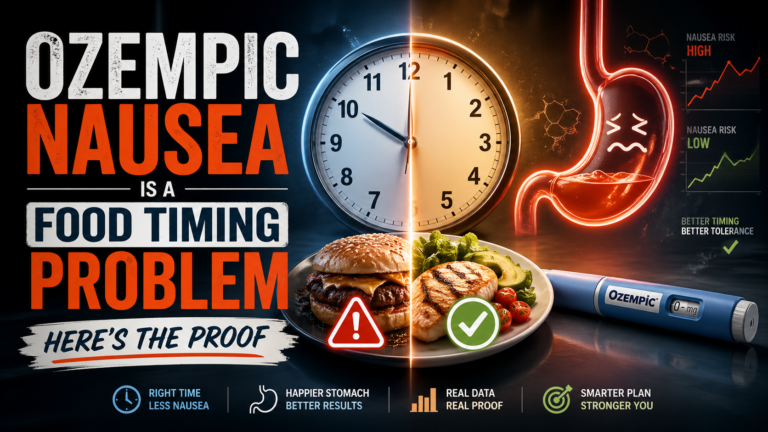
Ozempic Nausea Is a Food Timing Problem — Here’s the Proof
Most Ozempic nausea isn’t about what you eat — it’s about when and how much. Here’s the food timing strategy that makes GLP-1 nausea manageable.
Most Ozempic nausea isn’t about what you eat — it’s about when and how much. Here’s the food timing strategy that makes GLP-1 nausea manageable.

Stomach pain every morning before you even eat anything? Here are the 7 most common reasons — and what to do about each one.

If you’re doing everything right and still can’t lose weight, your gut microbiome may be the missing variable. Here’s the science behind how gut bacteria control weight — and what to do about it.

Feeling stuffed after just a few bites isn’t normal — it’s called early satiety and it has specific causes. Here’s what’s driving it and what actually helps.

If your gut was never the same after a course of antibiotics, it may not be a coincidence. Here’s the documented link between antibiotic use and IBS — and what actually reverses it.
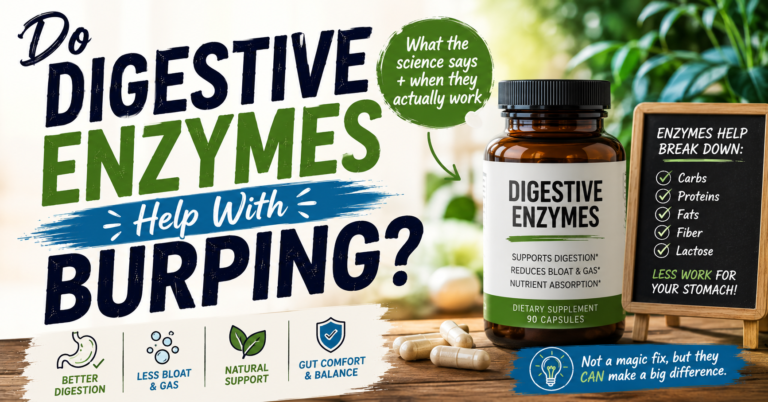
Can digestive enzymes help with burping? Learn when they may help, when they probably won’t, and how to know if they’re right for you.
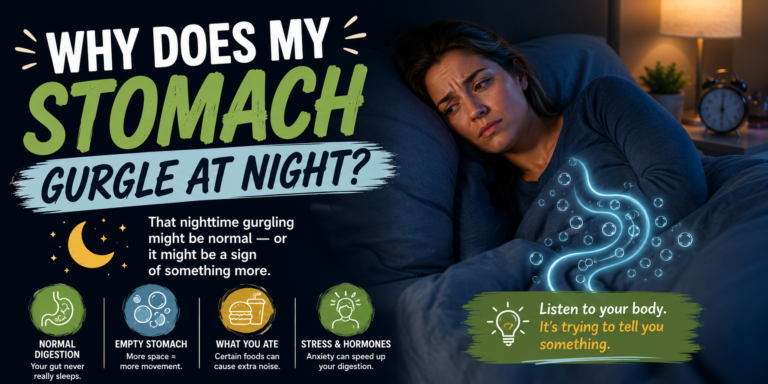
Does your stomach gurgle at night? Learn why it happens, what causes the noises, and when nighttime stomach sounds could signal a problem.
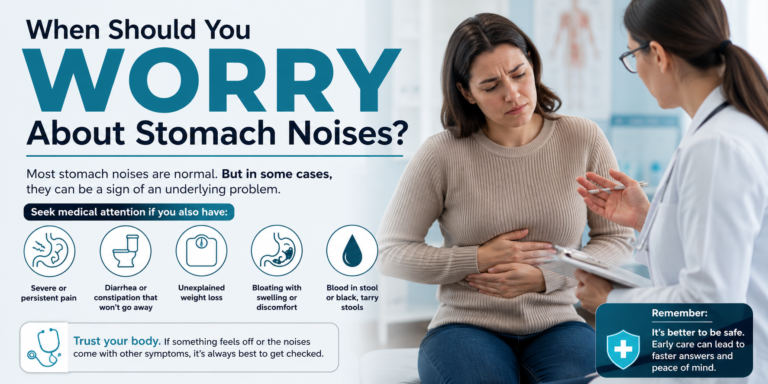
Most stomach noises are normal, but some can signal a digestive problem. Learn the warning signs and when it’s time to see a healthcare provider.

Laparoscopic hiatal hernia repair averages $5,000 to $10,000 in the United States, while uninsured costs can exceed $20,000. See how insurance, deductibles, facility fees, payment plans, and recovery expenses shape the final bill.
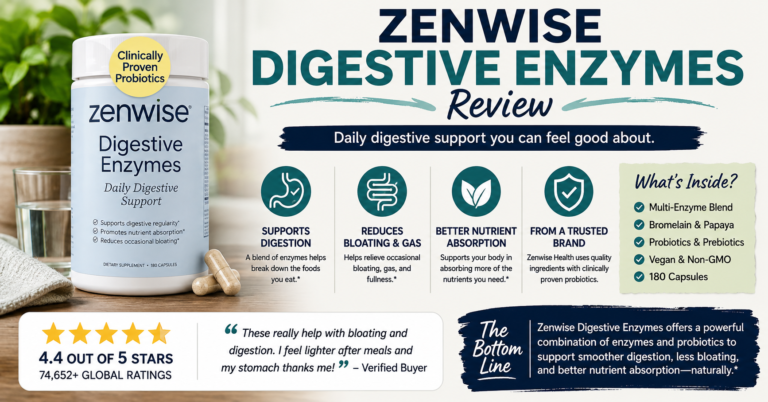
Thinking about Zenwise Digestive Enzymes? Here’s my review of the ingredients, benefits, who they may help, and whether they’re worth buying.