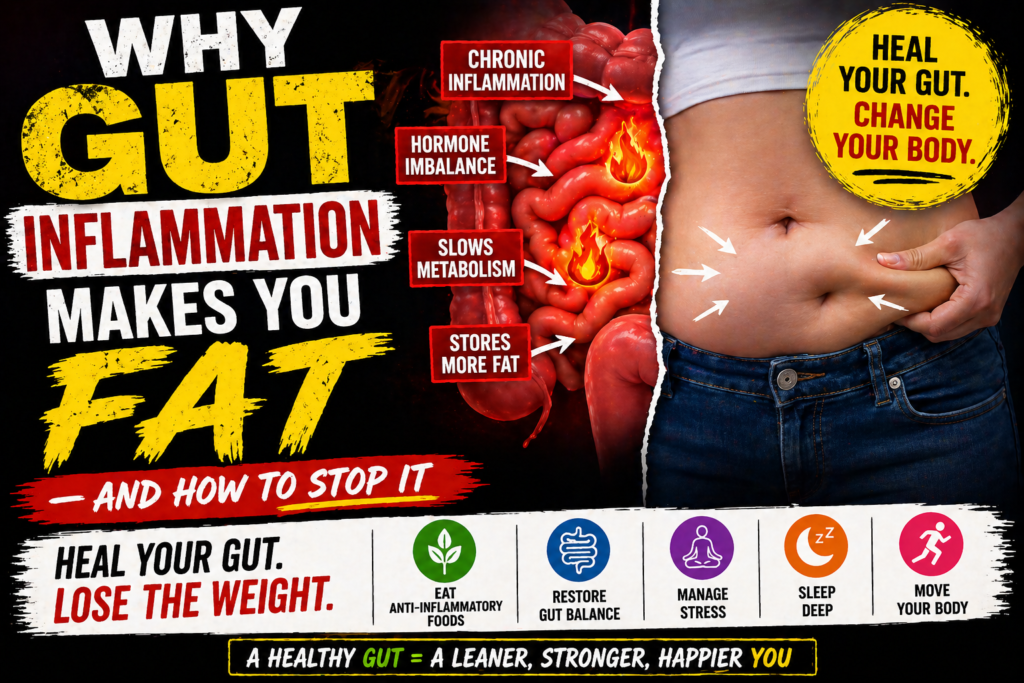
Chronic gut inflammation drives insulin resistance, leptin resistance, and abdominal fat storage — making weight loss harder regardless of effort. Here’s the science and what actually fixes it.
The Weight Problem Nobody Is Talking About Isn’t Calories — It’s Inflammation
Conventional weight loss advice operates almost entirely on the calories in, calories out framework. Eat less. Move more. Create a deficit. And while this framework isn’t wrong, it’s incomplete in a way that leaves millions of people frustrated — doing everything they’re supposed to do and still not getting the results the math says they should.
Chronic inflammation — particularly the low-grade systemic inflammation that originates in a disrupted gut — is increasingly recognized as one of the most significant but least addressed drivers of weight gain and weight loss resistance. It doesn’t replace the calorie equation. But it operates on that equation in ways that make the math harder for some people than for others — regardless of willpower, discipline, or effort.
Here’s exactly how gut inflammation drives fat storage, disrupts metabolism, and what you can do about it.
Address gut inflammation at the source
Seed DS-01 Daily Synbiotic — 24 clinically studied strains that reduce the dysbiotic bacterial activity driving gut-originated systemic inflammation. The foundation of any anti-inflammatory gut approach.


Where Gut Inflammation Comes From
The gut is home to more immune tissue than any other organ in the body — over 70% of your immune system surrounds your intestines. This makes evolutionary sense: the gut lining is the boundary between the external world and your internal bloodstream, and the immune system needs to be present in force to manage what crosses that boundary. The relationship between the gut microbiome and immune regulation is explored in gut immune system function.
In a healthy gut with a diverse, balanced microbiome, this immune system operates in a calibrated way — responding appropriately to genuine threats and tolerating the beneficial bacteria and food components that should be there. When the gut microbiome is disrupted — depleted of beneficial species, overrun with harmful ones — the immune system loses its calibration. It becomes chronically activated in ways it shouldn’t be, producing a state of low-grade systemic inflammation that circulates throughout the body.
Two specific mechanisms drive most gut-originated inflammation:
Lipopolysaccharide (LPS) translocation. LPS is a component of the cell walls of gram-negative bacteria — a large category of gut bacteria that includes many harmful species. When gut permeability increases — which it does when beneficial bacteria that maintain tight junctions are depleted — LPS crosses from the gut into the bloodstream. Circulating LPS triggers a profound immune response, activating inflammatory pathways throughout the body. This metabolic endotoxemia is consistently found at higher levels in overweight and obese individuals compared to lean controls — and in direct proportion to the degree of gut dysbiosis.
Reduced short-chain fatty acid production. Beneficial bacteria — particularly butyrate-producing species — produce short-chain fatty acids that actively suppress inflammation in the gut wall and systemically. When these species are depleted by poor diet, antibiotics, or chronic stress, SCFA production falls. Less butyrate means less suppression of the inflammatory pathways that harmful bacterial products activate. The result is the same systemic inflammation from a different direction — not more fire, but less water.
Understanding these two mechanisms explains why the foods that damage your gut lining are the same foods most strongly associated with obesity and metabolic dysfunction — they both cause gut inflammation and promote the dysbiosis that perpetuates it.

How Inflammation Drives Fat Storage and Weight Gain
Chronic inflammation doesn’t just make you feel unwell. It actively interferes with the metabolic processes that regulate body weight through several specific mechanisms.
Insulin Resistance — The Central Mechanism
Inflammatory cytokines — particularly TNF-alpha and IL-6, which are produced in response to LPS and other bacterial inflammatory signals — directly impair insulin signaling at the cellular level. They interfere with the insulin receptor signaling cascade, making cells less responsive to insulin’s signal to take up glucose from the bloodstream.
The practical consequence is that your pancreas has to produce more and more insulin to achieve the same glucose clearance. High circulating insulin is the primary hormonal driver of fat storage — insulin signals fat cells to store energy and actively inhibits fat mobilization. Chronically elevated insulin from inflammation-driven insulin resistance means your metabolism is running in a fat-storage mode regardless of what you’re eating.
This is the central mechanism through which gut inflammation makes weight loss harder — it keeps insulin elevated, keeps fat-storage signals active, and makes it harder for your body to access stored fat for energy even during caloric restriction. The person who eats a caloric deficit and doesn’t lose weight as expected often has this mechanism running in the background.
Leptin Resistance — When Your Brain Stops Hearing You’re Full
Leptin is the hormone produced by fat cells that signals to your brain that you have adequate energy stores and don’t need to eat more. It’s your body’s primary long-term appetite regulation hormone — and chronic inflammation disrupts it significantly.
Inflammatory cytokines produce leptin resistance — a state where your brain stops responding appropriately to leptin’s satiety signals even when leptin levels are high. Overweight individuals typically have very high leptin levels — their fat cells are producing plenty of it — but their brains have become resistant to it. The result is persistent hunger signals despite adequate or excess body fat stores.
This is a biological, not psychological, explanation for why some people feel genuinely, constantly hungry regardless of how much they eat. The hunger is real. The hormonal mechanism driving it is inflammation-mediated leptin resistance — and it doesn’t respond to willpower because it’s not a willpower problem.
Cortisol Amplification
Chronic inflammation activates the HPA axis — the hormonal system that produces cortisol. Elevated cortisol from chronic inflammatory activation promotes visceral abdominal fat storage specifically — the type most strongly associated with metabolic dysfunction and cardiovascular risk. Cortisol also increases appetite, particularly for high-calorie, high-sugar foods — another mechanism through which gut inflammation drives both overeating and preferential abdominal fat deposition.
This cortisol-inflammation-abdominal fat cycle is particularly vicious because abdominal fat is itself inflammatory — it produces cytokines that feed back into the inflammatory state, perpetuating the cycle. Breaking it requires addressing the gut inflammation at the source rather than just trying to exercise the abdominal fat away.
Impaired Thermogenesis
Thermogenesis — your body’s production of heat from burning calories — is one of the variables that determines your actual metabolic rate beyond the baseline you can calculate from height, weight, and age. Specific gut bacterial species, particularly those producing butyrate, activate brown adipose tissue — the type of fat that burns calories to generate heat rather than storing them. When these butyrate-producing species are depleted and inflammation is elevated, thermogenic activity decreases — meaning fewer calories burned at rest from the same body mass.
The Foods That Drive Gut Inflammation and Weight Gain
The dietary drivers of gut inflammation are largely the same as the dietary drivers of weight gain — which is not coincidental. They’re connected through the same mechanisms.
Ultra-processed foods are the primary driver on both fronts. They feed harmful LPS-producing bacteria, starve butyrate-producing beneficial species of fiber, contain emulsifiers that directly increase gut permeability, and provide the refined carbohydrates that drive blood sugar spikes and inflammatory cascades. Reducing ultra-processed food is the highest-impact dietary change for both gut inflammation and weight — and the two improve together.
Added sugar and refined carbohydrates promote dysbiosis by feeding Firmicutes and harmful species while providing the insulin spikes that, over time, drive insulin resistance. The inflammatory and metabolic damage from excess sugar operates through and alongside the gut microbiome changes it produces.
Industrial seed oils — particularly when oxidized through high-heat cooking — promote gut inflammation directly through their effects on the gut lining and systemic inflammatory pathways. Replacing them with olive oil, avocado oil, and butter reduces one of the more overlooked dietary sources of gut-originated inflammation.
Alcohol increases gut permeability, disrupts the microbiome, and promotes LPS translocation into the bloodstream — all three of the primary gut inflammation mechanisms simultaneously. Even moderate regular alcohol consumption maintains a degree of gut inflammatory activation that impedes both gut health and weight management.


The Anti-Inflammatory Gut Approach to Weight Management
Addressing gut inflammation as part of a weight management strategy doesn’t replace calorie awareness or physical activity — but it removes the metabolic headwind that makes those approaches less effective for many people.
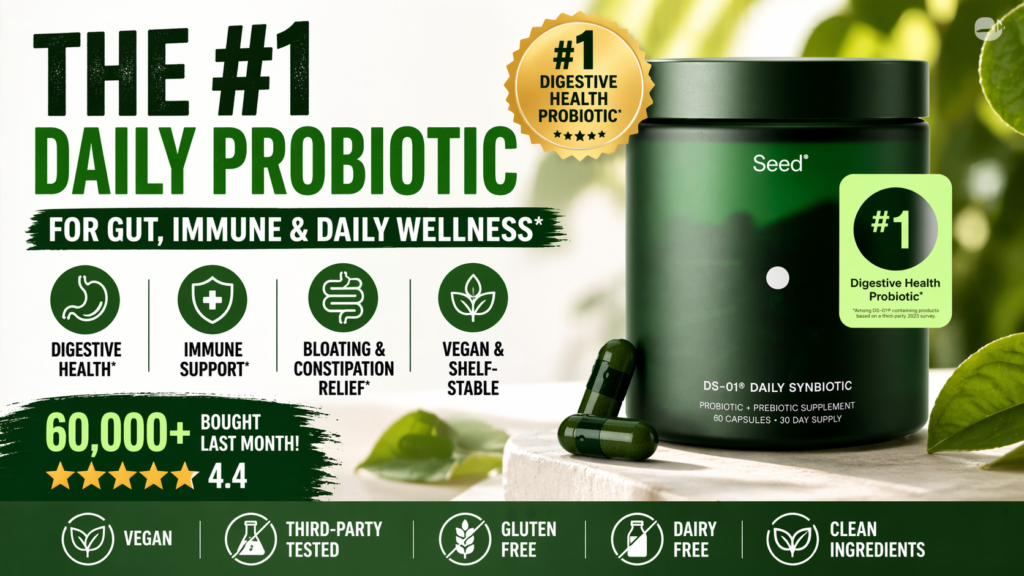
A quality synbiotic — the most important intervention. Rebalancing the gut microbiome toward beneficial, butyrate-producing, anti-inflammatory species reduces the dysbiotic bacterial activity driving LPS translocation and inflammatory cytokine production. Seed DS-01 is our top recommendation — 24 clinically studied strains with prebiotic included for consistent bacterial establishment. Give it 90 days for meaningful anti-inflammatory microbiome shifts.
Rebalance the bacteria driving gut inflammation
Seed DS-01 — 24 clinically studied strains including butyrate-supporting species that directly reduce the gut inflammatory activity associated with weight gain and metabolic dysfunction. 90 days of consistent daily use for meaningful microbiome shifts.
Curcumin — the most evidence-backed anti-inflammatory supplement. Curcumin’s NF-κB inhibition directly suppresses the inflammatory pathways that LPS and other bacterial products activate. Research specifically on curcumin supplementation in overweight subjects shows reductions in inflammatory markers, improvements in insulin sensitivity, and modest reductions in body weight and waist circumference. The anti-inflammatory effect amplifies the gut microbiome rebalancing work by reducing the inflammatory environment in which dysbiotic bacteria thrive.
Reduce the gut inflammation driving insulin resistance and fat storage
Turmeric Curcumin Gummies with Black Pepper — bioavailability-enhanced curcumin with ginger. Directly suppresses the inflammatory pathways that drive insulin resistance, leptin resistance, and abdominal fat storage. Sugar-free, vegan, daily.
Check the current price of Turmeric Curcumin Gummies on Amazon
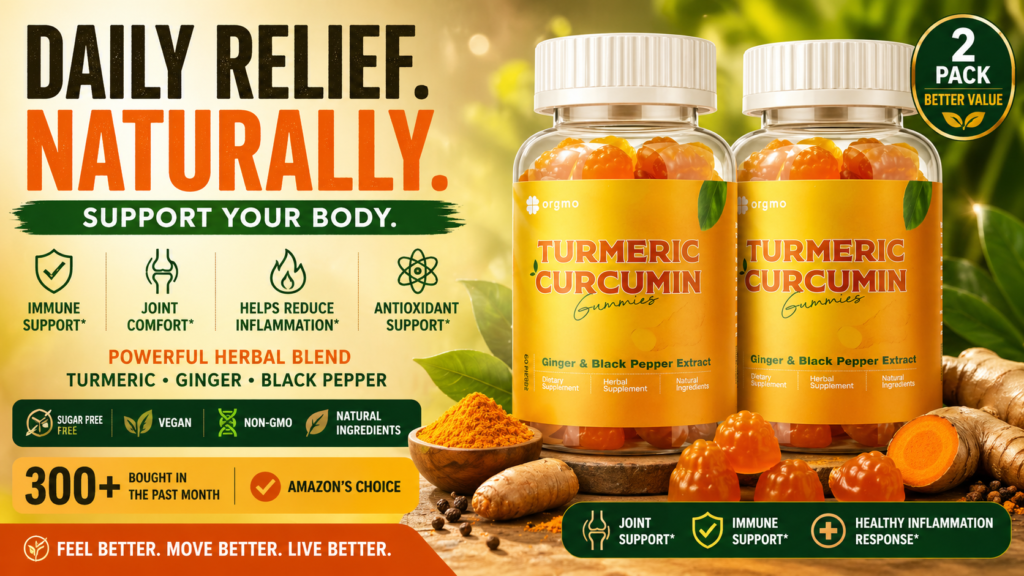
Read why curcumin is the anti-inflammatory missing piece in most gut health approaches: Turmeric Curcumin Gummies — The Anti-Inflammatory Missing Piece in Your Gut Health Stack
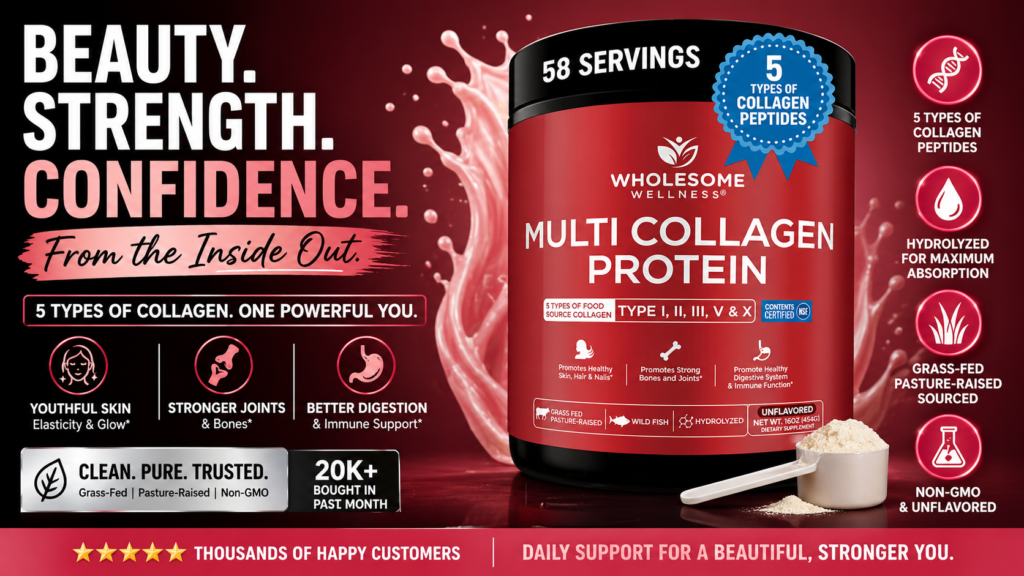
Gut lining repair — stopping the LPS leak. Reducing gut permeability is essential for cutting off the primary source of circulating inflammatory signals. Multi collagen peptides provide the structural proteins gut tight junctions use for repair. Why collagen matters for gut lining integrity — and how it connects to systemic inflammation reduction — makes this one of the highest-value additions to an anti-inflammatory weight management approach.
Omega-3 fatty acids. EPA and DHA from fatty fish directly suppress the inflammatory cytokines — TNF-alpha and IL-6 — that drive insulin resistance and leptin resistance. Three or more servings of fatty fish weekly, or a quality fish oil supplement, provides consistent anti-inflammatory support alongside the gut-specific interventions.
Diverse fiber from 30+ plant foods weekly. Fiber diversity feeds butyrate-producing species and increases overall microbiome diversity — both of which reduce the dysbiotic inflammatory bacterial activity driving metabolic dysfunction. The research consistently shows that plant food diversity is more important than total fiber quantity for microbiome anti-inflammatory outcomes.
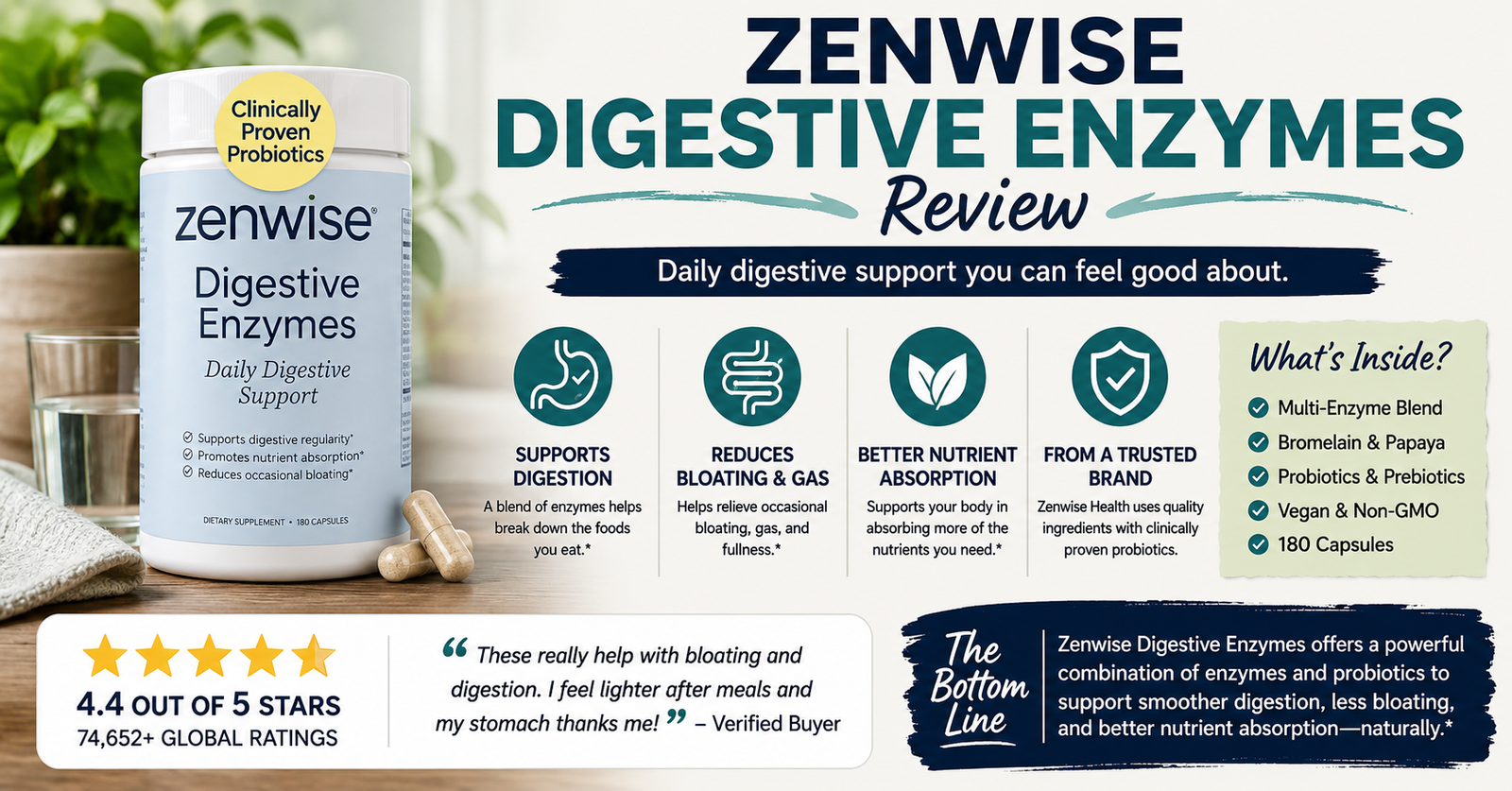
Digestive enzyme support. Ensuring complete food breakdown reduces the undigested food substrate that reaches dysbiotic bacteria — reducing their fermentation activity and the inflammatory byproducts that fermentation produces. Zenwise Digestive Enzymes with every meal provides this support consistently. Check the price on Amazon.
How Long Until Gut Inflammation Reduction Affects Weight
Anti-inflammatory gut interventions don’t produce immediate weight loss — they produce metabolic improvements that make weight loss more achievable over time.
Inflammatory markers — CRP, IL-6, TNF-alpha — begin improving within 4 to 8 weeks of consistent anti-inflammatory dietary and probiotic intervention. Insulin sensitivity improvements become measurable at 8 to 12 weeks. Leptin sensitivity improvements are slower — 12 to 16 weeks of sustained intervention before meaningful changes in hunger hormone signaling become apparent.
Scale-based weight changes attributable to inflammation reduction rather than caloric restriction appear over 3 to 6 months. The timeline is long but the changes are meaningful — and they’re changes to the underlying metabolic environment rather than temporary calorie deficit effects that reverse when the deficit ends.

The most complete picture of how gut health and weight loss interact across all the relevant mechanisms: Can’t Lose Weight? Your Gut Bacteria Might Be the Reason
Frequently Asked Questions
Can gut inflammation cause weight gain?
Yes — through specific, well-documented mechanisms including insulin resistance from inflammatory cytokines, leptin resistance reducing satiety signaling, cortisol elevation promoting abdominal fat storage, reduced thermogenesis from depleted butyrate-producing bacteria, and LPS-driven systemic inflammation impairing metabolic function broadly.
How do I know if gut inflammation is affecting my weight?
Signs suggesting gut inflammation is a factor in your weight management difficulty include: weight gain concentrated around the abdomen, persistent hunger despite adequate food intake, blood sugar irregularity, known gut microbiome issues or recent antibiotic use, high inflammatory markers on blood tests, and weight that is highly resistant to caloric restriction approaches that should mathematically produce more results.
What reduces gut inflammation fastest?
Eliminating the primary dietary drivers — ultra-processed food, excess sugar, alcohol — produces measurable reductions in gut inflammatory markers within 2 to 4 weeks. Curcumin supplementation shows effects on inflammatory markers within 4 to 8 weeks. Microbiome rebalancing through synbiotic supplementation produces its anti-inflammatory effects over 8 to 12 weeks of consistent use.
Is there an anti-inflammatory probiotic for weight loss?
Specific Bifidobacterium strains produce the most anti-inflammatory effects through butyrate production and immune regulation. A multi-strain synbiotic like Seed DS-01 that includes multiple Bifidobacterium strains alongside Lactobacillus strains provides the most comprehensive anti-inflammatory microbiome support. Read our full Seed DS-01 review here.
Does reducing gut inflammation help with belly fat specifically?
Yes — visceral abdominal fat is specifically associated with the insulin resistance and cortisol elevation that gut inflammation drives. Reducing gut-originated systemic inflammation reduces the hormonal environment that preferentially deposits fat in the abdomen. This is one of the reasons waist circumference reduction is one of the most consistent measurable outcomes in anti-inflammatory gut intervention research.
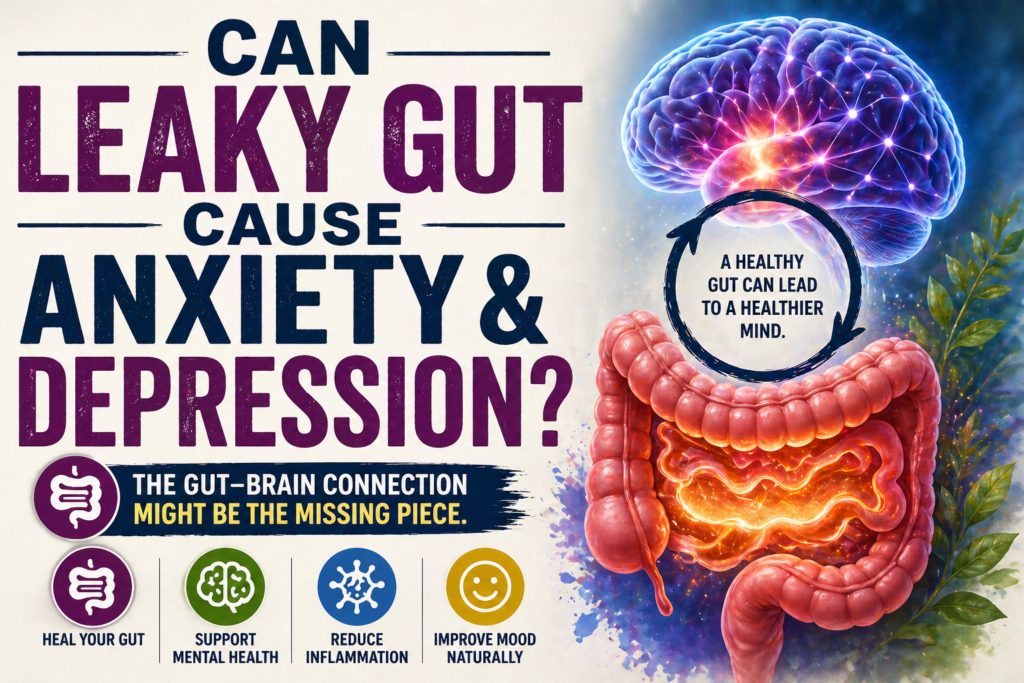
How does leaky gut cause weight gain?
Increased gut permeability allows LPS and other bacterial inflammatory products into the bloodstream, triggering systemic inflammation that drives insulin resistance, leptin resistance, and cortisol elevation — all of which promote fat storage and impede fat loss. How leaky gut drives systemic symptoms covers the permeability mechanism in detail.
Address the Inflammation — Change the Metabolic Environment
Weight management isn’t just about willpower and arithmetic. For many people it’s about the inflammatory metabolic environment in which those efforts are taking place. An inflamed gut produces insulin resistance that promotes fat storage. Leptin resistance that drives persistent hunger. Cortisol elevation that directs fat toward the abdomen. Reduced thermogenesis that lowers calorie burn at rest.
Fix the gut inflammation and you fix the metabolic environment. The same caloric deficit that wasn’t working in an inflamed metabolic state starts working in an anti-inflammatory one. The same exercise effort produces better body composition results when insulin and leptin are functioning properly. The same healthy eating produces better outcomes when the gut bacteria metabolizing that food are the right ones.
Gut inflammation isn’t the whole story of weight management. But for a significant number of people it’s the chapter that was never read — and the one that makes the rest of the story make sense.
Your anti-inflammatory weight management stack
Seed DS-01 Daily Synbiotic — rebalance the bacteria driving gut inflammation
Turmeric Curcumin Gummies — suppress inflammatory pathways directly
Multi Collagen Peptides — repair gut lining to stop LPS translocation
Zenwise Digestive Enzymes — reduce fermentation substrate reaching inflammatory bacteria
More from TummyCure:
- Can’t Lose Weight? Your Gut Bacteria Might Be the Reason
- Is Your Gut the Reason You Can’t Lose Weight?
- Turmeric Curcumin Gummies — Full Review
- Multi Collagen Peptides — Full Review
- Can Leaky Gut Cause Anxiety and Depression?
- Foods That Cause Leaky Gut
- Seed DS-01 — Full Review
- The Complete Gut Health Guide
- 8 Signs Your Gut Desperately Needs a Probiotic
- Should You Take a Probiotic on GLP-1 Medications?
About the Author
Rachel Donnelly is a certified nutritional health coach and gut health writer who spent years struggling with IBS and bloating before making digestive wellness her specialty. She writes for TummyCure with one goal: cut through the noise and tell you what actually works. When she’s not deep in microbiome research, she’s fermenting things in her kitchen and losing arguments with her husband about whether kombucha counts as a dessert.
As an Amazon Associate we earn from qualifying purchases through some links in our articles.