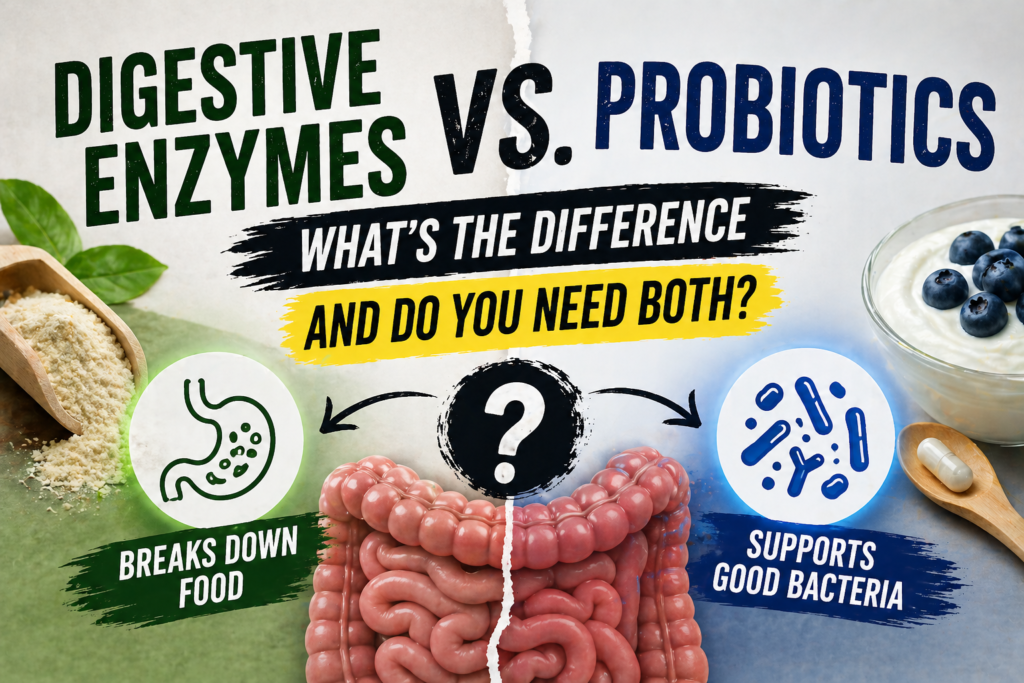
Enzymes and probiotics aren’t the same thing — they do completely different jobs. Here’s how each one works, when to use them, and why most people need both.
Two Supplements, Two Different Jobs — Most People Only Take One
If you’ve been trying to fix your gut health and feel like you’re only getting halfway there, there’s a good chance you’re relying on one supplement when you actually need both.
Digestive enzymes and probiotics are the two most popular gut health supplements on the market — and they’re often talked about like they’re interchangeable. They’re not. They do completely different things, they work on different timelines, and for a lot of people with chronic digestive issues, the most effective approach is using both together rather than choosing between them.
This article breaks down exactly what each one does, how they differ, when to use one vs the other, and when to combine them for the best results.
What Digestive Enzymes Actually Do
Digestive enzymes are proteins that break food down into smaller molecules your body can absorb. Your body naturally produces them — in your saliva, your stomach, your pancreas, and your small intestine. Amylase handles carbohydrates. Lipase handles fats. Protease handles protein. Lactase handles dairy.
When enzyme production is sufficient, food gets broken down efficiently in your stomach and small intestine. It gets absorbed properly. And very little undigested material makes it to your large intestine where bacteria could ferment it and cause problems.
When enzyme production is low — which happens with age, stress, gut conditions, or a poor diet — food doesn’t get broken down completely. That partially digested food reaches your colon, where bacteria ferment it. That fermentation produces gas. Gas causes bloating, pressure, cramping, and the uncomfortable heaviness that makes you miserable after meals.
A digestive enzyme supplement fills that gap immediately. You take it with food, it boosts your enzymatic activity during digestion, and food breaks down the way it’s supposed to. The relief can happen within days — sometimes within the very first meal.


What Probiotics Actually Do
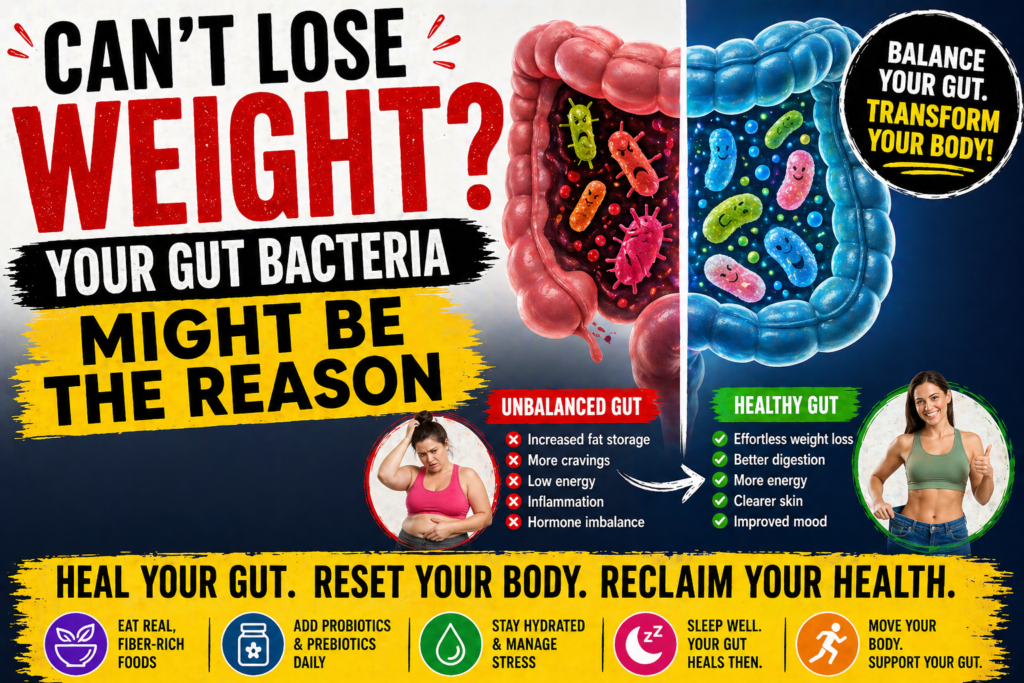
Probiotics work completely differently. Instead of acting on your food, they act on your gut microbiome — the trillions of bacteria living in your intestines.
A healthy gut microbiome is diverse and balanced. It regulates how fast or slow food moves through your digestive tract, helps train your immune system, produces certain vitamins, and competes with harmful bacteria to keep their populations in check. When that balance gets disrupted — by antibiotics, a poor diet, illness, or chronic stress — you end up with more harmful, gas-producing bacteria and fewer of the beneficial ones that keep everything running smoothly. The connection between the gut microbiome and immune function is explored in this explanation of how the gut microbiome regulates immunity.
Probiotics work by reintroducing beneficial bacteria strains to help restore that balance. This isn’t a fast process. You’re shifting an ecosystem of trillions of microorganisms — it takes weeks to months of consistent daily use to see meaningful change. But the results, when they come, are deeper and longer-lasting than what enzymes provide.
The Key Differences Side by Side
Here’s the clearest way to understand how they compare:
Digestive enzymes work on your food. They act during the digestion process itself — breaking down what you eat before it can cause problems. They work fast, often within days, and the benefit is felt meal by meal.
Probiotics work on your gut bacteria. They shift the microbial environment in your intestines over time — reducing gas-producing bacteria, improving gut motility, calming inflammation, and building long-term digestive resilience. They work slowly, over weeks to months, but address root causes rather than symptoms.
If digestive enzymes are like putting better fuel in a car engine so it runs cleanly right now — probiotics are like rebuilding the engine over time so it runs better long term.

Which One Should You Take First?
It depends on what your primary symptom is and how quickly you need relief.
Start with digestive enzymes if: Your bloating and discomfort are primarily triggered by eating — especially specific foods like dairy, high-carb meals, or fatty foods. If you feel fine between meals but miserable after them, enzyme deficiency is likely a major factor. Enzymes will give you the fastest relief and you’ll know within a week whether they’re helping.
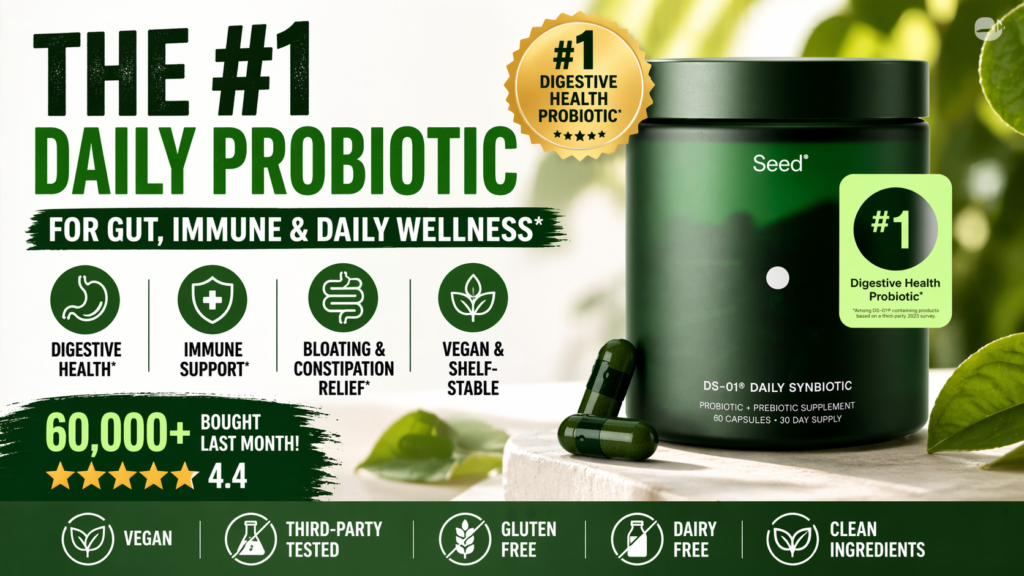
Start with a probiotic if: Your symptoms are constant — bloating, discomfort, and irregularity regardless of what you eat. If the problem seems to be your gut in general rather than specific meals, the bacterial imbalance is likely the bigger issue. A quality probiotic like Seed DS-01 addresses that from the ground up.
Use both if: You have chronic digestive issues — IBS, frequent bloating, irregular bowel movements, post-antibiotic gut disruption. Enzymes give you immediate meal-by-meal relief while the probiotic builds the longer-term foundation. This is the most comprehensive approach and what we recommend for anyone with significant gut health issues.
Can You Take Digestive Enzymes and Probiotics Together?
Yes — and they work well together because they’re targeting completely different parts of the problem. There’s no conflict between them. In fact, they complement each other in a meaningful way.
Digestive enzymes reduce the amount of undigested food reaching your colon — which means less material for harmful bacteria to ferment. That creates a better environment for the beneficial bacteria introduced by your probiotic to establish and thrive. So in a real sense, enzymes make your probiotic more effective by improving the conditions in your gut.
The practical protocol is simple: take enzymes with meals, take your probiotic once daily. That’s it.

Our Recommendations for Each
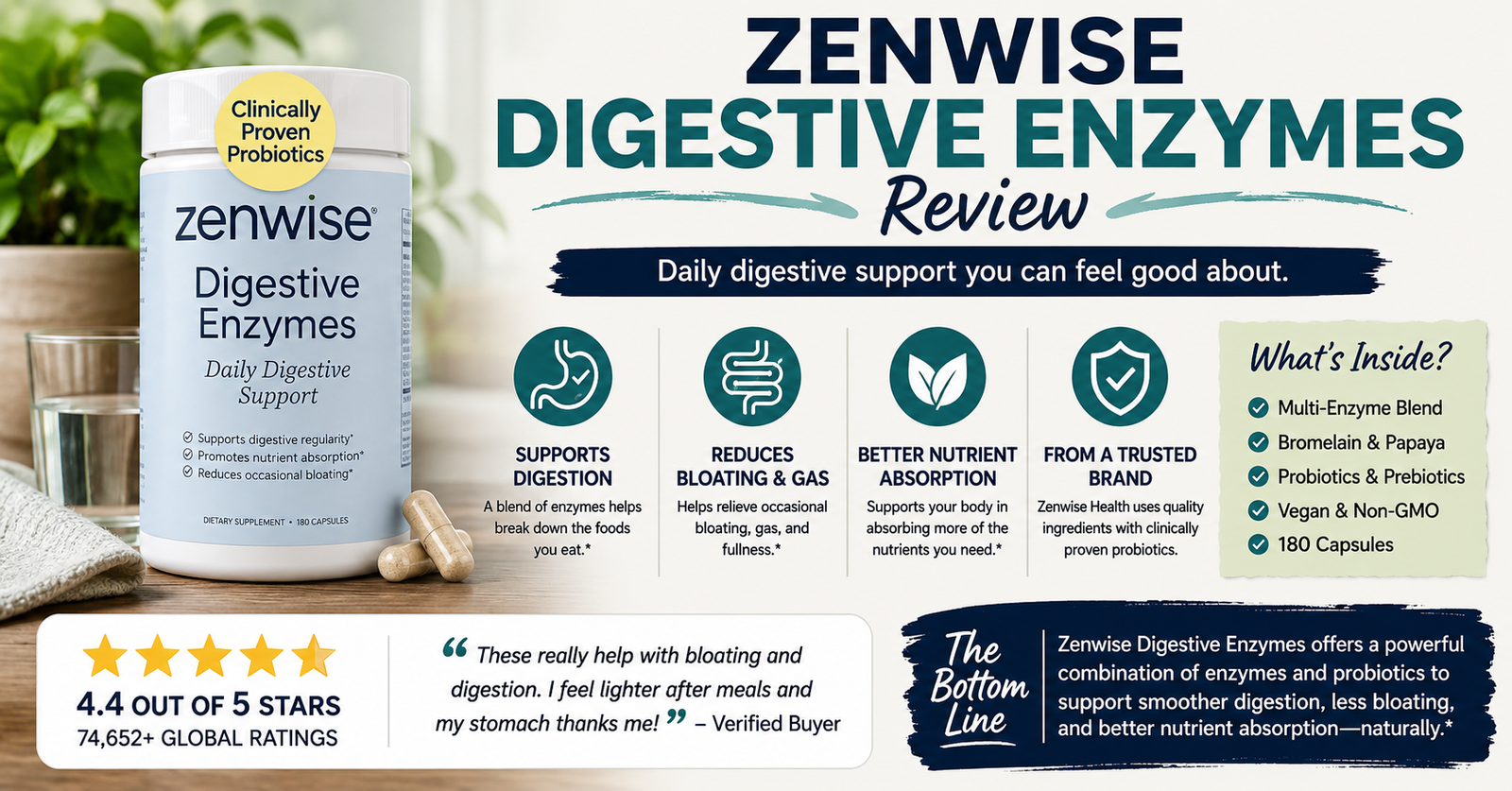
For digestive enzymes, our top pick is Zenwise Health Digestive Enzymes. It’s a comprehensive multi-enzyme blend — covering amylase, protease, lipase, lactase, bromelain, and papain — with the added bonus of DE111 probiotic and inulin prebiotic built in. It’s vegetarian, affordable at around $30 for 100 capsules, and one of the most complete enzyme supplements available at this price point.
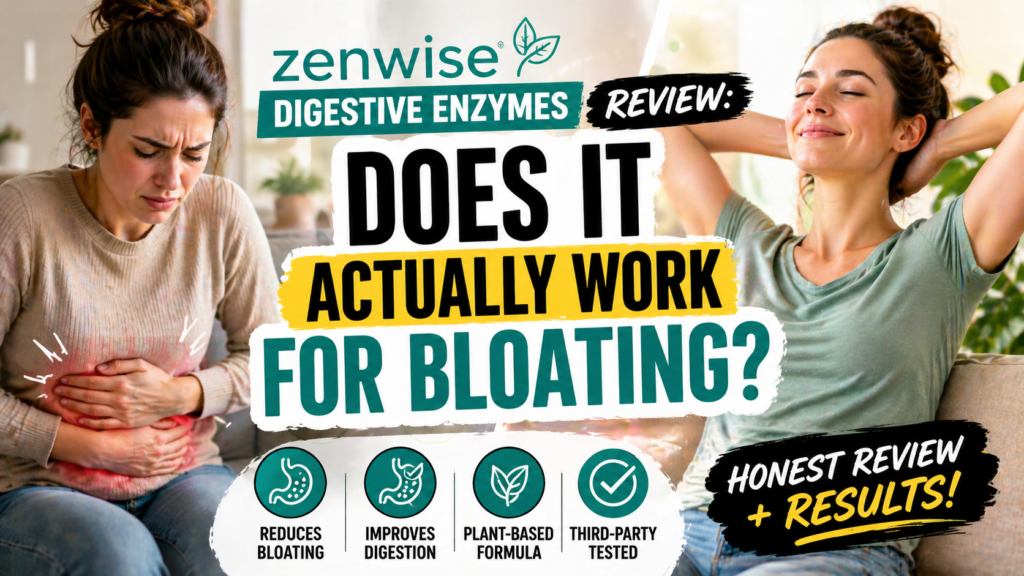
We spent 60 days testing it and broke down every detail in our full review: Zenwise Digestive Enzymes Review — Does It Actually Work?
Check the current price of Zenwise on Amazon
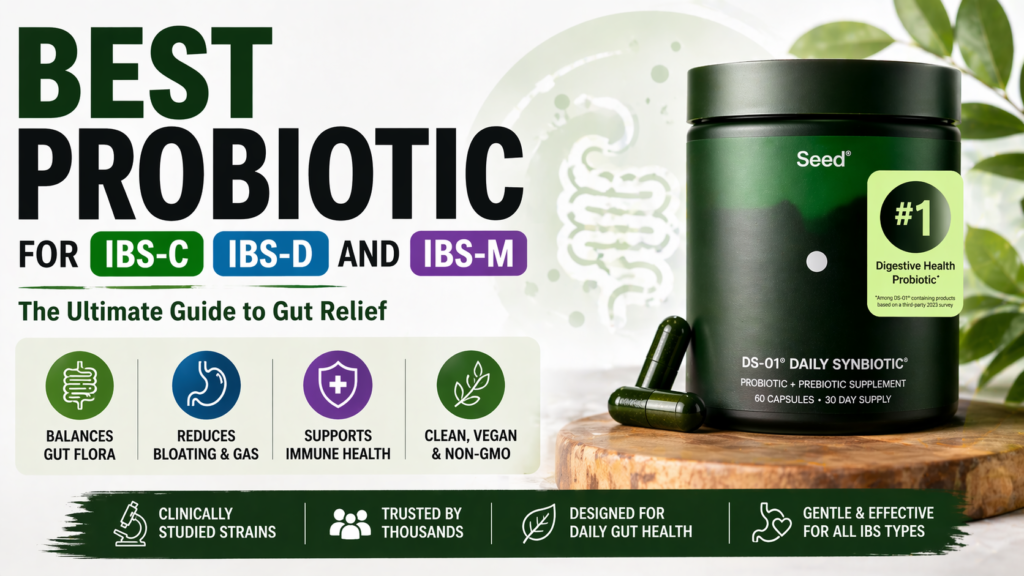
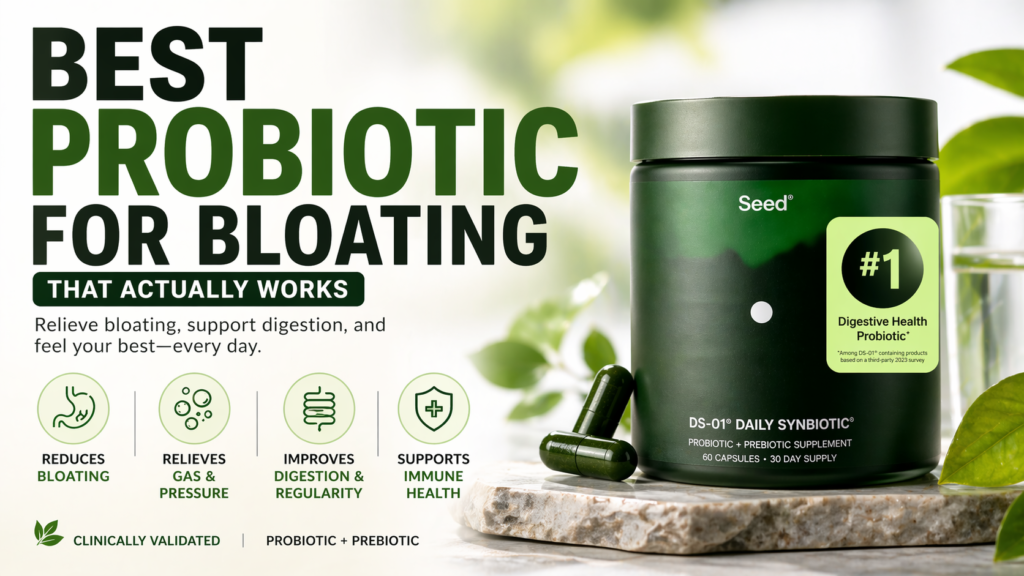
For probiotics, our top pick is Seed DS-01 Daily Synbiotic. It combines 24 clinically studied probiotic strains with a prebiotic outer capsule in an acid-resistant nested design. It’s shelf stable, vegan, and the most thoroughly researched synbiotic available. For anyone with serious gut health goals — IBS, chronic bloating, post-antibiotic recovery — it’s the best option on the market.
Full breakdown here: Seed DS-01 Review — Is It Worth $50 a Month?
Check the current price of Seed DS-01 on Amazon
What About Products That Combine Both?
Zenwise actually includes a probiotic strain — DE111 — alongside its enzyme blend. That’s a meaningful bonus and makes it more than just a basic enzyme supplement. For people with mild to moderate digestive issues, Zenwise alone may cover enough ground on both fronts.
However, DE111 is a single strain. If your gut issues are more significant — IBS, significant bacterial imbalance, post-antibiotic disruption — a dedicated multi-strain probiotic like Seed DS-01 with 24 strains is going to do a lot more heavy lifting on the bacterial side. In that case, running Zenwise for enzymes and Seed DS-01 for probiotics gives you the most complete coverage.
Frequently Asked Questions
Are digestive enzymes better than probiotics?
Neither is better — they do different things. Enzymes work on food breakdown right now. Probiotics work on your gut bacteria over time. For most people with gut health issues, using both gives better results than choosing one.
Can digestive enzymes replace probiotics?
No. They address different parts of the problem. Enzymes can reduce symptoms quickly but don’t fix the underlying bacterial imbalance that drives chronic digestive issues. Probiotics build the long-term foundation that enzymes alone can’t provide.
Which works faster — enzymes or probiotics?
Enzymes work much faster. Many people notice reduced post-meal bloating within days. Probiotics typically take 2–8 weeks of consistent use before meaningful results become clear.
Should I take enzymes before or after my probiotic?
Take enzymes right at the start of your meals. Take your probiotic once daily with food — timing relative to your enzymes doesn’t matter much. They work independently on different systems.
What’s the best digestive enzyme supplement?
Zenwise Health Digestive Enzymes is our top recommendation — multi-enzyme blend, includes probiotic and prebiotic, vegetarian, and great value at 100 capsules per bottle. Read our full Zenwise review here.
What’s the best probiotic to pair with digestive enzymes?
Seed DS-01 is our top recommendation for a comprehensive probiotic. Read our full Seed DS-01 review here.
Stop Picking One — Your Gut Needs Both
If you’ve been going back and forth between enzymes and probiotics wondering which one to try, the answer for most people with chronic gut issues is both. They’re not competing for the same job. They’re complementary tools that work better together than either does alone.
Enzymes make every meal more comfortable starting this week. Probiotics rebuild the foundation that makes your gut resilient long-term. Together they cover the full picture — and that’s exactly what your gut has been waiting for.
More from TummyCure:
- Zenwise Digestive Enzymes — Full Review
- Seed DS-01 — Full Probiotic Review
- Best Digestive Enzymes for Bloating
- Best Probiotic for Bloating That Actually Works
- Do Digestive Enzymes Help IBS?
- How Long Does It Take for Probiotics to Work?
About the Author
Rachel Donnelly is a certified nutritional health coach and gut health writer who spent years struggling with IBS and bloating before making digestive wellness her specialty. She writes for TummyCure with one goal: cut through the noise and tell you what actually works. When she’s not deep in microbiome research, she’s fermenting things in her kitchen and losing arguments with her husband about whether kombucha counts as a dessert.
As an Amazon Associate we earn from qualifying purchases through some links in our articles.