Needing to rush to the bathroom after every meal isn’t normal — it’s an amplified gastrocolic reflex. Here’s why it happens and what actually calms it down.
Every Single Meal Ends the Same Way
You sit down to eat. You finish your meal. And within 15 to 30 minutes — sometimes before you’ve even put your fork down — you need to find a bathroom urgently. It happens at home, it happens at restaurants, it happens at other people’s houses. It’s predictable, embarrassing, and you’ve probably never talked to anyone about it.
You’re not alone. This pattern is one of the most common digestive complaints that people search for in private and never bring up with their doctor. And it has a name, a mechanism, and — importantly — real solutions.
The Gastrocolic Reflex — What’s Actually Happening
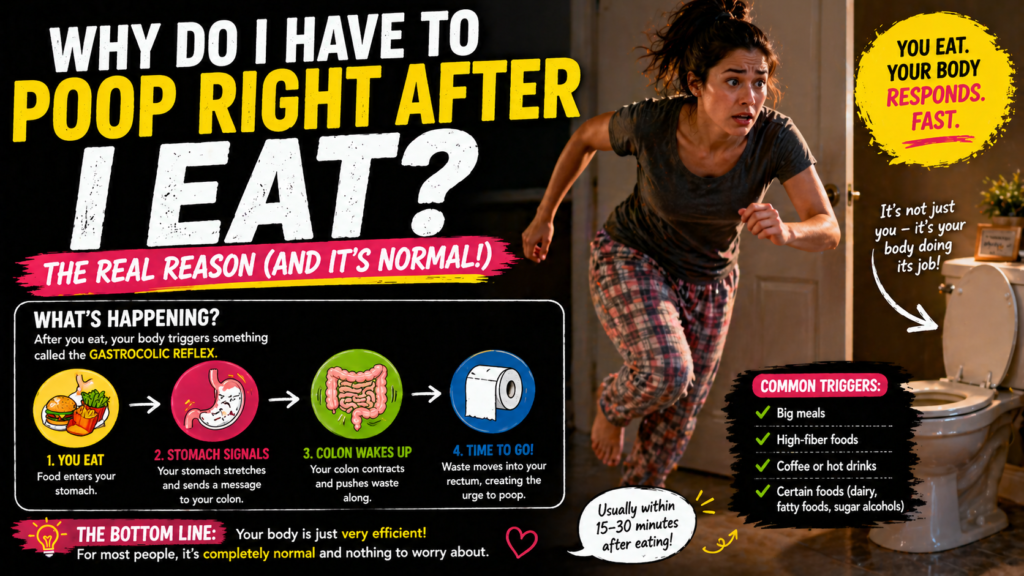
The reason you need to poop right after eating is almost always the gastrocolic reflex. This is a completely normal physiological response — when food enters your stomach, your colon receives a nerve signal telling it to contract and make room for incoming material. It’s your digestive system’s way of moving things along efficiently.
In most people this produces a mild, manageable urge to use the bathroom — usually 30 to 60 minutes after a meal, easily deferred until convenient. But in people with a hypersensitive gut — particularly those with IBS — this reflex is dramatically amplified. The colonic contractions triggered by eating are stronger, faster, and more urgent than they should be. The result is that almost every meal ends with an urgent trip to the bathroom, often with loose or poorly formed stools.
Understanding that this is a reflex — a nerve-driven response rather than something wrong with the food you’re eating — reframes the problem. You’re not reacting to your food. You’re reacting to the act of eating. And that means the solution isn’t finding the perfect diet — it’s calming the exaggerated reflex itself.
Why Some People’s Gastrocolic Reflex Is So Much Stronger
The intensity of the gastrocolic reflex varies enormously between individuals and is influenced by several factors that are mostly fixable.
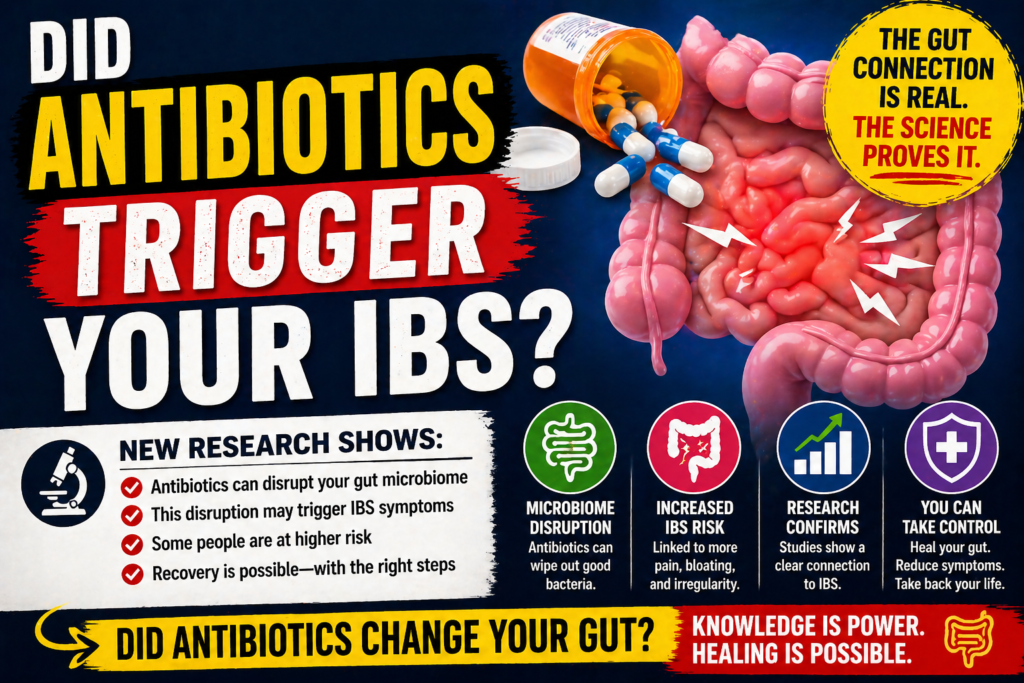
Gut bacterial imbalance is the biggest driver. Your gut microbiome directly influences gut nerve sensitivity and motility regulation. A microbiome weighted toward harmful bacteria produces a gut that’s more reactive, more sensitive, and more prone to exaggerated reflexes. People with diverse, balanced gut bacteria have measurably calmer, more regulated gut responses to eating. Daily habits that support a more balanced microbiome are outlined in 5 Simple Lifestyle Changes to Enhance Your Gut Health Naturally.
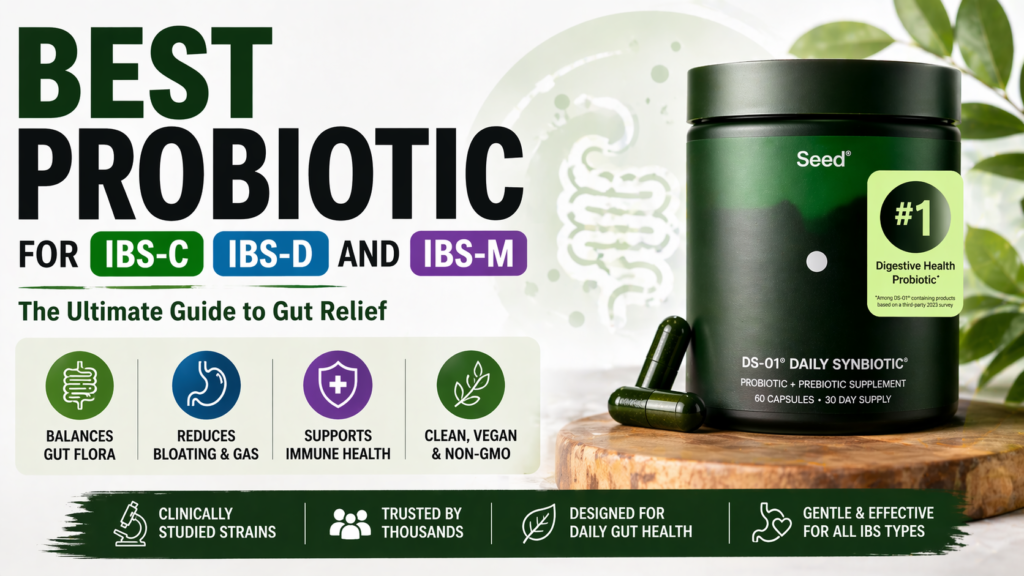
IBS is the most common diagnosis associated with this pattern. IBS involves a hypersensitive gut where normal nerve signals — like the gastrocolic reflex — register as much more intense than they should. IBS-D in particular produces this post-meal urgency as one of its most defining features. If you also experience bloating, cramping, and irregular stools beyond just the post-meal urgency, IBS is worth discussing with your doctor.
Stress and anxiety amplify the gastrocolic reflex significantly. The gut-brain axis means that a stressed nervous system produces stronger, faster gut contractions in response to eating. If your post-meal urgency is worse on stressful days — before presentations, during difficult life periods, when you’re eating under time pressure — stress is directly amplifying an already-reactive reflex.
Specific food triggers stimulate the reflex more powerfully than others. Fat is the strongest trigger — which is why greasy meals produce the most urgent post-meal responses. Coffee stimulates gut motility through multiple independent mechanisms. Large meal volumes trigger stronger contractions than smaller ones. Spicy food directly irritates the gut lining and amplifies motility.
Is It Actually a Problem?
Needing to use the bathroom after meals isn’t inherently abnormal — having a bowel movement after breakfast is actually a healthy pattern for many people. The gastrocolic reflex is supposed to exist.
What makes it a problem is when it’s:
- Urgent and difficult to defer — you have to go immediately or risk an accident
- Accompanied by loose, watery, or poorly formed stools rather than normal ones
- Happening after every single meal rather than just one or two per day
- Accompanied by cramping, pain, or significant bloating
- Affecting your willingness to eat in public, at restaurants, or at other people’s homes
- Producing anxiety about eating itself
If several of these describe your experience, this is beyond the normal gastrocolic reflex and into territory that deserves proper attention.

The Role of Your Gut Microbiome
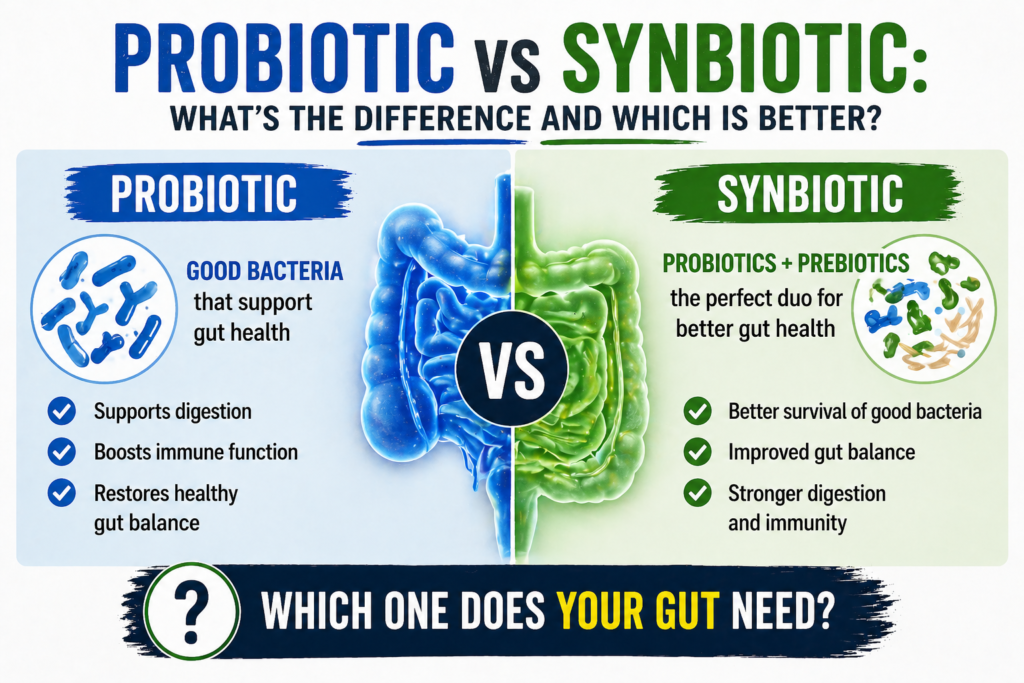
This is the most important thing most articles about post-meal urgency don’t tell you: the single most effective long-term solution isn’t dietary — it’s microbiome-based.
Your gut bacteria are the primary regulators of gut nerve sensitivity and motility. A well-balanced, diverse microbiome produces a calm, regulated gut. A disrupted, imbalanced one produces a reactive, hypersensitive gut that overresponds to every meal.
Rebalancing the microbiome with a quality synbiotic consistently reduces the intensity of the post-meal urgency pattern over 6–12 weeks of daily use. It’s not a quick fix — you’re shifting an ecosystem of trillions of organisms — but it represents a genuine, lasting improvement rather than ongoing symptom management.
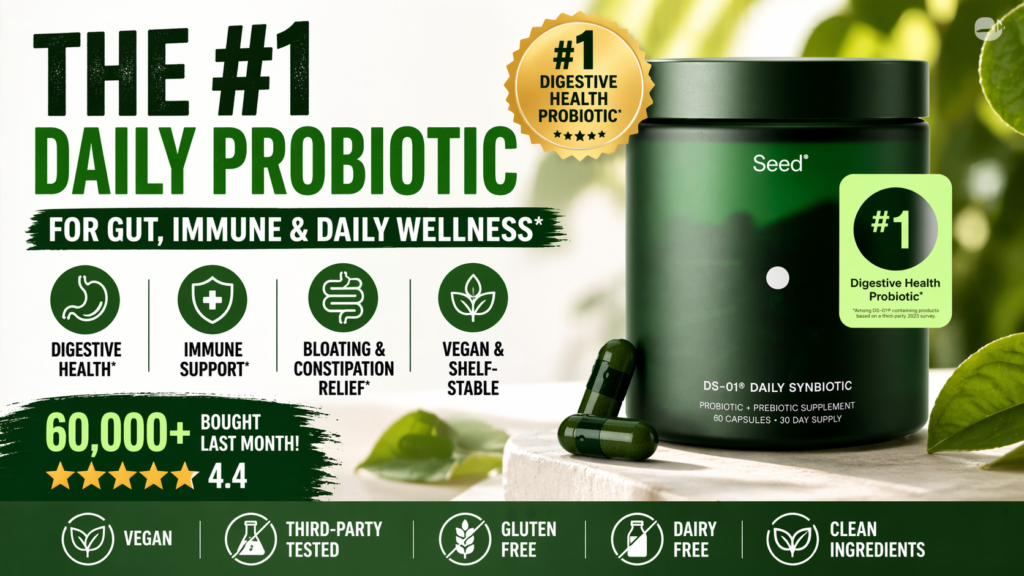
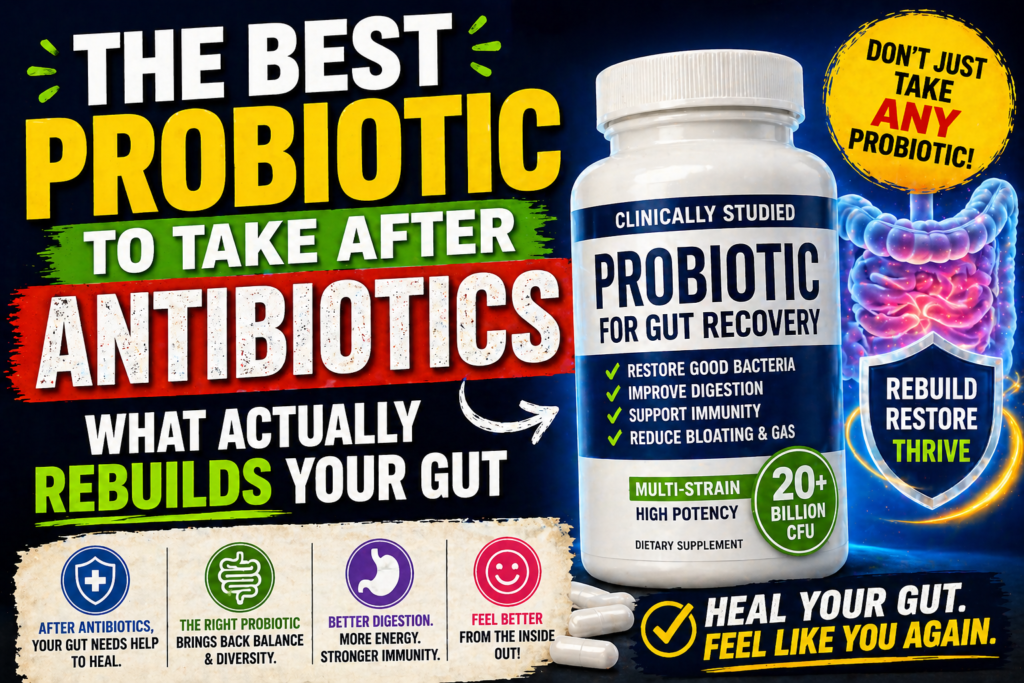
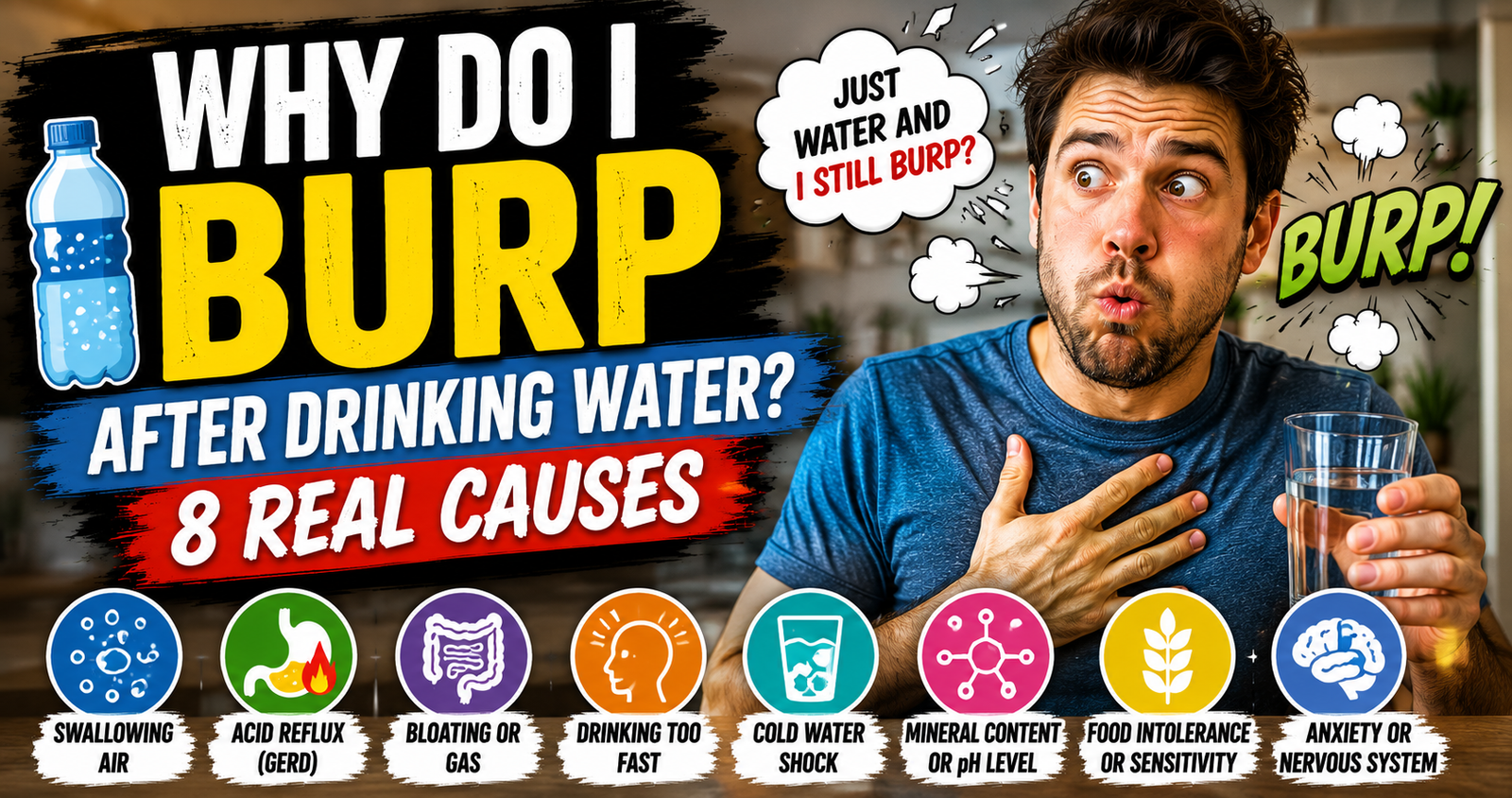
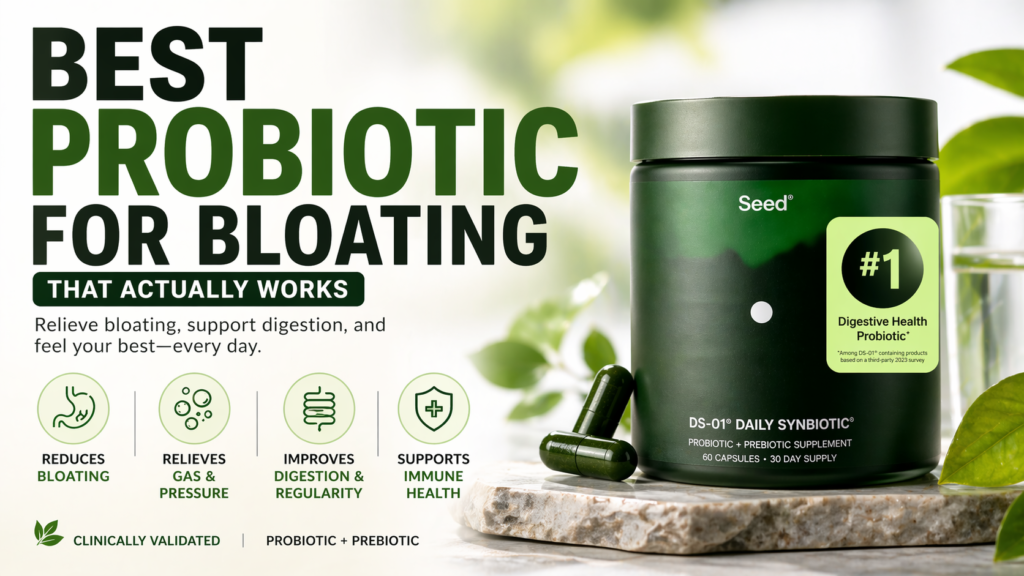
Our top recommendation is Seed DS-01 Daily Synbiotic — 24 clinically studied strains in an acid-resistant nested capsule with prebiotic included. Several of the strains are specifically studied for IBS-D and diarrhea regulation. Check the current price on Amazon.
For a realistic picture of how long microbiome rebalancing takes to produce noticeable results, the honest probiotic timeline is worth understanding before you start so you don’t quit too early.
What Makes It Worse — And What to Reduce
Coffee first thing in the morning on an empty stomach is one of the most powerful gastrocolic reflex triggers in existence. Coffee is acidic, stimulates bile production, contains compounds that directly trigger colonic contractions, and has this effect independently of its caffeine content — decaf does it too, just less intensely. If morning urgency is your worst symptom, experimenting with delaying or reducing coffee is worth trying before anything more complicated. Why coffee hits so hard in the morning has a specific explanation beyond just caffeine.
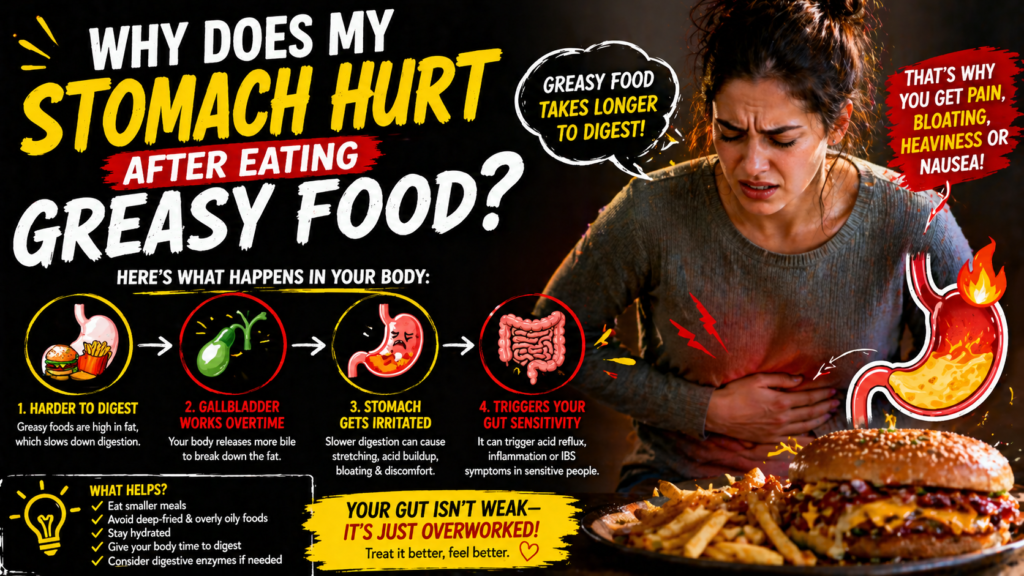
Greasy and fatty meals produce the strongest gastrocolic reflex of any food type. Fat is a powerful motility stimulant. If certain meals are dramatically worse than others, high fat content is usually the variable. Why greasy food specifically hits harder goes deeper than most people realize.
Large meal volumes trigger stronger contractions than smaller ones — the stomach sends a stronger signal to the colon when it receives more food. Eating the same total food in smaller, more frequent portions often reduces urgency significantly.
Eating under stress or time pressure amplifies the reflex through the gut-brain axis. The same meal eaten calmly produces a milder response than the same meal eaten while anxious, rushed, or stressed.
High-FODMAP foods — garlic, onions, beans, certain fruits, dairy for sensitive people — provide significant fermentable material that amplifies colonic contractions and urgency. Reducing the highest-impact FODMAP foods while your gut heals often produces noticeable improvement in urgency within 1–2 weeks.
Practical Things That Actually Help
Start a quality synbiotic daily. This is the highest-impact intervention for long-term improvement. Seed DS-01 — one capsule daily, give it 60–90 days. The bacterial rebalancing that reduces gut hypersensitivity takes time but produces lasting improvement. Check the price on Amazon.

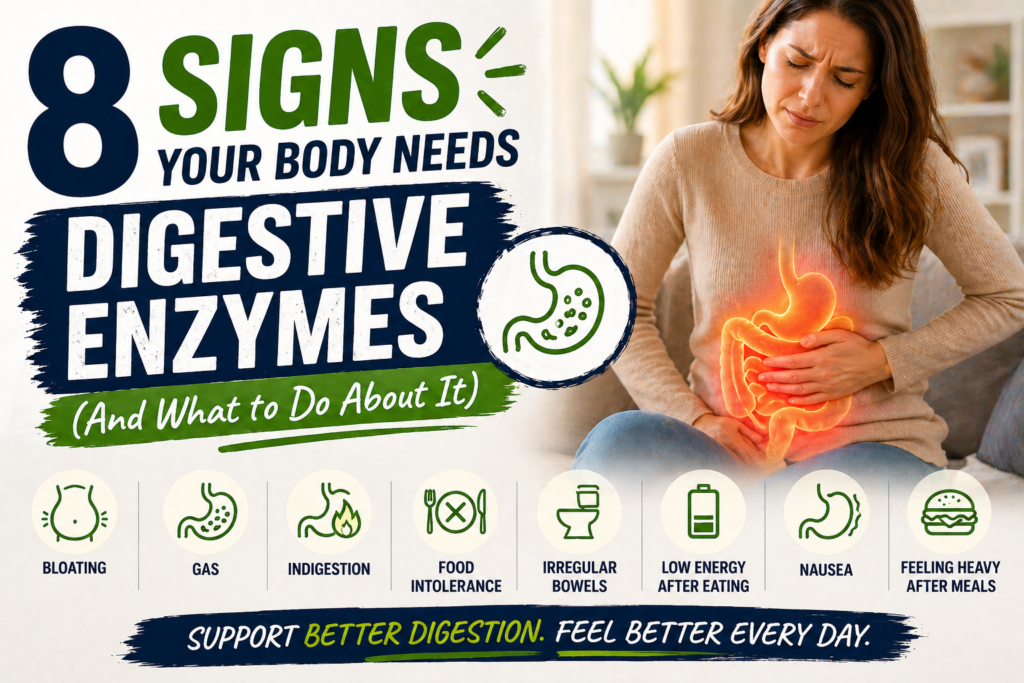
Take a digestive enzyme with your largest meals. Particularly with fatty or high-FODMAP meals — ensuring complete breakdown reduces the fermentation and motility stimulation that amplifies post-meal urgency. Zenwise Health Digestive Enzymes is our top pick for this. Check the price on Amazon.
Eat smaller meals more frequently. Reducing meal volume directly reduces the strength of the gastrocolic reflex. Four to five smaller meals produce less urgent post-meal responses than two or three large ones.
Delay or reduce morning coffee. Having breakfast before coffee rather than after, or switching to a smaller, weaker coffee, often produces meaningful improvement in morning urgency within days.
Slow down when you eat. Eating more slowly and chewing more thoroughly reduces the food volume hitting your stomach at once and gives your digestive system time to respond proportionally rather than all at once.
Don’t eat when significantly stressed. When you’re very stressed and eating is avoidable — delay the meal until you’re calmer. When it’s not avoidable, a few slow deep breaths before eating activates the parasympathetic nervous system and measurably moderates the gut response.
When to Talk to Your Doctor
Post-meal urgency that’s been consistent for a long time, predictable, and without blood or other alarming features is almost always functional — IBS or gut hypersensitivity. But see your doctor if:
- There is blood in your stool
- You’re losing weight without trying
- The urgency is so severe you’ve had accidents
- Symptoms started suddenly after a period of being completely normal
- You’re over 50 and this is a new pattern
- You have significant pain alongside the urgency that doesn’t resolve after emptying
An IBS diagnosis from your doctor — even if it feels like just a label — gives you a framework for management and rules out inflammatory bowel disease, which presents similarly but requires different treatment.
Frequently Asked Questions
Why do I have to poop right after I eat?
The gastrocolic reflex — a normal nerve signal from your stomach to your colon when food arrives — triggers colonic contractions. In people with IBS, gut bacterial imbalance, or chronic stress, this reflex is amplified significantly, producing urgent post-meal bowel movements that feel impossible to defer.
Is it normal to poop right after every meal?
Having one post-meal bowel movement — particularly after breakfast — is within the range of normal. Needing to go urgently after every single meal with loose stools and cramping is not normal and signals gut hypersensitivity worth addressing.
Can probiotics help with post-meal urgency?
Yes — this is one of the most consistent improvements people report after starting a quality probiotic. Microbiome rebalancing reduces gut nerve hypersensitivity over 6–12 weeks of daily use. Our top recommendation is Seed DS-01.
Why is the urgency worst after coffee and greasy food?
Both are among the most powerful gastrocolic reflex stimulants. Coffee triggers colonic contractions through multiple mechanisms beyond caffeine. Fat is the strongest dietary trigger of the reflex. Combined they produce the most intense post-meal urgency response.
Does stress make post-meal urgency worse?
Significantly. The gut-brain axis means stress amplifies the gastrocolic reflex directly. Eating under stress or anxiety produces stronger, faster post-meal responses than eating in a calm state.
What’s the difference between the gastrocolic reflex and IBS?
The gastrocolic reflex is the normal mechanism — everyone has it. IBS is a condition where that reflex is pathologically amplified — producing urgent, painful, poorly controlled responses instead of mild, manageable urges. The mechanism is the same but the intensity is dramatically different.
This Is One of the Most Fixable Gut Problems There Is
The post-meal urgency pattern is disruptive, embarrassing, and life-limiting in ways that people rarely talk about. It changes where you’re willing to eat, who you’re comfortable eating with, and how much anxiety you carry around meal times.
But it’s also one of the gut health issues that responds best to targeted intervention. The gastrocolic reflex can be calmed. Gut hypersensitivity can be reduced. The microbiome can be rebalanced. And when these things happen — which they do, with the right consistent approach — the urgency that felt permanent and inevitable becomes manageable and often disappears almost entirely.
Give it 90 days of real consistency. Your gut after those 90 days will be dramatically different from your gut today.
More from TummyCure:
- Diarrhea Every Morning Then Fine — Here’s Why
- Why Does My Stomach Hurt After Eating But Goes Away After Pooping?
- Best Probiotic for IBS-C, IBS-D and IBS-M
- Living With IBS-D
- Seed DS-01 — Full Review
- Why Does My Stomach Hurt After Eating Greasy Food?
- Why Do I Feel Sick After Eating But Not Hungry?
- Digestive Enzymes vs Probiotics — Do You Need Both?
- Why Do I Feel Like I Have to Poop But Nothing Comes Out?
- The Complete Gut Health Guide
About the Author
Rachel Donnelly is a certified nutritional health coach and gut health writer who spent years struggling with IBS and bloating before making digestive wellness her specialty. She writes for TummyCure with one goal: cut through the noise and tell you what actually works. When she’s not deep in microbiome research, she’s fermenting things in her kitchen and losing arguments with her husband about whether kombucha counts as a dessert.
As an Amazon Associate we earn from qualifying purchases through some links in our articles.