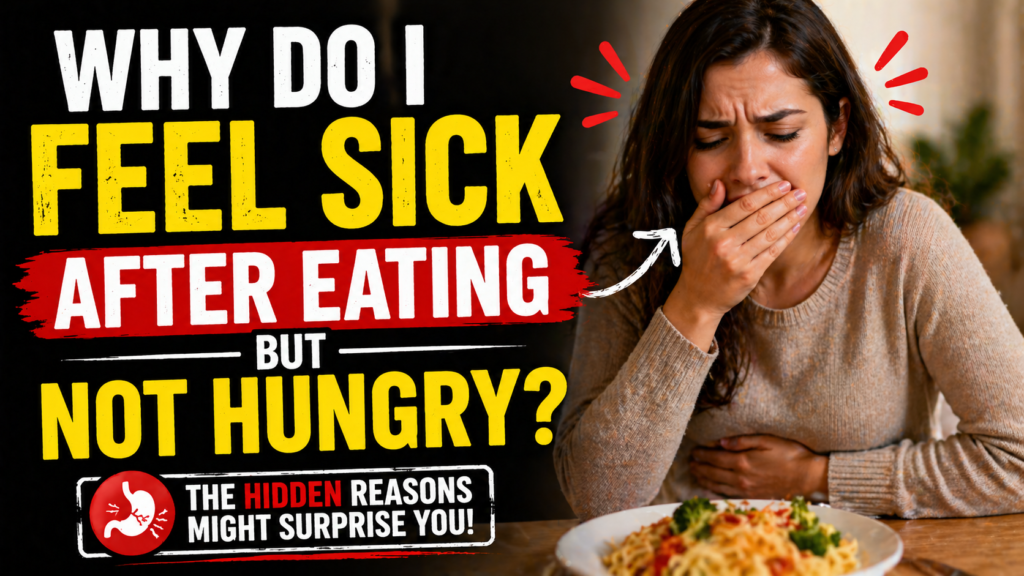
Feeling nauseous or unwell after eating even when you didn’t overeat? Here are 8 specific reasons why — and what actually fixes it.
You’re Not Hungry — But You Still Feel Awful After Eating
It’s a strange combination. You eat a normal meal — not too much, nothing unusual — and instead of feeling satisfied and energized, you feel vaguely sick. Not necessarily nauseous enough to vomit. Not in sharp pain. Just… off. Heavy, uncomfortable, queasy, or just generally unwell in a way that’s hard to describe precisely.
And you’re not even hungry. You didn’t overeat. You didn’t eat anything that obviously disagreed with you. But every time food goes in, this feeling follows.
This pattern — feeling sick after eating without obvious hunger or overeating — is one of the most commonly searched and least satisfyingly answered digestive complaints online. Most articles throw a generic list at you and move on. This one is going to actually explain what’s happening and give you something useful to do about it.
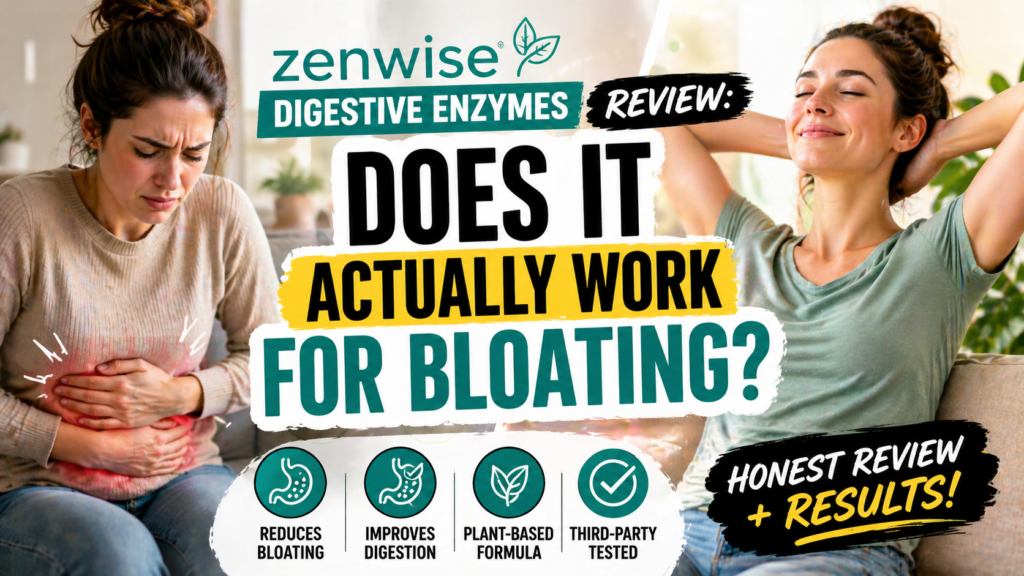
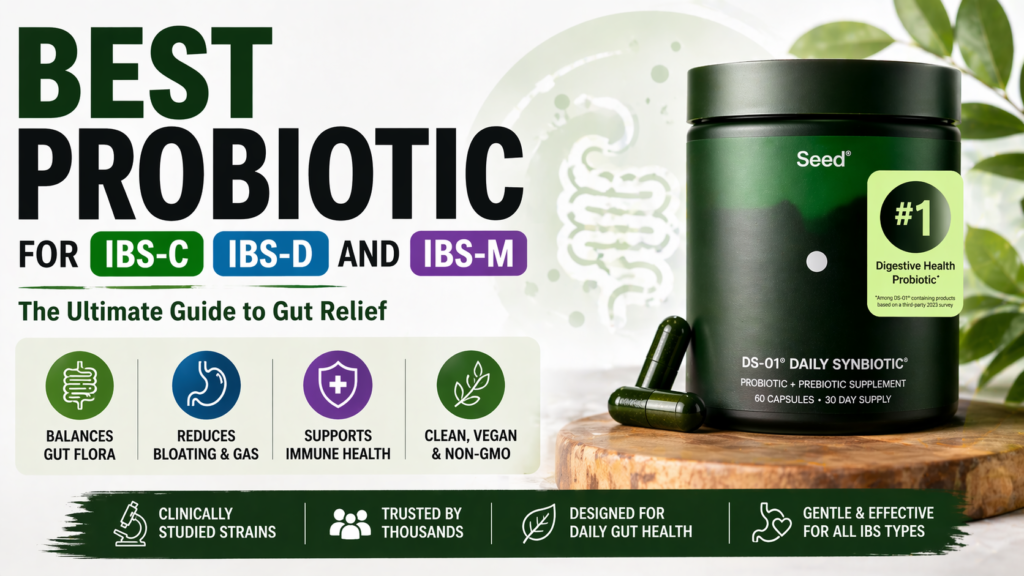
If you want to jump to the supplements that make the biggest difference: Zenwise Digestive Enzymes for immediate support — 👉 check the price on Amazon — and Seed DS-01 for long-term gut rebalancing — 👉 check the price on Amazon.

What “Feeling Sick After Eating” Actually Means
Before getting into causes it helps to be specific about what you’re actually experiencing — because “feeling sick” can mean several different things that point to different underlying causes.
Nausea without vomiting — a queasy, unsettled stomach that makes you wish you hadn’t eaten.
Heaviness or fullness that feels disproportionate — feeling stuffed or weighed down after a meal that shouldn’t have been enough to cause it.
Bloating and pressure — distension and discomfort that builds after eating and makes you feel physically worse than before the meal.
Fatigue or brain fog — a significant energy drop or cognitive cloudiness after eating that makes you want to lie down.
Upper abdominal discomfort — a dull, gnawing, or pressure sensation in the stomach area that arrives with or after food.
Each of these has different primary causes — and knowing which description fits you most closely helps narrow down what’s actually going on.

Cause 1: Your Stomach Is Emptying Too Slowly
Gastroparesis — delayed gastric emptying — is a condition where your stomach muscles don’t contract efficiently enough to move food into the small intestine at a normal rate. Food sits in your stomach longer than it should, producing fullness, nausea, bloating, and that general sick feeling that arrives after eating and hangs around far too long.
Full-blown gastroparesis is a diagnosed medical condition most commonly associated with diabetes and certain neurological conditions. But subclinical slow gastric emptying — where the stomach empties more slowly than optimal without meeting the diagnostic threshold — is far more common and produces the same uncomfortable post-meal pattern at a lower intensity.
Factors that slow gastric emptying beyond medical conditions include high-fat meals (fat slows gastric emptying significantly), large meal volumes, eating very quickly, certain medications including opioids and some antidepressants, and hypothyroidism. If your post-meal sick feeling is worst after larger or fattier meals and involves significant prolonged fullness, slow gastric emptying is worth considering.
Cause 2: Poor Food Breakdown and Digestive Enzyme Deficiency
When your body doesn’t produce sufficient digestive enzymes to properly break down what you eat, food sits in your stomach and small intestine in a partially processed state. That backed-up, poorly digested food creates exactly the kind of heavy, nauseated, uncomfortable feeling after eating that people describe as “feeling sick.”
The mechanism is similar to slow gastric emptying — food isn’t moving through efficiently — but the cause is enzymatic rather than mechanical. Without adequate amylase, lipase, and protease, the digestion process is slower and more incomplete than it should be. The stomach works harder and longer trying to process a meal it doesn’t have the tools to handle efficiently.
Digestive enzyme production declines with age, is suppressed by chronic stress, and is impaired by gut conditions like IBS and SIBO. If your post-meal sick feeling has gotten gradually worse over the years, or is noticeably worse when you eat under stress, enzyme deficiency is very likely a significant factor.
A comprehensive digestive enzyme supplement taken at the start of every meal gives your body the enzymatic support it needs to process food more efficiently — reducing the backed-up, sick feeling that follows an enzyme-deficient digestion attempt. Zenwise Health Digestive Enzymes is our top recommendation — multi-enzyme blend covering amylase, protease, lipase, lactase, bromelain, and papain, with a probiotic and prebiotic included. Many people notice meaningful improvement within the first week. 👉 Check the current price on Amazon.
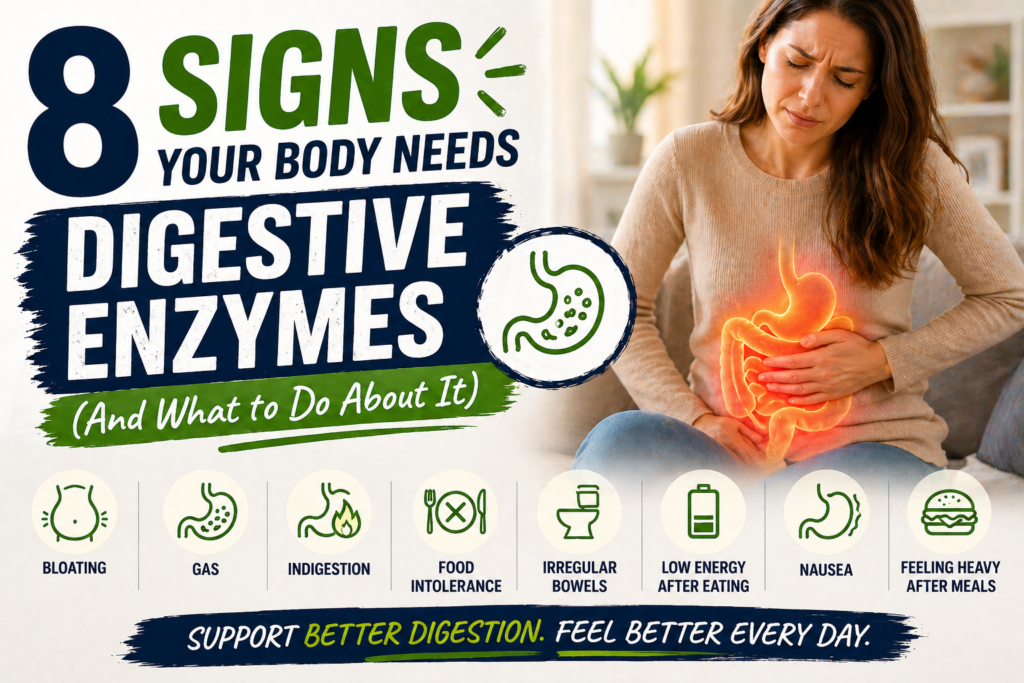
Not sure whether enzymes are your issue? These 8 signs your body needs digestive enzymes will help you figure it out.
Cause 3: Food Intolerances — Especially the Ones You Don’t Know About
Food intolerances produce post-meal sickness through a different mechanism than allergies. They don’t trigger an immune response — they trigger a digestive one. When your body can’t properly process a specific food component, the result is fermentation, gas production, gut irritation, and systemic discomfort that feels like being sick even though nothing dramatic is happening immunologically.
Lactose intolerance is the most common — affecting a significant proportion of adults worldwide. If your post-meal sick feeling is consistently worse after dairy-containing meals, insufficient lactase is likely the culprit. This is one of the most directly fixable causes — a digestive enzyme supplement that includes lactase handles it at the source.
Gluten sensitivity — both celiac disease and the less severe non-celiac gluten sensitivity — produces post-meal symptoms that range from mild nausea and bloating to significant systemic illness after gluten exposure. If your sick feeling is specifically triggered by bread, pasta, pastries, and other wheat products, gluten is worth investigating.
Fructose malabsorption is less well known but very common. People who can’t absorb fructose efficiently experience significant gut distress after eating apples, pears, mangoes, honey, high-fructose corn syrup, and many processed foods — often described as nausea, bloating, and general sickness rather than obvious diarrhea.
Histamine intolerance produces a wide range of post-meal symptoms — nausea, headaches, flushing, heart palpitations, and gut discomfort — after eating high-histamine foods including aged cheeses, wine, cured meats, fermented foods, and certain fish. The systemic nature of histamine reactions means the sick feeling extends well beyond just the gut.
Cause 4: Gut Bacterial Imbalance
Your gut microbiome affects far more than just digestion. The bacteria in your gut influence nausea through the gut-brain axis, regulate the inflammatory responses that make you feel generally unwell, and directly affect how efficiently food moves through your digestive system.
A microbiome weighted toward harmful bacteria produces more aggressive fermentation, more systemic inflammation, and a gut environment that reacts poorly to food in ways that manifest as post-meal nausea and sickness. This is different from the immediate food-specific intolerance reactions above — it’s a more generalized background reactivity to eating that affects most meals rather than specific foods.
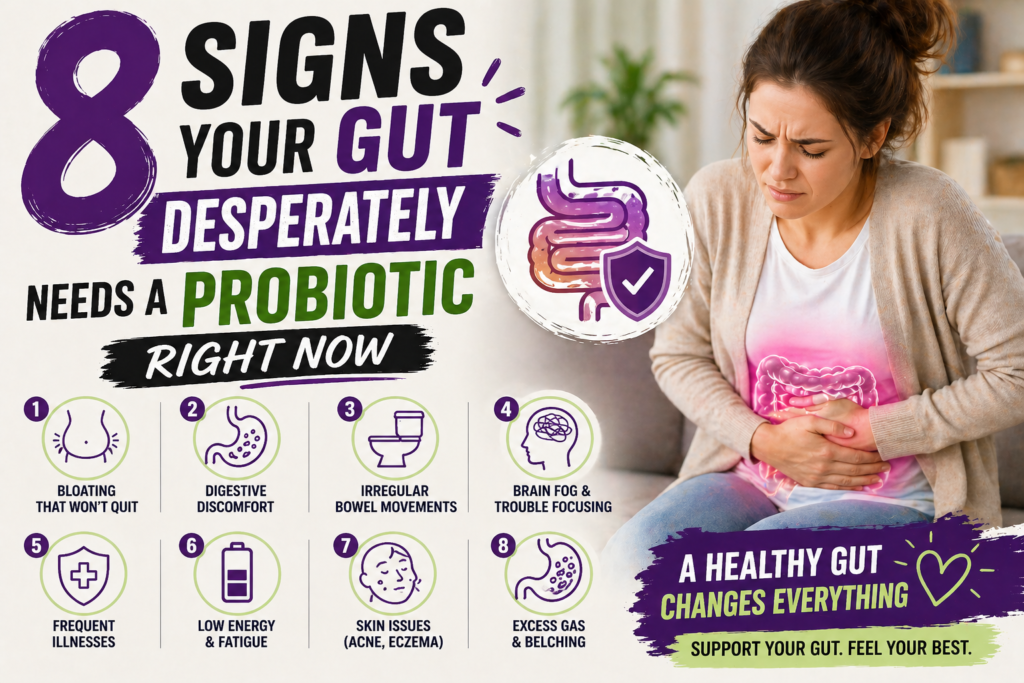
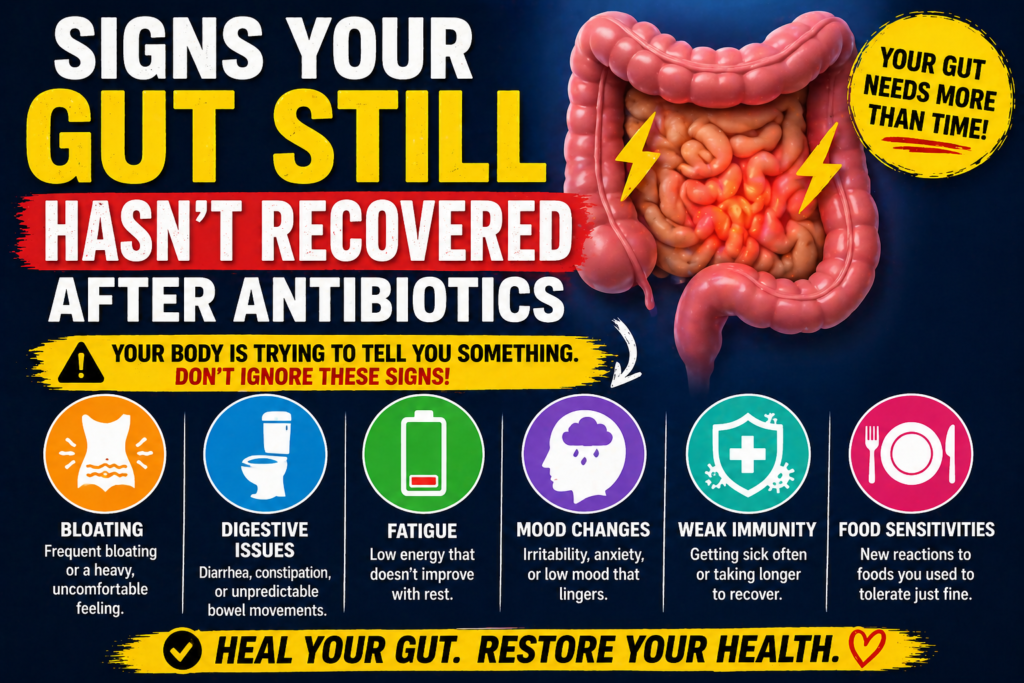
If you feel sick after eating regardless of what you eat — healthy foods, simple foods, foods that never bothered you before — bacterial imbalance causing systemic gut inflammation is one of the more likely explanations. These 8 signs your gut desperately needs a probiotic are worth reviewing.
Rebalancing the microbiome with a quality synbiotic like Seed DS-01 addresses this at the root. The improvement takes weeks to months — this isn’t a quick fix — but it represents a lasting resolution rather than ongoing symptom management. 👉 Check the current price on Amazon.
Cause 5: Acid Reflux and GERD
Acid reflux produces post-meal nausea and sickness through a very direct mechanism — stomach acid backing up into the esophagus creates a burning, nauseating sensation that arrives after eating and can persist for hours. Many people describe this as feeling sick without recognizing the acid component because it doesn’t always produce the classic heartburn burning sensation — sometimes it’s just nausea, regurgitation, or a general awful feeling after meals.
Post-meal reflux nausea tends to be worse after large meals, fatty meals, spicy food, citrus, alcohol, and coffee. It’s worse when lying down after eating. If your sick feeling after eating is accompanied by a sour taste in your mouth, a burning sensation in your chest or throat, or significantly worsened by lying down — acid reflux is very likely involved.
Understanding the real causes of acid reflux is important for managing it effectively long-term rather than just suppressing symptoms with antacids indefinitely.
Cause 6: Eating Too Fast
This cause is simple but genuinely significant and consistently underestimated. When you eat quickly you swallow air with every bite — that swallowed air creates pressure and bloating. You also overwhelm your digestive enzyme capacity by flooding your stomach with more food than it can efficiently process in the time available before the next bite arrives.
The result is a stomach that’s distended with both food and air, working harder than it should to process a meal that arrived too fast, and producing the heavy, sick, nauseated feeling that follows. This is often mistaken for eating too much when the actual problem is eating too fast — the same amount of food eaten slowly would produce no symptoms at all.
Eating slowly, putting utensils down between bites, chewing thoroughly, and eating without distractions all reduce this cause significantly. For many people who eat most meals quickly and distracted — which describes most modern adults — slowing down alone produces a noticeable improvement in post-meal wellbeing within days.
Cause 7: Stress and the Gut-Brain Axis
Eating under significant stress produces measurably worse digestion. Chronic stress puts your nervous system in a state where digestion is physiologically deprioritized — blood flow to the gut decreases, enzyme secretion reduces, gut motility is altered, and gut sensitivity increases. The result is that the same meal eaten under stress produces more post-meal discomfort than the same meal eaten in a calm state.
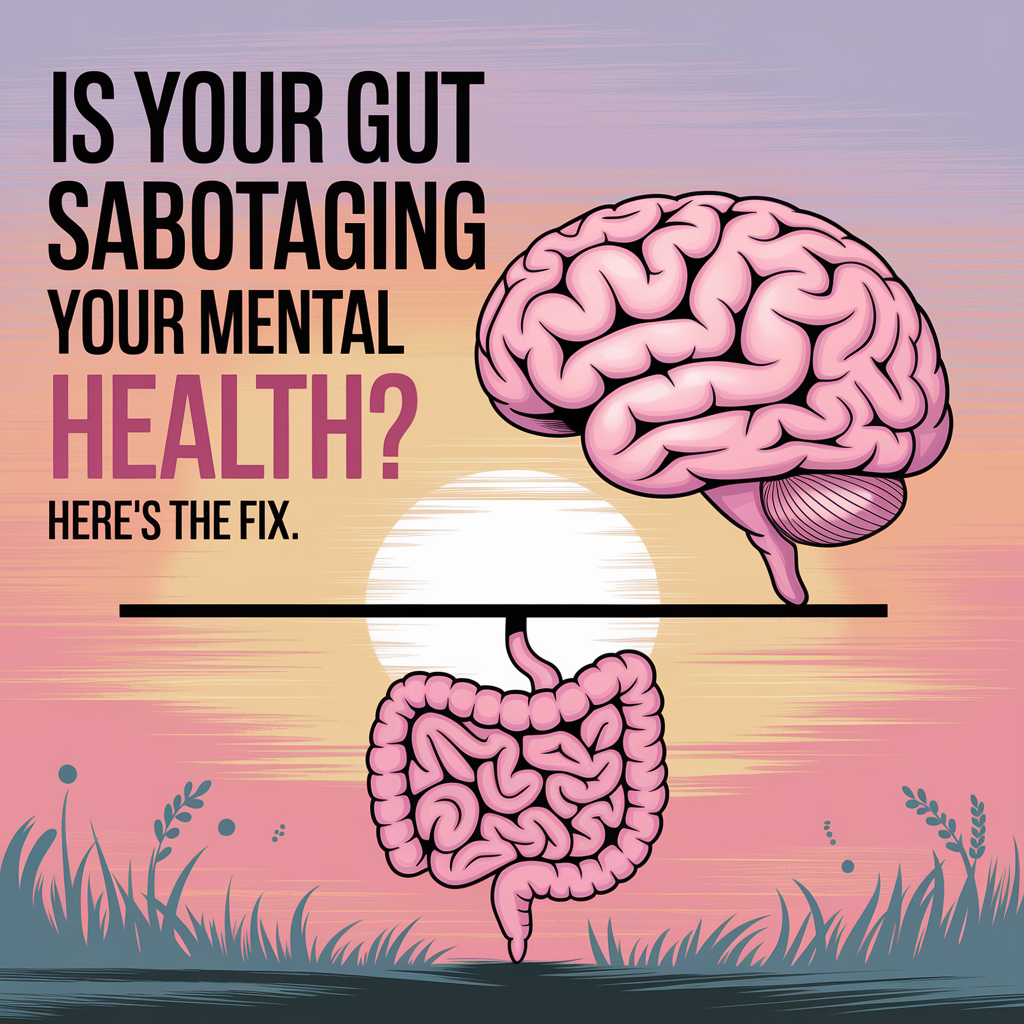
If you notice your post-meal sick feeling is significantly worse on stressful days, during stressful periods of life, or when you eat while working, scrolling, or in conflict — stress is playing a direct role in your symptoms. The connection between gut health and mental health runs both ways — improving your gut health genuinely reduces stress reactivity, and reducing stress genuinely improves digestion.
Cause 8: Post-COVID Gut Dysbiosis
This is a newer but increasingly well-documented cause of post-meal sickness that’s worth mentioning given how many people experienced it after COVID-19 infection. COVID-19 has a significant effect on the gut microbiome — disrupting bacterial communities in ways that persist for months after recovery in many people.
Post-COVID gut dysbiosis produces a wide range of digestive symptoms including post-meal nausea, bloating, and that general sick feeling after eating. If your symptoms started or significantly worsened after a COVID infection, the gut microbiome disruption from the infection is worth addressing directly with a comprehensive probiotic approach alongside the enzyme support.
When to See a Doctor
Feeling sick after eating is usually functional — driven by the causes above — but certain presentations warrant medical evaluation.
See your doctor if:
- You’re losing weight without trying
- Nausea is severe or you’re actually vomiting regularly after meals
- You have significant difficulty swallowing alongside nausea
- Symptoms came on suddenly after being completely normal
- There is blood in your stool or vomit
- You have significant upper right abdominal pain after fatty meals — this can indicate gallbladder issues
- Symptoms are progressive and worsening over weeks
Gallbladder disease in particular produces classic post-meal nausea — especially after fatty meals — that’s frequently mistaken for general digestive sensitivity. If fatty meals specifically make you feel significantly sick with upper right abdominal discomfort, this is worth investigating.
The Practical Protocol — What to Do
Start digestive enzymes with every meal immediately. This is the fastest-acting intervention for enzymatic causes of post-meal sickness. Take one capsule of Zenwise Health Digestive Enzymes right at the start of every meal. If enzyme deficiency is a factor — which it is for many people — improvement often begins within the first few days. 👉 Check the price on Amazon.
Add a quality synbiotic for bacterial rebalancing. Seed DS-01 daily — give it 60–90 days of consistency for the bacterial work to compound. 👉 Check the price on Amazon.
Keep a food and symptom diary for two weeks. Track what you eat and how you feel afterward. Patterns emerge quickly — specific foods or food types that consistently trigger the worst reactions. This helps you identify and reduce your personal intolerances without eliminating everything from a general list.
Slow down at meals. Put your fork down between bites. Eat without screens. Chew thoroughly. Give your digestive system the mechanical head start it needs before food even reaches your stomach enzymes.
Address stress around mealtimes. Even a few minutes of calm before eating — away from work, phones, and conflict — measurably improves enzyme secretion and reduces post-meal discomfort driven by the gut-brain axis.
Reduce the biggest dietary triggers. Large fatty meals, alcohol, coffee on an empty stomach, and high-FODMAP foods are the most common contributors to post-meal sickness. Reducing these while your gut heals gives your digestive system a lower-demand environment in which to recover.
Frequently Asked Questions
Why do I feel sick after eating even when I’m not hungry?
The most common reasons are poor food breakdown from enzyme deficiency, slow gastric emptying, food intolerances, gut bacterial imbalance causing systemic inflammation, or acid reflux. The pattern and character of your sick feeling — nausea vs heaviness vs bloating — helps identify which cause is primary.
Is it normal to feel sick after every meal?
No — feeling genuinely unwell after most meals is a signal that something in your digestive process isn’t working optimally. It’s extremely common, but common doesn’t mean normal or inevitable. The causes are specific and addressable.
Can digestive enzymes stop post-meal nausea?
For nausea caused by poor food breakdown — where food is sitting in the stomach insufficiently processed — yes, often quickly. A comprehensive enzyme supplement like Zenwise ensures food gets broken down properly before it creates that backed-up sick feeling.
Can probiotics help with feeling sick after eating?
Yes — over time. Gut bacterial imbalance is one of the contributors to post-meal nausea and sickness, and a quality probiotic addresses this at the root. Results take 4–8 weeks of consistent daily use. Our top pick is Seed DS-01.
What foods are most likely to make you feel sick after eating?
Fatty meals, dairy (for lactose-sensitive people), gluten (for sensitive people), high-FODMAP foods like garlic and onions, alcohol, and very large meal volumes are the most common triggers. Keeping a food diary for two weeks is the most reliable way to identify your specific culprits.
Could my post-meal sickness be anxiety?
Yes — the gut-brain axis means anxiety produces real digestive symptoms including post-meal nausea and discomfort. If your sick feeling is consistently worse on anxious days or during stressful life periods, the gut-brain connection is directly at work.
What’s the difference between feeling sick after eating and food poisoning?
Food poisoning typically comes on suddenly 30 minutes to several hours after a specific meal, often involves vomiting and diarrhea, and resolves within 24–48 hours. Chronic post-meal sickness that happens after most meals over weeks or months is a gut health issue rather than food poisoning.
You Should Feel Better After Eating — Not Worse
Food is supposed to fuel you. Meals are supposed to be enjoyable and energizing. Feeling sick after eating — every time, with every meal — is your gut telling you clearly and consistently that something isn’t right.
The causes are understandable. The solutions are available. And for the vast majority of people whose post-meal sickness is functional rather than structural, the right combination of digestive enzyme support, microbiome rebalancing, and smart dietary adjustments produces meaningful improvement within a few weeks and dramatic improvement within a few months.
Start tonight. Your next meal can already be better than your last one.
👉 Try Zenwise Digestive Enzymes on Amazon — fastest acting for post-meal nausea and discomfort.
👉 Try Seed DS-01 on Amazon — long-term gut rebalancing.
More from TummyCure:
- Why Am I Bloated After Every Meal?
- Why Does My Stomach Hurt When I Wake Up?
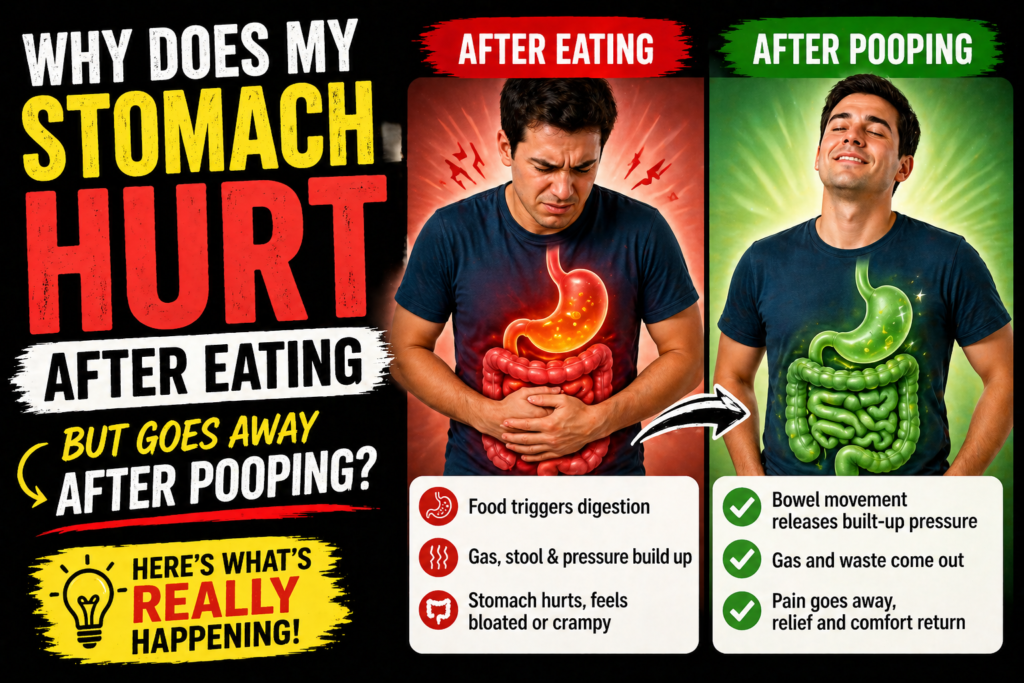
- Why Does My Stomach Hurt After Eating But Goes Away After Pooping?
- Zenwise Digestive Enzymes — Full Review
- Seed DS-01 — Full Review
- 8 Signs Your Body Needs Digestive Enzymes
- 8 Signs Your Gut Needs a Probiotic
- Best Digestive Enzymes for Bloating
- Living With Acid Reflux
- Is Your Gut Sabotaging Your Mental Health?
- The Complete Gut Health Guide
About the Author
Rachel Donnelly is a certified nutritional health coach and gut health writer who spent years struggling with IBS and bloating before making digestive wellness her specialty. She writes for TummyCure with one goal: cut through the noise and tell you what actually works. When she’s not deep in microbiome research, she’s fermenting things in her kitchen and losing arguments with her husband about whether kombucha counts as a dessert.
As an Amazon Associate we earn from qualifying purchases through some links in our articles.