
Loud stomach gurgling and rumbling after meals isn’t random — it’s audible feedback from your gut. Here’s exactly what’s causing it and how to quiet it down.
Those Sounds Are Your Gut Talking — Here’s What It’s Saying
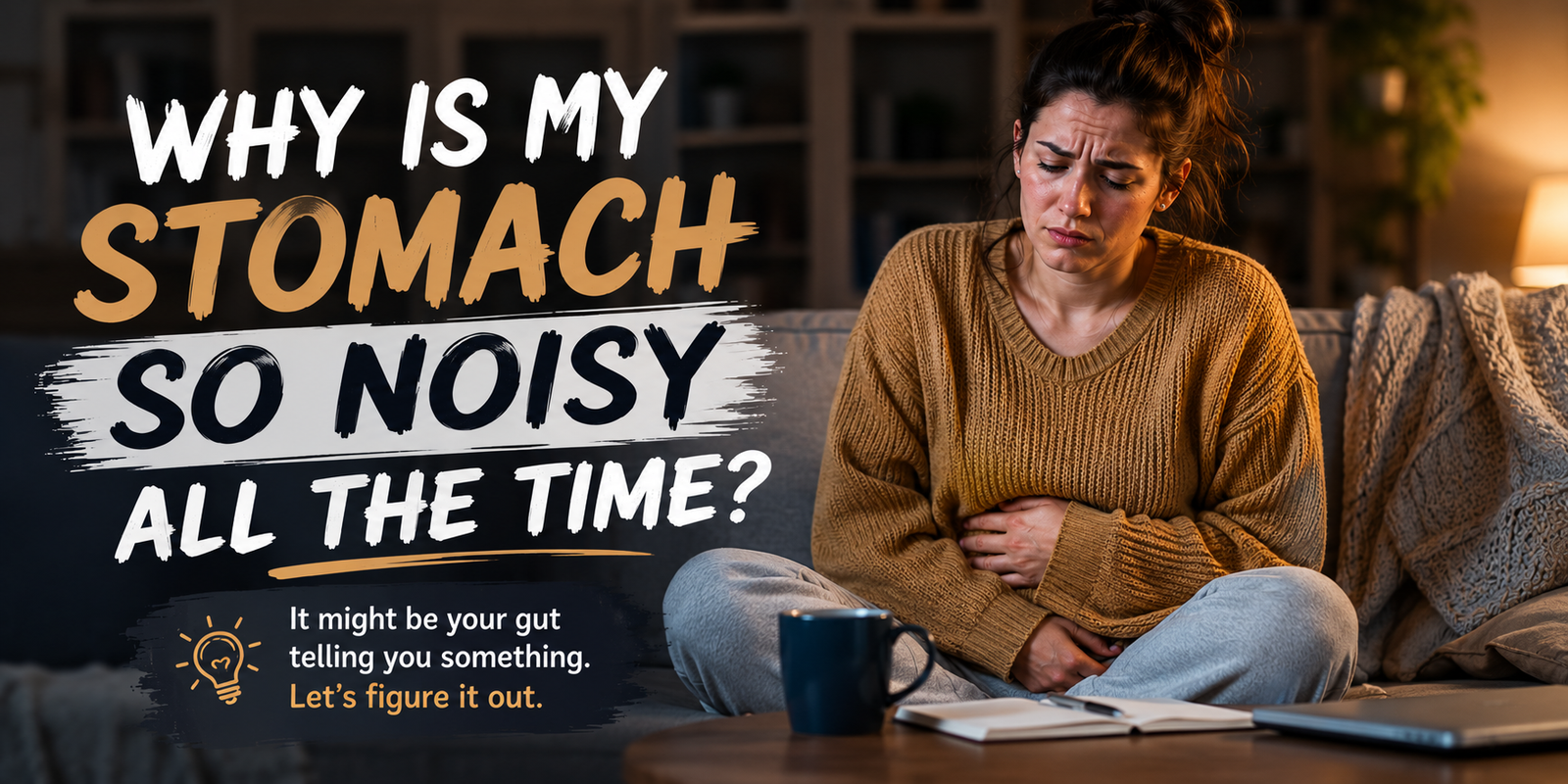
Gurgling. Rumbling. Growling. Squeaking. Sometimes loud enough that the person sitting next to you can hear it. Stomach noises after eating are one of those things that are embarrassing enough to notice but normal enough that most people never actually look into what’s causing them.
Here’s the thing — occasional stomach noises after eating are completely normal. But frequent, loud, or uncomfortable stomach sounds that happen after most meals are telling you something specific about your digestion. And what they’re telling you is actually pretty useful once you know how to interpret it.


What’s Actually Making the Sound
The medical term for stomach and intestinal sounds is borborygmi — which is genuinely one of the better onomatopoeic words in medicine. These sounds are produced by the movement of gas and fluid through your digestive tract as your intestinal muscles contract and push contents along.
Your digestive system is constantly in motion — waves of muscular contraction called peristalsis move food, fluid, and gas through your intestines continuously. When gas and liquid move through a tube together, they produce sound. The louder and more frequent the sound, the more gas is present and the more actively your intestines are contracting.
A quiet stomach doesn’t mean a healthy one — complete silence can actually indicate sluggish gut motility. But excessive, uncomfortable noise after eating almost always indicates more gas than your gut should be producing, which points directly to what’s happening with your digestion.

Cause 1: Excess Gas From Incomplete Food Breakdown
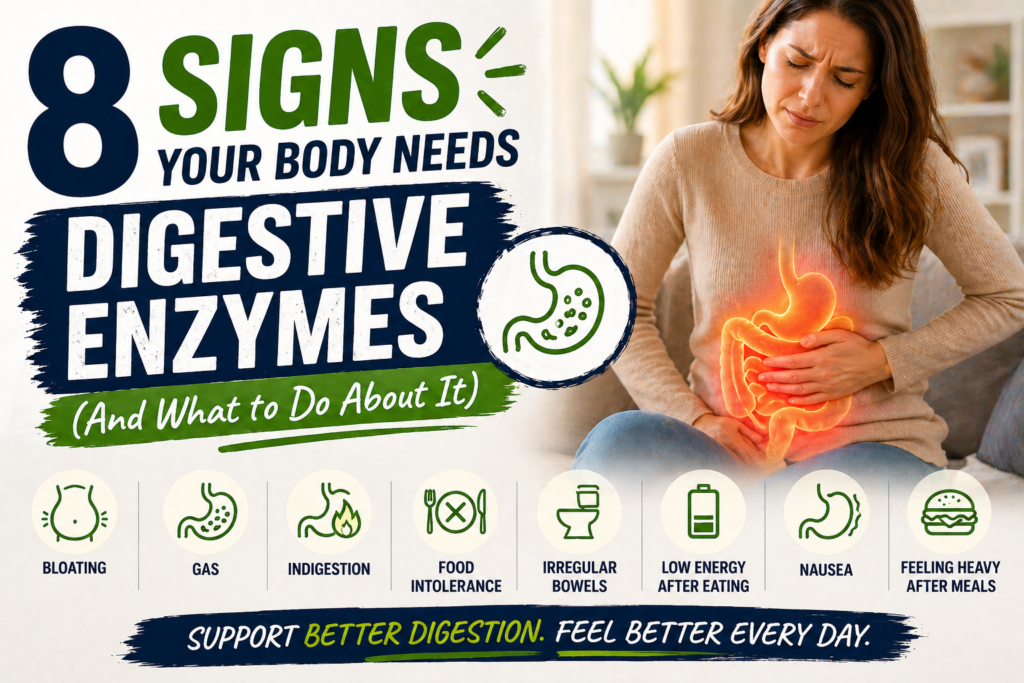
The most common cause of loud post-meal stomach noises is excess gas in your intestines — and the most common cause of excess gas is food arriving in your large intestine incompletely digested.
When your digestive enzymes don’t fully break down carbohydrates, proteins, or fats in the stomach and small intestine, that undigested material reaches the bacteria in your large intestine. Those bacteria ferment it — producing gas as a byproduct. That gas, mixed with the fluid and remaining digestive contents in your intestines, is what produces the gurgling and rumbling you hear after eating.
The louder and more prolonged the noise, the more fermentation is happening. This is your gut giving you audible feedback that food breakdown isn’t happening efficiently enough upstream.

A comprehensive digestive enzyme supplement taken at the start of every meal addresses this directly — reducing the amount of undigested material that reaches your bacteria and therefore reducing the fermentation and gas that produces the noise. Zenwise Health Digestive Enzymes is our top recommendation for this. Check the current price on Amazon.
Cause 2: An Imbalanced Gut Microbiome
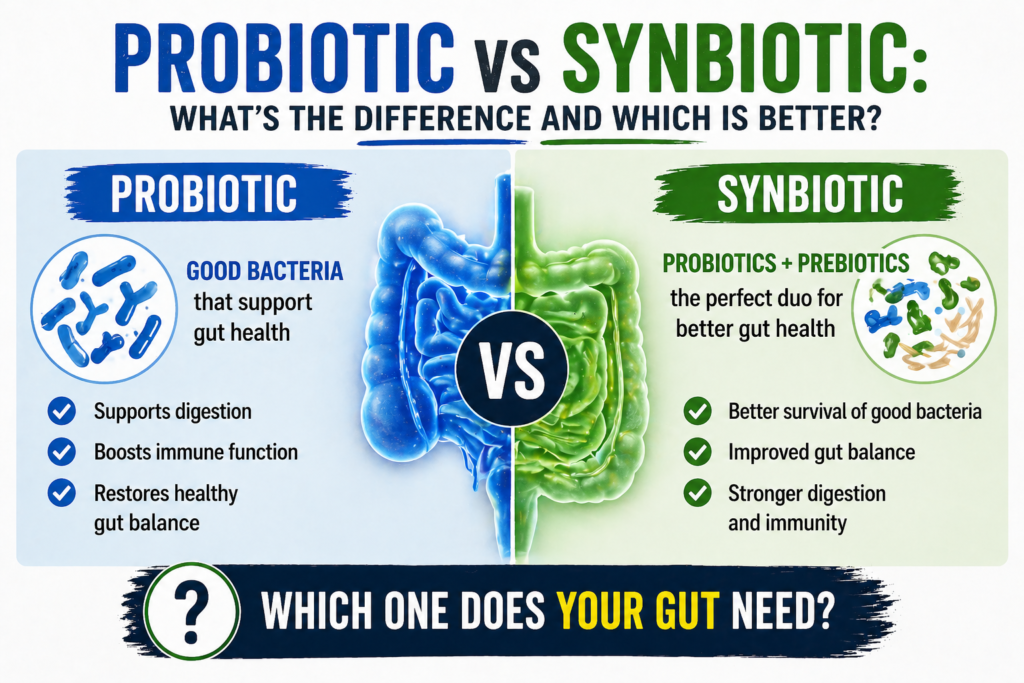
Not all gut bacteria are equal when it comes to gas production. Beneficial bacteria — Lactobacillus and Bifidobacterium species — ferment food relatively quietly, producing short-chain fatty acids that are actually beneficial to gut health. Harmful bacteria — particularly certain species that proliferate when the microbiome is disrupted — ferment food aggressively and produce significantly more gas.
A microbiome weighted toward gas-producing harmful bacteria produces more intestinal noise after eating — more fermentation, more gas, more gurgling. The post-meal sounds are louder and more prolonged than they should be because the bacterial composition of your gut is tilted toward the noisier end of the spectrum.
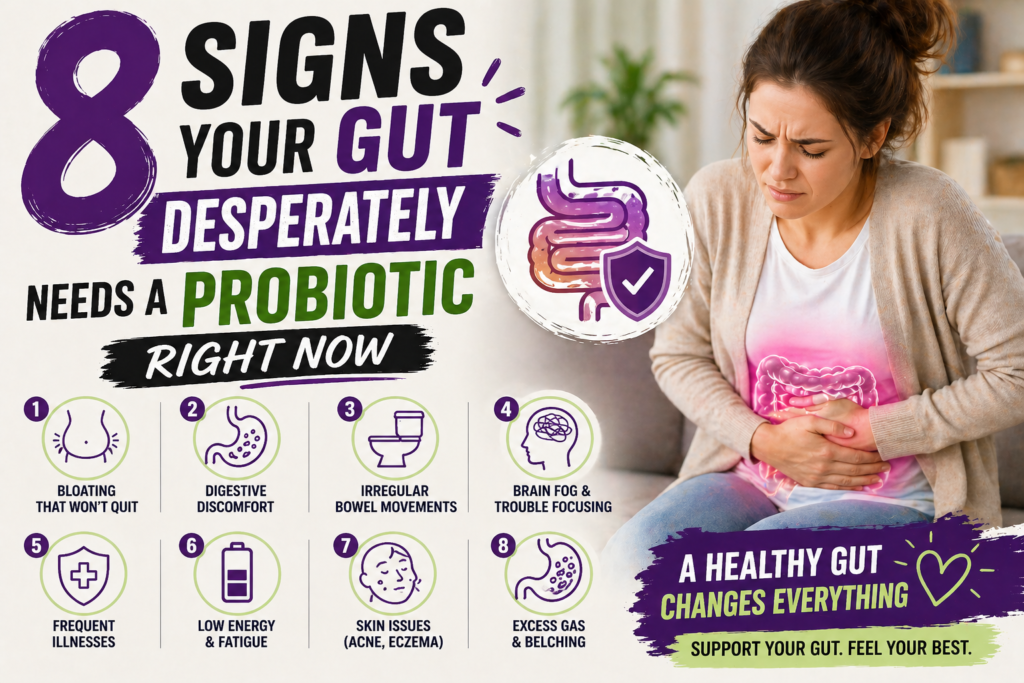
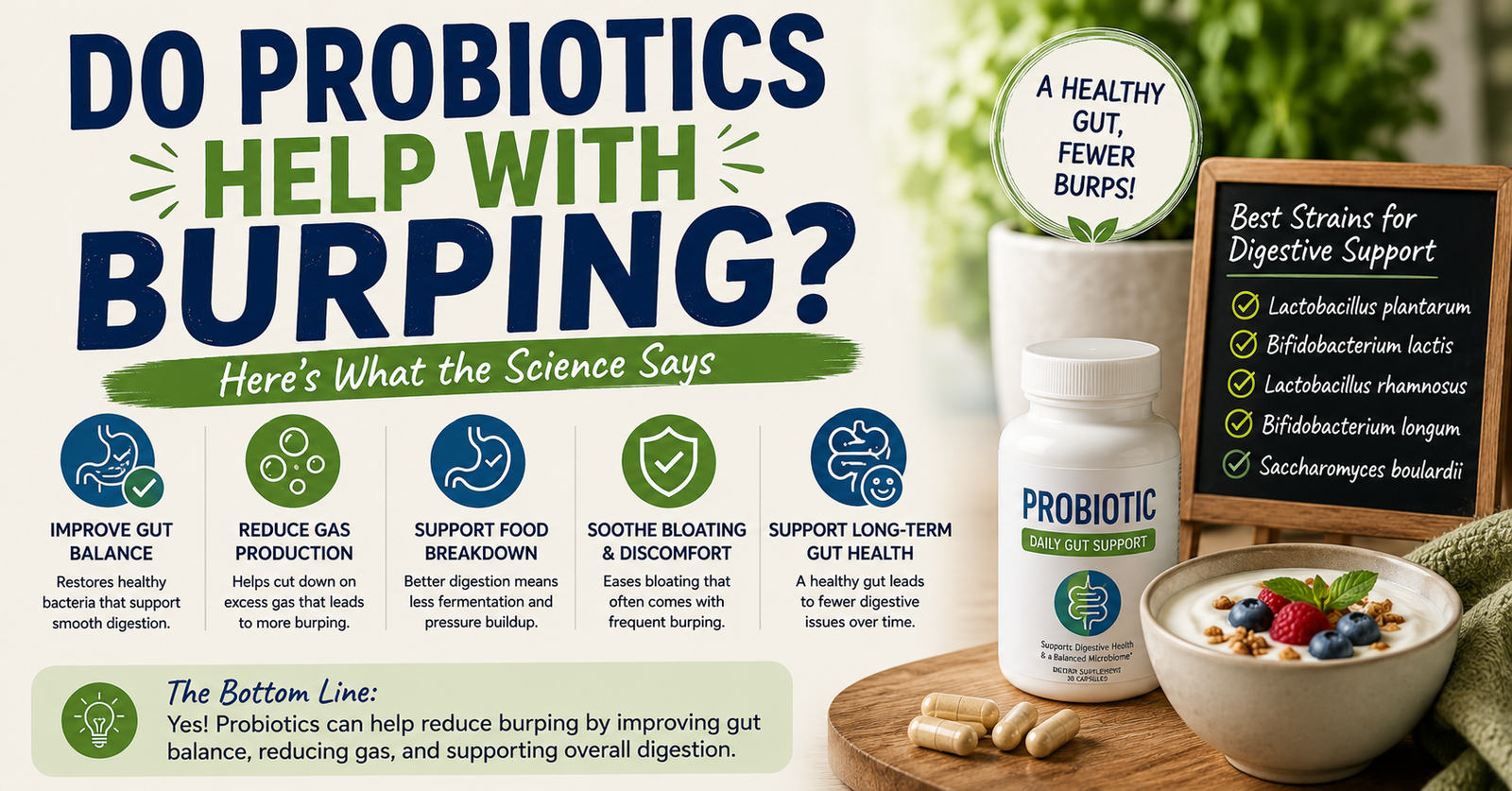
This is why people who start a quality probiotic often notice their gut becoming quieter as the weeks go on — not as the first thing they notice, but as a side effect of the bacterial rebalancing that’s reducing the gas-producing bacterial load. If excess gut noise is one of several symptoms you’re experiencing, bacterial imbalance is worth addressing directly.
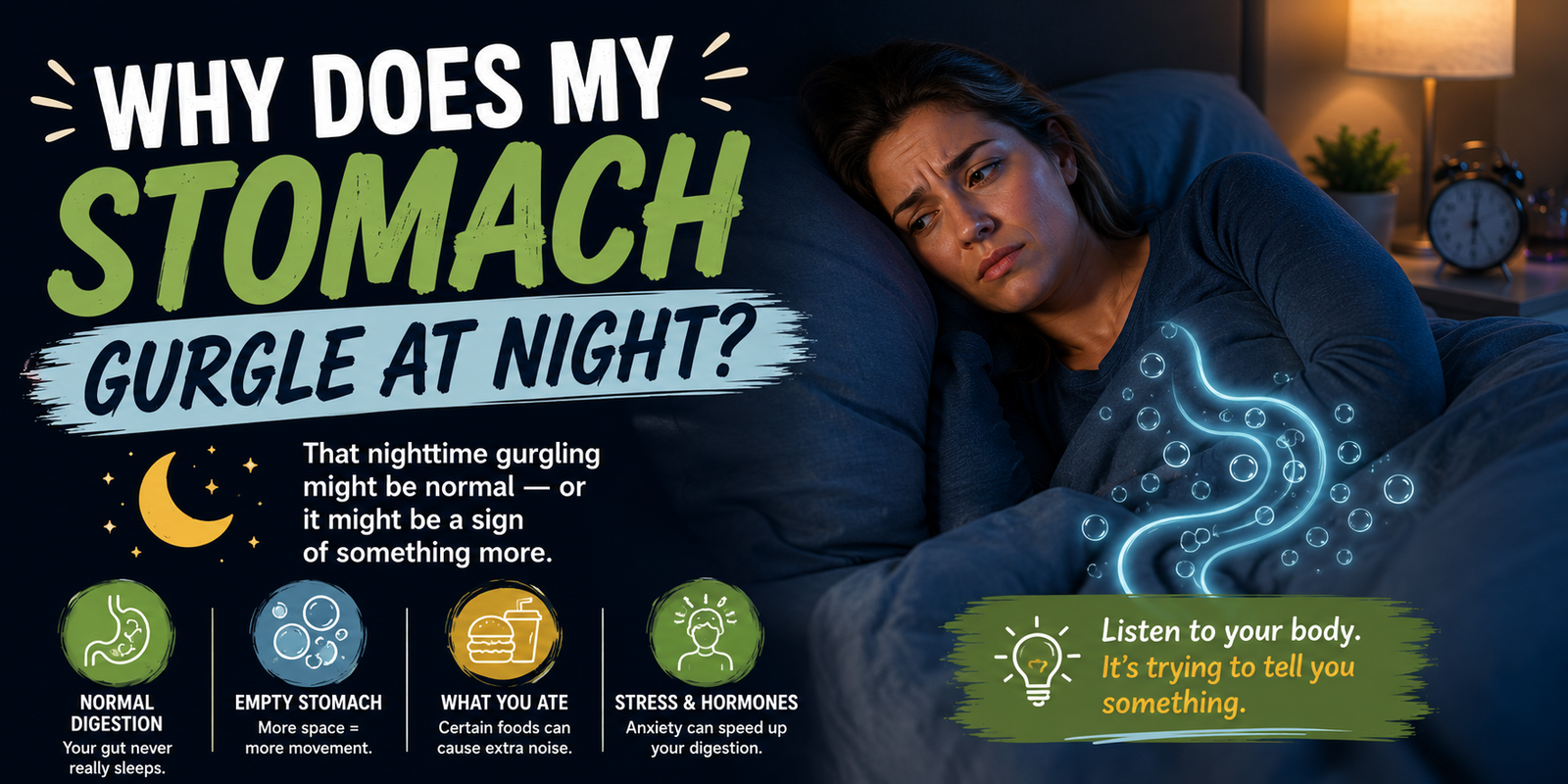
Cause 3: High-FODMAP Foods Hitting Your Bacteria
FODMAPs — fermentable carbohydrates found in garlic, onions, beans, certain fruits, wheat, and dairy — are specifically designed by nature to reach your large intestine largely intact and feed your gut bacteria. That’s great when your bacterial community is healthy and diverse. It produces a lot of noise and gas when your microbiome is disrupted or when the FODMAP load is high.
If your post-meal stomach noises are loudest after specific meals — particularly meals heavy in garlic, onions, beans, or cruciferous vegetables like broccoli and cauliflower — FODMAP fermentation is the direct cause of what you’re hearing. These foods are feeding your gut bacteria and the sounds are the bacterial response to that feeding.
This doesn’t necessarily mean you need to avoid these foods permanently. It means your gut bacteria are producing more gas from them than a well-balanced microbiome would. Reducing your highest-FODMAP foods while improving your microbiome over time often allows these foods to be tolerated much better once the bacterial balance shifts.
Cause 4: The Migrating Motor Complex — Normal Noise Between Meals
This one is worth knowing about because it explains the stomach noises that happen when you haven’t eaten recently — which people often confuse with post-meal noise but is a completely different mechanism.
The migrating motor complex (MMC) is a wave of intestinal contractions that occurs every 90 to 120 minutes during periods of fasting — it’s your gut’s housekeeping system, sweeping residual contents and bacteria through the intestines. This produces the classic “stomach growling” that most people associate with hunger — it’s not actually caused by hunger but by the MMC doing its cleanup work. The migrating motor complex explains why this fasting cleanup cycle can sound like hunger.
If you’re hearing stomach noises in the first 30 minutes after eating, it’s almost certainly the food-related mechanisms above. If the noises come 90 minutes or more after eating, you might actually be hearing your MMC rather than post-meal fermentation — which is completely normal.



Cause 5: Swallowed Air Moving Through
Every time you eat, drink, or even talk, you swallow some air. That air has to travel through your digestive system — and as it moves through, it produces sounds. Eating quickly swallows significantly more air. Carbonated drinks introduce large amounts of gas directly. Talking while eating, eating with your mouth open, and chewing gum all add to the swallowed air load.
This type of noise tends to occur earlier after eating — within the first 15 to 30 minutes — and is more of a gurgling or bubbling than the deeper rumbling associated with fermentation. It’s not dangerous and produces no real discomfort beyond the noise itself in most cases.
Slowing down when you eat, avoiding carbonated drinks with meals, and not talking excessively while chewing all reduce this cause without requiring any supplements or dietary changes.
Cause 6: IBS and Heightened Gut Motility
People with IBS — particularly IBS-D — have measurably faster and stronger intestinal contractions than people without it. Those stronger contractions move intestinal contents — including gas — more forcefully and noisily through the gut. Post-meal sounds in people with IBS are often louder, more prolonged, and accompanied by more discomfort than in people without the condition.
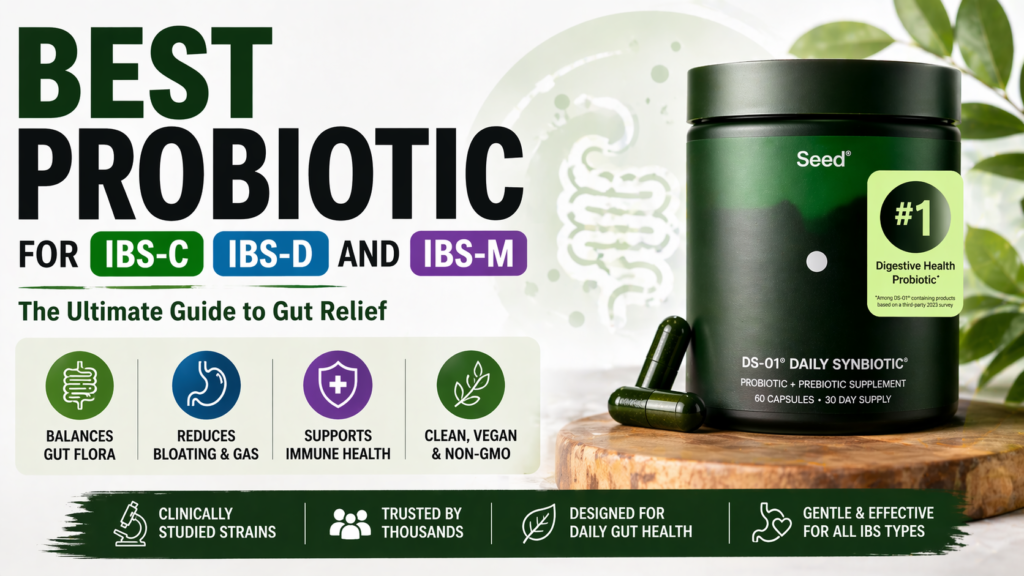
The heightened motility in IBS is directly tied to the gut bacterial imbalance and gut hypersensitivity that characterize the condition. Addressing the microbiome — with consistent quality probiotic use over months — is the most effective long-term approach to calming both the motility and the noise. The best probiotic for your IBS type matters significantly for this.


When Stomach Noises Are Worth Investigating
Stomach sounds alone — even loud ones — are almost never a sign of anything serious. But these accompanying symptoms warrant medical evaluation:
- Stomach noises accompanied by significant pain that doesn’t resolve
- Complete absence of bowel sounds for an extended period — this can indicate a bowel obstruction
- Sounds accompanied by vomiting, fever, or severe cramping
- Dramatic change in your normal gut sounds pattern — much louder or much quieter than usual
- Sounds accompanied by blood in the stool
For most people reading this, the sounds are a nuisance and an embarrassment rather than a medical concern. They’re your gut giving you audible feedback about your digestion — and that feedback is actually useful.
What Actually Reduces Post-Meal Stomach Noise
Take a digestive enzyme with every meal. Less undigested food reaching your gut bacteria means less fermentation and less gas. The audible reduction in post-meal noise is often one of the first things people notice when starting enzymes — sometimes within the first week. Zenwise Digestive Enzymes is our top pick. Check the price on Amazon.

Rebalance your gut microbiome. A healthier bacterial community produces less gas from the same food. This takes longer — 60–90 days of consistent daily probiotic use — but produces lasting improvement. Seed DS-01 is our top recommendation. Check the price on Amazon.
Reduce your highest-FODMAP foods. Garlic, onions, beans, and cruciferous vegetables are the loudest fermenters. Reducing these specifically — not necessarily eliminating them — noticeably reduces post-meal noise for most people within days.
Eat more slowly and chew more thoroughly. Less swallowed air and better mechanical food breakdown both reduce the gas driving post-meal sounds. Eating without distractions and putting utensils down between bites makes this easier to actually do.
Avoid carbonated drinks with meals. You’re literally swallowing gas. Switching to still water with meals removes one of the most direct sources of post-meal gut noise.

Frequently Asked Questions
Why does my stomach gurgle and make noises after eating?
Post-meal stomach sounds are produced by gas and fluid moving through your intestines as they contract. The most common causes of excessive post-meal noise are gas from incomplete food breakdown, gut bacterial fermentation of undigested food, and high-FODMAP foods feeding gas-producing bacteria in the colon.
Is it normal for your stomach to make loud noises after eating?
Some noise is completely normal. Loud, prolonged, uncomfortable noise after most meals signals excess gas production — usually from incomplete food breakdown or bacterial imbalance — that’s worth addressing rather than just accepting.
Can digestive enzymes reduce stomach gurgling?
Yes — this is one of the more noticeable effects of starting enzymes. Less undigested food reaching gut bacteria means less fermentation and less gas. Many people report their gut becoming measurably quieter after meals within the first week of consistent enzyme use.

Why is my stomach noisier after some meals than others?
Usually because of FODMAP content — meals high in garlic, onions, beans, or cruciferous vegetables produce significantly more bacterial fermentation and noise than lower-FODMAP meals. Stress level, enzyme production, and meal size also vary between meals and affect noise levels. The threshold and stacking concepts from inconsistent post-meal symptoms apply here too.
Can probiotics reduce stomach noises after eating?
Over time, yes. A healthier microbiome produces less gas from the same food. The improvement is gradual — you’re shifting bacterial populations over weeks — but it’s real and lasting. Our top recommendation is Seed DS-01.
What foods cause the most stomach noise after eating?
High-FODMAP foods produce the most bacterial fermentation and noise — garlic, onions, leeks, beans and lentils, broccoli, cauliflower, Brussels sprouts, apples, pears, and dairy for lactose-sensitive people. Carbonated drinks add direct gas. Large portions of any food produce more noise than smaller portions of the same food.
Your Gut Is Giving You Real-Time Feedback
The sounds your stomach makes after eating aren’t random. They’re audible evidence of your digestion at work — and when they’re louder or more prolonged than they should be, they’re telling you specifically that too much gas is being produced, which means too much undigested food is reaching your bacteria.
That’s fixable. Digestive enzymes reduce the undigested food load. A quality probiotic shifts the bacterial community toward less gas-producing strains. Dietary adjustments reduce the highest-FODMAP fermentation load. The result isn’t just a quieter gut — it’s a gut that’s actually working the way it’s supposed to.
More from TummyCure:
- Why Am I Bloated After Every Meal?
- Stomach Gurgling at Bedtime — Here’s Why
- Zenwise Digestive Enzymes — Full Review
- Best Digestive Enzymes for Bloating
- 8 Signs Your Body Needs Digestive Enzymes
- Why Does My Stomach Hurt After Eating But Not Always?
- Why Do I Bloat More at Night Than in the Morning?
- Do Digestive Enzymes Help IBS?
- Best Probiotic for IBS
- The Complete Gut Health Guide
About the Author
Rachel Donnelly is a certified nutritional health coach and gut health writer who spent years struggling with IBS and bloating before making digestive wellness her specialty. She writes for TummyCure with one goal: cut through the noise and tell you what actually works. When she’s not deep in microbiome research, she’s fermenting things in her kitchen and losing arguments with her husband about whether kombucha counts as a dessert.
As an Amazon Associate we earn from qualifying purchases through some links in our articles.