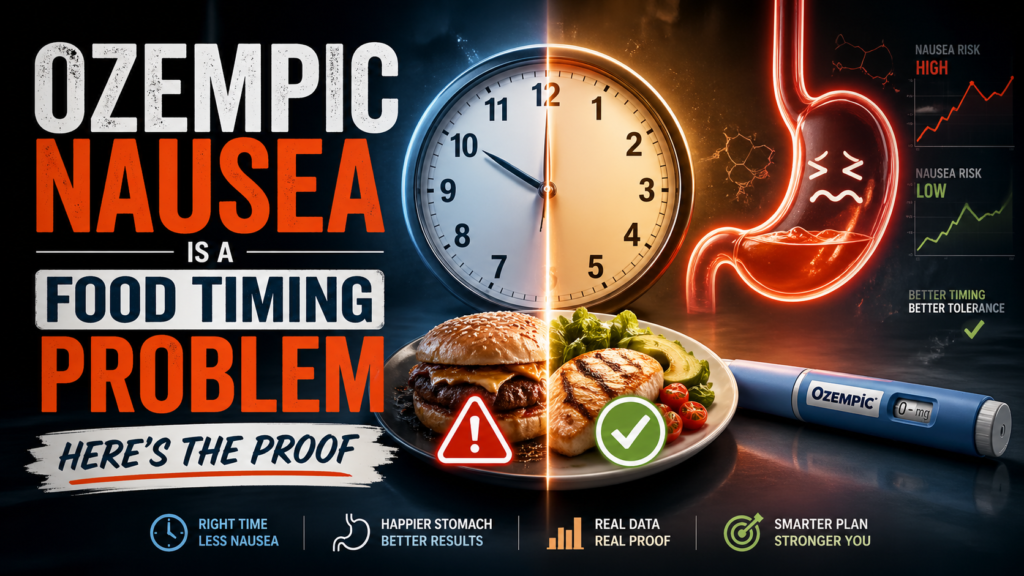
Most Ozempic nausea isn’t about what you eat — it’s about when and how much. Here’s the food timing strategy that makes GLP-1 nausea manageable.
The Nausea Isn’t Random — It Follows a Pattern You Can Control
If you’ve been on Ozempic, Wegovy, or another GLP-1 medication for more than a week, you’ve probably noticed that some meals make you feel terrible and others are completely fine. Same medication. Sometimes the same food. Completely different outcomes.
That inconsistency isn’t random. It’s food timing and food composition working with — or against — a stomach that’s operating under completely different rules than it used to. Once you understand those rules, the nausea becomes predictable. And predictable means preventable.
This is everything you need to know about eating on GLP-1 medications to minimize nausea without compromising your results.
Why Food Timing Matters More Than Food Choice on GLP-1 Medications
Most dietary advice for Ozempic nausea focuses on what to eat — soft foods, bland foods, low-fat foods. That’s not wrong. But the when and how much matter just as much as the what — and these get far less attention.
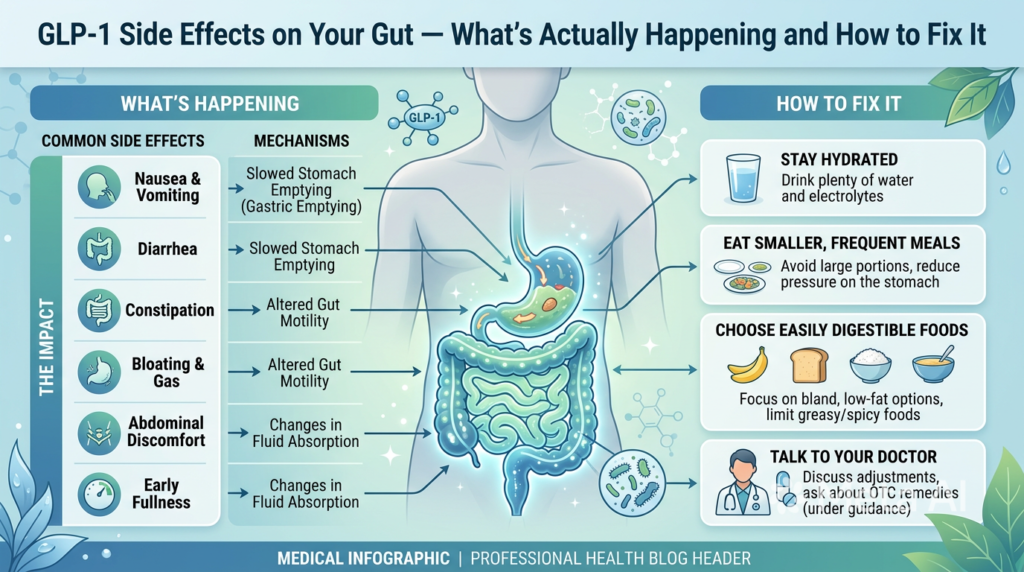
Here’s the core physiology: your stomach normally empties its contents into the small intestine at a controlled rate. On semaglutide, that rate slows by 30 to 50% or more. Your stomach is doing the same job it always did — but with significantly less throughput capacity.
When you eat a normal-sized meal at normal speed into a half-speed stomach, you overflow the system. The stomach holds more food than it can process comfortably, stretch receptors fire distress signals, acid production continues against food that isn’t moving on, and nausea is the result. It’s not the food causing the problem. It’s the volume and timing relative to your stomach’s current capacity.
This is why two people can eat the same thing on Ozempic and have completely different experiences — the one who ate slowly, in a smaller portion, at a better time felt fine. The one who ate quickly, ate a normal portion, and ate at the wrong time felt sick for hours.

The Food Timing Rules That Actually Matter
Rule 1: Half Portions — Always, Not Just When You Feel Bad
The single most impactful change you can make is cutting your normal portion size in half and eating more frequently. Not just on bad days. Not just after dose increases. Every meal, every day, as a permanent adjustment to your new gastric reality.
A stomach that’s never overloaded handles the reduced emptying rate with minimal discomfort. A stomach flooded with a normal portion size that used to be fine is now too much for the system to handle without distress. The capacity has changed — your portion sizes need to change with it.
This doesn’t mean eating less total food necessarily — it means spreading the same amount across more eating occasions. Four to five smaller meals produces far less nausea than two or three larger ones, even at the same total caloric intake.
Rule 2: Eat Your Largest Meal at Midday — Not at Night
Gastric emptying is naturally faster earlier in the day and slower in the evening — this is a well-documented circadian effect on digestive function. GLP-1 medications slow emptying across the board, but this circadian variation persists. The same meal that causes moderate nausea at dinner would cause significantly less at lunch.
Most people’s largest meal is dinner — the worst possible timing on a GLP-1 medication. Shifting your largest meal to midday and keeping dinner light is one of the most effective timing adjustments you can make. You eat the same food — just at a time when your stomach can handle it more efficiently.
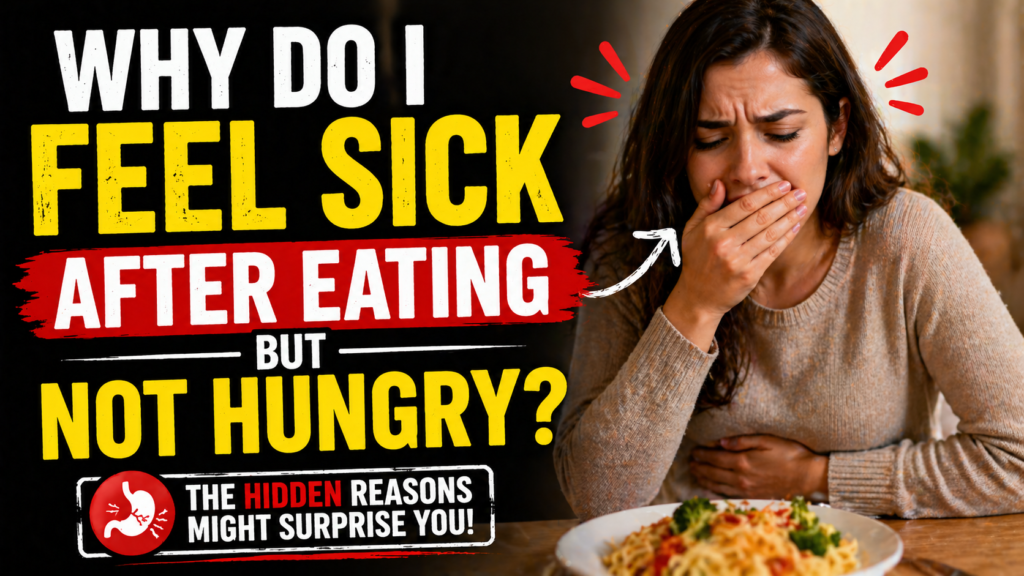
Evening nausea and overnight discomfort — which many GLP-1 users experience — is almost entirely a dinner-timing and dinner-size problem. Feeling sick after eating in the evening has specific mechanisms that this single timing shift addresses directly.
Rule 3: Stop Eating Two to Three Hours Before Bed — Minimum
A stomach that empties at half speed needs significantly more time to clear before you lie down. When you lie down, gravity no longer assists gastric emptying — and acid that was being contained in the stomach by gravity can now flow upward into the esophagus.
Eating close to bed on a GLP-1 medication is a reliable way to guarantee overnight nausea, acid reflux, and disrupted sleep. The cutoff that works for most people is two to three hours minimum — more is better. If nausea is particularly severe, try four hours and see whether overnight symptoms improve.
Rule 4: Know Your Post-Injection Window
For weekly injection users, semaglutide blood levels peak approximately 24 to 48 hours after injection — and this is when gastric emptying is most significantly slowed and nausea is most likely. Planning your eating around this window is one of the most practical timing strategies available.
In the 24 to 48 hours after injection, keep meals as small and simple as possible. Liquid or semi-liquid meals — soups, smoothies, yogurt — are easier for a maximally slowed stomach to process than solid food. As the week progresses and blood levels decline, you’ll find you can eat more normally.
Many people find a predictable weekly rhythm once they identify their personal peak nausea window — and working with that rhythm rather than ignoring it makes the medication dramatically more tolerable.
Rule 5: Eat Slowly — Slower Than You Think You Need To
Eating quickly on a GLP-1 medication is a compounding problem. You swallow more air, which adds gas pressure to an already-full stomach. You consume more food before fullness signals register — which on these medications are already amplified and arrive faster than normal. And you overwhelm the stomach’s processing capacity in a shorter window.
Put your fork down between every bite. Set a timer if you need to — aim for at least 20 minutes per meal. Stop at the first sign of fullness — on GLP-1 medications, the gap between “just right” and “too much” is far narrower than it used to be. If you wait until you feel full you’ve almost certainly already eaten too much for your stomach’s current capacity.
The Foods That Make Ozempic Nausea Dramatically Worse
Timing is the most important variable but food composition matters too — particularly during the peak nausea periods after injection and dose increases.
High-fat foods are the biggest nausea trigger on GLP-1 medications. Fat is the most powerful stimulator of GLP-1 receptor activity — meaning fatty meals amplify the gastric emptying slowdown further beyond what the medication alone produces. A fatty meal on semaglutide compounds the problem in a way that makes nausea dramatically worse than a lower-fat meal of the same size. Fried food, rich sauces, fatty cuts of meat, and full-fat dairy are the main culprits during peak nausea windows.
Spicy food irritates the stomach lining and can trigger nausea independently of the GLP-1 mechanism — on top of already-present nausea it’s particularly unpleasant.
Carbonated drinks introduce gas directly into a stomach that’s already under pressure. The bubbles expand in a stomach that can’t empty quickly, adding mechanical pressure that worsens nausea and bloating. Flat water, herbal teas, and still drinks are significantly better choices.
Very sweet foods and drinks — particularly sugary drinks — can trigger nausea through their effect on gut hormone signaling. Many GLP-1 users find they develop an aversion to very sweet foods naturally — this is partly the medication working as intended.
Alcohol slows gastric emptying independently of semaglutide, compounds nausea, irritates the stomach lining, and dehydrates. During peak nausea periods it’s worth avoiding entirely. On more stable days, if you drink, keep it to very small amounts with food.

Foods That Are Easiest on Your Stomach
During the worst nausea windows — first weeks of treatment and after each dose increase — these are the foods and formats your stomach can handle most easily:
Protein first, always. Lean protein — chicken, fish, eggs, Greek yogurt — digests more easily than fat-heavy foods and is the nutrient you most need to prioritize on a reduced caloric intake. Getting adequate protein prevents muscle loss alongside fat loss which is critical for long-term results. The complete GLP-1 gut guide covers why protein prioritization matters beyond just nausea management.
Soft, easy-to-digest options during peak nausea: Oatmeal, scrambled eggs, yogurt, bananas, plain rice, soup, smoothies. These move through even a slow stomach more comfortably than dense solid food.
Cold or room temperature foods. Many people find hot food worsens nausea on GLP-1 medications — cold or room temperature alternatives are often more tolerable during difficult periods.
Small amounts of ginger. Ginger has genuine antiemetic properties — it works on the gut’s serotonin receptors to reduce nausea signals. Ginger tea, ginger chews, or the ginger component in turmeric curcumin gummies with ginger provides this in practical daily forms alongside anti-inflammatory benefits.
The Supplement Layer — What Works Alongside Eating Strategies
Eating strategies alone manage most GLP-1 nausea for most people. But targeted supplement support addresses the mechanisms that dietary adjustments alone can’t fully reach.

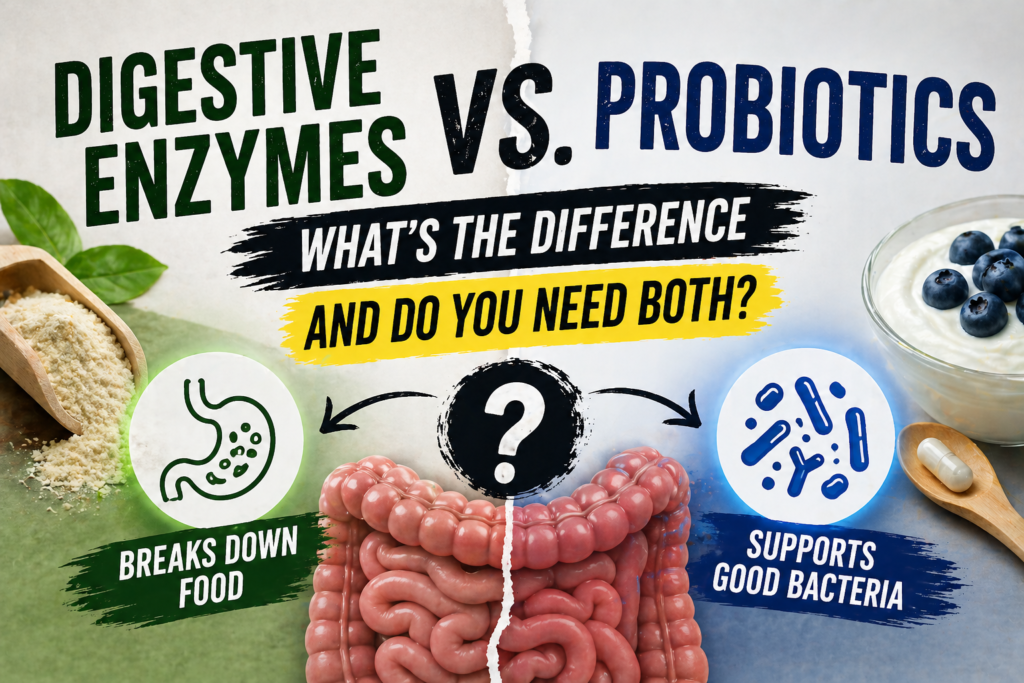
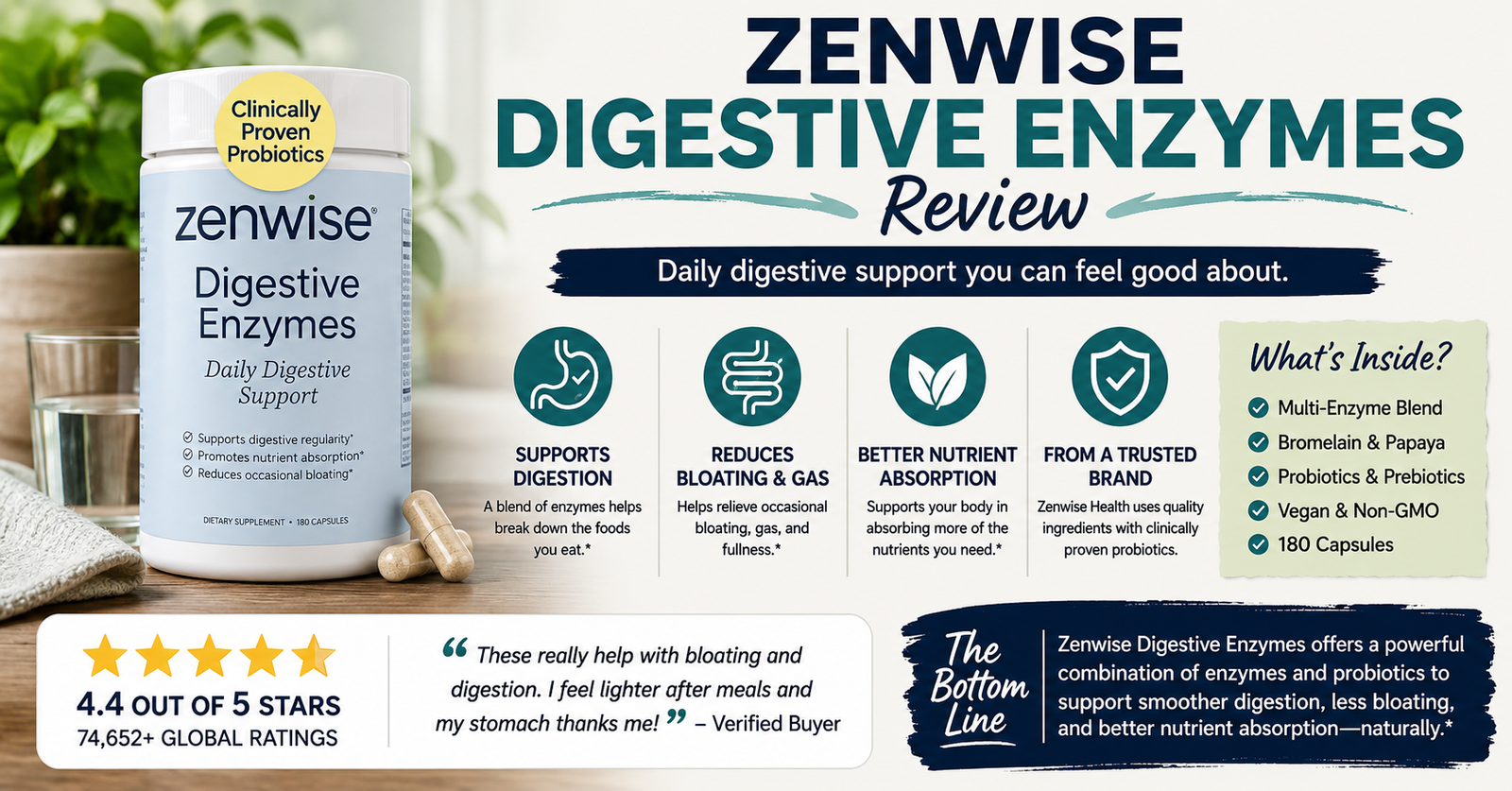
Digestive enzymes with every meal. GLP-1 medications disrupt the timing of digestive enzyme secretion — enzymes that are supposed to arrive in the small intestine coordinated with food arrival get out of sync with a stomach that empties unpredictably. Supplementing enzymes ensures adequate digestive capacity regardless of timing disruption. Zenwise Digestive Enzymes at the start of every meal reduces post-meal bloating and discomfort that compounds nausea. 👉 Check the price on Amazon.
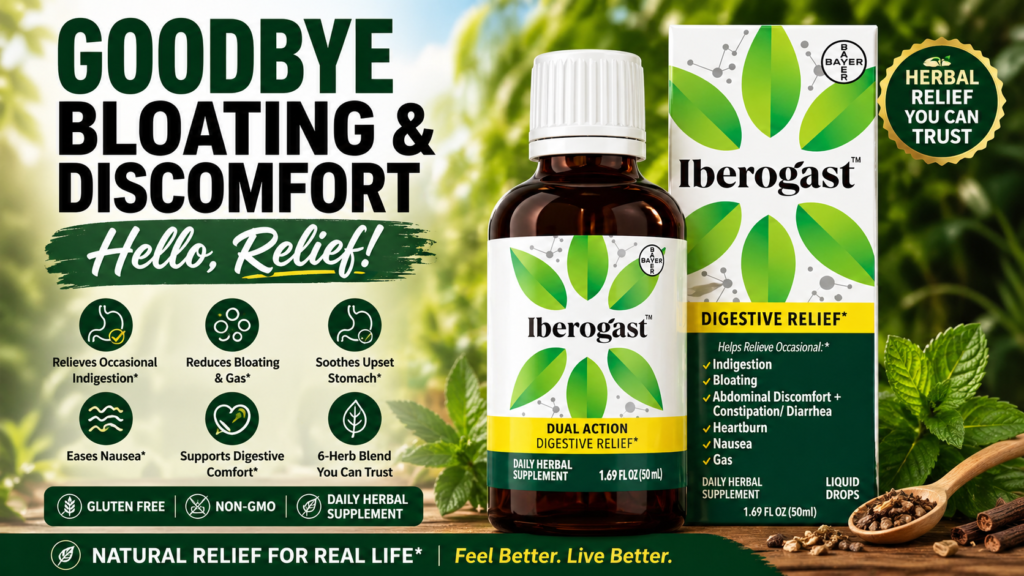
Iberogast for persistent motility issues. If nausea is severe and persistent beyond the initial adaptation window, Iberogast’s prokinetic and antiemetic properties provide herbal support for gastric emptying and nausea reduction with 60 years of clinical evidence behind it. Twenty drops in water before each meal.

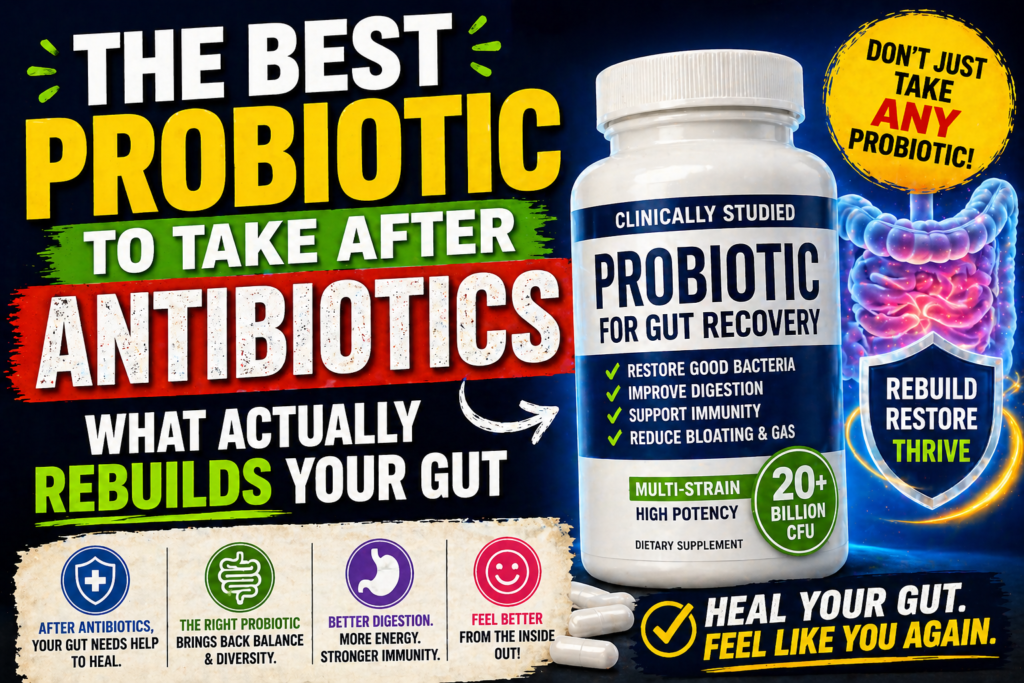
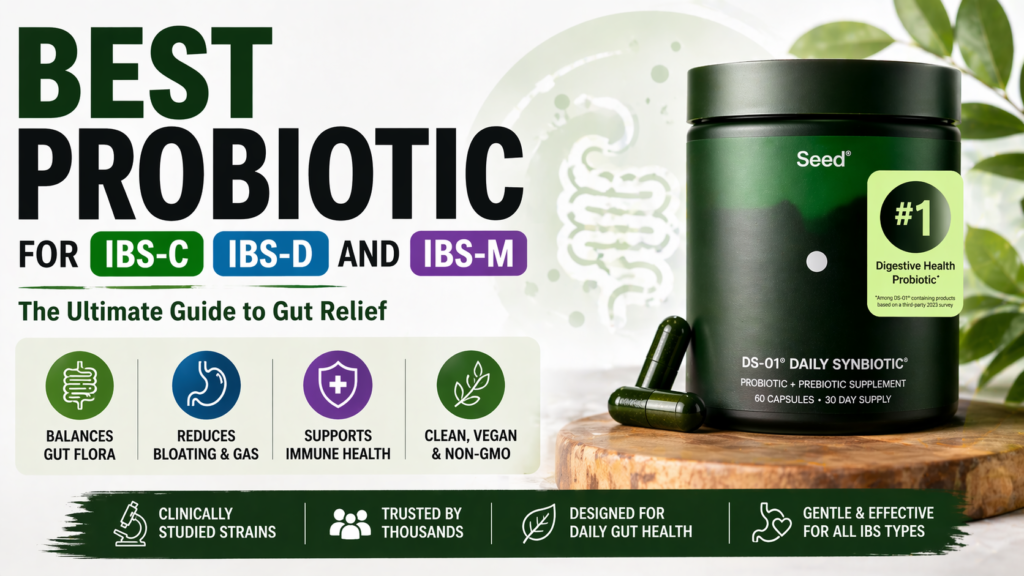
A quality probiotic for gut microbiome stability. The gut bacterial environment affects nausea through the gut-brain axis — a disrupted microbiome produces more distress signals to the brain that amplify nausea. Seed DS-01 maintains microbiome health through the transit changes GLP-1 medications produce. 👉 Check the price on Amazon.
The Oral vs Injection Nausea Difference
Oral semaglutide — Rybelsus — produces a different nausea pattern than the injectable forms. Because oral bioavailability is only around 1%, the drug must be taken in much higher doses to achieve therapeutic blood levels — and those higher doses, combined with variable absorption, can produce nausea that’s less predictable and sometimes more pronounced than the injection form.
The food timing rules for oral semaglutide are particularly important because the drug must be taken on a completely empty stomach with no more than 4 ounces of plain water — then nothing to eat or drink for 30 minutes. This means the peak absorption window happens on an empty stomach, which for some people produces more acute nausea than the injected form where blood levels rise more gradually.
If you’re on oral semaglutide and finding nausea worse than expected, the timing of your first meal after taking the medication matters significantly. Starting with something very small and protein-focused — a few bites of plain yogurt or a small amount of eggs — rather than jumping straight into a full breakfast often produces less nausea than eating a full meal immediately after the 30-minute window.
How Long Until the Nausea Improves
Most people experience the worst nausea in the first two to four weeks after starting a new dose. By weeks four to eight at a stable dose, significant improvement is the norm rather than the exception as the body adapts to the medication’s gastric effects.
This adaptation is real — the same dose that was causing daily nausea at week one is typically much more tolerable by week six. The food timing strategies speed up your effective adaptation by keeping your stomach from being repeatedly overwhelmed during the adjustment period.
Each dose increase restarts a shorter version of this adaptation cycle — expect two to three weeks of heightened nausea after each increase, then improvement. The total nausea burden decreases as you move through the titration schedule and your body becomes increasingly adapted to GLP-1 receptor activation.

Frequently Asked Questions
When is the best time to eat on Ozempic to avoid nausea?
Earlier in the day when gastric emptying is naturally faster, in small portions, eaten slowly, and at least two to three hours before bed. The 24 to 48 hours after your weekly injection are your highest-nausea window — keep meals as small and simple as possible during this period.
What foods should I avoid on Ozempic to prevent nausea?
High-fat foods are the biggest trigger — they amplify the gastric emptying slowdown beyond what the medication alone produces. Carbonated drinks, spicy food, very sweet foods, and alcohol all worsen nausea independently and should be minimized during peak nausea windows.
Why do I feel so sick after eating on semaglutide?
Because your stomach empties 30 to 50% more slowly than normal — a meal that your stomach used to handle easily now exceeds its processing capacity. The solution is smaller, slower meals timed away from peak medication activity rather than changing what you eat entirely.
Does Ozempic nausea get better over time?
Yes — for most people significantly. Weeks two through eight at a stable dose typically show substantial improvement as the body adapts. Implementing food timing strategies speeds this process by preventing the repeated stomach overloading that prolongs nausea during the adaptation window.
Can I take anything for Ozempic nausea?
Ginger in any form has genuine antiemetic properties and is safe alongside semaglutide. Digestive enzymes reduce post-meal bloating that compounds nausea. Iberogast has prokinetic properties that support more normal gastric emptying. For severe nausea, your prescriber may recommend prescription antiemetics — discuss this option if dietary strategies aren’t providing adequate relief.

Why is my Ozempic nausea worse at night?
Evening meals tend to be largest, eaten latest, and digested lying down — all three factors dramatically worsen nausea on a stomach that empties slowly. Shifting your largest meal to midday and keeping dinner very light and very early is the most effective single change for evening nausea specifically. Why symptoms build through the day covers this mechanism in detail.
Work With Your Stomach, Not Against It
GLP-1 nausea isn’t a character flaw or a sign you’re doing something wrong. It’s your digestive system adjusting to a fundamental change in how it operates. The people who manage it best aren’t the ones with the strongest stomachs — they’re the ones who understand the new rules and eat accordingly.
Small portions. Midday main meal. No eating close to bed. Slow down at every meal. Avoid fat during peak windows. Give your stomach the timing and space it needs and the nausea that felt inevitable becomes genuinely manageable.
More from TummyCure:
- Complete GLP-1 Gut Side Effects Guide
- Why Does Ozempic Make Your Stomach Hurt?
- GLP-1 Constipation — How to Beat It
- Iberogast — Full Review
- Zenwise Digestive Enzymes — Full Review
- Turmeric Curcumin Gummies — Full Review
- Why Do I Feel Sick After Eating?
- Why Do I Feel Full So Fast?
- The Complete Gut Health Guide
About the Author
Rachel Donnelly is a certified nutritional health coach and gut health writer who spent years struggling with IBS and bloating before making digestive wellness her specialty. She writes for TummyCure with one goal: cut through the noise and tell you what actually works. When she’s not deep in microbiome research, she’s fermenting things in her kitchen and losing arguments with her husband about whether kombucha counts as a dessert.
As an Amazon Associate we earn from qualifying purchases through some links in our articles.