

I’ll admit, this one used to make me self-conscious.
I’d finish lunch, sit down for a meeting, and suddenly my stomach would start making all kinds of noises.
It wasn’t hunger.
I had literally just eaten.
The gurgling was loud enough that I was convinced everyone around me could hear it.
For a while, I wondered if something was wrong with my stomach.
After learning more about digestion, I realized those noises are often a normal part of the digestive process. As food, liquids, digestive juices, and gas move through your digestive tract, they naturally create sounds.
Sometimes those sounds are barely noticeable.
Other times they’re surprisingly loud.
Most of the time, stomach gurgling after eating isn’t anything serious. However, if it’s happening after every meal or is accompanied by pain, diarrhea, or other digestive symptoms, it’s worth taking a closer look. For readers whose post-meal noises come with recurring discomfort, pain after eating outlines common explanations for pain that later subsides.

Is It Normal for Your Stomach to Gurgle After Eating?
Yes.
In fact, eating is one of the biggest triggers for stomach noises.
Once food reaches your stomach, your digestive system immediately gets to work.
Your stomach begins mixing food with digestive juices while your intestines start moving everything farther along your digestive tract.
That movement naturally creates sounds.
The larger the meal, the more active your digestive system usually becomes.
If you’ve also noticed stomach growling when you aren’t hungry, Why Is My Stomach Growling but I’m Not Hungry?explains why your digestive system can stay noisy even when you know you don’t need another meal.

What Causes the Gurgling Sound?
The noises themselves aren’t coming from your stomach “growling.” Understanding the mechanics of stomach growling can also explain why these sounds sometimes happen even when you aren't hungry.
They’re created by muscles squeezing and moving:
- Food.
- Water.
- Digestive juices.
- Air.
- Gas.
As everything moves through narrow sections of your intestines, vibrations are produced.
Those vibrations are the gurgling, rumbling, or bubbling sounds you hear.
Sometimes they’re completely normal.
Other times they become louder because more gas is present.

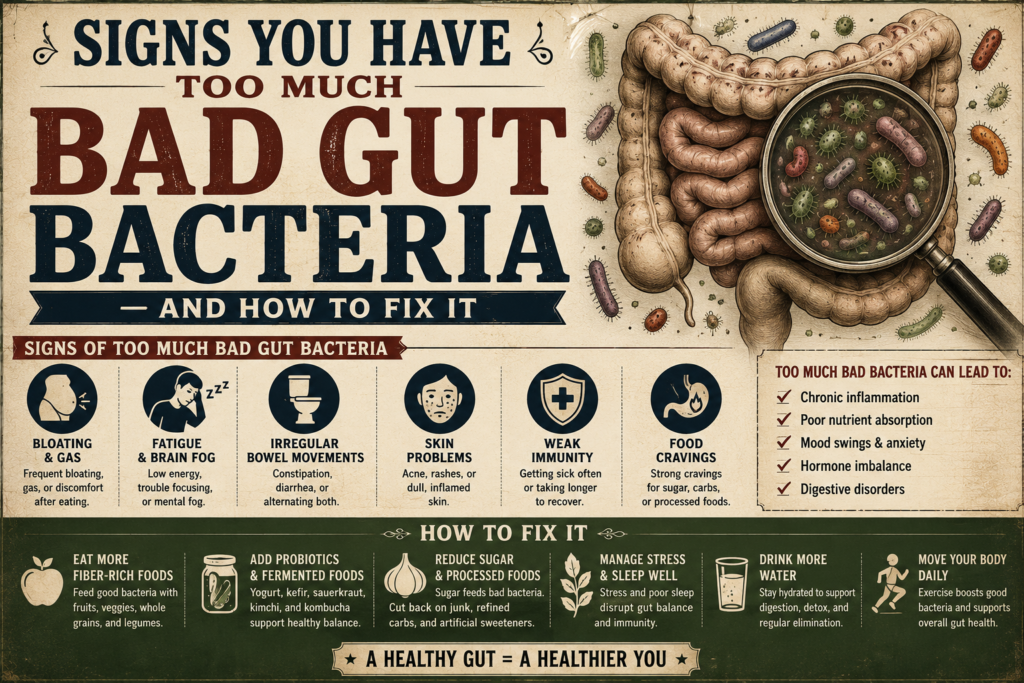
1. Your Digestive System Is Doing Its Job
This turned out to be the explanation most of the time for me.
Your digestive tract is designed to keep food moving.

After every meal, your stomach and intestines contract in a coordinated pattern that helps mix food with digestive enzymes and absorb nutrients. A related meal-triggered contraction pattern can create urgent bowel movements, and After every meal explains why.
Without those muscle contractions, digestion couldn’t happen.
The sounds you hear are simply evidence that your digestive system is actively working.
2. Swallowed Air Is Moving Through Your Digestive Tract
One thing I never realized was how much air I swallowed during meals.
It happens when you:
- Eat too quickly.
- Talk while eating.
- Drink through a straw.
- Chew gum.
- Drink carbonated beverages.
That extra air eventually mixes with food and digestive fluids.
As it moves through your intestines, it often creates loud gurgling sounds.
I noticed my stomach became much quieter once I slowed down during meals.


3. Gas Produced During Digestion
Your gut bacteria help digest foods your body can’t completely break down on its own.
While doing that, they naturally produce gas.
That gas moving through your intestines is one of the biggest reasons stomach gurgling becomes louder after eating.
Some foods naturally produce more gas than others.

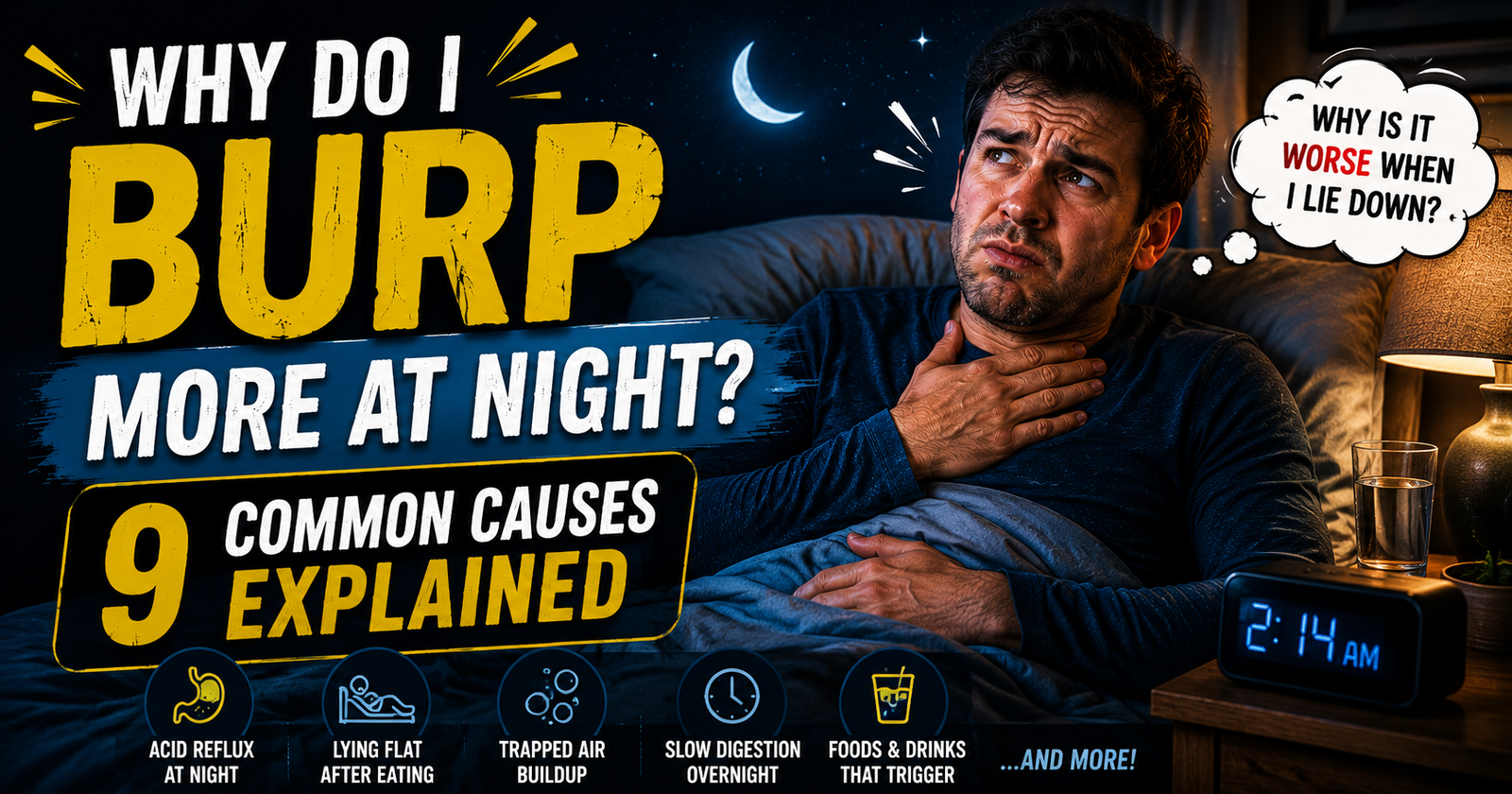
If you’ve started noticing a connection between certain meals and stomach noises, What Foods Make You Burp More?is worth reading because many of those same foods also increase intestinal gas that contributes to gurgling.
4. Eating Too Much at One Time
This was another pattern I noticed.
Small meals rarely caused much noise.
Large meals almost always did.
When your stomach suddenly has to process a lot of food, digestion becomes much more active.
Your stomach empties more slowly, your intestines work harder, and more gas is produced.
All of that movement creates more opportunities for loud gurgling sounds.



5. Certain Foods Can Make the Sounds Much Louder
One thing I found interesting was that it wasn’t always the amount of food that mattered.
Sometimes it was the type of food.
Certain foods naturally produce more gas as your gut bacteria digest them.
That extra gas moves through your intestines along with food and digestive fluids, creating louder bubbling and gurgling sounds.
Some of the biggest offenders include:
- Beans.
- Lentils.
- Broccoli.
- Cauliflower.
- Cabbage.
- Onions.
- Garlic.
These foods are incredibly healthy, so I don’t think avoiding them completely is the answer unless your healthcare provider recommends it.
Instead, I found it much more helpful to notice which foods consistently caused problems for my digestive system.
6. IBS Can Make Your Stomach More Active
If you’ve been diagnosed with irritable bowel syndrome (IBS), loud stomach noises are often just one piece of the puzzle.
Many people with IBS also experience:
- Bloating.
- Burping.
- Cramping.
- Constipation.
- Diarrhea.
Because IBS can affect how quickly food and gas move through your digestive tract, normal digestive sounds often become louder and more frequent.
I realized that my stomach wasn’t necessarily producing more noise.
I was simply noticing it because more gas and movement were happening at the same time.
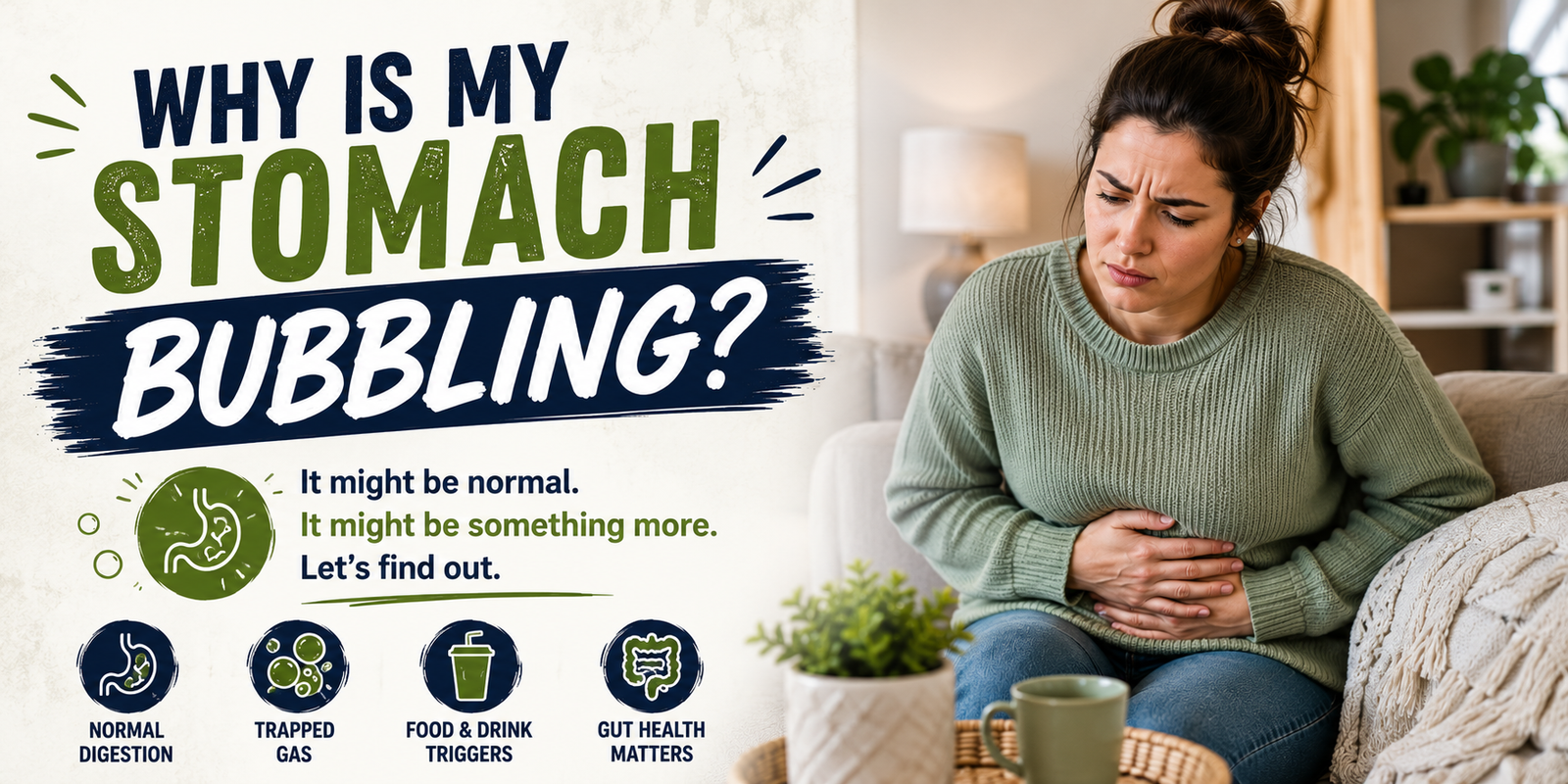


7. Food Intolerances May Be Contributing
Sometimes the issue isn’t digestion itself.
It’s how your body reacts to certain foods.
Lactose, wheat, artificial sweeteners, and other ingredients can be difficult for some people to digest.
When that happens, more food reaches the large intestine undigested.
Your gut bacteria begin fermenting it.
That fermentation creates extra gas, which often leads to:
- Gurgling.
- Bloating.
- Burping.
- Cramping.

If your stomach always seems noisy after the same meals, keeping a food journal can make those patterns much easier to recognize. A more detailed approach to tracking inconsistent digestive symptoms can help when food alone does not explain the pattern.
8. Stress Can Affect Your Digestion
I never expected stress to make my stomach noisy.
But after paying attention for several weeks, I noticed a pattern.
On busy workdays, my stomach almost always seemed louder.
Stress doesn’t just affect your thoughts.
It also changes how your digestive tract moves food and gas.
Some people notice:
- More stomach noises.
- Increased burping.
- Bloating.
- Mild nausea.
- Changes in bowel habits.
Recognizing that connection helped me stop blaming every meal I ate.


What Helped Quiet My Stomach After Meals
Over time, I found several simple habits that made a noticeable difference.
The ones that helped me the most were:
- Eating smaller meals.
- Slowing down while eating.
- Chewing food thoroughly.
- Taking a short walk after meals.
- Drinking fewer carbonated beverages.
- Paying attention to foods that repeatedly caused symptoms.
None of these changes completely eliminated stomach noises.
But they definitely made them much less noticeable.
Could Probiotics or Digestive Enzymes Help?
Sometimes they can.
If your stomach gurgling is related to excess gas, poor digestion, or changes in your gut bacteria, they may help support healthier digestion.
Digestive enzymes help break food down more efficiently, while probiotics help support a healthier balance of beneficial gut bacteria.

I explain both in much more detail in Do Digestive Enzymes Help With Burping? and Do Probiotics Help With Burping? because many of the same digestive processes that cause burping also contribute to stomach noises after eating.
When You Should See a Healthcare Provider
A little stomach gurgling after meals is usually completely normal.
However, you should contact your healthcare provider if it’s accompanied by:
- Severe abdominal pain.
- Persistent diarrhea.
- Bloody stools.
- Black or tar-like stools.
- Persistent vomiting.
- Unexplained weight loss.
- Fever.
- Symptoms that continue getting worse.
These signs may point to a digestive condition that needs proper evaluation.
Don’t Expect Your Stomach to Become Completely Silent
One thing that helped me stop worrying was realizing that digestion is naturally noisy.
The goal isn’t to eliminate every rumble or gurgle.
It’s to reduce excessive noises caused by swallowed air, excess gas, or eating habits that make digestion work harder than it needs to.

If you’re looking for practical ideas that helped me calm my digestion, How to Stop a Noisy Stomach Naturally shares the habits that made the biggest difference.
Frequently Asked Questions
Why does my stomach gurgle right after I eat?
Your stomach and intestines begin working immediately after a meal. As food, fluids, digestive juices, and gas move through your digestive tract, they naturally create gurgling sounds.
Is stomach gurgling after eating normal?
Yes. In most cases it’s simply a sign that digestion is taking place. Larger meals and foods that produce more gas often make the sounds louder.
Why is my stomach so loud after every meal?
Loud stomach noises may be related to excess gas, swallowed air, IBS, food intolerances, or simply a very active digestive system. If it’s persistent or accompanied by other symptoms, it’s worth discussing with your healthcare provider.
Can gas cause stomach gurgling?
Absolutely. Gas moving through your intestines is one of the most common reasons stomach noises become louder after eating.
How can I stop my stomach from gurgling after meals?
Eating more slowly, avoiding very large meals, limiting carbonated drinks, taking a short walk after eating, and identifying foods that trigger excess gas can all help reduce stomach noises for many people.
Author: Natalie Mercer
Natalie Mercer is a digestive health writer who enjoys helping readers better understand everyday digestive symptoms through practical, evidence-informed guidance. She focuses on gut health, digestive wellness, and making complex digestive topics easier to understand so readers can make informed decisions about their health and know when it’s time to seek medical advice.
As an Amazon Associate we earn from qualifying purchases through some links in our articles.