

Not every digestive symptom is painful.
Sometimes it’s just… weird.
One of the strangest sensations I’ve experienced is feeling my stomach bubble even when nothing else seemed wrong.
It wasn’t exactly growling.
It wasn’t cramping.
It almost felt like little pockets of air or liquid were moving around inside my stomach.
If you’ve noticed the same thing, you’re definitely not alone.
A bubbling stomach is usually caused by food, liquids, digestive juices, and gas moving through your digestive tract. In many cases it’s completely normal. Other times, excess gas, food intolerances, IBS, or another digestive issue can make those bubbling sensations happen more often. When bubbling becomes frequent or appears with other symptoms, When Should You Worry About Stomach Noises? can help you understand when it deserves closer attention.
The key is paying attention to what other symptoms happen along with it.
What Does a Bubbling Stomach Mean?
Most of the time, bubbling isn’t actually coming from your stomach alone.
Many of the sensations people describe are coming from the intestines as food, fluids, and gas continue moving after a meal.
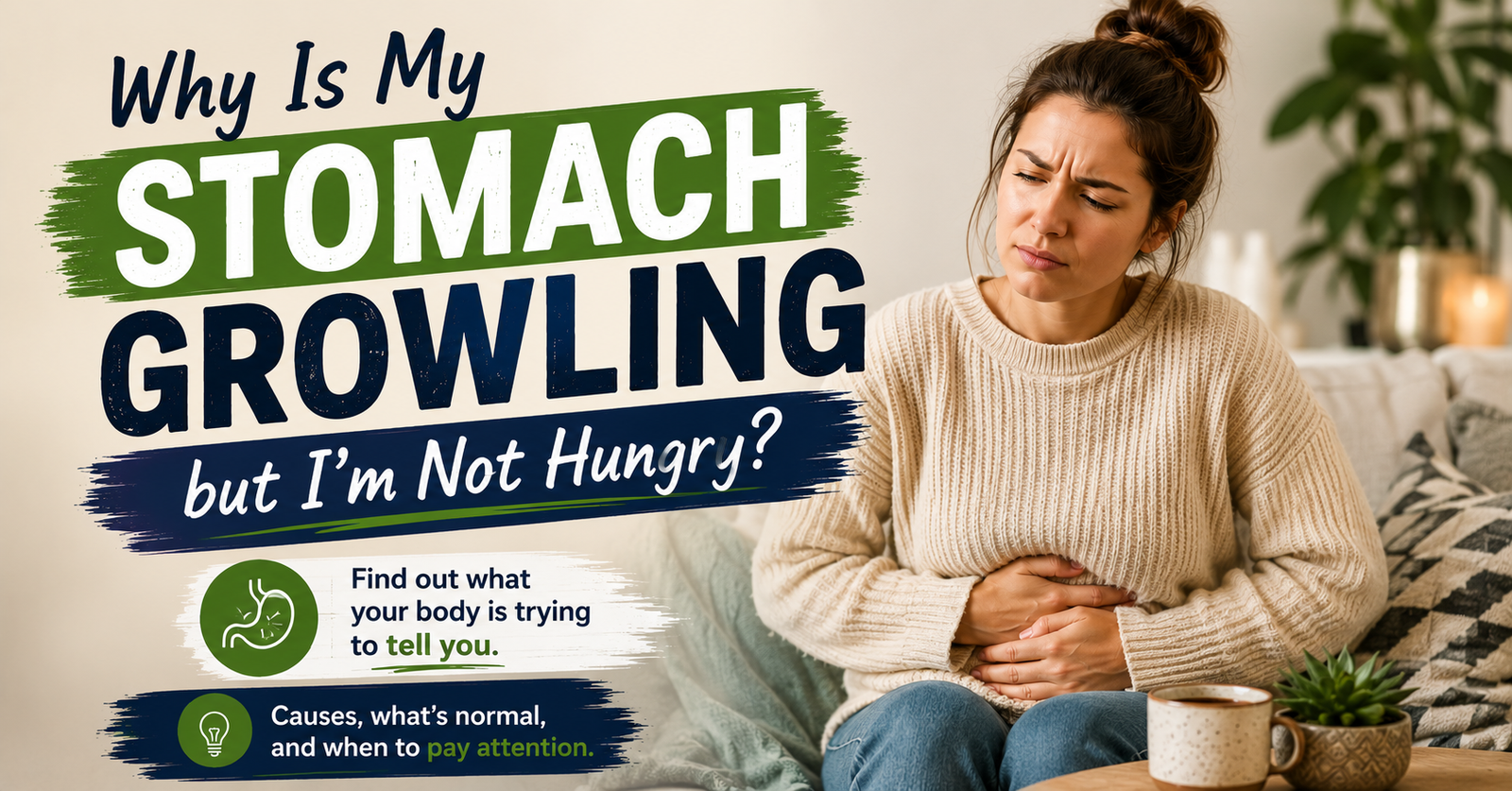
As muscles contract during digestion, everything shifts through your digestive tract. That same digestive movement can also explain Why Is My Stomach Growling even when I’m Not Hungry?, even when you have recently eaten.
That movement often creates:
- Bubbling.
- Gurgling.
- Rumbling.
- Growling.
Sometimes you hear the sounds.
Other times you simply feel them.
Both are usually part of the same digestive process.

1. Normal Digestion
This is probably the most common explanation.
Your digestive system is constantly working.
Even hours after you’ve eaten, your stomach and intestines continue mixing food with digestive juices while moving everything farther through your digestive tract.
As liquids and small pockets of gas move around, bubbling sensations naturally occur.
Many people never notice them.
Others feel every little movement.

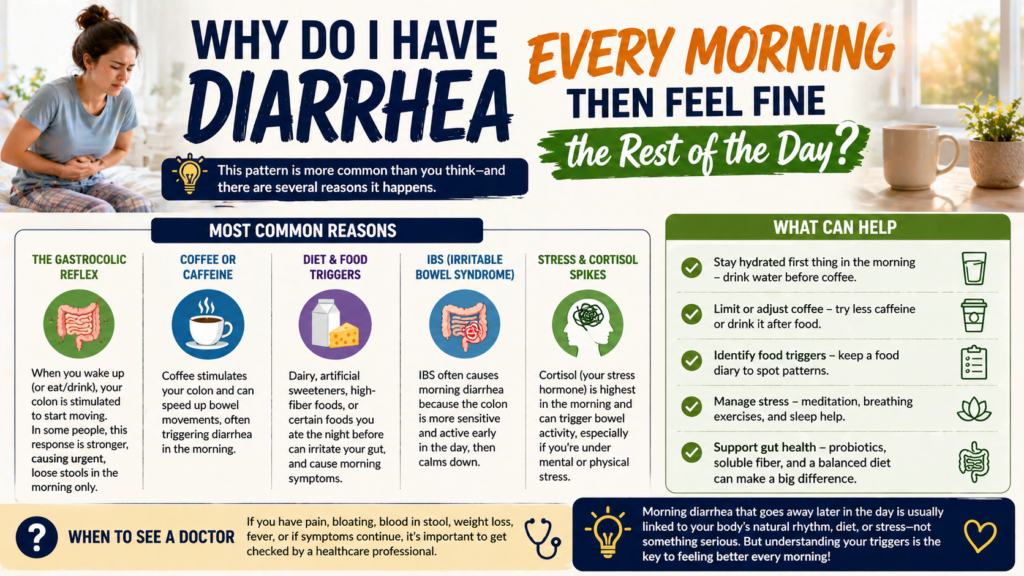
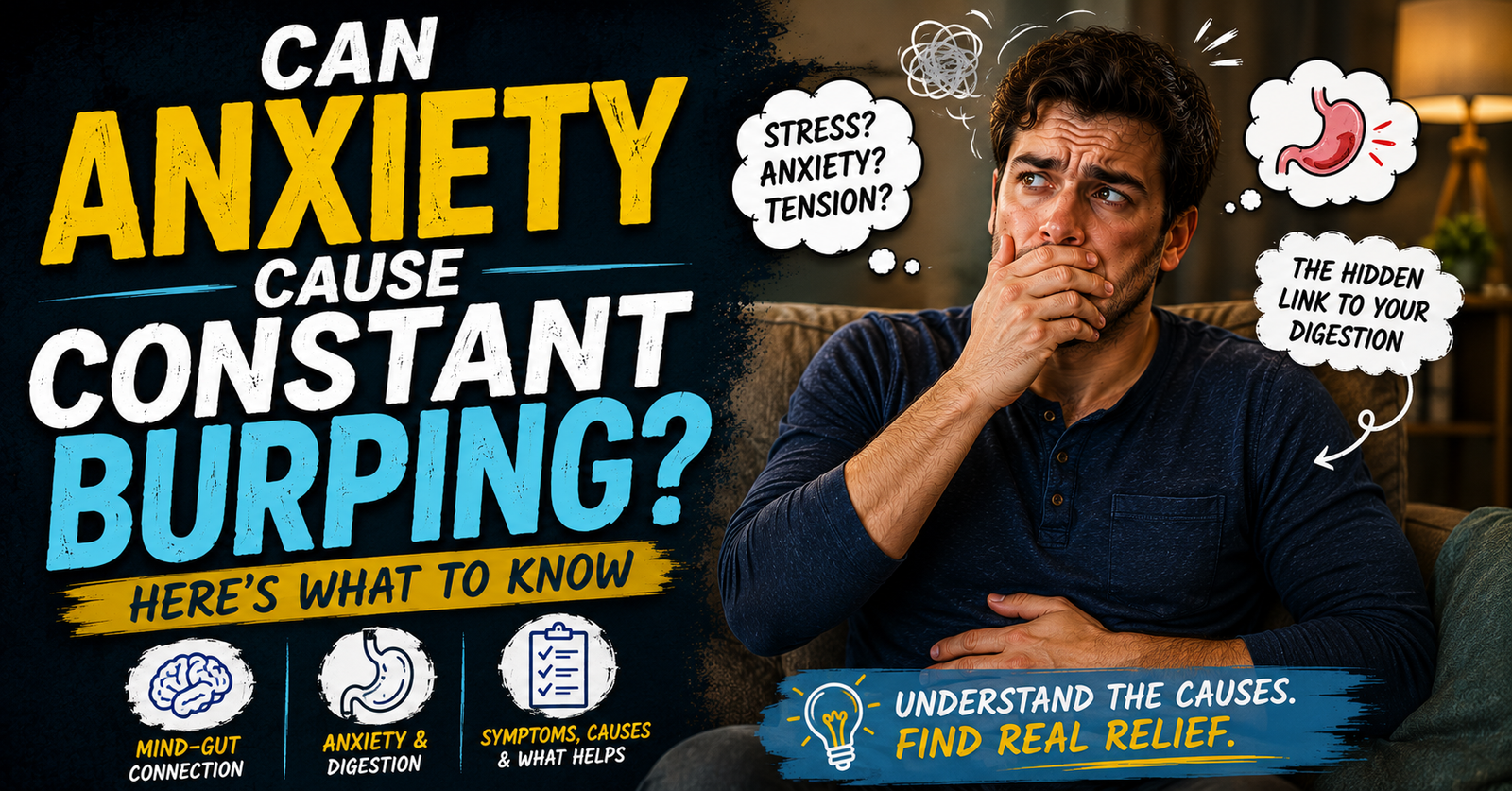
2. Gas Moving Through Your Intestines
This was the explanation that fit my own experience most often.
Gas doesn’t always cause pain.
Sometimes it simply moves quietly through your intestines.
As those bubbles shift around, they create the bubbling sensation many people describe.
You may also notice:
- Burping.
- Passing gas.
- Mild bloating.
- Occasional stomach noises.
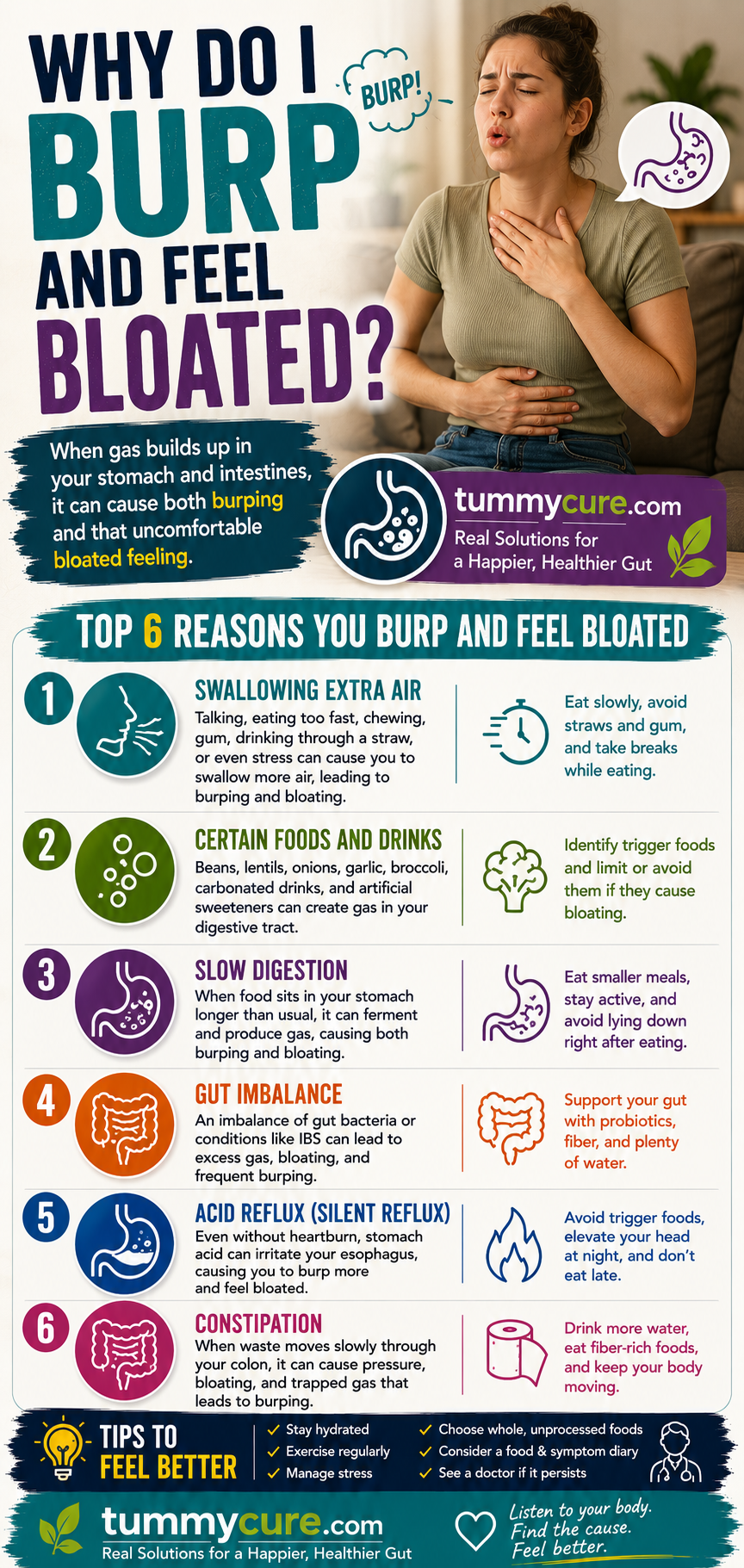
If burping has become part of the picture too, Why Do I Burp and Feel Bloated? Common Causes Explained explains why trapped gas often causes several symptoms at the same time.
3. You Swallowed More Air Than You Realized
I never thought about how much air I swallowed until I started researching digestive health.
It happens much more easily than most people realize.
Common causes include:
- Eating too quickly.
- Drinking through a straw.
- Chewing gum.
- Talking while eating.
- Drinking carbonated beverages.
That swallowed air has to travel somewhere.
Some of it leaves through burping.
The rest continues through your digestive tract, often creating bubbling or gurgling sensations along the way.


4. Certain Foods Produce More Gas
Some foods naturally create more gas during digestion.
That doesn’t mean they’re unhealthy.
In fact, many are packed with nutrients.
Common examples include:
- Beans.
- Lentils.
- Broccoli.
- Cabbage.
- Cauliflower.
- Brussels sprouts.
- Onions.
- Garlic.
As your gut bacteria digest these foods, more gas is produced.
That extra gas often makes bubbling sensations much more noticeable.

If you’ve started recognizing patterns after certain meals, What Foods Make You Burp More? is worth reading because many of the same foods that increase burping also contribute to bubbling and excess intestinal gas.
5. Food Intolerances Can Make Bubbling More Noticeable
Sometimes the problem isn’t how much you eat.
It’s what your body is trying to digest.
Certain food intolerances can leave more undigested food reaching your large intestine.
When your gut bacteria begin breaking that food down, they naturally produce additional gas.
That extra gas often creates bubbling sensations along with:
- Bloating.
- Burping.
- Cramping.
- Diarrhea.
I found that keeping a simple food journal made it much easier to spot patterns that I would have otherwise missed.



6. IBS Often Causes More Than Just Bowel Changes
Many people think IBS only affects bowel movements.
I was surprised to learn that’s only part of the story.
People with IBS frequently experience:
- Stomach bubbling.
- Gurgling.
- Excess gas.
- Bloating.
- Cramping.
- Burping.
Because IBS affects how your intestines move food and gas, normal digestive sensations often become much more noticeable.
7. Stress Can Change the Way Your Gut Works
One thing I never connected to my stomach was stress.
But after paying closer attention, I noticed my stomach often bubbled more during busy or stressful weeks.
Your digestive system and your brain are constantly communicating.
When stress levels increase, digestion may speed up, slow down, or simply become more sensitive.
That can make normal digestive movements feel much more obvious than they usually would.



8. Your Stomach May Simply Be Emptying
Another thing I learned is that your stomach doesn’t empty all at once.
After eating, food gradually moves into your small intestine over several hours.
As liquids, digestive juices, and tiny pockets of air move through your digestive tract, you may notice bubbling even though everything is working normally.
That was reassuring to learn because I had assumed every strange sensation meant something was wrong.
Sometimes it simply means digestion is happening exactly as it should.
What Helped Reduce the Bubbling Feeling
While I couldn’t stop every stomach sound or sensation, a few simple habits definitely seemed to help.
The changes that worked best for me included:
- Eating smaller meals.
- Slowing down while eating.
- Limiting carbonated drinks.
- Walking for a few minutes after meals.
- Drinking enough water throughout the day.
- Keeping track of foods that repeatedly caused symptoms.
None of these changes were complicated, but together they made my digestion feel much calmer.

Bubbling Doesn’t Always Need Treatment
I used to think every bubbling sensation meant something was wrong.
Now I know that’s rarely the case.
Food, digestive juices, liquids, and gas are constantly moving through your digestive tract.
Some days you’ll simply notice those normal digestive processes more than others.
If the bubbling isn’t accompanied by pain or other concerning symptoms, simple lifestyle changes are often all that’s needed.
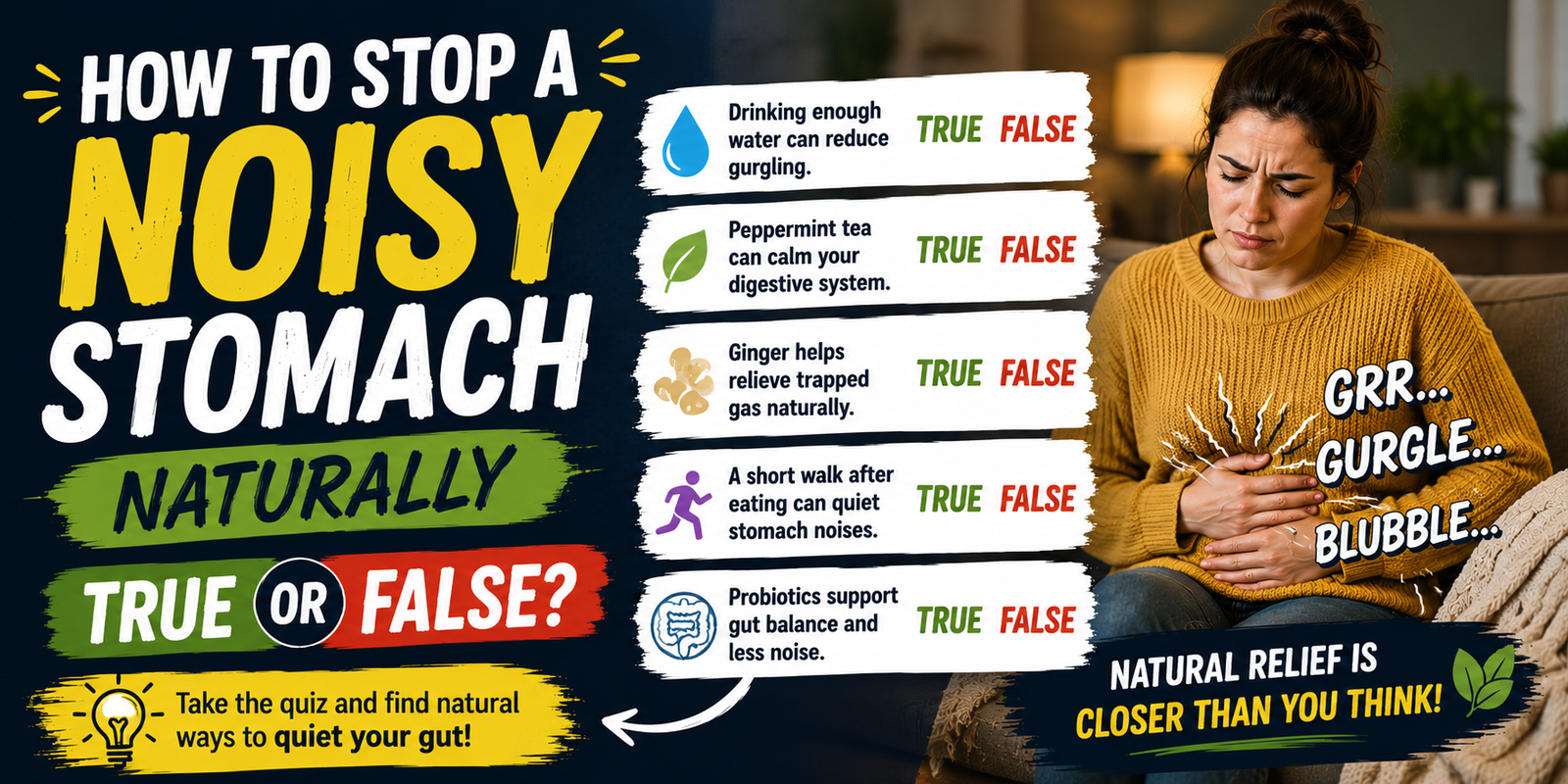
I shared the habits that helped me the most in How to Stop a Noisy Stomach Naturally if you’re looking for practical ways to calm an overly active digestive system.
Could Probiotics or Digestive Enzymes Help?
They might, depending on what’s causing the bubbling.
If excess gas or changes in your gut bacteria are contributing, probiotics may help support a healthier digestive environment over time.
If bubbling tends to happen after larger meals or foods that are harder for you to digest, digestive enzymes may also be worth considering.

I explain both supplements in Do Probiotics Help With Burping? and Do Digestive Enzymes Help With Burping?because many of the same digestive processes involved in burping also contribute to bubbling, gurgling, and excess gas.
When You Should See a Healthcare Provider
A bubbling stomach by itself is usually nothing to worry about.
However, it’s important to seek medical advice if the bubbling is accompanied by:
- Severe abdominal pain.
- Persistent diarrhea.
- Bloody stools.
- Black or tar-like stools.
- Persistent vomiting.
- Fever.
- Unexplained weight loss.
- Symptoms that continue getting worse.
These symptoms could indicate a digestive condition that needs medical evaluation.
Frequently Asked Questions
Why does my stomach feel like it’s bubbling?
A bubbling sensation is usually caused by food, liquids, digestive juices, or gas moving through your digestive tract. Most of the time it’s a normal part of digestion.
Is a bubbling stomach normal?
Yes. Many people experience bubbling during or after digestion. It often happens as your intestines move food and gas through your digestive system.
Why is my stomach bubbling but not hurting?
A bubbling stomach without pain is commonly related to normal digestion or gas moving through your intestines. Without other symptoms, it’s usually not a cause for concern.
Can gas make my stomach bubble?
Absolutely. Gas bubbles moving through your digestive tract are one of the most common causes of bubbling sensations.
Should I worry if my stomach keeps bubbling?
Occasional bubbling is usually harmless. If it’s persistent or accompanied by severe pain, vomiting, bloody stools, unexplained weight loss, or other concerning symptoms, you should contact your healthcare provider.
Author: Natalie Mercer
Natalie Mercer is a digestive health writer who enjoys helping readers understand everyday digestive symptoms through practical, evidence-informed guidance. She focuses on gut health, digestive wellness, and helping readers recognize the difference between normal digestive processes and symptoms that deserve medical attention.
As an Amazon Associate we earn from qualifying purchases through some links in our articles.