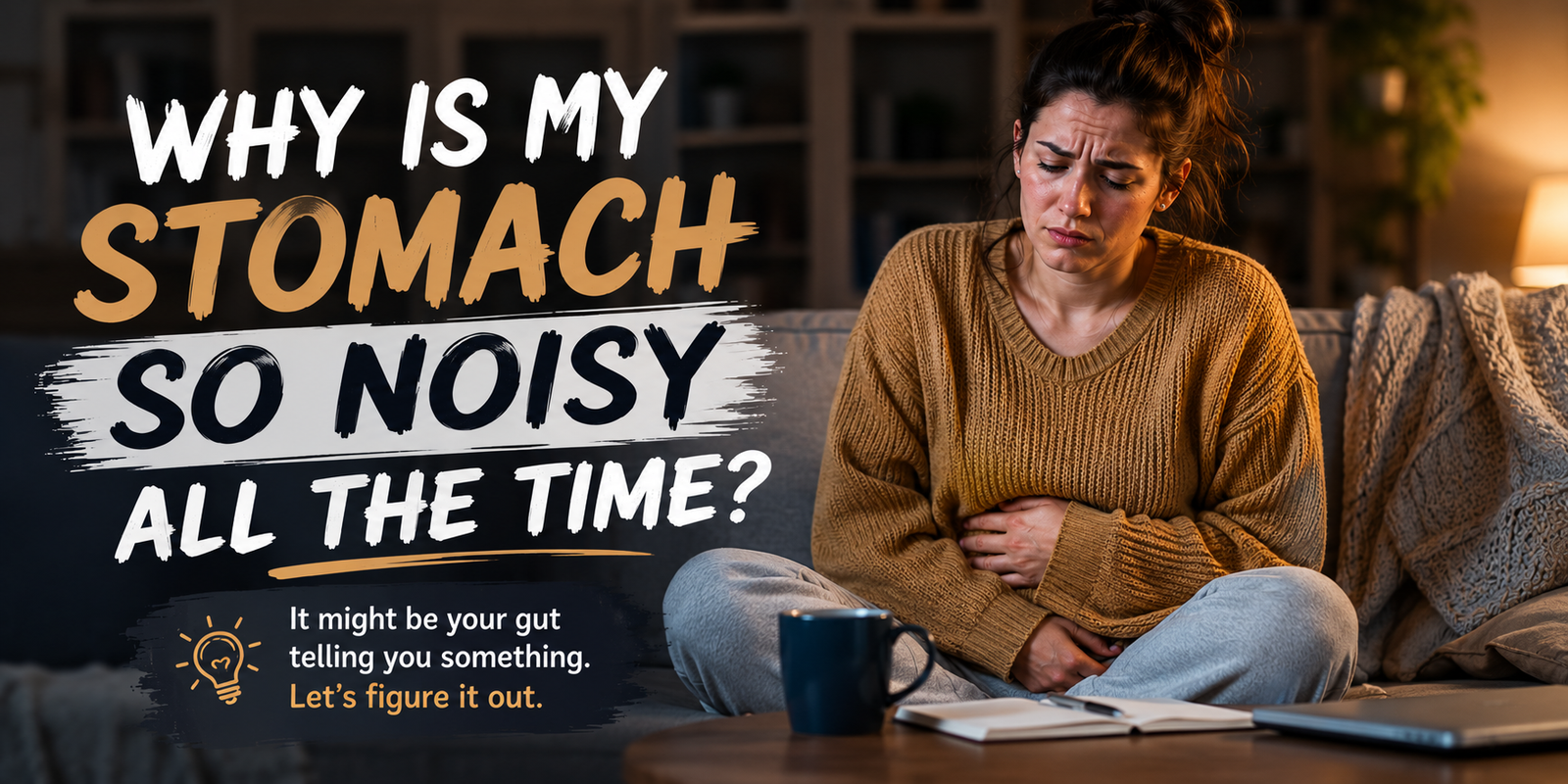

For the longest time, I assumed a growling stomach meant one thing.
I was hungry.
That seemed like common sense.
Then I started noticing something strange.
My stomach would rumble loudly just an hour after eating lunch.
Other times it growled while I was sitting on the couch after dinner, even though I knew I wasn’t hungry.
It happened often enough that I finally started wondering what was actually going on.
After learning more about how digestion works, I realized stomach growling isn’t really a sign of hunger. A deeper explanation of why stomach growling happens can clarify what causes these sounds between meals.
It’s a sign that your digestive system is moving.
Sometimes that’s completely normal.
Other times it can point to excess gas, indigestion, IBS, or another digestive issue that’s making your stomach more active than usual.
The good news is that stomach growling without hunger is very common and usually isn’t anything serious.
Does a Growling Stomach Always Mean You’re Hungry?
No.
This surprised me the most.
Your stomach and intestines continue working all day long whether you’ve just eaten or haven’t had a meal in several hours.
They’re constantly moving:
- Food.
- Liquids.
- Digestive juices.
- Gas.
As those materials move through your digestive tract, they create vibrations.
Those vibrations are what you hear as stomach growling or rumbling.
Sometimes the noises are barely noticeable.
Other times they’re loud enough for everyone in the room to hear.

Why Does Your Stomach Make Noise?
The medical term for these stomach sounds is borborygmi.
It sounds complicated, but it’s simply the noise created as muscles contract and move food, fluids, and gas through your digestive system.
The sounds may become louder when:
- More gas is present.
- Your intestines contain extra liquid.
- Your stomach is empty.
- Digestion is especially active.
Most of the time, these noises simply mean your digestive system is doing its job.


1. Your Digestive System Is Still Working
This ended up being the explanation for me most of the time.
Even after you’ve finished eating, digestion continues for hours.
Your stomach empties food gradually into your small intestine.
Your intestines continue mixing food with digestive enzymes while moving everything farther through your digestive tract.
All of that movement naturally creates sound.
I realized my stomach wasn’t growling because it wanted more food.
It was growling because it was still processing the last meal.
2. Trapped Gas Makes Stomach Noises Louder
One thing I noticed was that the loudest growling usually happened when I also felt bloated.
That wasn’t a coincidence.
Gas acts almost like an amplifier.
As bubbles move through your intestines, they create much louder noises than liquids alone.
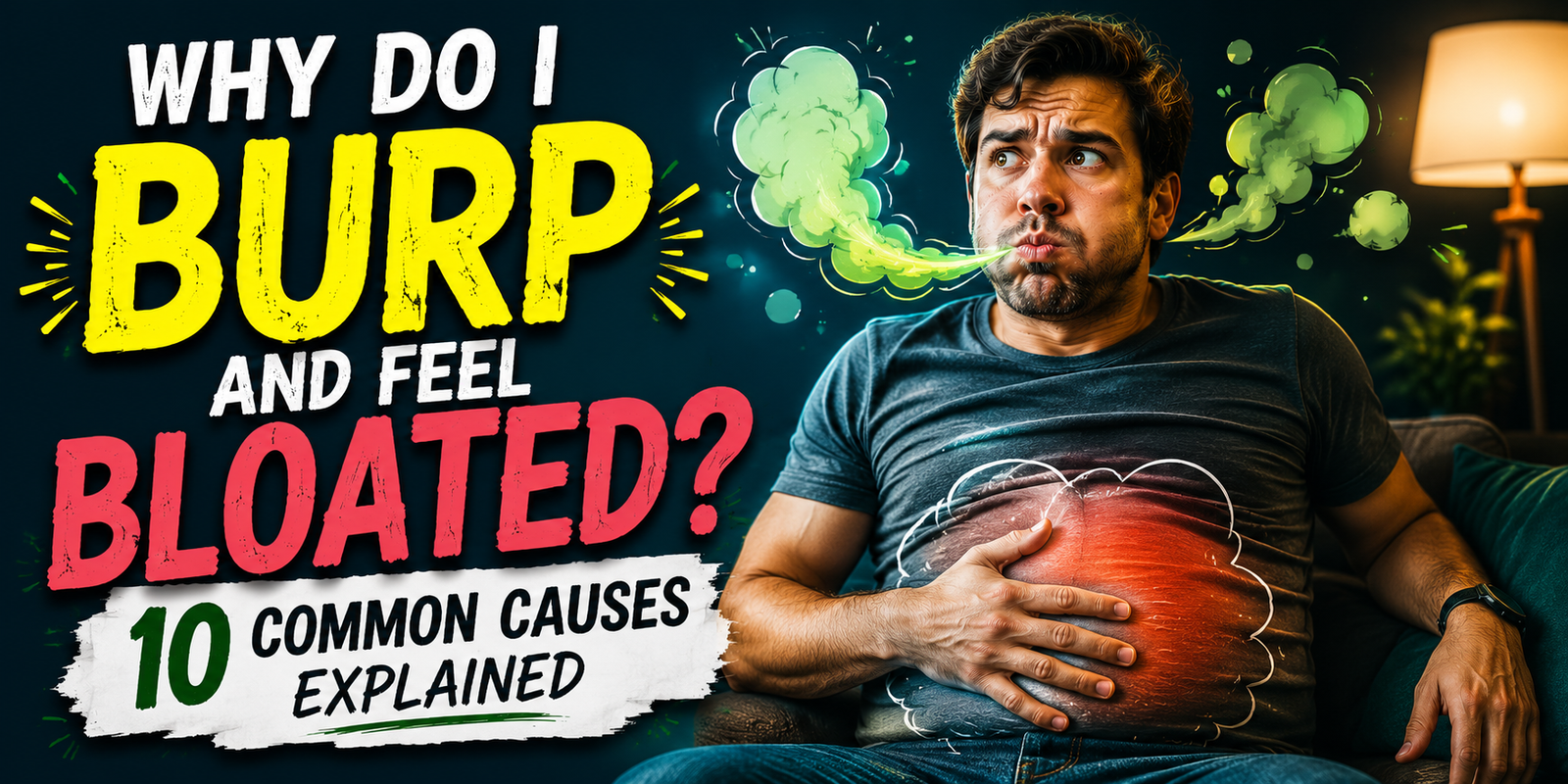
If you’ve also been dealing with frequent burping or bloating, Why Do I Burp and Feel Bloated? Common Causes Explained explains why trapped gas often causes several digestive symptoms at the same time.



3. Hunger Hormones Can Be Active Even When You Aren’t Truly Hungry
This was fascinating to learn.
Your body releases hormones that prepare your digestive system for your next meal.
Sometimes those hormones stimulate stomach contractions even if you’ve eaten recently.
That’s one reason your stomach may growl simply because it’s close to your normal lunch or dinner time.
Your digestive system is following its routine.
Not necessarily telling you it desperately needs food.
4. IBS Can Make Your Stomach Much Noisier
People with irritable bowel syndrome often notice more than changes in bowel habits.
Many also experience:
- Loud stomach noises.
- Bloating.
- Excess gas.
- Cramping.
- Burping.
IBS can make the intestines more sensitive and sometimes more active, making normal digestive sounds much easier to hear. Readers who recognize this pattern can find related advice in IBS and bowel health guides.
If you’ve already been diagnosed with IBS, paying attention to which foods trigger the noises can often reveal helpful patterns.
5. You May Be Swallowing More Air Than You Realize
This wasn’t something I expected to find.
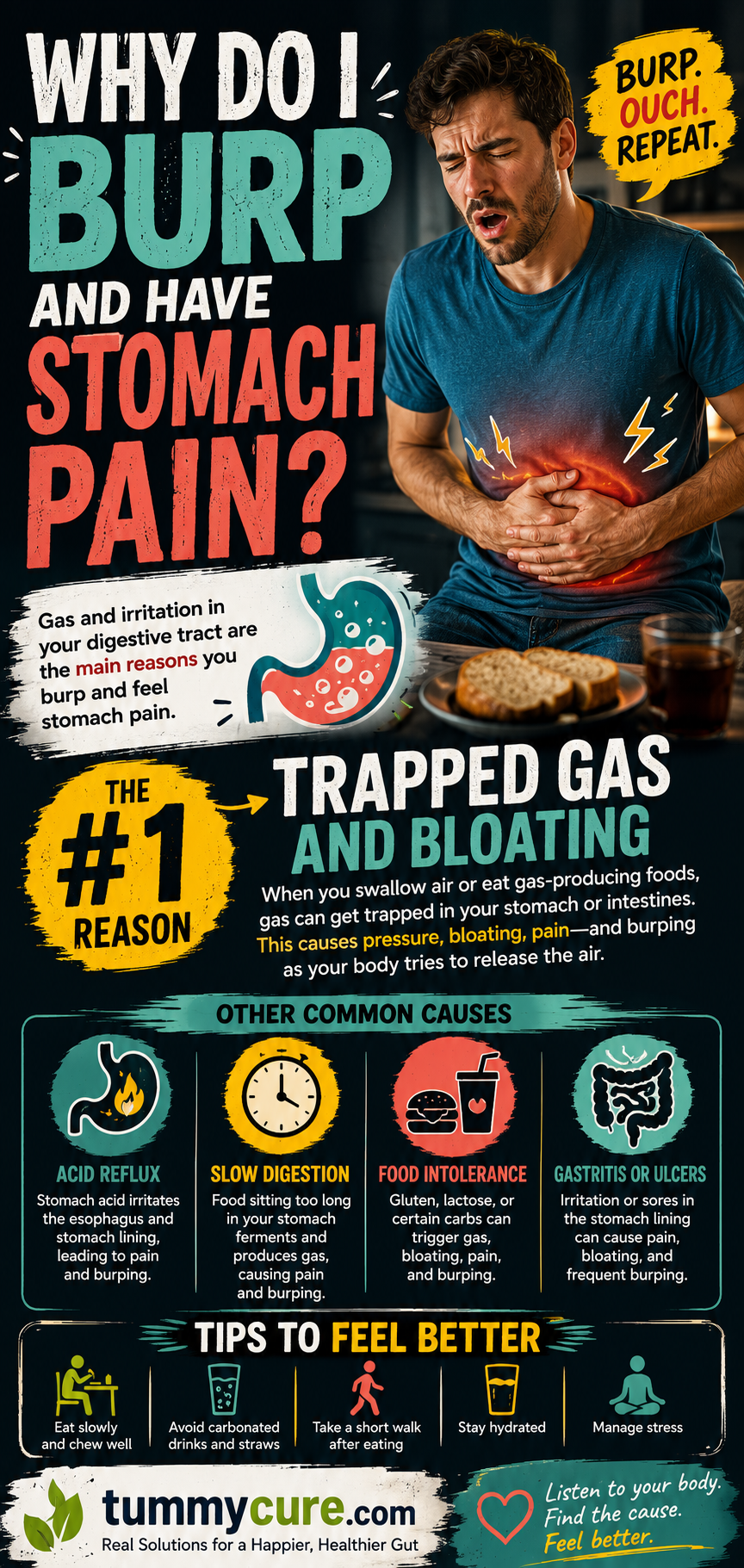
Just like air can cause burping, it can also make your stomach noisier. When burping comes with discomfort, these symptoms may share an underlying digestive cause covered in burping and stomach pain.
Every time you eat quickly, drink through a straw, chew gum, or talk while eating, you swallow small amounts of air.
Most of that air eventually moves through your digestive tract.
As it mixes with liquids and food, it creates more movement and, often, louder growling sounds.
I noticed my stomach was much quieter on days when I slowed down during meals.
6. Certain Foods Naturally Produce More Gas
Some foods are simply more likely to create gas during digestion.
That doesn’t mean they’re unhealthy.
In fact, many of them are excellent for you.
Common examples include:
- Beans.
- Lentils.
- Broccoli.
- Cauliflower.
- Cabbage.
- Onions.
- Garlic.
As your gut bacteria break these foods down, extra gas forms inside your intestines.
That gas moving through your digestive tract often creates loud rumbling or bubbling sounds.

If you’ve noticed your stomach gets noisy after specific meals, What Foods Make You Burp More? is worth reading because many of the foods that cause excess burping also increase intestinal gas and stomach noises.

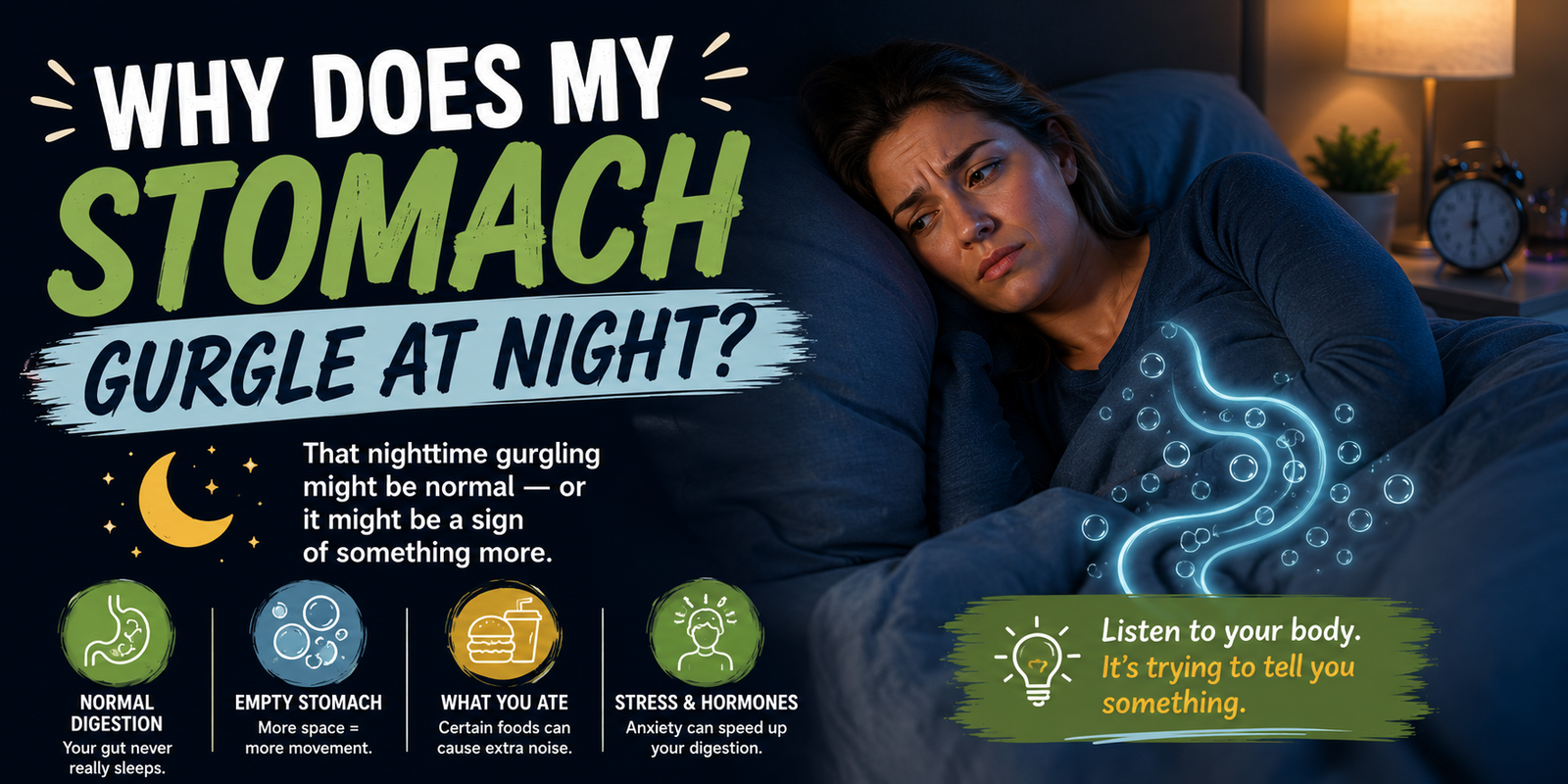

7. Your Gut Bacteria May Be Changing
One thing I found fascinating while researching digestive health is how much your gut bacteria influence everyday digestion.
Healthy bacteria help digest food that your body can’t fully break down on its own.
Sometimes, however, changes in those bacteria can increase gas production.
That may happen after:
- Taking antibiotics.
- Recovering from a stomach illness.
- Major dietary changes.
- Certain digestive disorders.
When more gas is produced, stomach noises often become much louder.
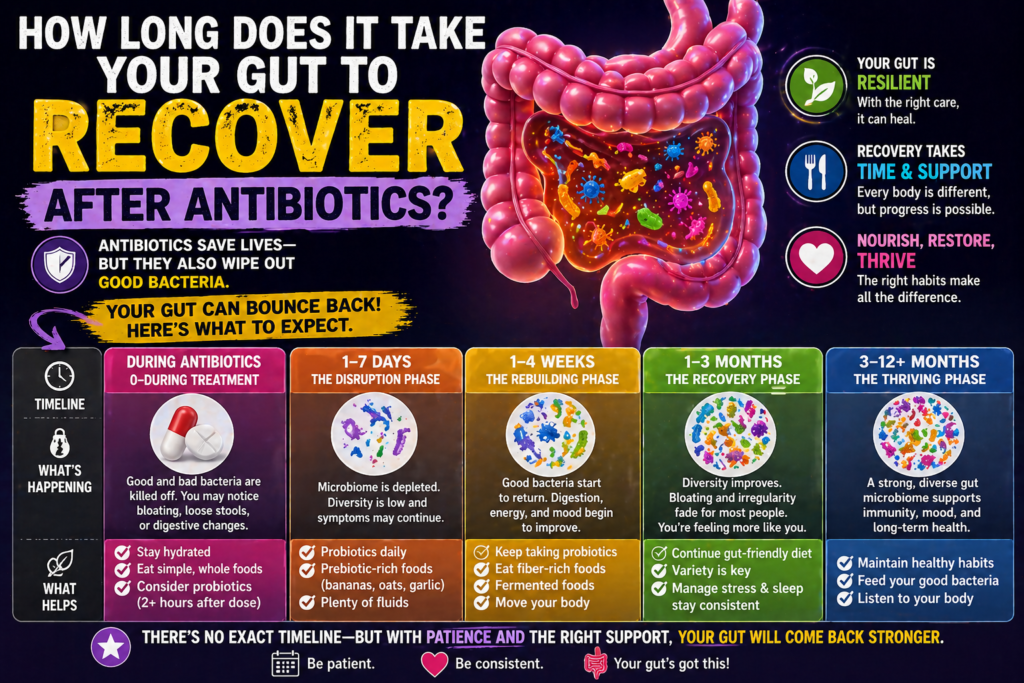
If your digestion changed after antibiotics, How Long Does It Take Your Gut to Recover After Antibiotics? explains why your microbiome may still be recovering weeks or even months later.
8. Stress Can Make Your Stomach More Active
I used to think stress only affected my mood.
Now I know my digestive system notices stressful days almost immediately.
Stress can change how quickly your stomach empties and how your intestines move food and gas.
For some people, that means louder stomach noises.
Others notice more bloating, burping, or stomach discomfort instead.
Sometimes it’s all of them at once.
That’s one reason I try not to ignore stressful periods when I’m looking for digestive patterns.



What Helped Quiet My Stomach
After paying attention for a few weeks, I found several simple habits that consistently helped.
The biggest improvements came from:
- Eating meals more slowly.
- Avoiding very large portions.
- Taking a short walk after eating.
- Drinking water throughout the day.
- Limiting carbonated beverages.
- Paying attention to foods that repeatedly caused symptoms.
I also stopped worrying every time my stomach made noise.
Knowing that digestion naturally creates sounds made the whole experience much less stressful.
Could Probiotics or Digestive Enzymes Help?
Sometimes.
If your stomach growling is related to excess gas or changes in your gut bacteria, probiotics may help support a healthier digestive environment over time.
Digestive enzymes may also be helpful for some people if difficult-to-digest meals leave them feeling bloated or uncomfortable afterward.

I cover both topics in much more detail in Do Probiotics Help With Burping? and Do Digestive Enzymes Help With Burping? because many of the same digestive processes that cause burping also contribute to stomach noises.
When Does a Growling Stomach Become a Concern?
Most of the time, a growling stomach without hunger is simply a sign that your digestive system is moving food, fluids, and gas the way it’s should.
What matters more is everything happening alongside the growling.
If the noises suddenly become much louder than usual, continue for weeks, or are accompanied by severe pain, vomiting, bloody stools, or unexplained weight loss, it’s worth getting checked by your healthcare provider.
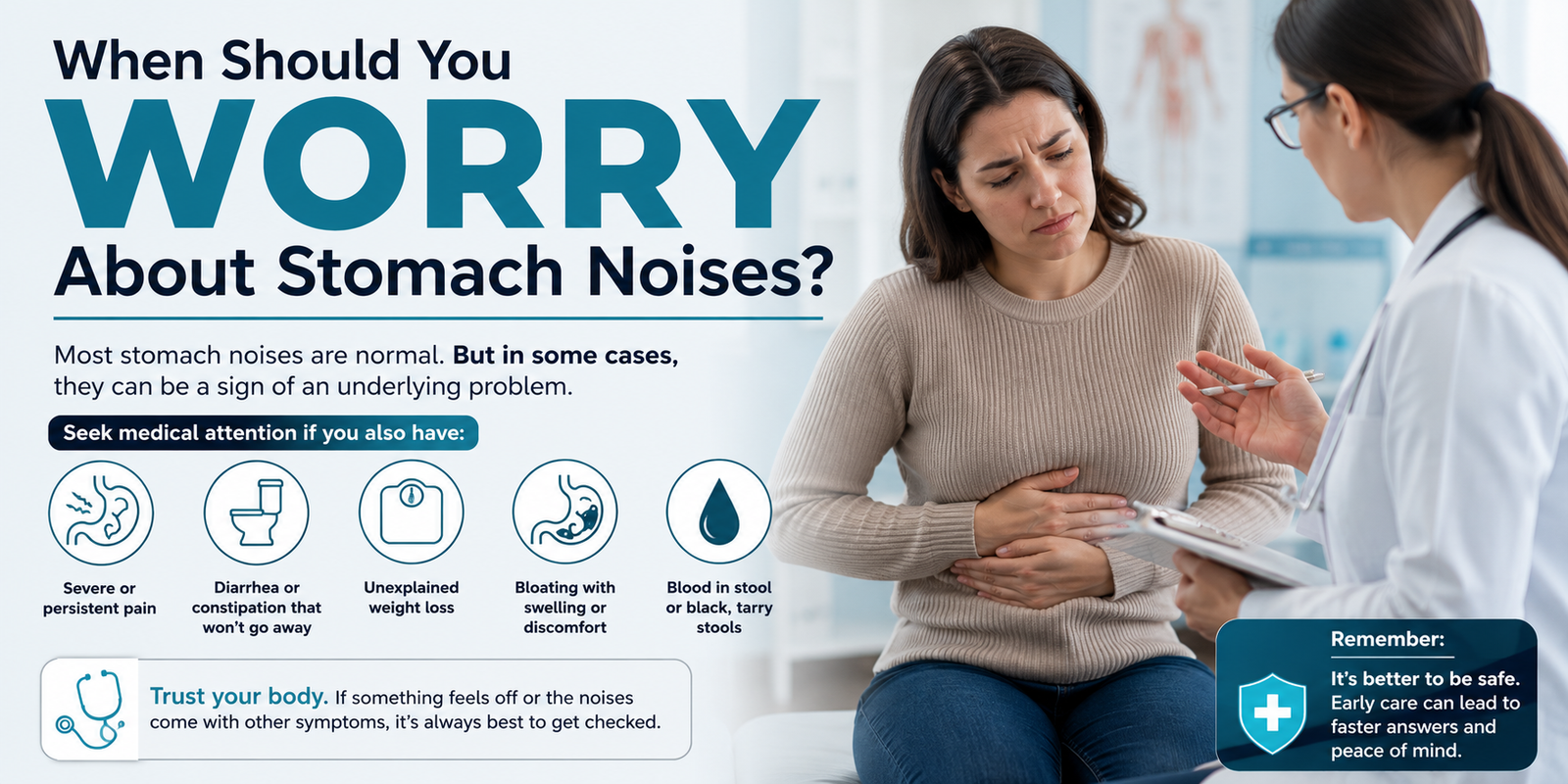
I recently put together When Should You Worry About Stomach Noises? to help explain the difference between normal digestive sounds and symptoms that deserve medical attention.
When You Should See a Healthcare Provider
A growling stomach by itself is usually nothing to worry about.
However, it’s important to seek medical advice if the noises are accompanied by:
- Severe abdominal pain.
- Persistent vomiting.
- Bloody stools.
- Black or tar-like stools.
- Unexplained weight loss.
- Persistent diarrhea.
- A swollen or rigid abdomen.
- Symptoms that continue getting worse.
Those symptoms could point to an underlying digestive condition that needs medical evaluation.
Frequently Asked Questions
Why is my stomach growling if I’m not hungry?
Your stomach and intestines continue moving food, fluids, and gas throughout the day. Those normal muscle contractions often create growling sounds even when you aren’t hungry.
Is a noisy stomach a sign of IBS?
It can be. Many people with IBS notice louder stomach noises along with bloating, gas, cramping, or changes in bowel habits. However, stomach growling by itself doesn’t automatically mean you have IBS.
Can gas make my stomach growl?
Yes. Gas moving through your intestines often makes digestive sounds louder and more noticeable.
Why is my stomach so loud after I eat?
Digestion becomes very active after meals as your stomach and intestines move food, digestive fluids, and gas. That’s one reason stomach noises often become louder after eating.
Should I worry about stomach growling?
Most of the time, no. A growling stomach is a normal part of digestion. However, if it’s accompanied by severe pain, vomiting, bleeding, unexplained weight loss, or other concerning symptoms, it’s important to see a healthcare provider.
Author: Natalie Mercer
Natalie Mercer is a digestive health writer who enjoys helping readers understand common digestive symptoms through practical, evidence-informed guidance. She focuses on gut health, digestive wellness, and helping readers recognize normal digestive processes while understanding when symptoms deserve medical attention.
As an Amazon Associate we earn from qualifying purchases through some links in our articles.