
There was a point where I stopped asking, “Why am I burping so much?”
Instead, I started asking a different question.
“What can I actually do about it?”
That shift completely changed how I approached my digestive health.
I realized I wasn’t looking for one miracle supplement or one magical food to avoid.
I wanted practical changes that I could actually stick with every day.
The good news is that frequent burping often improves once you identify what’s causing it. For some people it’s swallowing too much air. For others it’s acid reflux, certain foods, stress, or slower digestion.
Whatever the cause, there are several simple habits that may help reduce how often you burp.
Start by Figuring Out When It Happens
Before changing your entire diet, spend a few days paying attention to your symptoms.
Ask yourself:
- Does it happen after every meal?
- Only after coffee?
- Mostly at night?
- After certain foods?
- When I’m stressed?
- On an empty stomach?
The answers often point you in the right direction.
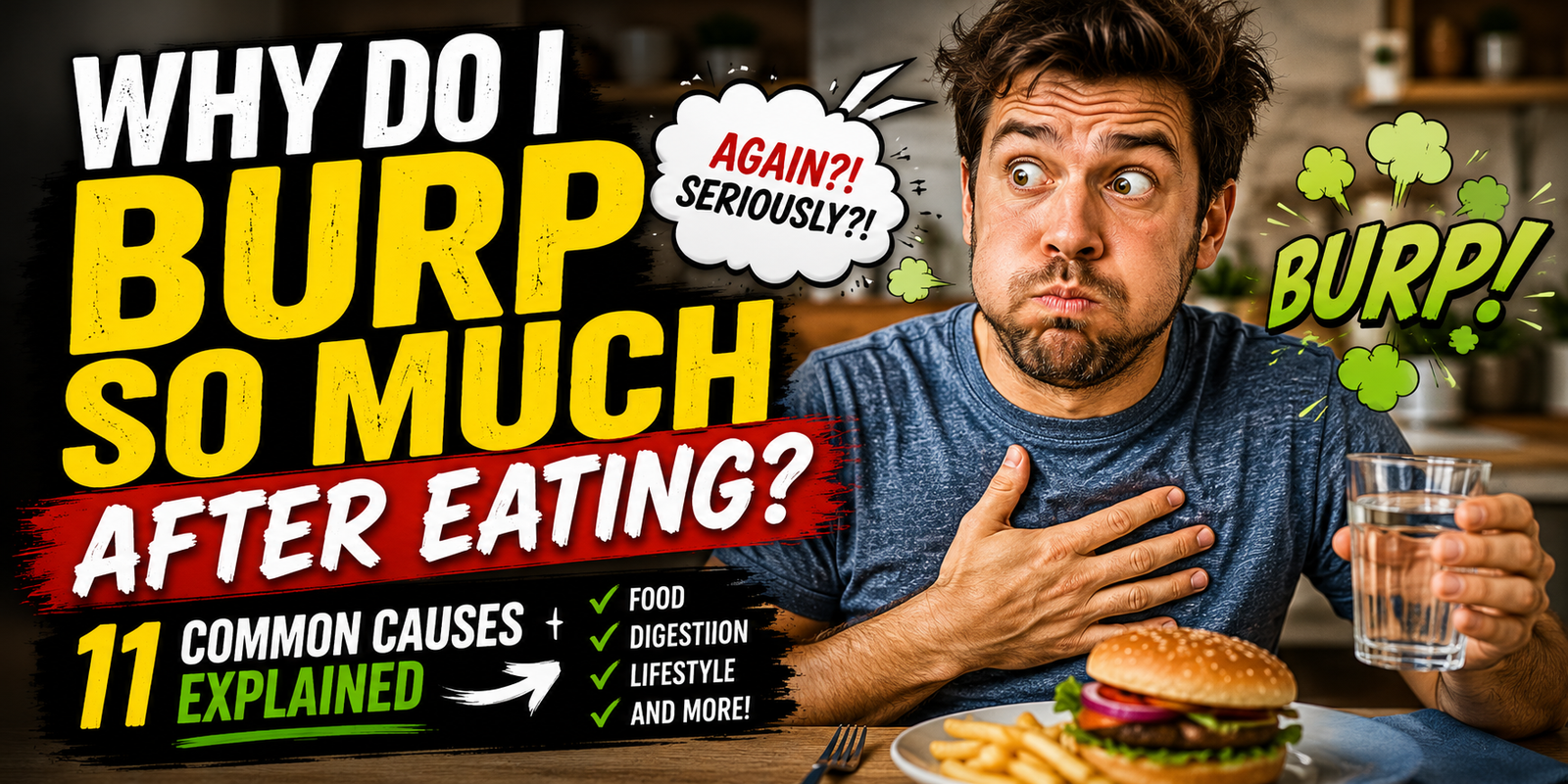
For example, if your symptoms mostly happen after meals, Why Do I Burp So Much After Eating? 11 Common Causes Explained covers many of the most common reasons.
Slow Down While You Eat
This was probably the biggest improvement I made.
I never realized how much air I swallowed simply because I ate too fast.
Now I try to:
- Put my fork down between bites.
- Chew food thoroughly.
- Finish one bite before taking another.
- Avoid talking with my mouth full.
- Give myself at least 20 minutes to finish a meal.
Within a week or two, I noticed noticeably less burping after eating.


Skip Carbonated Drinks for a While
This is one of the easiest experiments you can try.
Carbonated drinks already contain gas.
That gas eventually has to leave your body.
For many people, it leaves through burping.
Try replacing soda or sparkling water with plain water for several days and see if your symptoms improve.
Pay Attention to Your Trigger Foods
One of the biggest mistakes I made was assuming every meal caused problems.
It didn’t.
After keeping a simple food journal, I discovered only a handful of foods consistently triggered my burping.

If you’re not sure where to begin, What Foods Make You Burp More? covers many of the most common dietary triggers and explains why they affect some people more than others.
Don’t Eat Until You’re Miserably Full
This sounds obvious now.
It wasn’t at the time.
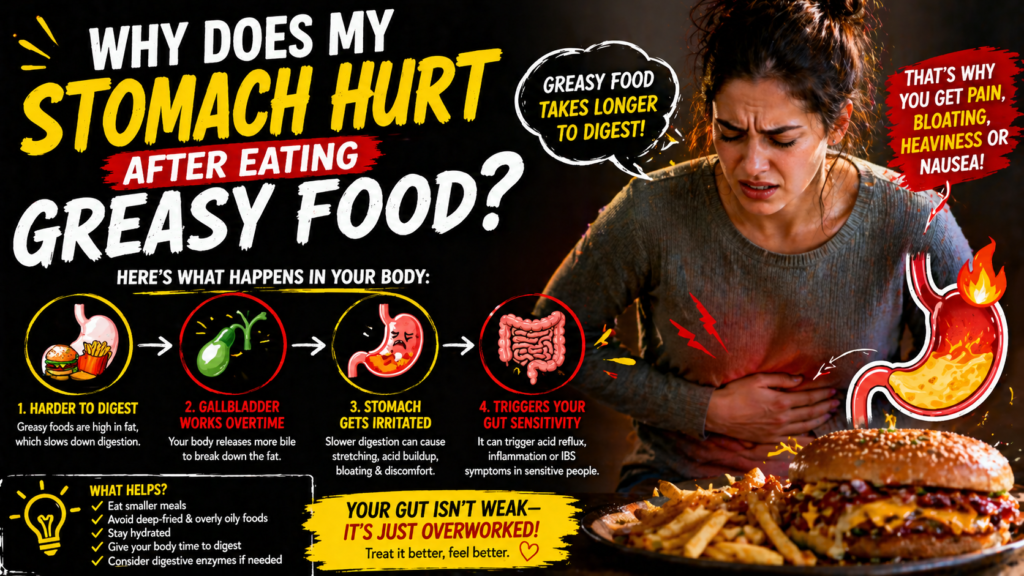
Large meals stretch your stomach much more than smaller ones.
That extra pressure makes trapped air much more likely to escape as burps.
I still enjoy my favorite foods.
I just try not to leave the table feeling stuffed anymore.
Don’t Lie Down Right After Eating
This one made a much bigger difference than I expected.
For years, I’d finish dinner and head straight for the couch.
Sometimes I’d even climb into bed within an hour.
Looking back, it’s no surprise my burping seemed worse in the evenings.
When you stay upright after eating, gravity helps keep food and stomach acid where they belong. Lying down too soon can make both burping and reflux more noticeable.
I now try to stay upright for at least two to three hours after a larger meal, especially dinner.
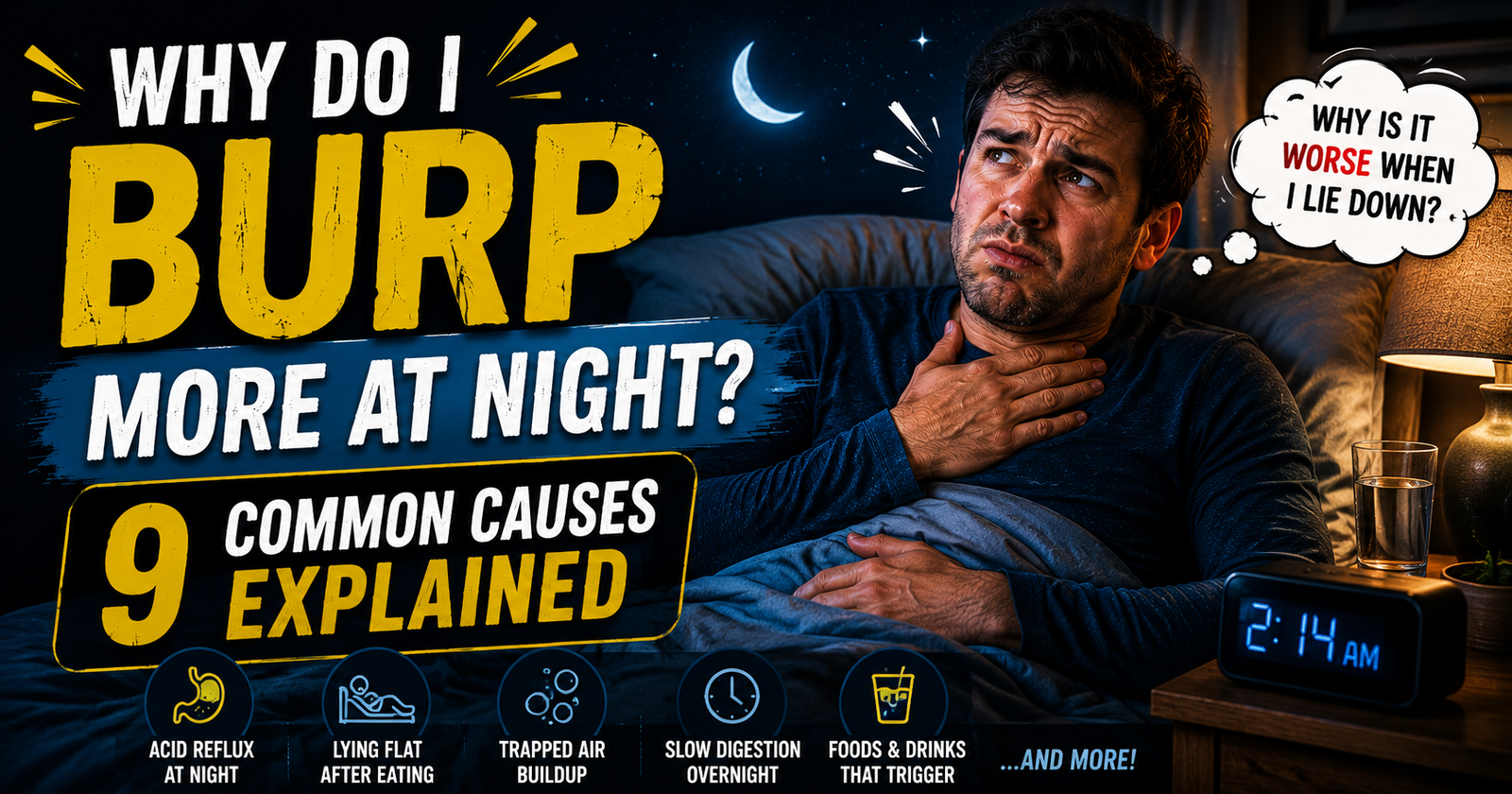
If nighttime is when your symptoms are at their worst, Why Do I Burp More at Night? Here’s What May Be Happening explains why your evening routine may be part of the problem.



Reduce Stress Around Mealtimes
I used to think stress and digestion had nothing to do with each other.
Now I’m convinced they’re closely connected.
On stressful days I would:
- Eat faster.
- Drink coffee too quickly.
- Skip meals.
- Swallow more air without realizing it.
Every one of those habits made my burping worse.
I’m not suggesting stress is the cause of everyone’s symptoms, but slowing down before a meal can make a noticeable difference.
Even taking a few deep breaths before eating helped me stop rushing through my food.
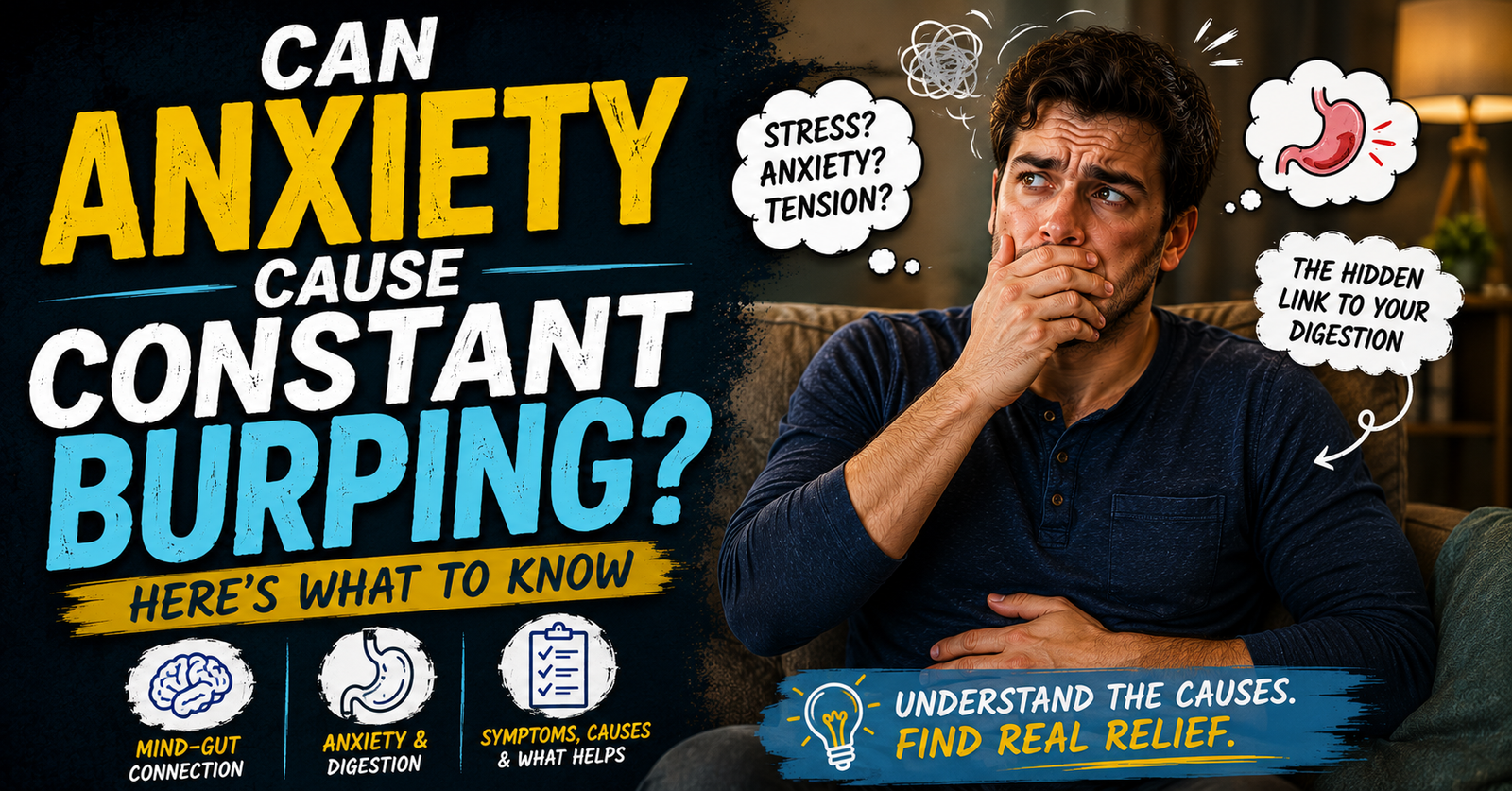
If you’ve noticed a connection between stressful days and digestive symptoms, Can Anxiety Cause Constant Burping? Here’s What to Know explores why your brain and digestive system are more connected than most people realize.
Consider Whether Acid Reflux Could Be Part of the Problem
For the longest time I ruled out reflux because I didn’t have heartburn.
That was a mistake.
Some people mainly experience:
- Burping.
- Throat clearing.
- Regurgitation.
- A sour taste.
- Mild chest discomfort.
If you constantly burp but rarely feel burning in your chest, reflux could still be contributing to your symptoms.
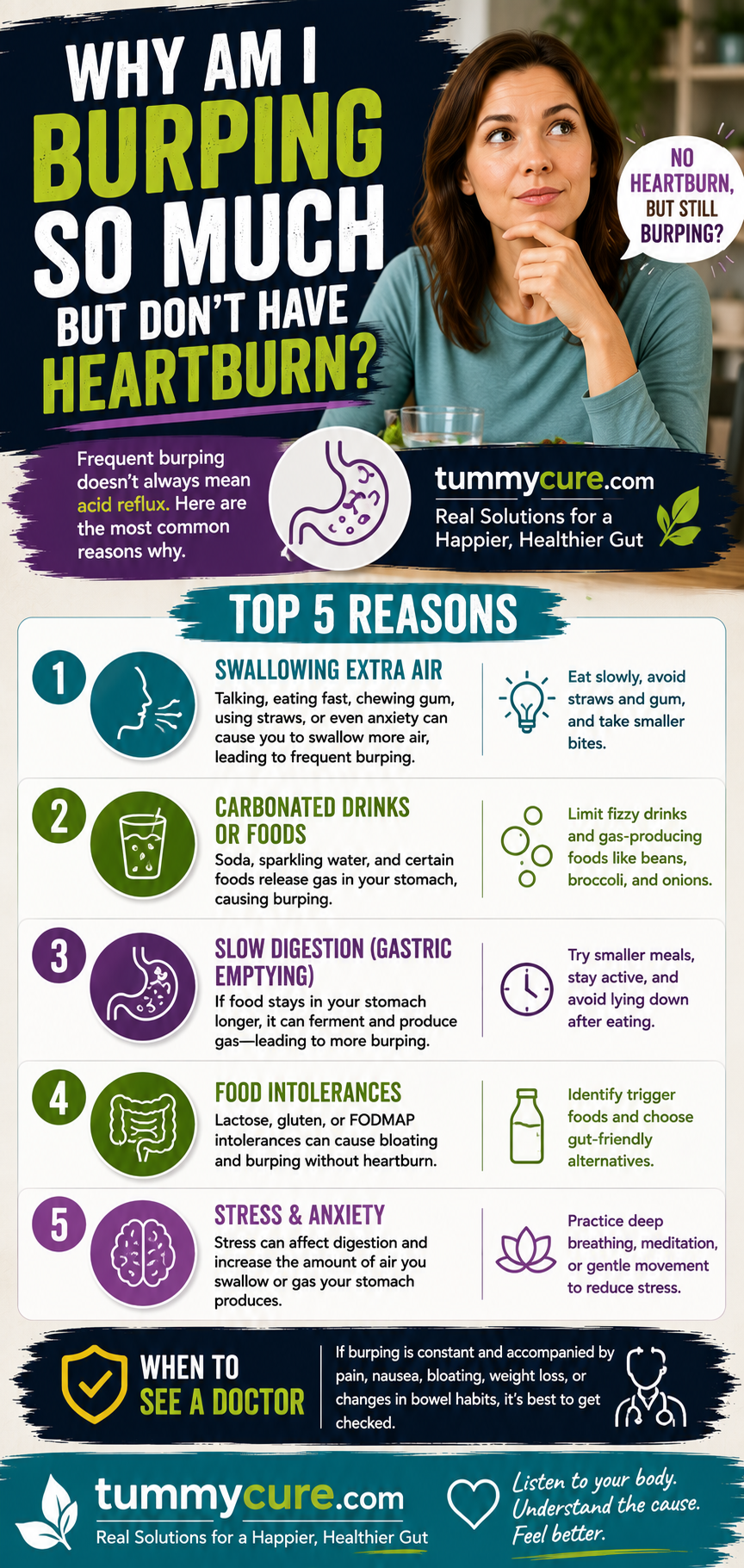
I explain this much more thoroughly in Why Am I Burping So Much but Don’t Have Heartburn? because that misconception kept me looking in the wrong direction for a long time.

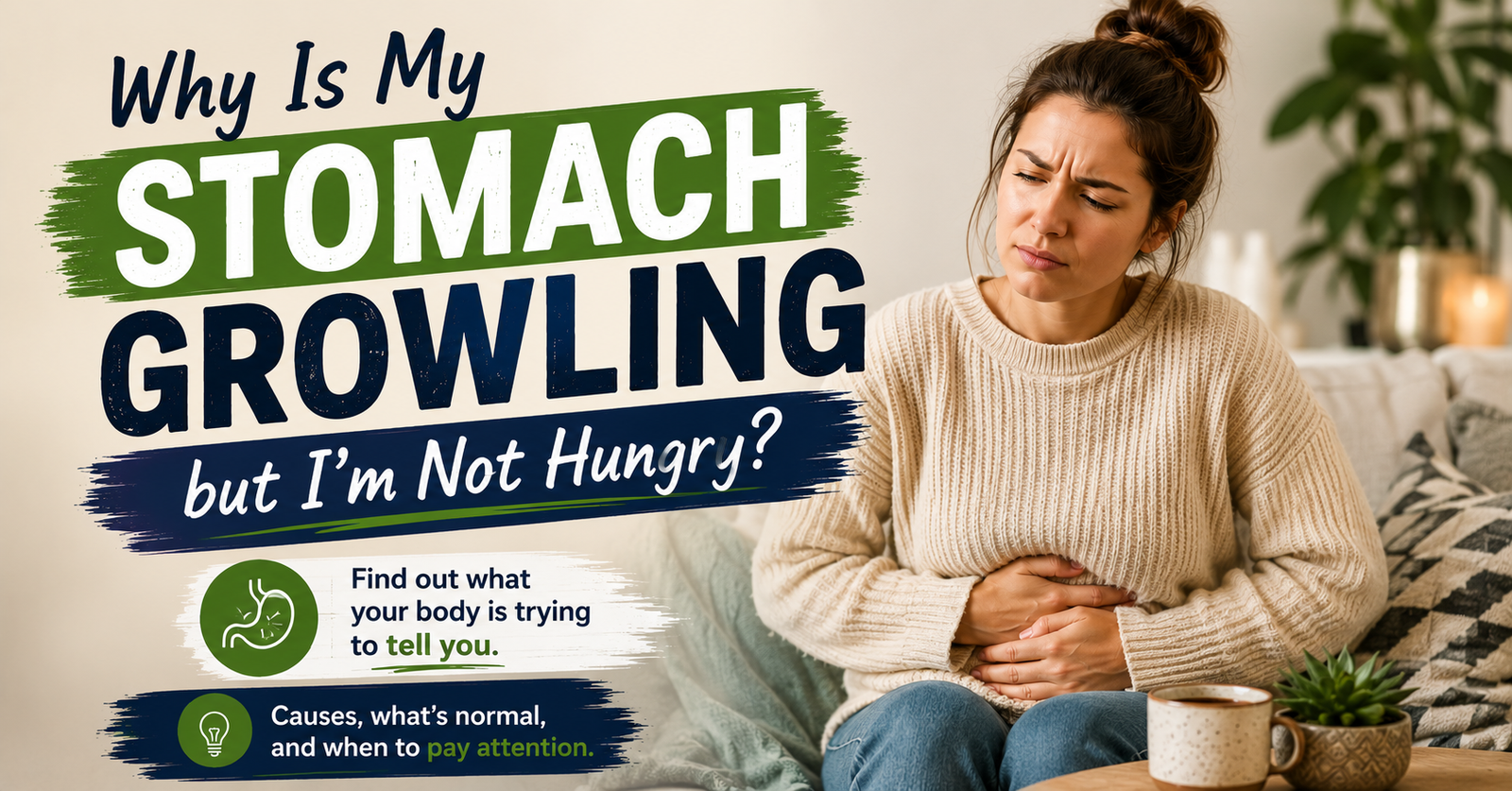

Keep Your Digestive System Moving
One of the simplest habits I added was taking a short walk after dinner.
Nothing intense.
Just ten or fifteen minutes around the neighborhood.
It seemed to help my stomach empty more comfortably and reduced that overly full feeling I’d often get after larger meals.
Even on days when I couldn’t go outside, simply standing up and moving around the house was better than immediately sitting on the couch.
Could Digestive Enzymes Help?
If your burping is related to how your body digests food, digestive enzymes may be worth looking into.
They’re not a cure for every cause of burping.
However, if your symptoms tend to happen after larger meals or foods that are harder to digest, they may help some people.
I spent quite a bit of time researching them while trying to understand my own digestive symptoms.

If you’re curious, I compared several products in Best Digestive Enzymes for Bloating That Actually Work and also took a closer look at Zenwise Digestive Enzymes since it’s one of the supplements readers ask about most often.

If you’re thinking about trying a digestive enzyme supplement, I’d recommend reading my Zenwise Digestive Enzymes Review first. I break down the ingredients, who it may help, and the situations where I don’t think digestive enzymes are likely to make much difference.
Could Probiotics Make a Difference?
For some people, yes.
If your burping is connected to an imbalance in your gut bacteria, probiotics may help support a healthier digestive environment over time.
That doesn’t mean they’re right for everyone.
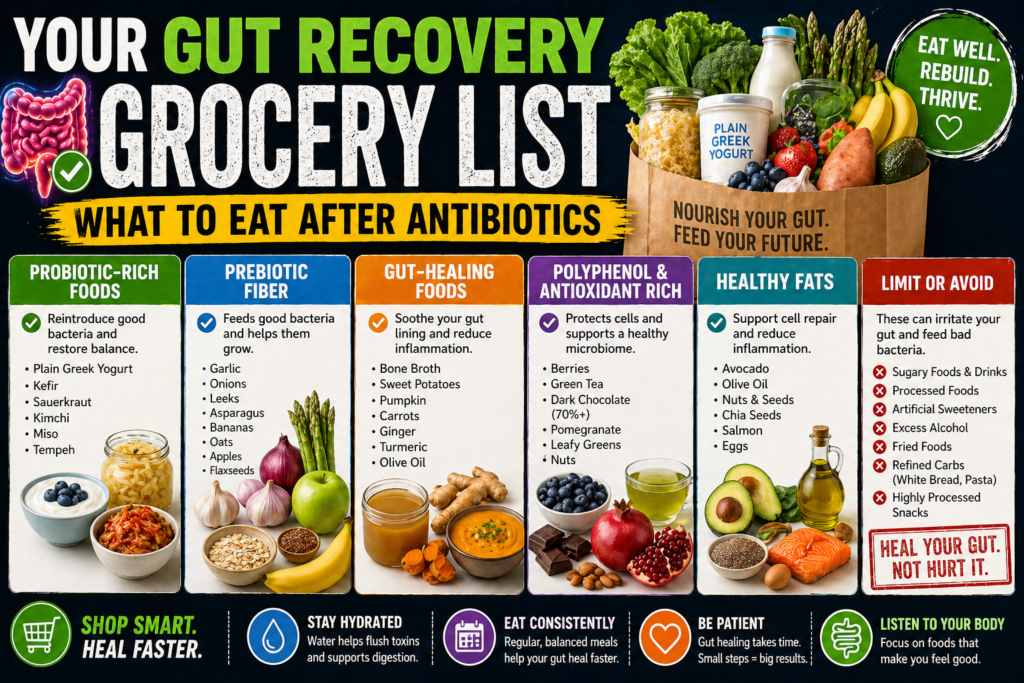
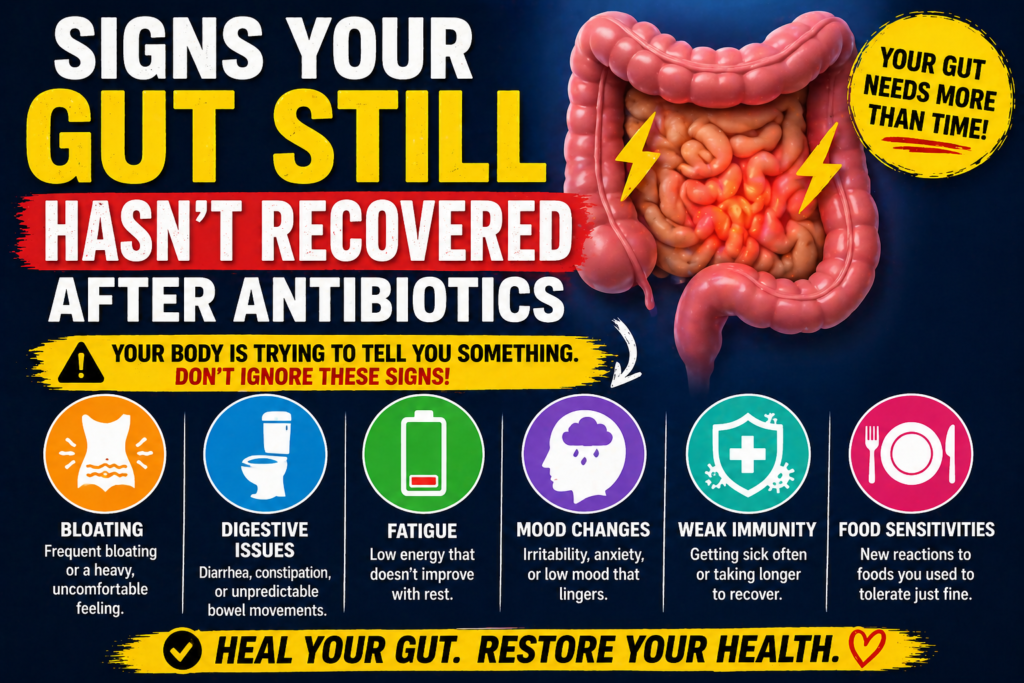
But if you’ve recently taken antibiotics or frequently deal with bloating and excess gas along with burping, they’re worth discussing with your healthcare provider.

If you’re trying to decide where to begin, Best Probiotic for Bloating That Actually Works compares several options and explains what I learned while researching them.
Know When Home Remedies Aren’t Enough
Natural lifestyle changes can make a huge difference for many people.
But they aren’t the answer to every digestive problem.
If your burping continues despite changing your eating habits, or if it keeps getting worse, it’s time to look deeper.
You should contact your healthcare provider if you also experience:
- Difficulty swallowing.
- Persistent vomiting.
- Vomiting blood.
- Black or tar-like stools.
- Severe abdominal pain.
- Unexplained weight loss.
- Burping that suddenly becomes much more frequent for no obvious reason.
Those symptoms deserve prompt medical evaluation.
Frequently Asked Questions
What is the fastest natural way to stop burping?
For many people, slowing down while eating, avoiding carbonated drinks, and reducing the amount of air swallowed during meals can help surprisingly quickly. If burping is caused by an underlying digestive condition, treating that condition is usually the most effective long-term solution.
Does drinking water stop burping?
Sometimes, but not always. Drinking water slowly may help move gas through your digestive system, while gulping large amounts can actually increase swallowed air and make burping worse.
Can eating too fast really cause burping?
Absolutely. The faster you eat, the more air you usually swallow. That trapped air often escapes later as burps.
Should I stop drinking coffee if I burp a lot?
Not necessarily. Coffee affects everyone differently. Try reducing how much you drink, avoid having it on an empty stomach, and see if your symptoms improve before eliminating it completely.
Is frequent burping usually serious?
Most of the time it isn’t. Frequent burping is often related to eating habits, certain foods, swallowed air, or common digestive conditions. However, persistent burping along with severe pain, bleeding, unexplained weight loss, or difficulty swallowing should always be evaluated by a healthcare provider.
Author: Natalie Mercer
Natalie Mercer is a digestive health writer who enjoys helping readers understand common digestive symptoms through practical, evidence-informed guidance. She focuses on helping people identify everyday habits that may improve digestive comfort while encouraging them to seek professional medical advice when symptoms become persistent, severe, or concerning.
As an Amazon Associate we earn from qualifying purchases through some links in our articles.