When I first started burping more than usual, I kept telling myself it couldn’t possibly be acid reflux.
Why?
Because I didn’t have heartburn.
No burning in my chest.
No fiery feeling after spicy food.
No pain climbing into my throat.
Just…constant burping.
For weeks I convinced myself it had to be something else because every commercial and article I’d ever seen made heartburn sound like the main symptom of reflux.
It wasn’t until I started reading more about digestive health that I realized heartburn is only one possible symptom. Some people rarely experience it at all.
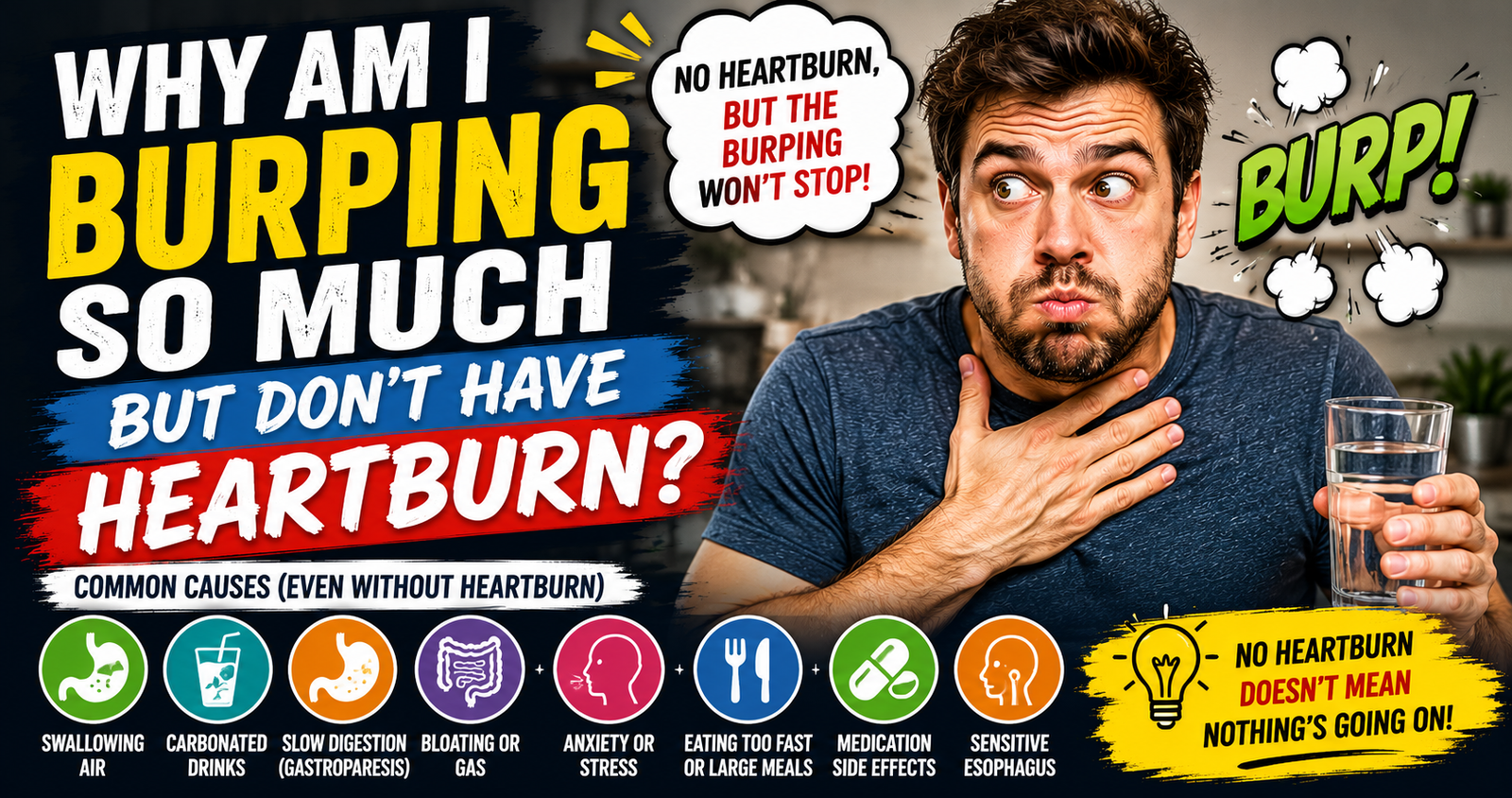
If you’ve been wondering why you’re burping so much even though you don’t have heartburn, you’re definitely not alone. There are actually several digestive conditions that can cause frequent burping without that classic burning sensation.
The good news is that many of them are manageable once you identify what’s actually causing the problem.
Can You Have Acid Reflux Without Heartburn?
Absolutely.
This was probably the biggest thing I learned while researching my own digestive symptoms.
Many people have what’s sometimes called silent reflux or experience gastroesophageal reflux disease (GERD) without noticeable heartburn. If reflux may be contributing to your symptoms, Home Remedies for Heartburn: Effective Solutions for Quick Relief offers practical ways to ease irritation and discomfort.
Instead of burning, they may have symptoms like:
- Frequent burping
- A sour taste in the mouth
- Needing to clear their throat often
- A chronic cough
- Hoarseness
- Feeling like something is stuck in their throat
- Regurgitation after eating
Burping can actually be one of the first symptoms people notice.
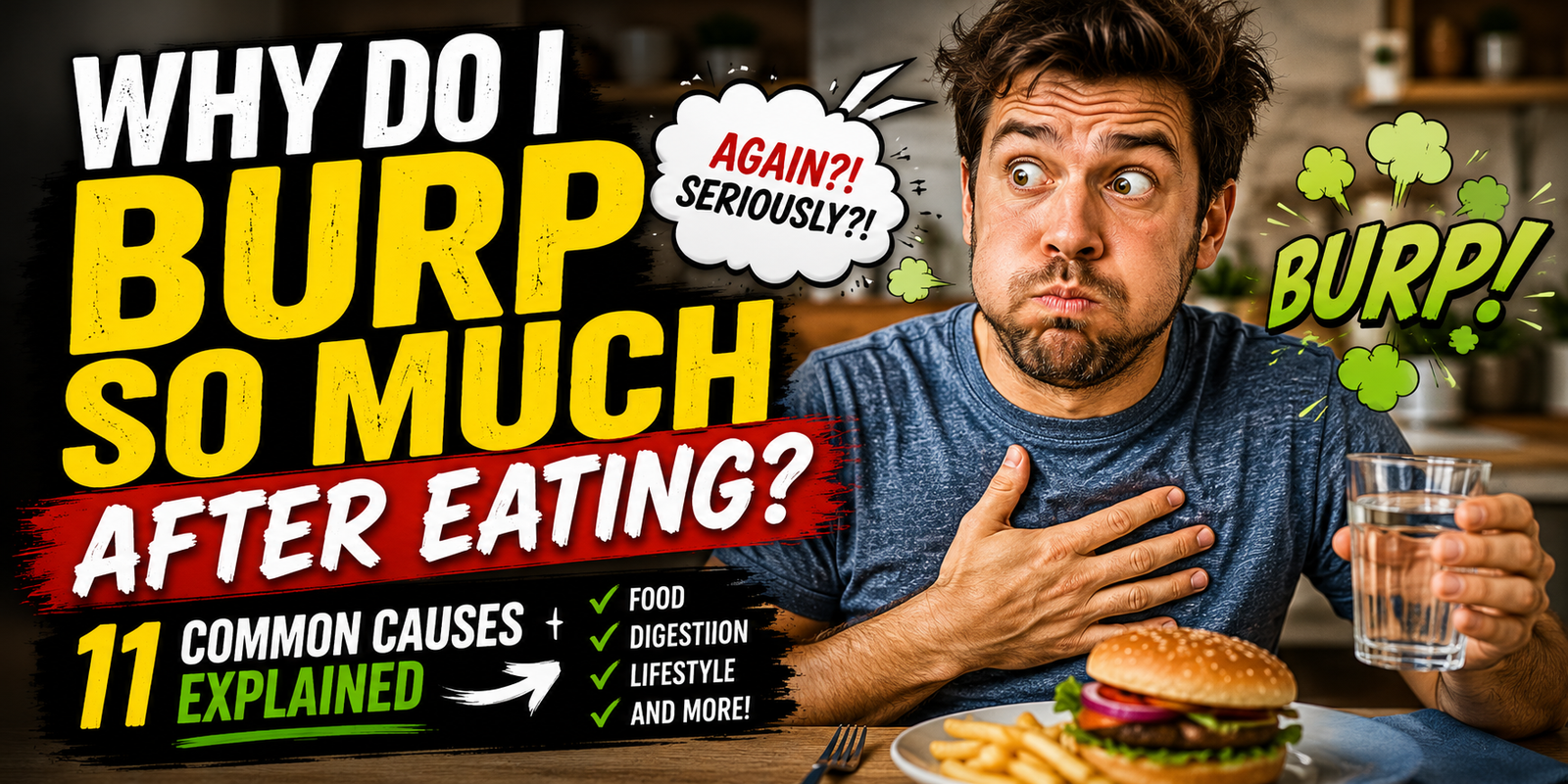
If you haven’t already read it, I recommend starting with Why Do I Burp So Much After Eating? 11 Common Causes Explained because many of the causes discussed there can happen with or without heartburn.



Why Doesn’t Everyone Feel Heartburn?
Everyone’s body is different.
Some people are simply more sensitive to stomach acid than others.
For one person, a small amount of acid entering the esophagus causes intense burning.
For someone else, that same amount of acid might only trigger burping or throat irritation.
That’s one reason digestive symptoms can be so confusing.
You and someone else may have the exact same condition but experience completely different symptoms.
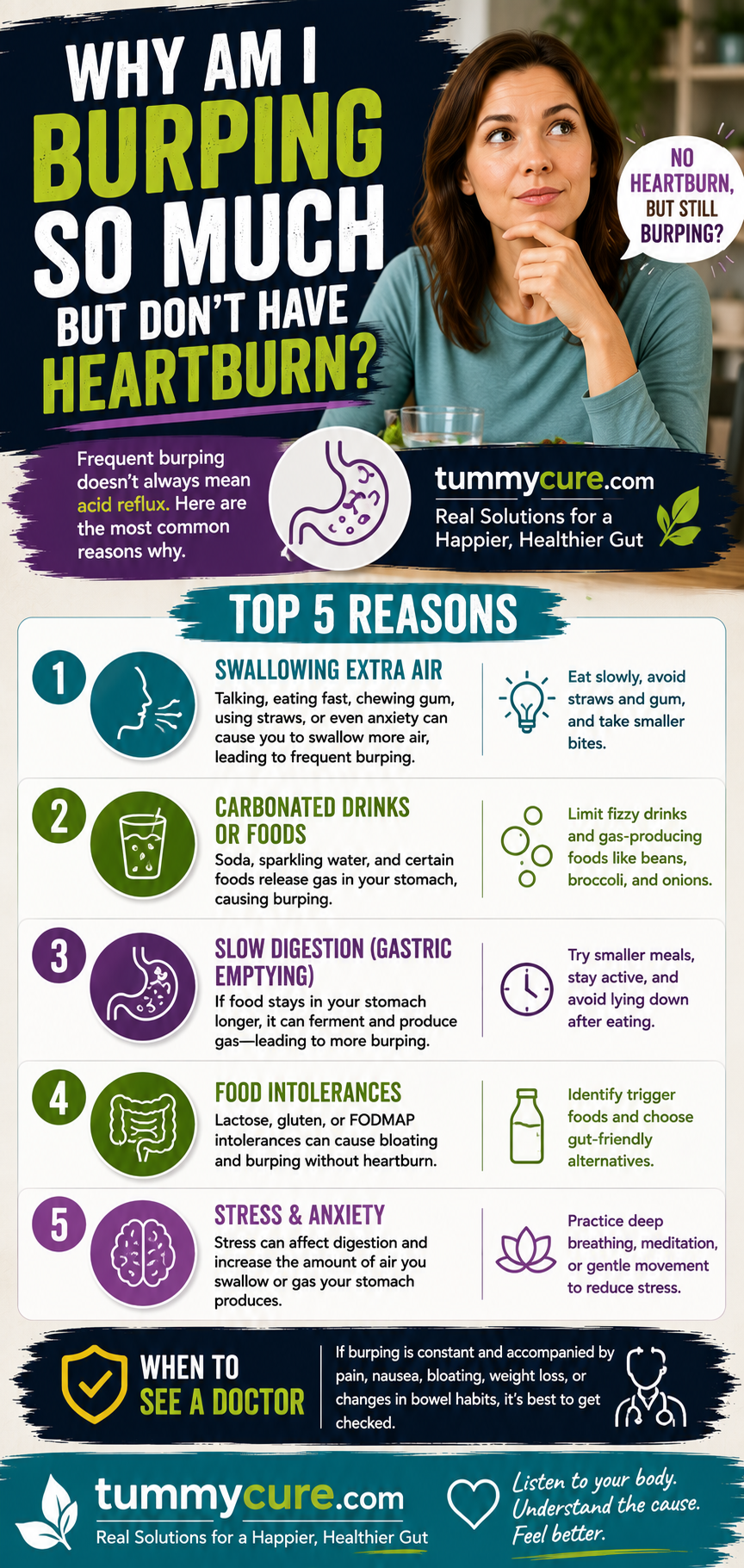
1. You’re Swallowing More Air Than You Realize
Believe it or not, swallowed air is still the number one cause of frequent burping.
And it has absolutely nothing to do with heartburn.
Some common ways we swallow extra air include:
- Eating too quickly
- Drinking too fast
- Talking while eating
- Chewing gum
- Smoking
- Drinking through a straw
I caught myself doing several of these every single day without thinking about it.
Once I slowed down during meals, my burping improved more than I expected.
2. Silent Acid Reflux
This deserves its own section because so many people overlook it.
Silent reflux doesn’t always create that familiar burning feeling.
Instead, stomach contents move upward just enough to irritate the throat or esophagus without causing obvious heartburn.
People often notice:
- Burping after meals
- Burping after drinking water
- Throat clearing
- Hoarseness
- Feeling like food is stuck
- A cough that’s worse after eating
I cover reflux in much more detail in Living With Acid Reflux: Causes and Effective Solutions for Long-Term Reliefbecause many people don’t realize reflux symptoms extend far beyond heartburn.
Don’t Overlook Your Daily Habits
One thing that surprised me was how much my everyday routine influenced my symptoms.
Eating too quickly, drinking carbonated beverages, lying down after dinner, and even periods of stress all made my burping worse without causing noticeable heartburn.
Making a few small lifestyle changes often reduced my symptoms more than I expected.
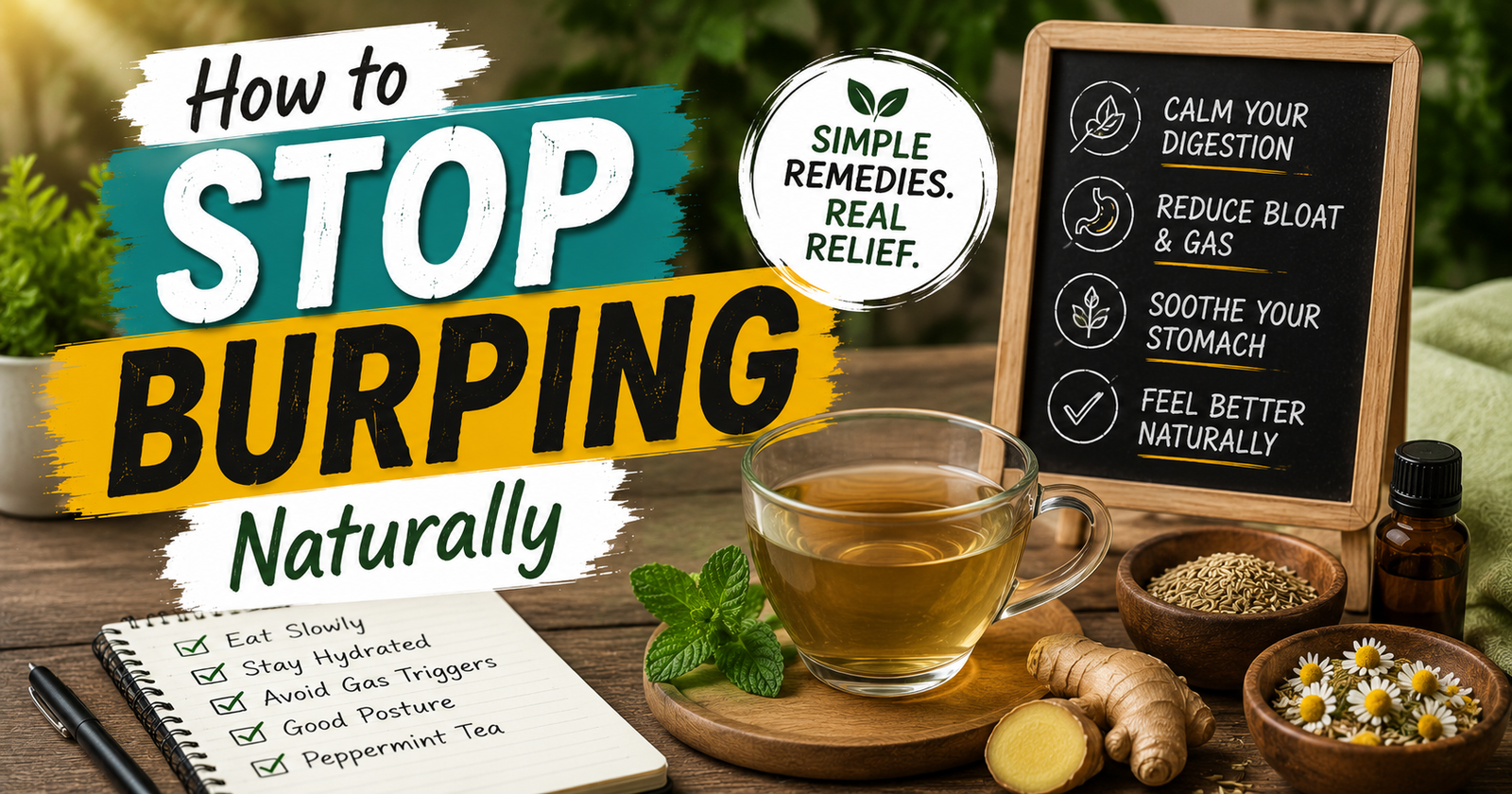
If you’re looking for practical ideas, How to Stop Burping Naturally walks through the habits that helped me the most.
3. Certain Foods Produce More Gas
Sometimes your stomach isn’t the problem.
Your intestines are.
As gut bacteria break down certain foods, they naturally produce gas.
Some of that gas travels downward.
Some of it works its way back up.
Foods commonly associated with extra gas include:
- Beans
- Lentils
- Broccoli
- Cabbage
- Carbonated drinks
- Artificial sweeteners
- Onions
One thing I noticed was that the same foods didn’t affect me every day. Stress, portion size, and how quickly I ate also seemed to make a difference.

4. A Hiatal Hernia
Hiatal hernias don’t always cause severe reflux.
Sometimes they mainly cause pressure, fullness, and repeated burping after meals.
That’s because the upper part of the stomach sits slightly higher than normal, making it easier for trapped air to escape.
If you’ve been diagnosed with one, you may find Hiatal Hernia Diet: What to Eat and Avoid Starting Today helpful. I was surprised by how much simple food choices can influence symptoms from one day to the next.
5. Indigestion Can Cause Burping Without Burning
Indigestion doesn’t always hurt.
Sometimes it simply slows digestion enough that food and trapped air stay in the stomach longer than they should.
Common symptoms include:
- Burping
- Feeling overly full
- Mild nausea
- Upper stomach discomfort
- Bloating
I found this happened most often after larger meals or eating too late at night. Slowing down and avoiding oversized portions seemed to make the biggest difference.


6. IBS Can Cause Burping Even Without Heartburn
Most people think of irritable bowel syndrome as causing constipation or diarrhea.
While those are certainly common symptoms, I was surprised to learn that many people with IBS also struggle with frequent burping.
The reason is that IBS often affects how gas moves through the digestive tract. Instead of moving smoothly through the intestines, gas can build up and create pressure that eventually escapes through repeated burping.
Other symptoms that often occur alongside burping include:
- Bloating
- Cramping
- Constipation
- Diarrhea
- Feeling like your stomach is always unsettled
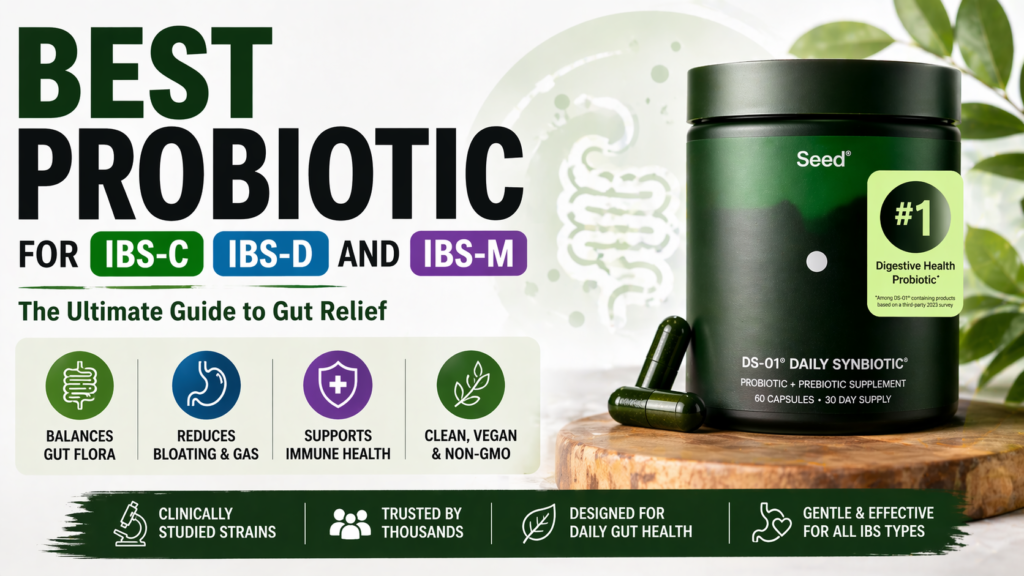
If your burping seems to happen along with changes in your bowel habits, restoring your gut bacteria may be part of the solution. I explain the differences between probiotic options in Best Probiotic for IBS-C, IBS-D and IBS-M and what the current research says.
7. Food Intolerances Often Cause Burping Without Reflux
One thing that became obvious after keeping a food journal was that my burping wasn’t random.
Certain foods consistently made it worse.
Food intolerances don’t always cause dramatic symptoms. Instead, they often lead to poor digestion, extra gas production, bloating, and frequent belching.
Some of the most common triggers include:
- Dairy products
- Wheat
- High-fat foods
- Artificial sweeteners
- Large amounts of onions or garlic
- Highly processed foods
I wouldn’t recommend cutting out several foods all at once. Instead, remove one suspected trigger for a couple of weeks and see if your symptoms improve before moving on to another.

8. Your Gut Bacteria May Be Out of Balance
The more I learned about the gut microbiome, the more I realized how many digestive symptoms it can influence.
When the balance of bacteria changes, your body may ferment food differently, creating extra gas that leads to burping, bloating, and abdominal discomfort.
This is especially common after:
- Taking antibiotics
- Recovering from a stomach virus
- Long periods of poor eating habits
- Chronic digestive disorders
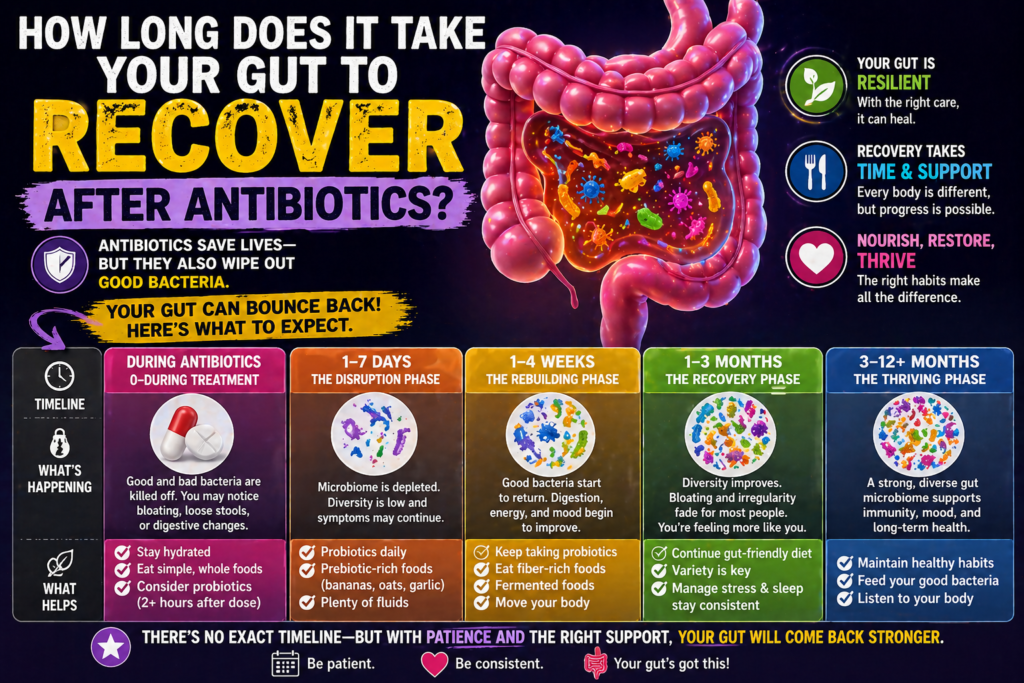
If your symptoms began after antibiotics, I’d recommend reading How Long Does It Take Your Gut to Recover After Antibiotics?. I was surprised to learn that gut recovery often takes much longer than people expect.
9. Digestive Enzymes May Play a Role
Sometimes the issue isn’t producing too much gas.
It’s not breaking food down efficiently in the first place.
Digestive enzymes help your body digest carbohydrates, proteins, and fats. If digestion slows, food can sit in the stomach longer, increasing pressure and creating more opportunities for trapped air and gas to escape as burps.
This seems especially common after:
- Large restaurant meals
- Fatty foods
- Heavy holiday dinners
- Meals high in protein

I spent quite a bit of time researching digestive enzyme supplements because they kept appearing while I was looking into bloating and burping. If you’re curious whether they might help, my review of Zenwise Digestive Enzymes walks through my research, and I also compared several options in Best Digestive Enzymes for Bloating That Actually Work.
10. Stress and Anxiety Affect More Than Your Mind
I used to think stress only caused headaches or made it harder to sleep.
I never connected it to burping.
But stress changes the way we breathe, how quickly we eat, and even how our digestive system moves food through the stomach and intestines.
During stressful weeks, I noticed I swallowed more air without realizing it. My digestion also felt slower, which only seemed to make the burping worse.
That’s one reason many people notice digestive symptoms flare up during busy or emotionally difficult periods.
What Helped Me Burp Less Even Without Heartburn
The biggest lesson I learned was to stop focusing only on heartburn.
Since I wasn’t feeling any burning, I kept assuming reflux wasn’t possible.
Instead, I started paying attention to everything surrounding the burping.
I slowed down while eating, stopped drinking carbonated beverages with meals, and took smaller sips instead of gulping drinks. I also started noticing which foods consistently triggered symptoms instead of blaming every meal.
Those simple changes reduced my burping far more than I expected.
When You Should Talk to Your Doctor
Frequent burping by itself usually isn’t an emergency.
However, you shouldn’t ignore it if it’s accompanied by:
- Difficulty swallowing
- Vomiting blood
- Black or tar-like stools
- Unexplained weight loss
- Severe or persistent stomach pain
- Ongoing vomiting
- Chest pain
- Burping that suddenly becomes much worse
Those symptoms deserve prompt medical evaluation to rule out more serious digestive conditions.
Frequently Asked Questions
Can I have acid reflux without heartburn?
Yes. Many people experience what’s often called silent reflux. Instead of burning in the chest, they may notice burping, throat clearing, coughing, hoarseness, or regurgitation after meals.
Why do I burp all day but never get heartburn?
Burping can be caused by swallowed air, food intolerances, IBS, indigestion, gut bacteria imbalance, hiatal hernia, or silent reflux. Heartburn is only one possible symptom of reflux and isn’t present in everyone.
Is excessive burping usually serious?
Most cases are related to common digestive issues and aren’t serious. However, persistent burping with weight loss, bleeding, severe pain, or difficulty swallowing should always be evaluated by a healthcare provider.
Can probiotics reduce burping?

If your burping is related to an imbalance in your gut bacteria, some probiotics may help over time. They won’t help if the main problem is swallowing excess air or eating too quickly. If gut bacteria may be part of the picture, the Seed DS-01 review discusses one probiotic option in more detail.
Why do I burp more after large meals?
Large meals stretch your stomach and increase pressure inside it. That pressure makes it easier for trapped air to escape, leading to more frequent burping.
Author: Natalie Mercer
Natalie Mercer is a digestive health writer dedicated to making digestive symptoms easier to understand without overwhelming readers with medical jargon. She enjoys translating research into practical, everyday advice while helping people recognize when simple lifestyle changes may help and when it’s important to seek professional medical care.
As an Amazon Associate we earn from qualifying purchases through some links in our articles.