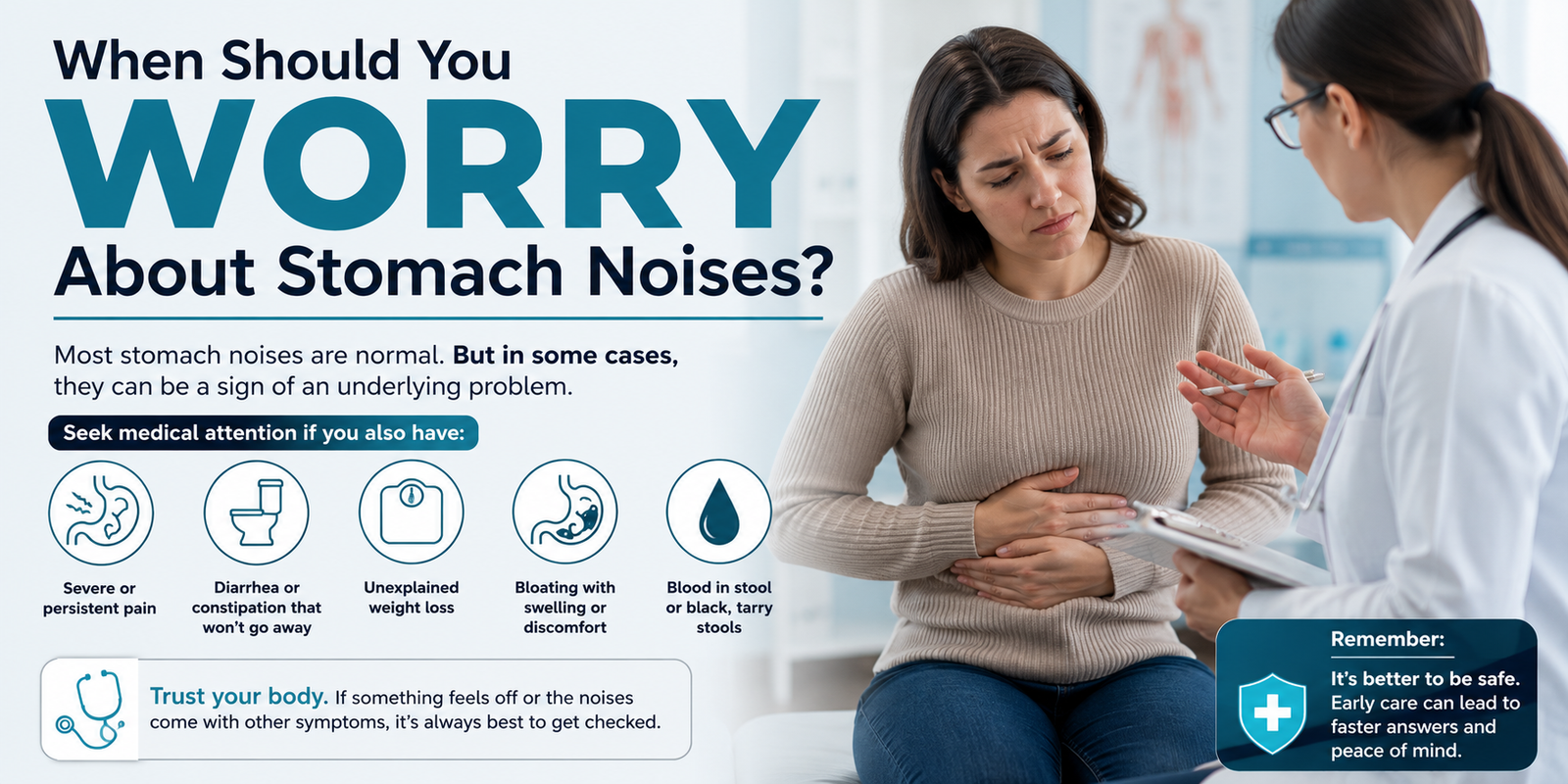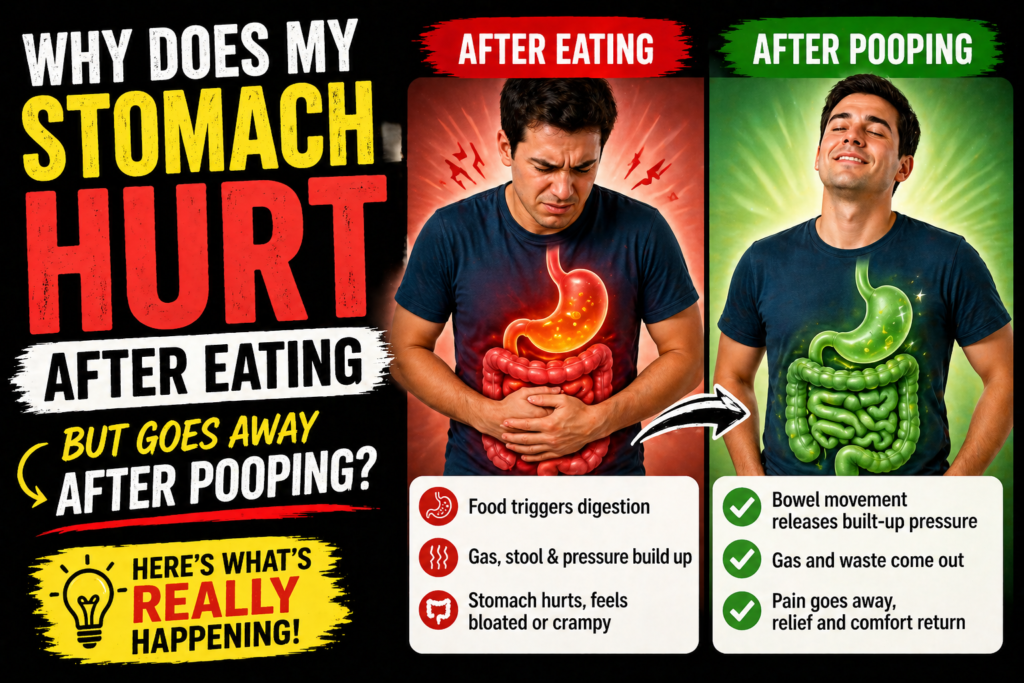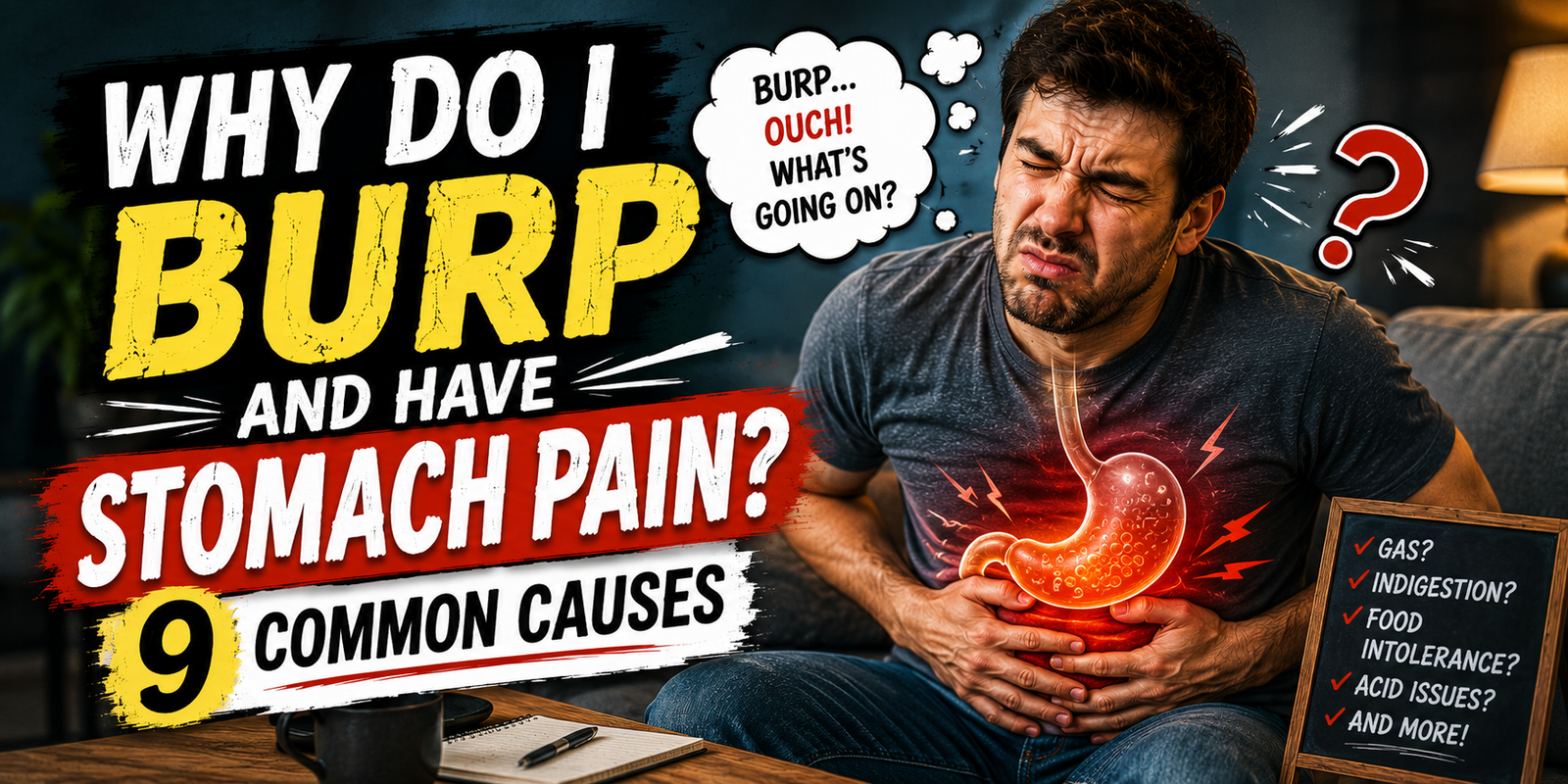

It took me a while to realize that burping wasn’t random.
Some meals never bothered me.
Others practically guaranteed I’d spend the next hour burping.
At first, I blamed individual foods. Then I’d eat that same food a week later without any problems. That’s when I realized it wasn’t always one ingredient causing the issue.
Sometimes it was how much I ate.
Sometimes it was how quickly I ate.
Sometimes it was a combination of foods.
After learning more about digestion, I found that certain foods are much more likely to trigger burping because they increase gas production, relax the muscles that keep stomach contents where they belong, or simply encourage us to swallow more air while eating.
The good news is that you usually don’t have to give up your favorite foods forever.
You just need to figure out which ones your digestive system doesn’t appreciate as much as you do.
Why Some Foods Cause More Burping Than Others
Every time you eat, two things happen.
You naturally swallow a small amount of air.
At the same time, your digestive system begins breaking food down.
Some foods digest quickly and quietly.
Others create much more gas as they’re broken down by bacteria in your intestines.
Certain foods can also slow digestion or increase stomach acid, making burping more noticeable.
That’s why two people can eat the exact same meal and have completely different experiences afterward.
If you find yourself burping after nearly every meal instead of just certain foods, I’d recommend reading Why Do I Burp So Much After Eating? 11 Common Causes Explained because the issue may go beyond a specific food.


Carbonated Drinks Usually Top the List
This was probably the easiest trigger for me to identify.
Soda.
Sparkling water.
Beer.
Energy drinks.
They all contain carbon dioxide.
That gas has to leave your digestive system somehow.
Most of it leaves through burping.
Even one can of soda can make some people burp repeatedly for the next hour.
If you’re trying to reduce burping, switching to still water for a few days is one of the simplest experiments you can try.


Coffee Can Trigger Burping in More Than One Way
I originally assumed caffeine was the problem.
It’s actually more complicated than that.
Coffee may:
- Increase stomach acid.
- Stimulate digestion.
- Relax the lower esophageal sphincter in some people.
- Irritate sensitive stomachs.
- Encourage faster drinking first thing in the morning.
I noticed my symptoms were much worse when I drank coffee on an empty stomach than when I had it after breakfast.
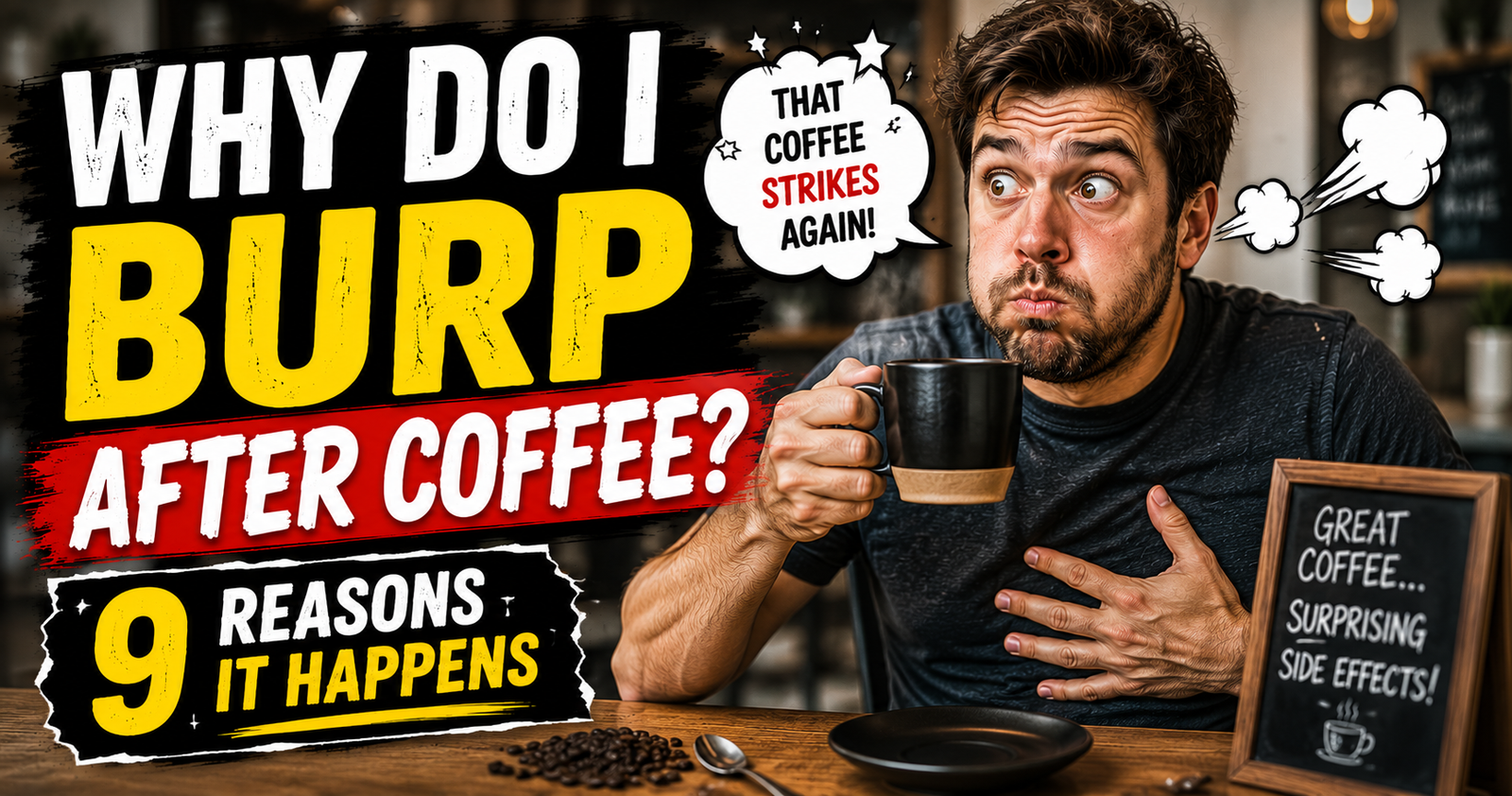
If coffee seems to be one of your biggest triggers, Why Do I Burp After Coffee? Here’s What May Be Causing Ittakes a much deeper look at the different ways coffee can affect digestion.
Bread and Other Wheat Products
Bread surprised me.
I never expected toast or sandwiches to make much difference.
But certain breads consistently left me burping more than others.
There are several possible reasons.
Some breads contain fermentable carbohydrates that gut bacteria love.
Others simply stay in the stomach longer, especially when eaten as part of a large meal.
For some people, gluten or wheat sensitivity may also play a role.
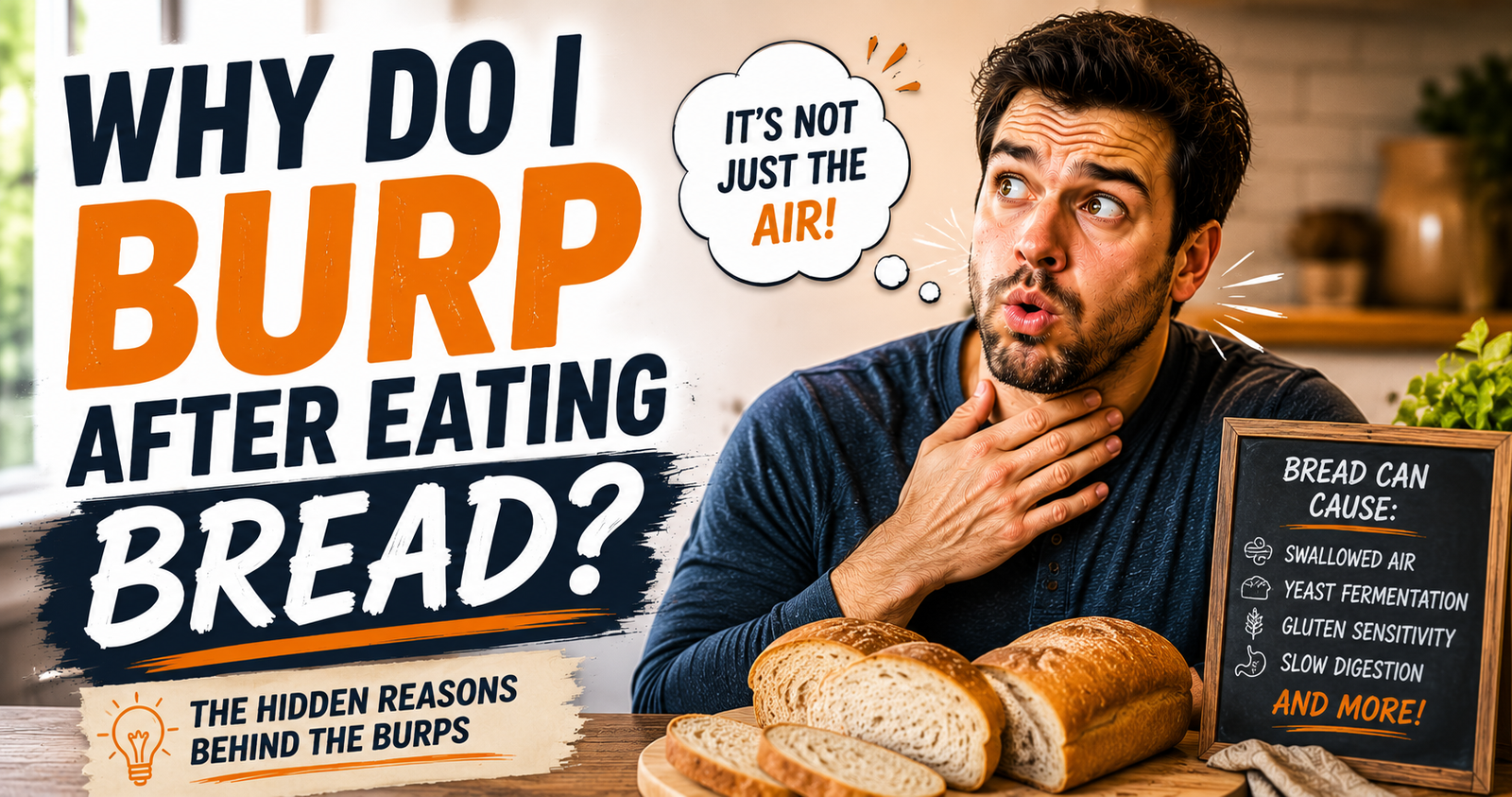
If you’ve noticed a pattern with sandwiches, rolls, or pizza crust, Why Do I Burp After Eating Bread? Causes and What Helps explains why bread affects some people much more than others.

Beans and Lentils
Beans have a reputation for causing gas, and there’s a good reason for it.
They contain complex carbohydrates that your small intestine can’t completely digest.
Instead, those carbohydrates travel into your large intestine, where your gut bacteria break them down.
That process naturally creates gas.
For some people, the gas mostly passes through the intestines.
For others, it contributes to frequent burping as well.
I didn’t have to give up beans completely, but I did notice that eating smaller portions helped my stomach handle them much better.
Cruciferous Vegetables
I was surprised to learn that some of the healthiest vegetables can also be some of the biggest gas producers.
These include:
- Broccoli.
- Cauliflower.
- Brussels sprouts.
- Cabbage.
- Kale.
They’re packed with nutrients, so I certainly wouldn’t stop eating them unless your healthcare provider recommends it.
Instead, pay attention to portion size and how they’re prepared. Some people tolerate cooked vegetables much better than raw ones.
Onions and Garlic
Onions and garlic make countless meals taste better.
Unfortunately, they’re also rich in fermentable carbohydrates that can produce extra gas during digestion.
I noticed raw onions bothered me much more than cooked onions.
Everyone is different, though.
Some people tolerate small amounts without any issues while others notice symptoms after just a few bites.
Fried and High-Fat Foods
This was one of my biggest triggers.
After eating greasy foods, my stomach often felt like it was working overtime.
High-fat meals tend to stay in the stomach longer than lighter meals.
That slower digestion gives trapped air and gas more time to build up.
Along with burping, I often noticed:
- Feeling overly full.
- Bloating.
- Mild stomach discomfort.
- Nausea.
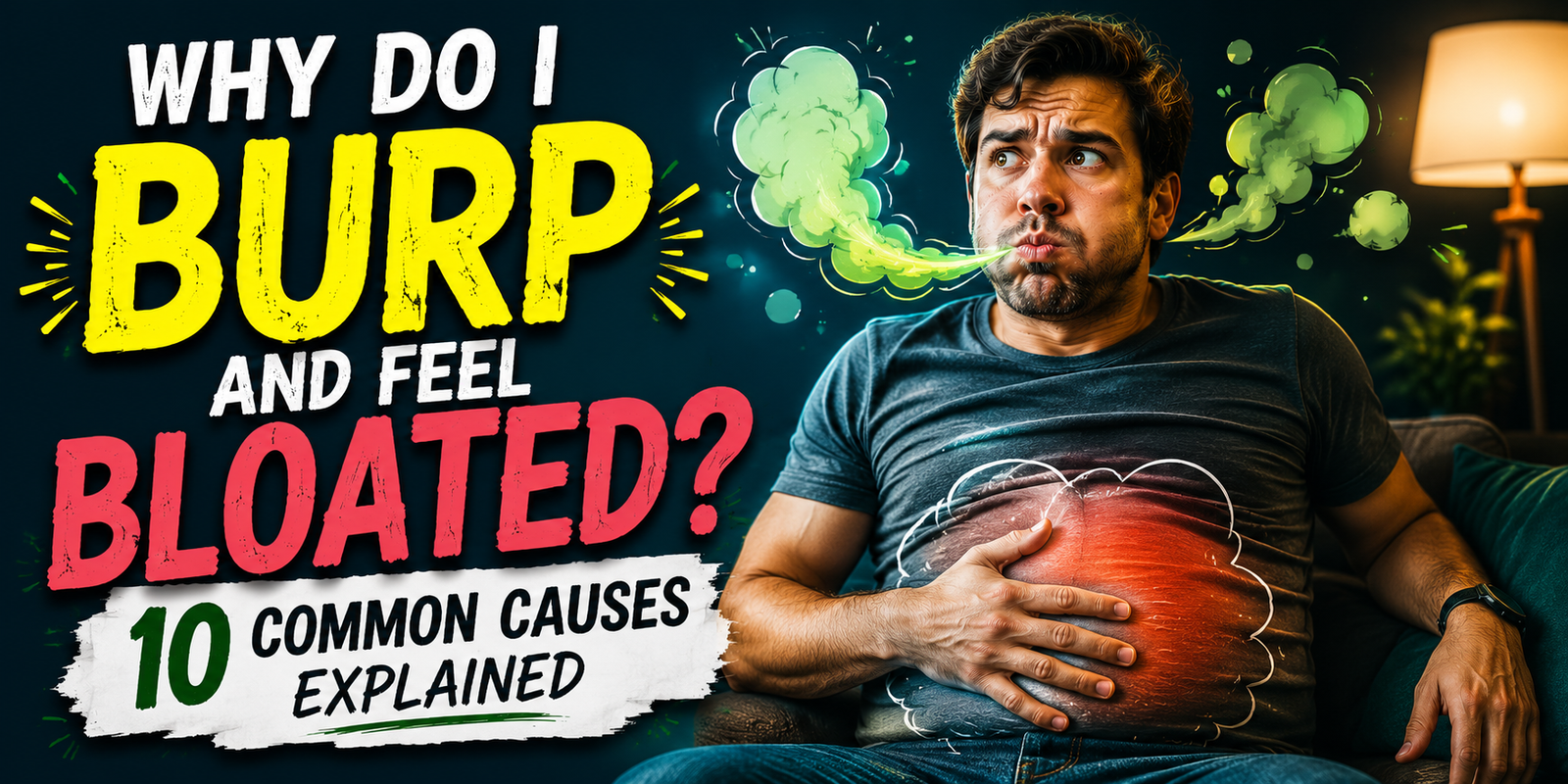
If those symptoms sound familiar, you may also want to read Why Do I Burp and Feel Bloated? Common Causes Explained because burping and bloating often share the same underlying causes.

Dairy Products
Not everyone has trouble digesting dairy.
But for people with lactose intolerance, milk, ice cream, and soft cheeses can produce quite a bit of gas.
That gas may lead to:
- Burping.
- Bloating.
- Cramping.
- Diarrhea.
One thing I learned was not to assume every dairy product affects me the same way.
Hard cheeses, for example, often contain much less lactose than milk.
Artificial Sweeteners
This one caught me completely off guard.
Sugar-free gum.
Diet drinks.
Protein bars.
Sugar-free candy.
Many of these products contain sugar alcohols that some people have difficulty digesting.
As those sweeteners reach the large intestine, bacteria ferment them and create extra gas.
I started checking ingredient labels and quickly realized some of my “healthy” snacks were actually making my digestive symptoms worse.

Large Meals Matter More Than Individual Foods
One of the biggest lessons I learned was that sometimes it wasn’t the food.
It was the amount.
Even healthy foods can leave you burping if you eat far more than your stomach comfortably handles.
A huge dinner stretches your stomach much more than a smaller meal.
That extra pressure makes burping much more likely.
Simply eating until I felt comfortably satisfied instead of completely full made a noticeable difference.
Sometimes It’s the Combination of Foods
Looking back, I realized many of my worst episodes happened after meals like these:
- Cheeseburger, fries, and soda.
- Pizza with garlic bread.
- Mexican food with beans and a soft drink.
- Fried chicken with mashed potatoes and gravy.
None of those foods automatically caused burping every single time.
But together, they combined several common triggers into one meal.
That’s why I encourage looking at the entire plate instead of blaming one ingredient.
What Helped Me Figure Out My Food Triggers
I eventually stopped guessing.
Instead, I kept a simple food journal.
Nothing fancy.
I just wrote down:
- What I ate.
- When I ate it.
- When the burping started.
- How long it lasted.
- Any other symptoms like bloating or stomach pain.
Within a couple of weeks, patterns started jumping out that I never would have noticed otherwise.
Could Digestive Enzymes or Probiotics Help?
If your burping is related to how your body digests certain foods, they may.
Digestive enzymes can help break down proteins, carbohydrates, and fats, while probiotics may support a healthier balance of gut bacteria over time.
I spent quite a bit of time researching both while trying to understand my own digestive symptoms.

If you’re interested in digestive enzymes, I compared several options in Best Digestive Enzymes for Bloating That Actually Work and also shared my findings in Zenwise Digestive Enzymes Review Does It Actually Work for Bloating?.
If you think your gut bacteria may be contributing, you may also find Best Probiotic for Bloating That Actually Works helpful.
When Food Probably Isn’t the Main Cause
While certain foods commonly trigger burping, persistent symptoms aren’t always caused by your diet.
If you’re burping frequently regardless of what you eat, another digestive condition may be responsible.
That could include acid reflux, gastritis, IBS, or another issue affecting how your digestive system works.
If you’ve noticed burping even on an empty stomach, Why Do I Burp on an Empty Stomach? Here’s What May Be Happening explains why food isn’t always the culprit.
Frequently Asked Questions
What foods cause the most burping?
Carbonated drinks, coffee, beans, broccoli, cabbage, onions, garlic, fried foods, dairy for people with lactose intolerance, and foods containing artificial sweeteners are some of the most common triggers.
Why do some foods make me burp but not other people?
Everyone’s digestive system is different. Gut bacteria, food intolerances, eating speed, portion size, and underlying digestive conditions all influence how your body responds to different foods.
Should I stop eating foods that make me burp?
Not necessarily. Many healthy foods naturally produce more gas. Before eliminating them completely, try eating smaller portions or changing how they’re prepared. If symptoms are severe or persistent, talk with your healthcare provider.
Does drinking soda really make burping worse?
Yes. Carbonated drinks contain dissolved carbon dioxide gas that has to leave your digestive system, usually through burping.
Can keeping a food diary actually help?
Absolutely. A simple food journal helped me identify patterns I never would have noticed otherwise. Tracking what you eat and when symptoms occur is often one of the easiest ways to pinpoint personal triggers.
Author: Natalie Mercer
Natalie Mercer is a digestive health writer who enjoys helping readers better understand everyday digestive symptoms through practical, evidence-informed advice. She focuses on making complex gastrointestinal topics easy to understand while encouraging readers to identify patterns, make realistic lifestyle changes, and seek professional medical care when symptoms become persistent or concerning.
As an Amazon Associate we earn from qualifying purchases through some links in our articles.