Burping by itself usually doesn’t worry me very much.
A little trapped air after eating is something almost everyone experiences.
But once stomach pain enters the picture, it’s a completely different story.
I remember having days where I’d finish eating, start burping repeatedly, and then notice a dull ache in my stomach that wouldn’t go away. My mind immediately jumped to ulcers, gallbladder problems, or something much worse.
After spending time learning more about digestive health, I realized that burping and stomach pain often happen together because they’re both symptoms of the same underlying digestive issue.
Sometimes it’s something as simple as trapped gas.
Other times it’s acid reflux, gastritis, IBS, or another condition that deserves medical attention. Because acid reflux is one possible cause, Living with Acid Reflux: Causes and Effective Solutions for relief explains common triggers and long-term management strategies.
The key isn’t focusing on the burping alone.
It’s understanding what your entire digestive system is trying to tell you.
Is Burping With Stomach Pain Normal?
Occasionally, yes.
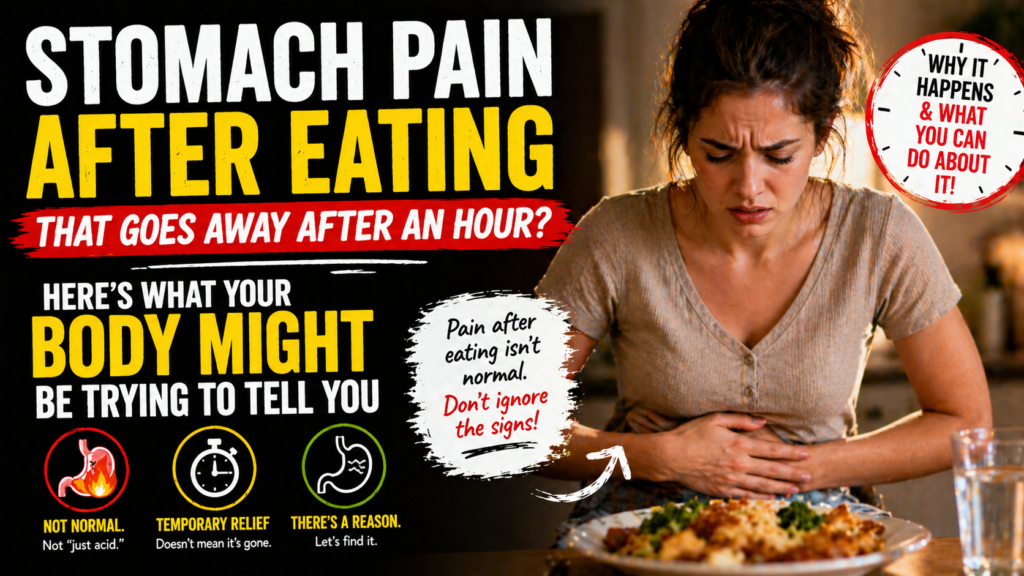
If you’ve eaten a large meal, swallowed extra air, or had foods that produce a lot of gas, you might notice both symptoms for a short time. When these symptoms repeatedly follow meals and then fade, Stomach Pain After Eating That Goes Away on Its Own — 6 Real Causes explains the pattern and possible digestive causes.
However, burping that happens repeatedly alongside ongoing stomach pain shouldn’t simply be ignored.
The location of the pain, when it starts, how long it lasts, and whether other symptoms are present all provide important clues.
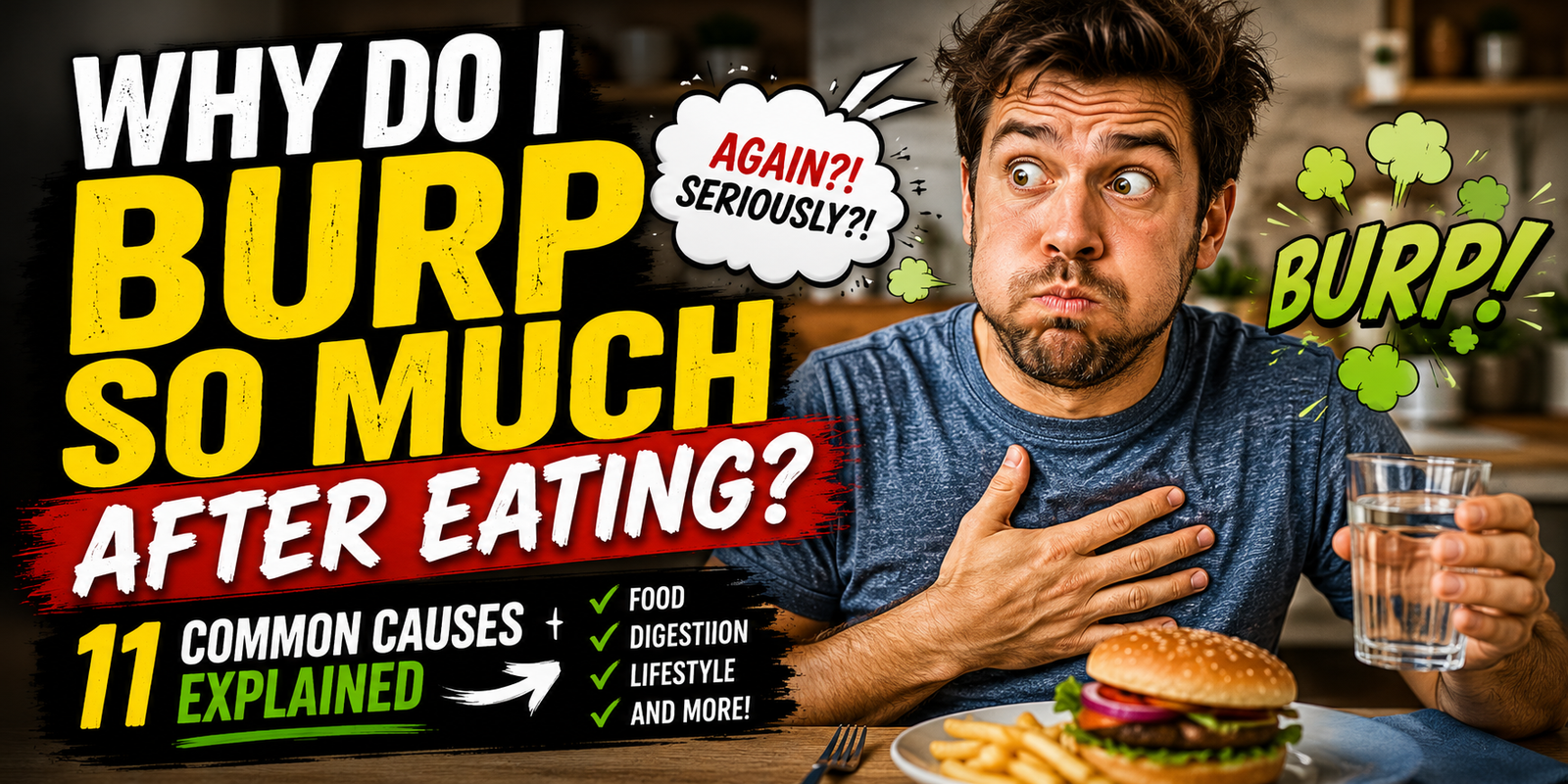
If your burping mostly happens after meals without much pain, you may want to start with Why Do I Burp So Much After Eating? 11 Common Causes Explained since many digestive conditions begin with burping before pain becomes noticeable.

Why Burping and Stomach Pain Often Occur Together
Burping and stomach pain usually have one thing in common.
Pressure.
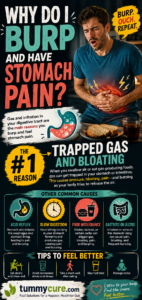
Whether that pressure comes from trapped air, stomach acid, inflammation, slowed digestion, or excess gas, it often creates both discomfort and repeated burping.
Your stomach is constantly moving food, digestive juices, and gas.
When something interferes with that process, symptoms often appear together instead of one at a time.

1. Trapped Gas
This is probably the most common explanation.
Gas naturally forms while your digestive system breaks down food.
Sometimes it moves through your intestines without any issues.
Other times it becomes trapped.
That trapped gas can stretch parts of your digestive tract enough to cause:
- Burping.
- Cramping.
- Pressure.
- Sharp stomach pain.
- Bloating.
The pain can sometimes be surprisingly intense, even though the underlying cause isn’t serious.
One thing I noticed was that walking around for a few minutes often helped move the gas along much faster than simply sitting still.
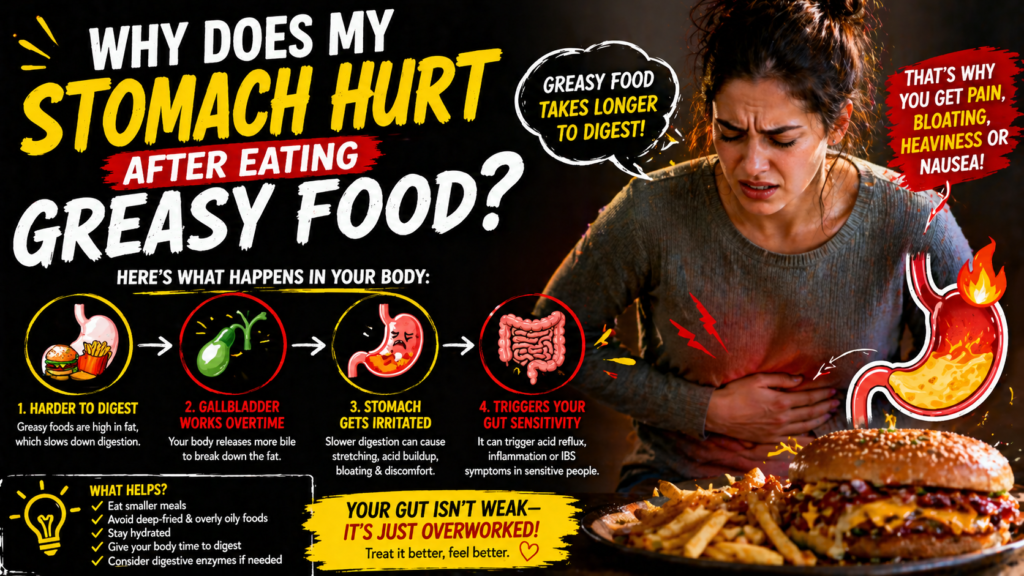
2. Acid Reflux
Most people associate reflux with heartburn.
I certainly did.
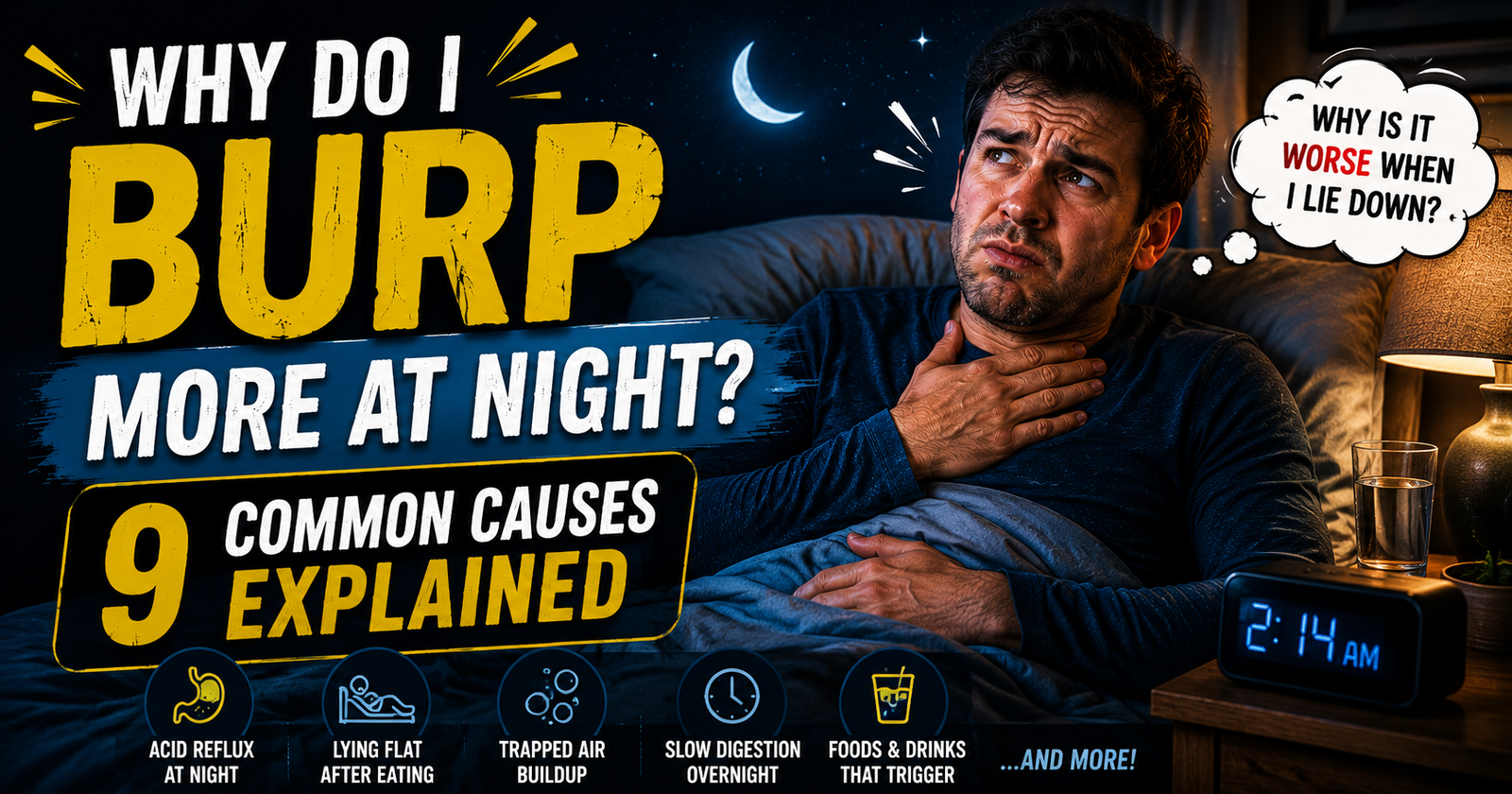
But reflux can also cause stomach discomfort, pressure, nausea, and repeated burping.
The stomach produces acid to digest food.
If that acid irritates the stomach or moves upward into the esophagus, both pain and burping can become much more noticeable.
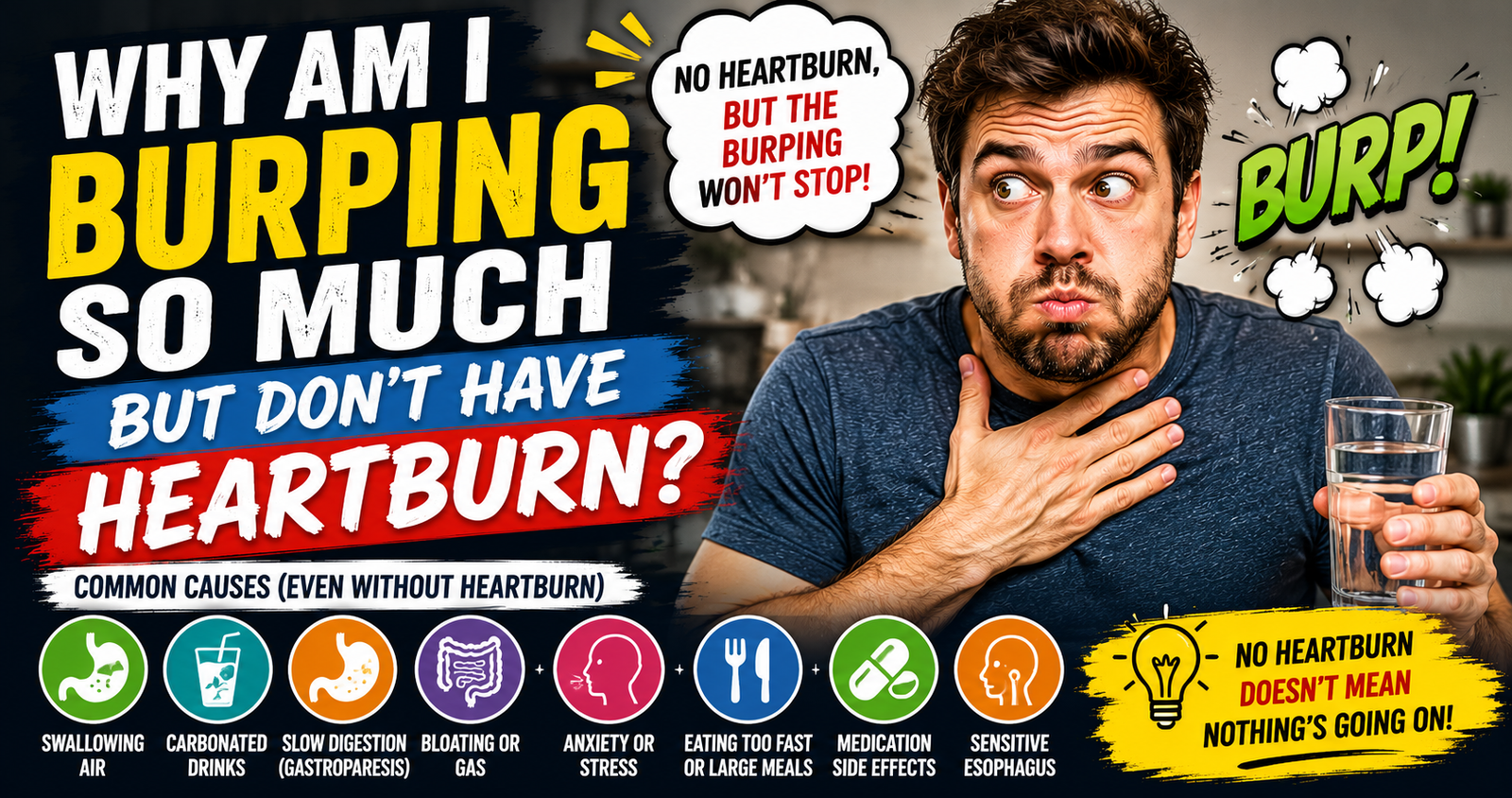
If you’ve been assuming it can’t be reflux because you don’t have burning in your chest, I’d recommend reading Why Am I Burping So Much but Don’t Have Heartburn?. I was surprised to learn how many people experience reflux without classic heartburn.


3. Gastritis
Gastritis simply means inflammation of the stomach lining.
That inflammation can make your stomach much more sensitive after eating.
Common symptoms include:
- Burping.
- Burning stomach pain.
- Nausea.
- Feeling overly full.
- Loss of appetite.
Some people notice the discomfort improves temporarily after eating, while others feel worse immediately afterward.
One thing I learned is that alcohol, certain pain relievers like NSAIDs, and prolonged stress can all increase the risk of gastritis in some people.
4. Indigestion
Sometimes your stomach just isn’t emptying food as efficiently as it should.
Food sits in the stomach longer.
Pressure builds.
Gas becomes trapped.
Eventually, you end up with both burping and stomach discomfort.
Along with burping, indigestion often causes:
- Feeling full very quickly.
- Bloating.
- Mild nausea.
- Upper abdominal pressure.
- A heavy feeling after meals.
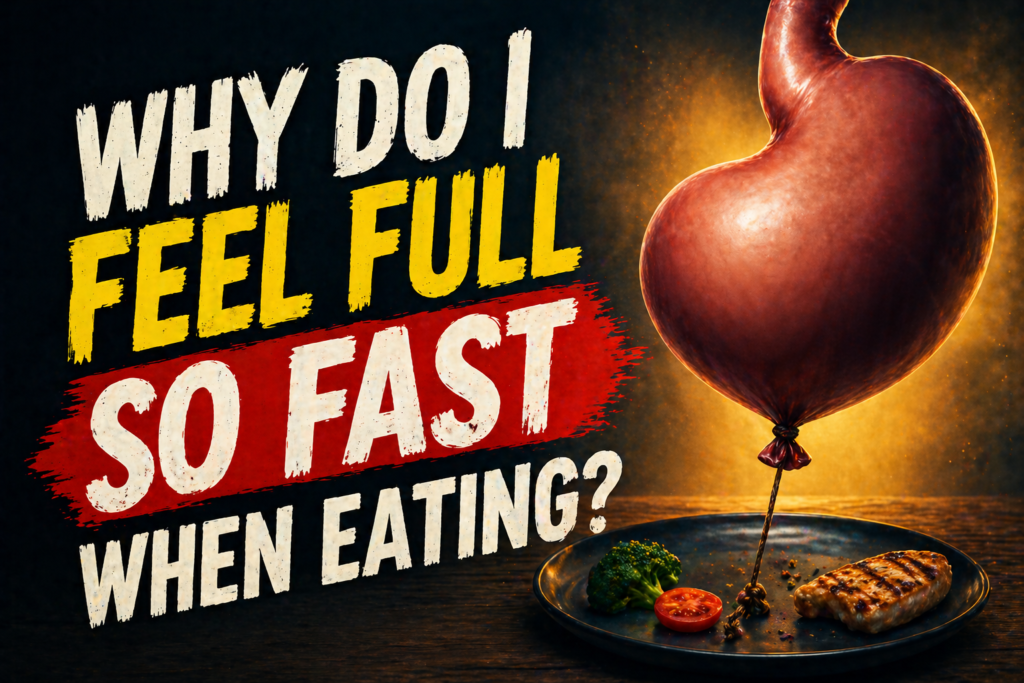
If that sounds familiar, my article Why Do I Feel Full So Fast When Eating? explains why early fullness and indigestion often happen together.
5. Irritable Bowel Syndrome (IBS)
IBS doesn’t just affect your intestines.
It can influence your entire digestive system.
Many people with IBS experience burping because food and gas move differently through the digestive tract. At the same time, the intestines may become more sensitive to normal amounts of gas and stretching, making stomach pain much more noticeable.
Besides burping and stomach pain, IBS may also cause:
- Bloating.
- Constipation.
- Diarrhea.
- Cramping that improves after a bowel movement.
- Feeling like you never completely empty your bowels.
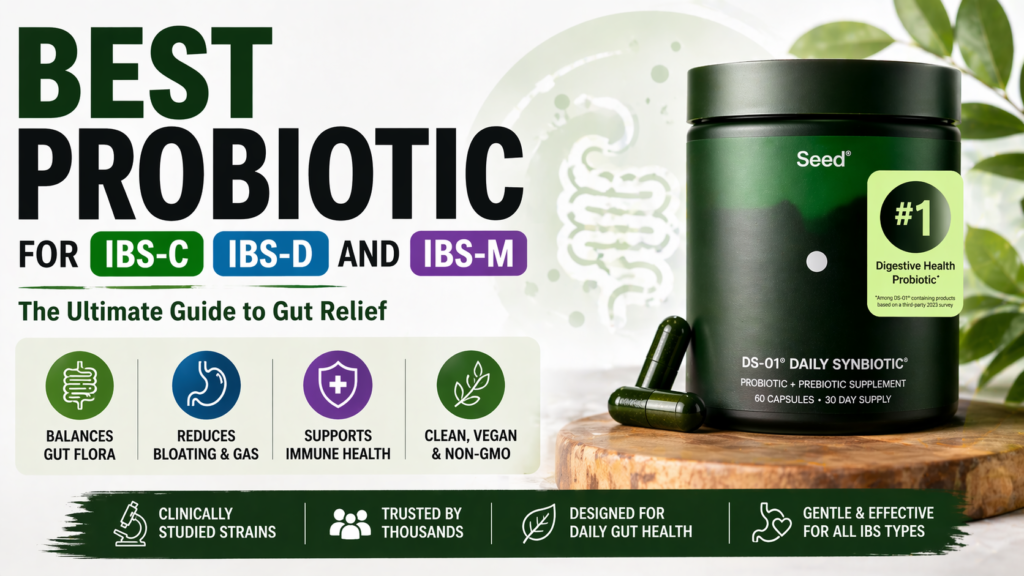
I was surprised by how often people with IBS described having several digestive symptoms at once instead of just one. If you’ve already been diagnosed with IBS, you may also find Best Probiotic for IBS-C, IBS-D and IBS-M helpful because I explain which probiotic strains have been studied for different IBS symptoms.
6. A Stomach Ulcer
An ulcer is an open sore that develops in the lining of the stomach or upper small intestine.
While ulcers don’t always cause burping, they can produce both stomach pain and frequent belching, especially if the ulcer is irritating the stomach lining.
Pain from an ulcer is often described as:
- Burning.
- Gnawing.
- Aching.
- Worse when your stomach is empty.
- Sometimes temporarily relieved by eating.
Ulcers can be caused by Helicobacter pylori infection or long-term use of anti-inflammatory medications such as ibuprofen or naproxen.
Because ulcers can become serious if left untreated, persistent stomach pain should always be evaluated by a healthcare provider.


7. Food Intolerances
One thing that helped me the most was realizing that not every digestive problem happens after every meal.
Some foods consistently caused more trouble than others.
Common triggers include:
- Dairy products.
- Wheat.
- Onions.
- Garlic.
- Highly processed foods.
- Artificial sweeteners.
- Very fatty meals.
If your stomach pain and burping only happen after certain foods, keeping a food journal can make patterns much easier to spot.
I found it much more helpful than trying to remember what I ate several days earlier.
8. Your Gut Bacteria May Be Out of Balance
Your gut bacteria play a huge role in digestion.
When everything is balanced, they help break food down efficiently.
When that balance changes, they may produce excess gas that contributes to both stomach pain and frequent burping.
This is especially common after:
- Taking antibiotics.
- Recovering from a stomach infection.
- Long periods of poor eating habits.
- Certain digestive disorders.
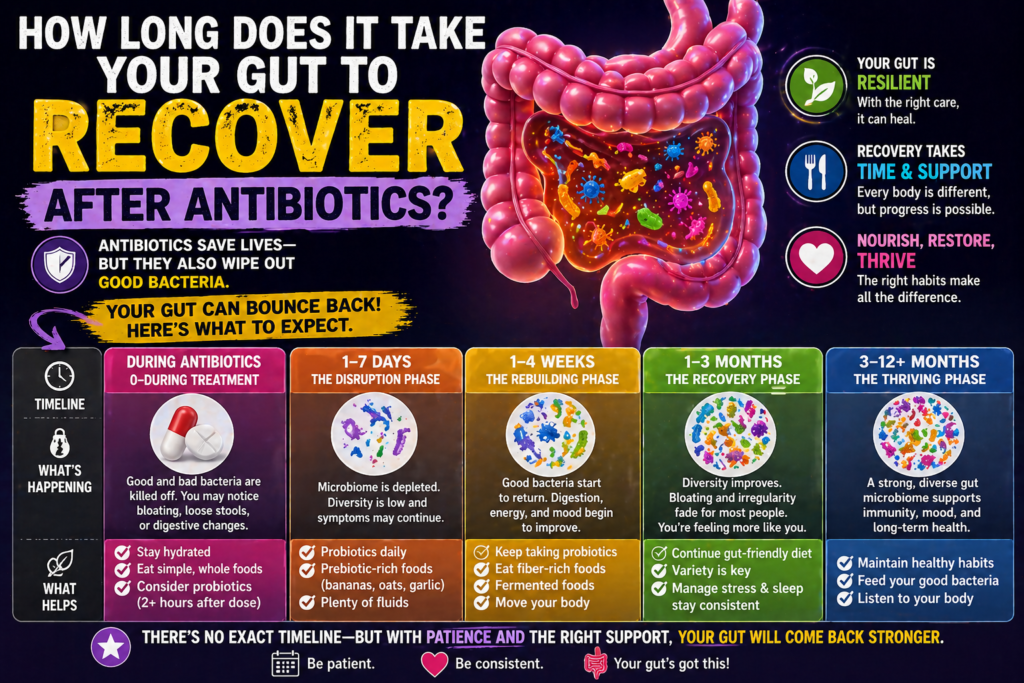
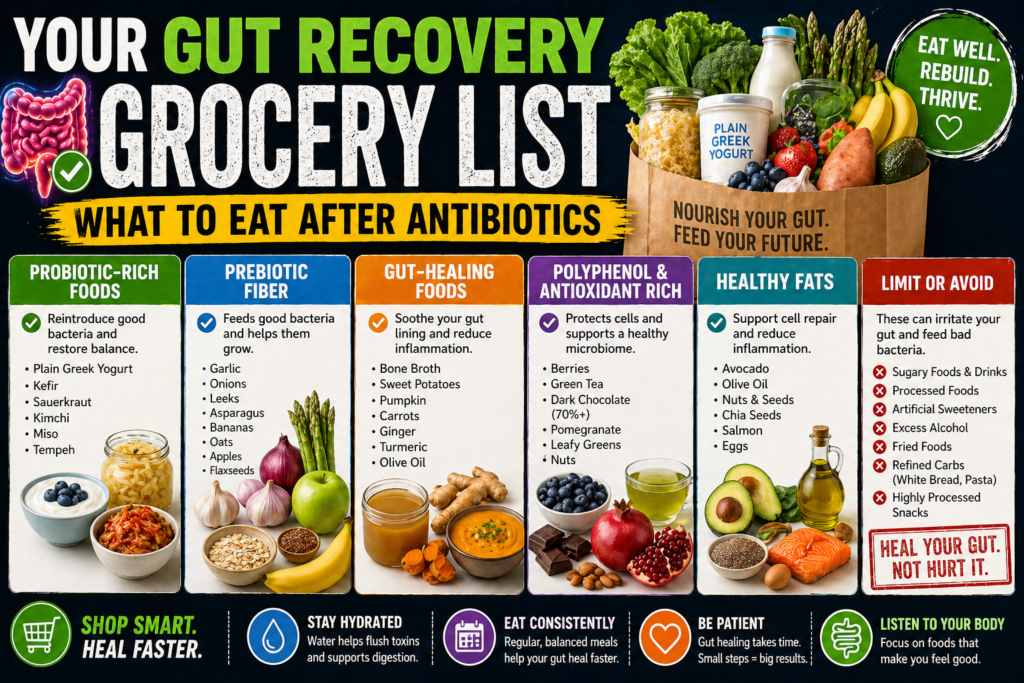
If your symptoms began after antibiotics, I’d recommend reading How Long Does It Take Your Gut to Recover After Antibiotics?. I had no idea gut recovery could take weeks or even months until I started researching it.


9. Several Digestive Problems Can Be Happening at the Same Time
This was probably the biggest lesson I learned.
I kept searching for one simple answer.
Instead, I realized my symptoms often came from several small issues happening together.
For example:
I might skip breakfast.
Drink coffee too quickly.
Eat a large lunch.
Rush back to work.
Feel stressed all afternoon.
By evening I’d have stomach pain, bloating, and nonstop burping.
None of those habits alone caused major problems.
Together, they overwhelmed my digestive system.
What Helped Me Reduce Both Burping and Stomach Pain
Once I stopped chasing one “magic cure,” things became much simpler.
The habits that consistently helped included:
- Eating smaller meals.
- Slowing down while eating.
- Limiting carbonated drinks.
- Avoiding lying down immediately after meals.
- Taking short walks after eating.
- Drinking water throughout the day.
- Paying attention to foods that repeatedly caused symptoms.
I also learned not to ignore persistent pain. Occasional discomfort after a huge meal is one thing. Pain that keeps returning week after week deserves medical attention.
Could Digestive Enzymes or Probiotics Help?
They might, depending on what’s causing your symptoms.
If poor digestion contributes to your stomach pain and burping, digestive enzymes may help your body break food down more efficiently.
If your symptoms are related to gut bacteria, probiotics may also be worth considering.

I researched both while trying to understand my own digestive symptoms. If you’re interested in digestive enzymes, check out Zenwise Digestive Enzymes and my comparison of the best digestive enzymes for bloating that actually work.

If gut bacteria seem to be part of the problem, you may also find Best Probiotic for Bloating That Actually Workshelpful.
When You Should Seek Medical Care
Burping and stomach pain are often caused by common digestive problems.
However, you shouldn’t try to treat them at home if you also experience:
- Vomiting blood.
- Black or tar-like stools.
- Severe or worsening abdominal pain.
- Persistent vomiting.
- Difficulty swallowing.
- Unexplained weight loss.
- A high fever.
- Pain that wakes you from sleep regularly.
These symptoms may point to a more serious digestive condition that requires prompt evaluation.
Frequently Asked Questions
Why do I burp and my stomach hurts after eating?
The most common causes include trapped gas, indigestion, acid reflux, gastritis, IBS, food intolerances, and occasionally stomach ulcers. Paying attention to which foods trigger your symptoms can help identify the underlying cause.
Can trapped gas cause stomach pain and burping?
Yes. Trapped gas is one of the most common reasons these symptoms occur together. As pressure builds in your digestive tract, it can cause cramping, bloating, and repeated burping.
Is stomach pain with burping always acid reflux?
No. While reflux is a common cause, indigestion, gastritis, IBS, food intolerances, ulcers, and excess gas can all produce similar symptoms.
Can stress cause both burping and stomach pain?
Absolutely. Stress can change how quickly your stomach empties, increase swallowed air, and make your digestive system more sensitive, leading to both symptoms.
When should I worry about burping and stomach pain?
If your symptoms are severe, persistent, accompanied by bleeding, unexplained weight loss, difficulty swallowing, repeated vomiting, or worsening abdominal pain, you should contact a healthcare provider promptly.
Author: Natalie Mercer
Natalie Mercer is a digestive health writer who enjoys translating complex digestive topics into practical, easy-to-understand guidance. Her work focuses on helping readers recognize common gastrointestinal symptoms, understand potential causes, and make informed decisions about when lifestyle changes may help and when professional medical care is appropriate.
As an Amazon Associate we earn from qualifying purchases through some links in our articles.