I’ll be honest, this symptom caught me completely off guard.
Burping is one thing.
But burping that smells like rotten eggs?
That immediately made me wonder if something was seriously wrong.
If you’ve experienced it, you know exactly what I’m talking about. The smell is hard to ignore, and it can be embarrassing if you’re around other people.
The first thing I wanted to know was whether it meant I had food poisoning, an ulcer, or some other serious digestive problem.
What I learned is that rotten egg burps are usually caused by sulfur-containing gas called hydrogen sulfide. That gas can be produced for several different reasons, ranging from something you ate to an underlying digestive condition.
Most of the time, sulfur burps aren’t dangerous.
However, they can sometimes be a sign that your digestive system needs a little more attention. If sulfur burps occur alongside abdominal discomfort, Why Do I Burp and Have Stomach Pain? 9 Common Causes covers several possible causes of that combined pattern.
Why Do Burps Smell Like Rotten Eggs?
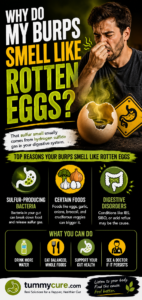
The rotten egg smell comes from a gas called hydrogen sulfide.
Normally, tiny amounts of this gas are produced while bacteria in your digestive tract break down certain foods.
Most of the time you never notice it.
But if larger amounts build up inside your digestive system, some of that gas can escape when you burp.
That’s what creates the familiar rotten egg odor.
The question isn’t really why the burps smell.
The question is why your body is producing more hydrogen sulfide than usual.


Is It Something to Worry About?
Usually not.
Many cases happen after eating certain foods or dealing with a temporary stomach bug.
The smell often goes away within a day or two once your digestive system settles down.
However, sulfur burps that continue for several days or happen repeatedly deserve a closer look, especially if they’re accompanied by severe stomach pain, vomiting, diarrhea, fever, or unexplained weight loss.
1. You Ate Foods That Are High in Sulfur
This ended up being the simplest explanation for me.
Certain foods naturally contain more sulfur than others.
As your digestive system breaks them down, your gut bacteria produce more hydrogen sulfide gas.
Some common examples include:
- Eggs.
- Beef.
- Chicken.
- Fish.
- Broccoli.
- Cauliflower.
- Brussels sprouts.
- Cabbage.
- Garlic.
- Onions.
That doesn’t mean you need to avoid these healthy foods forever.
It simply means they may temporarily increase sulfur gas if your digestive system is already sensitive.
2. Your Digestion Is Slower Than Normal
One thing I learned is that food sitting in your stomach or intestines longer than usual gives bacteria more time to ferment it.
More fermentation often means more gas.
More sulfur gas can mean rotten egg burps.
I noticed this happened most often after eating very large meals or foods that were especially heavy and greasy.
Along with sulfur burps, you may also notice:
- Feeling overly full.
- Bloating.
- Mild nausea.
- Upper stomach discomfort.

If you’ve also been feeling full much sooner than usual, Why Do I Feel Full So Fast When Eating? explains several digestive conditions that can slow stomach emptying and contribute to these symptoms.

3. A Stomach Virus or Food Poisoning
Sometimes sulfur burps are one of the first signs that your digestive system is dealing with an infection.
Food poisoning and viral stomach illnesses can temporarily disrupt the normal balance of bacteria inside your digestive tract.
That disruption often leads to increased gas production.
Other symptoms commonly include:
- Diarrhea.
- Vomiting.
- Stomach cramps.
- Fever.
- Nausea.
If the sulfur burps started shortly after eating questionable food or are accompanied by severe diarrhea or dehydration, it’s important to seek medical advice.
4. Your Gut Bacteria May Be Out of Balance
This was one of the more interesting things I discovered.
Not all digestive gas comes from the food itself.
A lot depends on the bacteria living inside your intestines.
If those bacteria become unbalanced, they may produce larger amounts of sulfur-containing gases while digesting food.
This can happen after:
- Taking antibiotics.
- Recovering from a stomach infection.
- Major dietary changes.
- Certain digestive disorders.
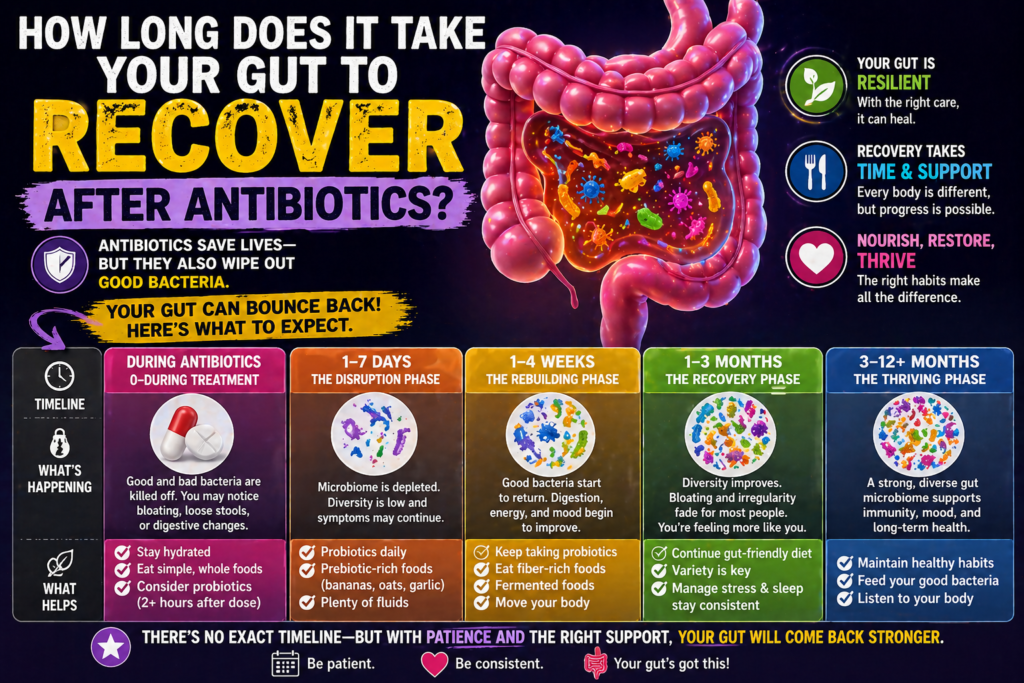
If your symptoms began after antibiotics, I’d recommend reading How Long Does It Take Your Gut to Recover After Antibiotics? because restoring your gut microbiome often takes much longer than people expect.

5. Acid Reflux Can Sometimes Play a Role
Most people think acid reflux only causes heartburn.
I did too.
What surprised me was learning that reflux can sometimes contribute to foul-smelling burps, especially if food stays in the stomach longer than it should.
When stomach contents linger, bacteria have more time to break food down and produce gas.
That doesn’t mean reflux directly creates the rotten egg smell, but it can make the conditions more favorable for it.
Some people with reflux also notice:
- Frequent burping.
- A sour or bitter taste.
- Throat clearing.
- Feeling like food comes back up.
- Chest discomfort after meals.
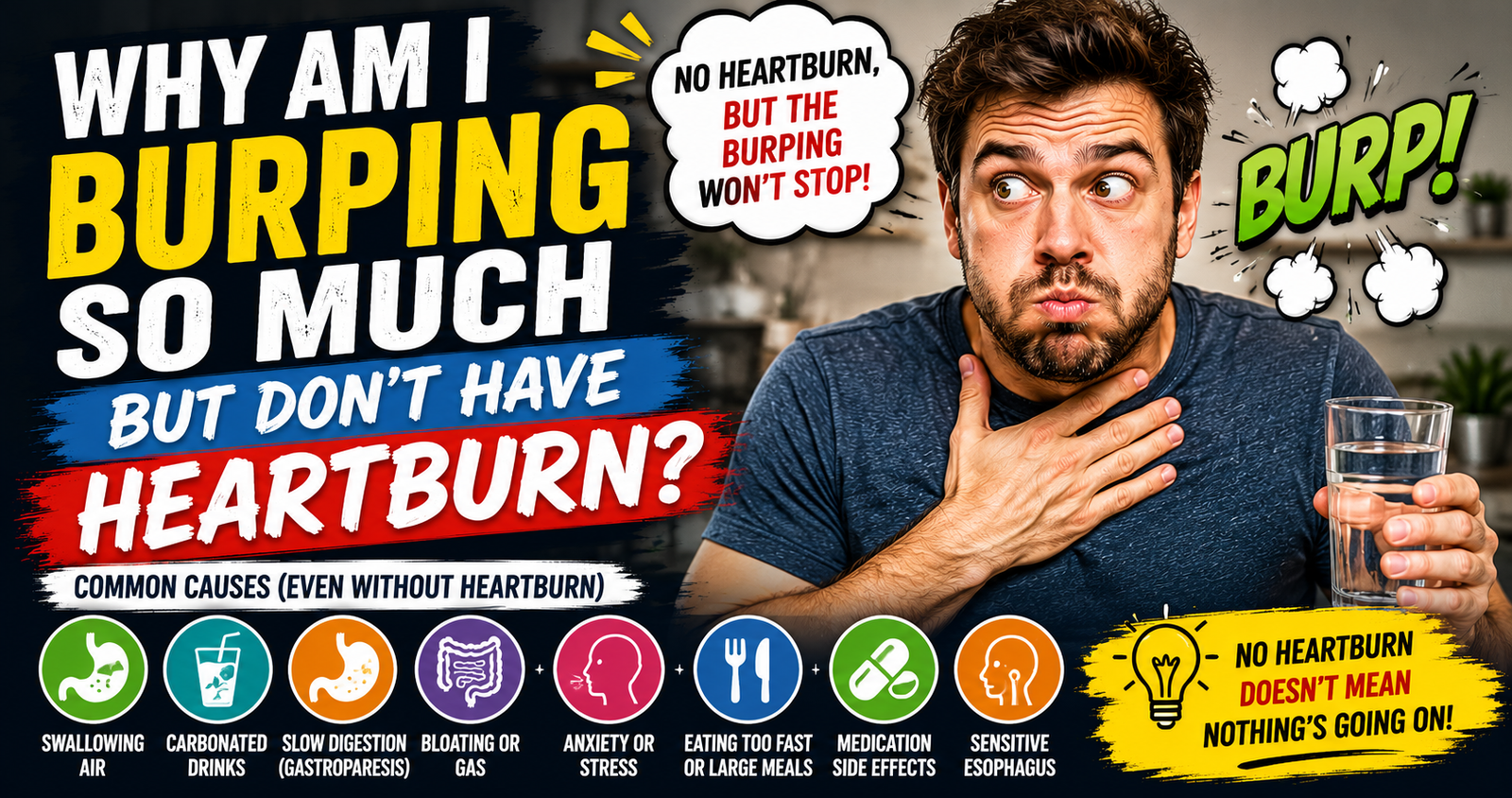
If your burping happens often even without heartburn, you may want to read Why Am I Burping So Much but Don’t Have Heartburn? because reflux doesn’t always cause the classic burning sensation.
6. Certain Medications Can Affect Digestion
This isn’t something many people think about.
Some medications slow digestion or change the balance of bacteria in your digestive tract.
Others may cause diarrhea, constipation, or increased gas production.
Examples include:
- Certain antibiotics.
- Diabetes medications.
- Iron supplements.
- Some pain medications.
- Medications that slow stomach emptying.
If your sulfur burps started shortly after beginning a new medication, it’s worth mentioning that to your healthcare provider before stopping the medication on your own.


7. IBS or Other Digestive Disorders
People with irritable bowel syndrome often deal with much more than changes in bowel movements.
Gas production, bloating, and burping are all common complaints.
If food ferments longer than usual in the digestive tract, sulfur-containing gases may become more noticeable.
Besides rotten egg burps, you might also experience:
- Bloating.
- Cramping.
- Constipation.
- Diarrhea.
- Stomach discomfort after meals.
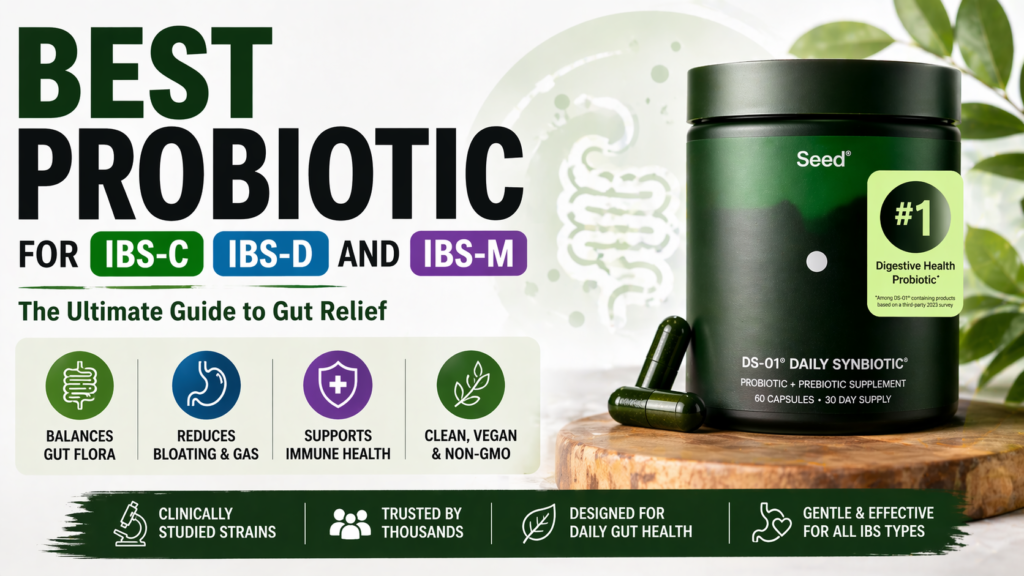
If IBS has already been part of your digestive journey, my guide to Best Probiotic for IBS-C, IBS-D and IBS-Mexplains which probiotic strains have shown the most promise for different IBS symptoms.
8. It May Be More Than One Thing
This ended up being the biggest lesson for me.
I kept looking for one simple explanation.
Instead, I realized several small factors were often happening together.
For example:
I might eat a large meal.
Choose foods high in sulfur.
Drink a carbonated beverage.
Feel stressed.
Then go to bed shortly afterward.
None of those habits guaranteed sulfur burps.
But together, they created the perfect environment for them.
Sometimes it’s the combination of habits, not just one specific food or condition.


What Helped Me Get Rid of Rotten Egg Burps
Once I started paying attention, a few simple habits seemed to make the biggest difference.
These included:
- Eating smaller meals.
- Slowing down while eating.
- Drinking plenty of water throughout the day.
- Avoiding very greasy meals for a few days when symptoms flared.
- Limiting carbonated drinks.
- Keeping a food journal to identify repeat triggers.
I also found it helpful not to panic.
Most episodes improved on their own within a day or two.
Could Probiotics or Digestive Enzymes Help?
If your sulfur burps are related to poor digestion or an imbalance in your gut bacteria, they may.
Digestive enzymes can help some people break food down more efficiently, while probiotics may support a healthier balance of beneficial bacteria over time.
I spent a lot of time researching both while trying to better understand digestive symptoms.
If you’re interested in digestive enzymes, I compared several options in Best Digestive Enzymes for Bloating That Actually Work and also shared my experience researching Zenwise Digestive Enzymes.
If gut bacteria seem to be part of the problem, you may also find Best Probiotic for Bloating That Actually Works helpful.
When Rotten Egg Burps Need Medical Attention
Most sulfur burps are temporary and improve without any specific treatment.
However, you should contact your healthcare provider promptly if they’re accompanied by:
- Severe abdominal pain.
- Persistent vomiting.
- Bloody diarrhea.
- Black or tar-like stools.
- A high fever.
- Signs of dehydration.
- Unexplained weight loss.
- Symptoms that last several days or continue returning.
Those symptoms could point to an infection or another digestive condition that requires medical evaluation.
Frequently Asked Questions
Why do my burps suddenly smell like rotten eggs?
The most common reason is increased hydrogen sulfide gas in your digestive tract. This may happen after eating sulfur-rich foods, during a stomach infection, or because food is fermenting longer than usual.
Are rotten egg burps a sign of food poisoning?
They can be, especially if they’re accompanied by vomiting, diarrhea, fever, or stomach cramps. However, sulfur burps can also occur for many other reasons, including certain foods and digestive conditions.
How long do sulfur burps usually last?
Many episodes improve within one or two days, particularly if they’re related to something you ate or a mild stomach illness. If they continue or repeatedly return, it’s a good idea to speak with your healthcare provider.
Can probiotics help sulfur burps?
They may help if an imbalance in your gut bacteria is contributing to excess gas production. Results vary depending on the underlying cause.
Should I stop eating eggs if my burps smell like rotten eggs?
Not necessarily. Eggs are only one of many sulfur-containing foods. Before removing them completely, look for patterns in your diet and discuss persistent symptoms with your healthcare provider if needed.
Author: Natalie Mercer
Natalie Mercer is a digestive health writer who enjoys helping readers understand everyday digestive symptoms through practical, evidence-based information. She focuses on turning complex gastrointestinal topics into clear, relatable guidance while encouraging readers to recognize common patterns, make informed lifestyle changes, and seek medical care when symptoms become persistent or concerning.
As an Amazon Associate we earn from qualifying purchases through some links in our articles.