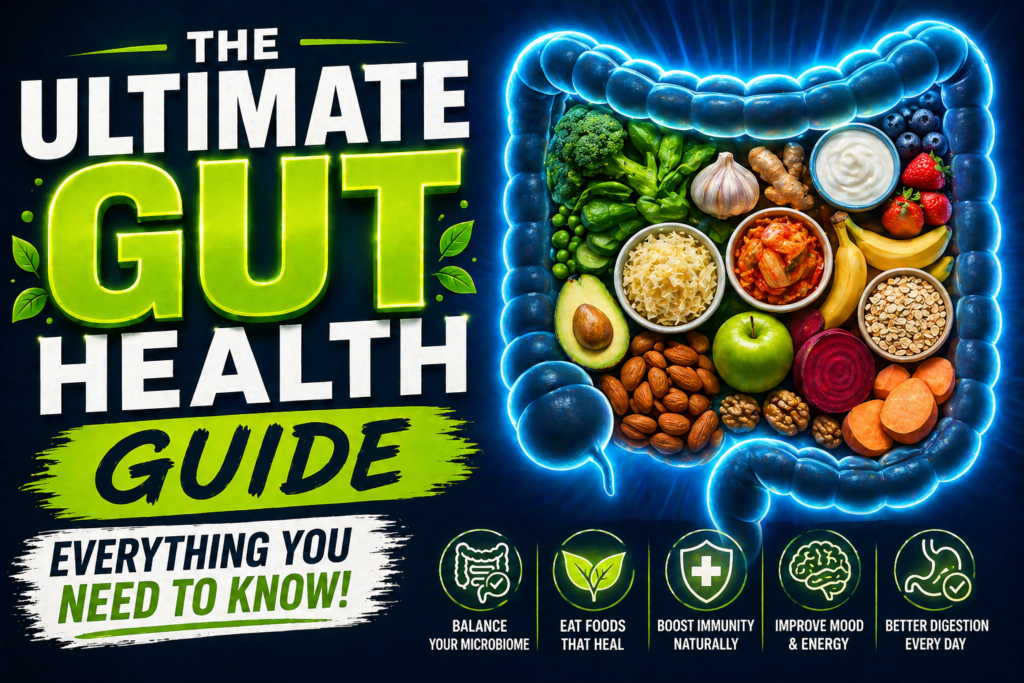

After reading article after article about burping, one recommendation kept showing up over and over again.
“Try digestive enzymes.”
At first, I assumed they were just another supplement making big promises.
The more I researched them, though, the more I realized the answer isn’t simply yes or no.
Digestive enzymes can absolutely help some people with frequent burping.
For others, they probably won’t make much difference at all.
It all comes down to why you’re burping in the first place.
If your burping is caused by swallowing too much air, digestive enzymes aren’t likely to solve the problem. But if it’s related to how your body digests certain foods, they may reduce some of the gas and pressure that leads to burping. Current research suggests digestive enzyme supplements may help some people with digestive symptoms related to specific enzyme deficiencies or difficult-to-digest foods, but they are not a universal treatment for all causes of burping. For readers whose food-related symptoms also include bloating, digestive enzymes for bloating explains what to look for and how to use them.

What Are Digestive Enzymes?
Digestive enzymes are proteins your body naturally produces to help break food into smaller pieces your body can absorb.
Different enzymes have different jobs.
Some break down:
- Carbohydrates.
- Proteins.
- Fats.
- Lactose in dairy products.
Your pancreas, stomach, and small intestine all produce digestive enzymes as part of normal digestion.
Most healthy people already make enough.
However, certain medical conditions or digestive problems can affect enzyme production or how well digestion works.
When Digestive Enzymes May Help With Burping
The biggest thing I learned is that digestive enzymes don’t treat burping directly.
Instead, they may help improve digestion.
If food is broken down more efficiently, there may be less fermentation in the intestines and less gas production afterward.
That means they may be helpful if your burping happens:
- After large meals.
- After foods that are difficult for you to digest.
- Along with bloating.
- Along with feeling overly full.
- With certain food intolerances.
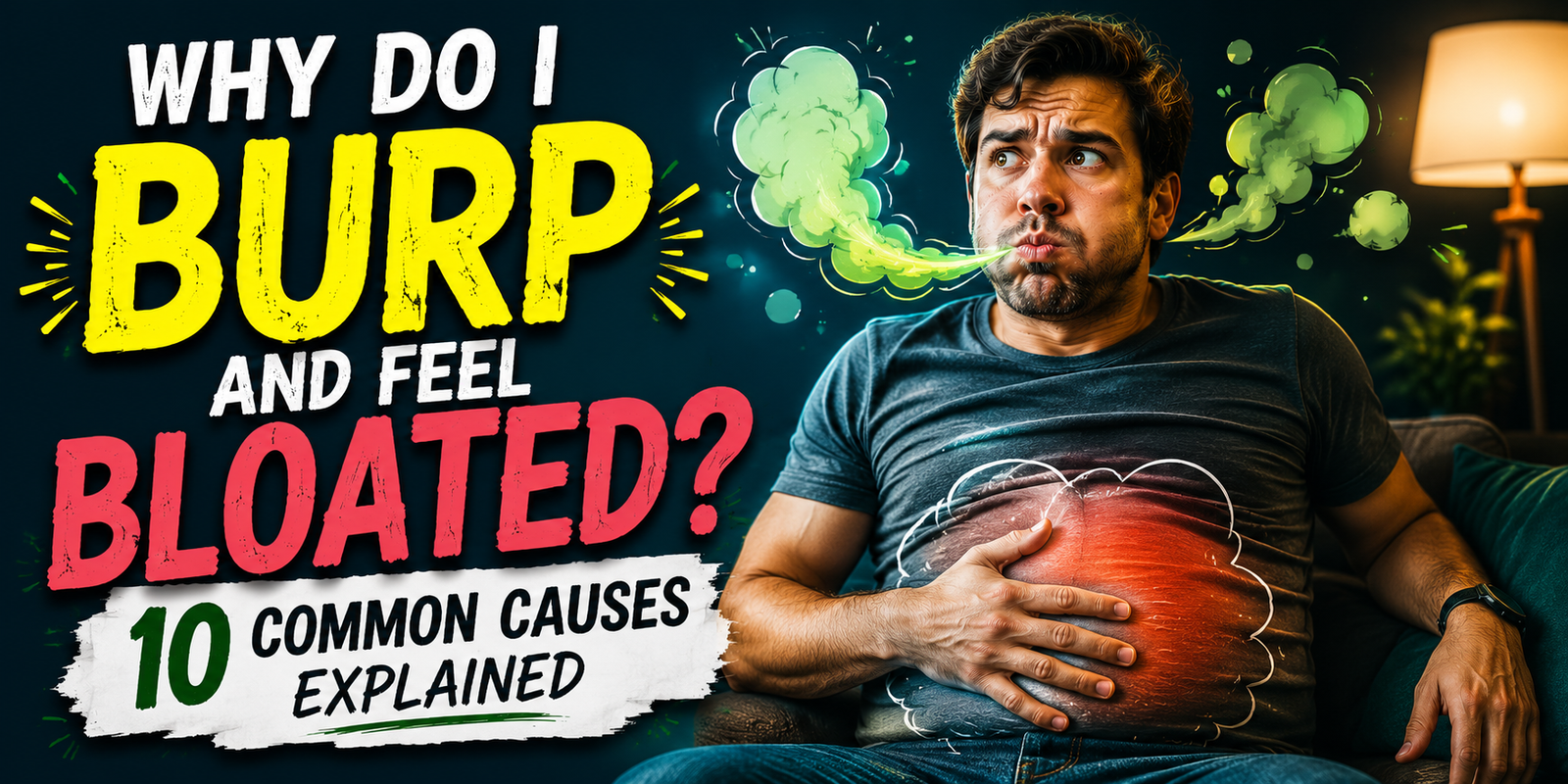
If your burping usually comes with bloating, you may also enjoy Why Do I Burp and Feel Bloated? Common Causes Explained because the two symptoms often share the same underlying digestive causes.
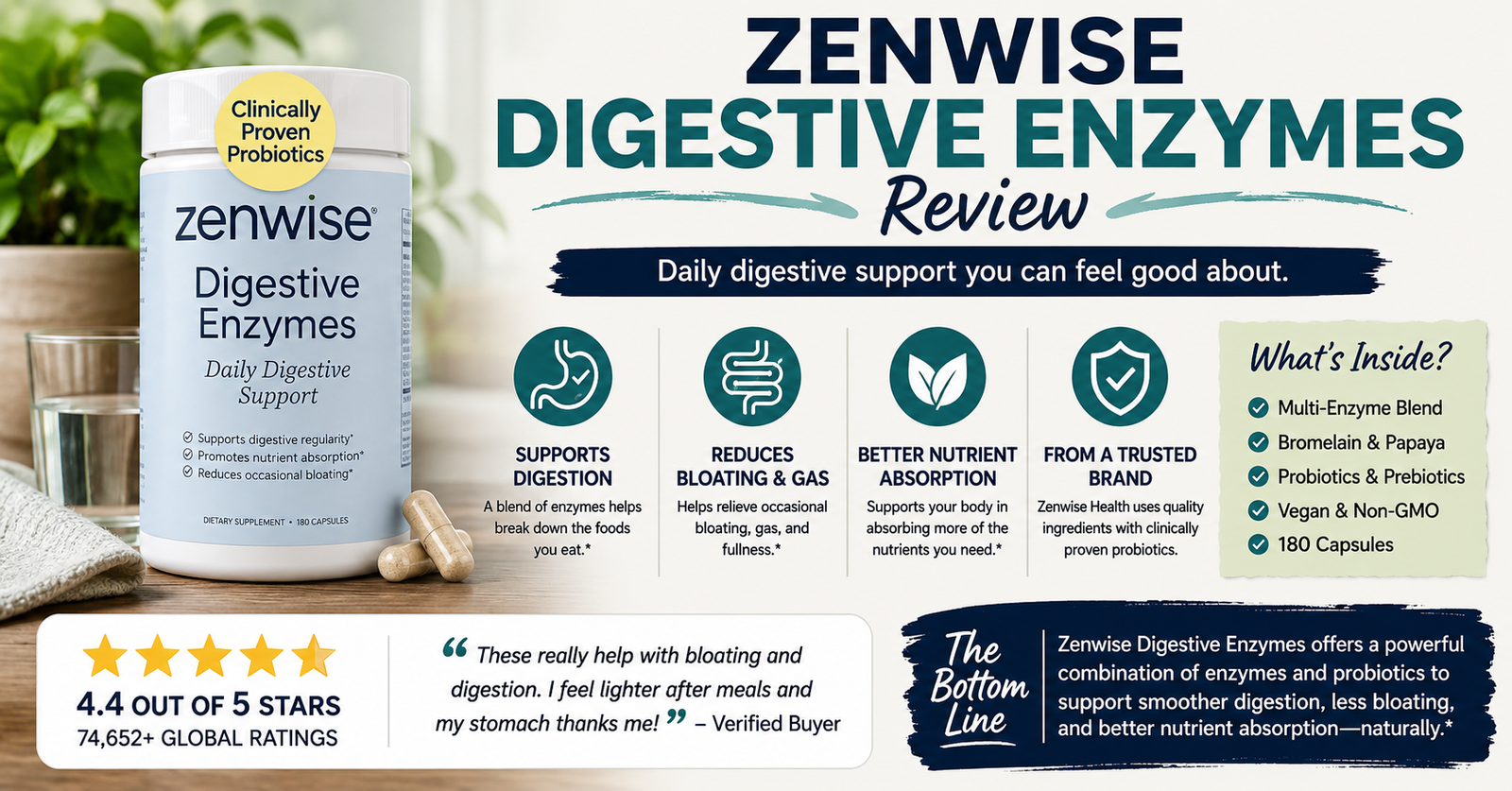
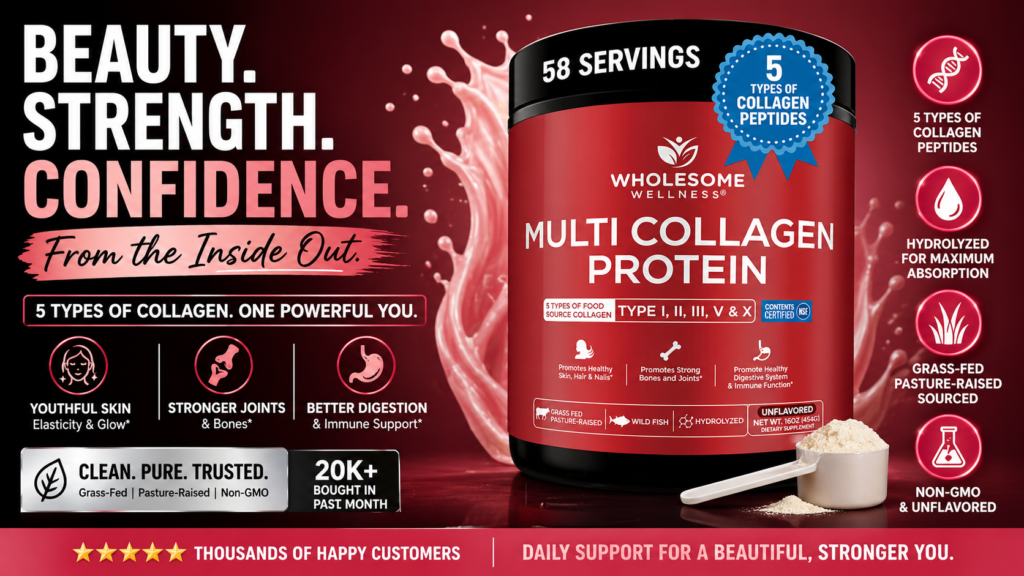
One supplement I spent the most time researching was Zenwise Digestive Enzymes because it’s one of the most popular digestive enzyme formulas available. I put together a full review covering the ingredients, how it compares with other options, and whether I think it’s worth buying.



When Digestive Enzymes Probably Won’t Help
This was just as important to understand.
Digestive enzymes aren’t designed to fix every type of burping.
For example, they’re unlikely to help if your burping is mainly caused by:
- Swallowing excess air while eating.
- Drinking carbonated beverages.
- Anxiety-related air swallowing.
- Smoking.
- Chewing gum.
In those situations, changing habits is usually much more effective than taking a supplement.
I noticed my own burping improved significantly just by slowing down while eating and avoiding soda with meals.
They May Be More Helpful for Certain Foods
Some people notice their burping is much worse after specific foods.
Examples include:
- Heavy, fatty meals.
- Large portions of protein.
- Dairy products if they’re lactose intolerant.
- Beans and other hard-to-digest foods.
If that’s the case, digestive enzymes may be more helpful than if you’re burping all day regardless of what you eat.

My article What Foods Make You Burp More? covers many of the foods that commonly trigger excess burping and may help you identify patterns before deciding whether a supplement is worth trying.

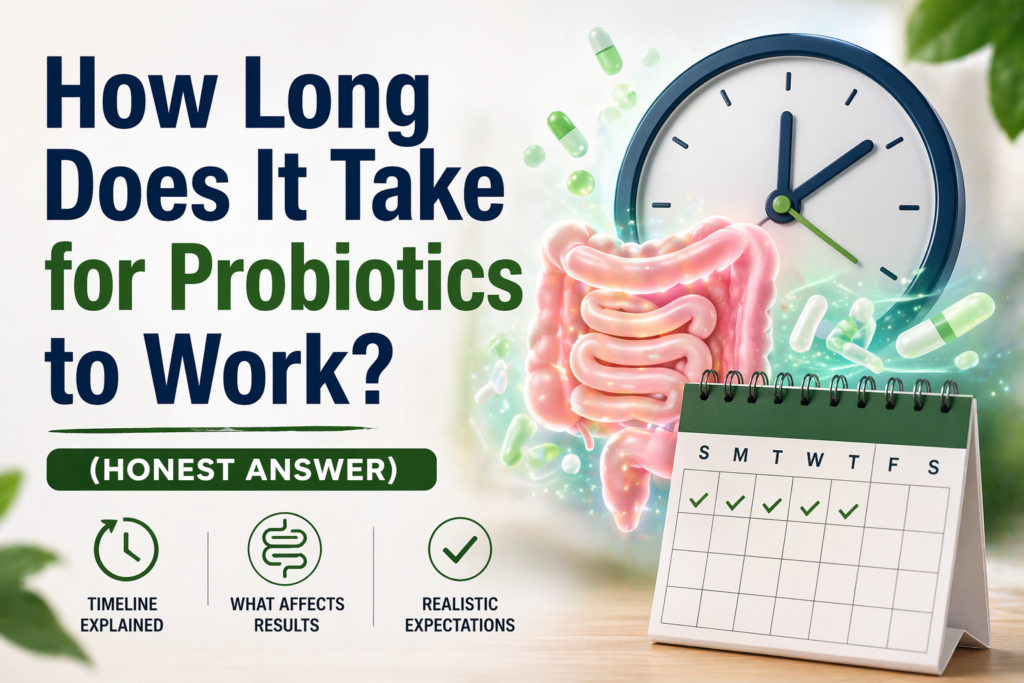

Could Your Burping Be Related to Gut Bacteria Instead?
One thing I didn’t expect while researching digestive enzymes was how often probiotics came up in the same conversations.
That makes sense because they work very differently.
Digestive enzymes help break food down.
Probiotics help support the balance of bacteria that break down what’s left.
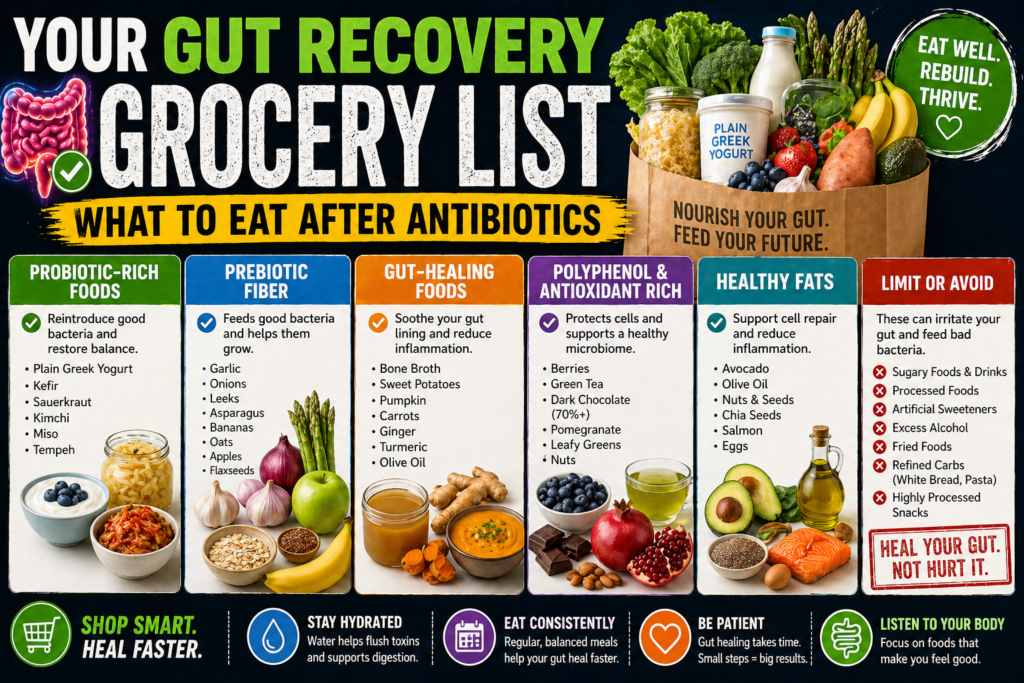
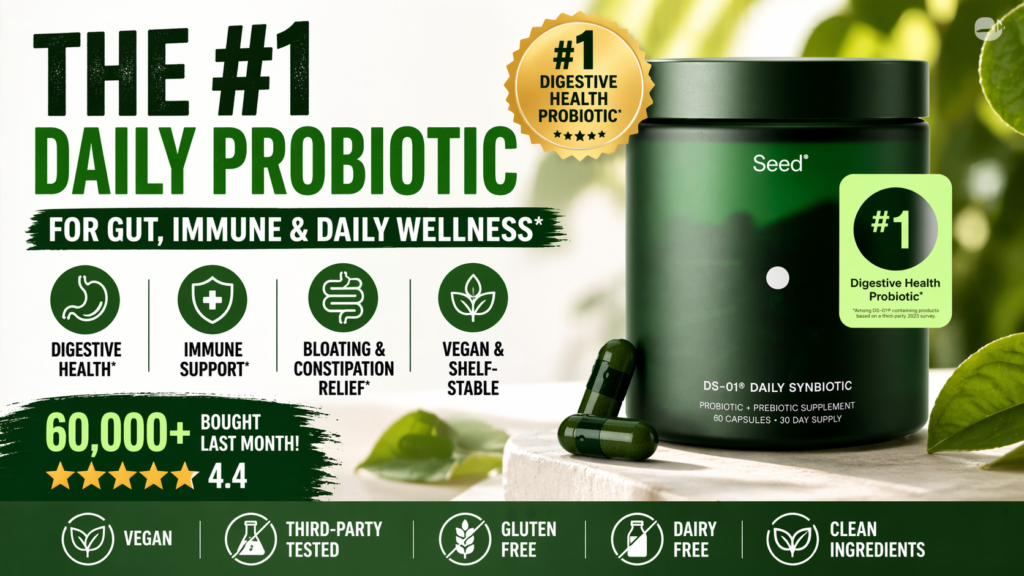
If your burping started after taking antibiotics or you regularly deal with bloating, excess gas, or changes in bowel habits, your gut bacteria may deserve just as much attention as your digestive enzymes. A food-focused plan for post-antibiotic gut recovery can help put that broader gut-health concern into practice.
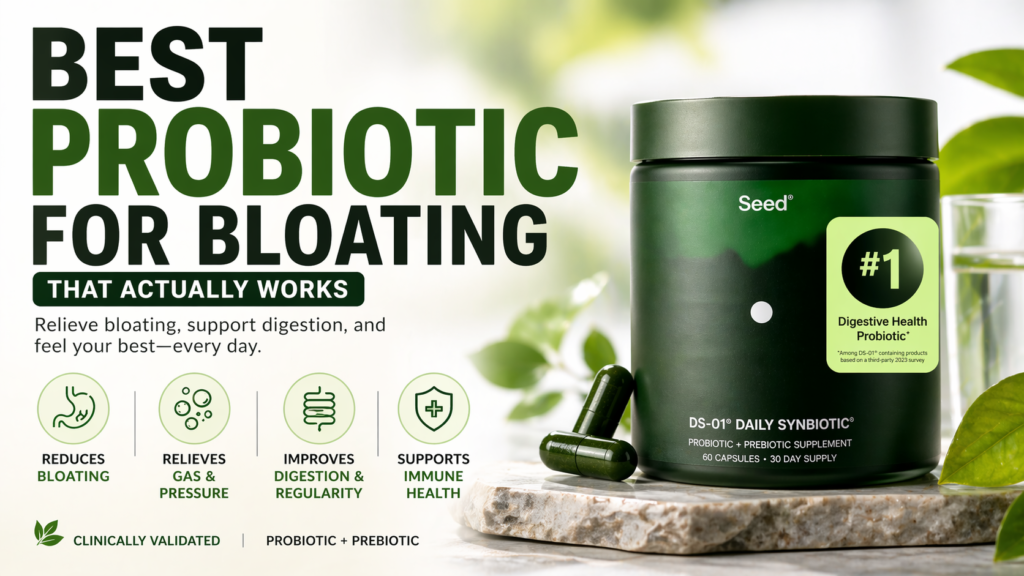
I explain that in more detail in Do Probiotics Help With Burping? because the right supplement depends on what’s actually causing your symptoms.
My Experience Researching Digestive Enzymes
The biggest thing I took away from all my research was that digestive enzymes aren’t miracle pills.
They’re tools.
If they’re matched to the right problem, they may help.
If they’re used for the wrong reason, they’re probably just an added expense.
That changed the way I looked at supplements.
Instead of asking, “Do digestive enzymes work?”
I started asking, “Would digestive enzymes help my situation?”
That’s a much better question.
What I Look for in a Digestive Enzyme
After comparing dozens of products, there were a few things I consistently looked for.
I wanted an enzyme blend that included support for digesting:
- Proteins.
- Fats.
- Carbohydrates.
- Fiber.
- Dairy, if lactose was included.
I also preferred products from companies that clearly listed the enzymes they used instead of relying mostly on marketing claims.

That’s one reason I spent time reviewing Zenwise Digestive Enzymes. It gave me a good opportunity to compare ingredient labels and understand what actually separates one formula from another.
When I Wouldn’t Expect Digestive Enzymes to Help
There are plenty of situations where I wouldn’t expect much improvement.
For example, digestive enzymes are unlikely to solve burping that’s mainly caused by:
- Acid reflux by itself.
- Drinking soda.
- Eating too quickly.
- Swallowing excess air.
- Anxiety-related burping.
- A hiatal hernia.
In those situations, addressing the underlying cause is much more likely to help than adding another supplement.
That’s one reason I always encourage people to identify why they’re burping before spending money on products.



Simple Changes I’d Try Before Buying Supplements
Before I purchased anything, I found it helpful to try a few easy lifestyle changes first.
The ones that made the biggest difference for me included:
- Slowing down during meals.
- Eating smaller portions.
- Drinking fewer carbonated beverages.
- Avoiding lying down right after dinner.
- Keeping a food journal.
- Taking a short walk after larger meals.
Some people may find these habits reduce burping enough that supplements aren’t even necessary.
When You Should Talk With Your Healthcare Provider
If your burping is becoming more frequent, isn’t improving with lifestyle changes, or is accompanied by other concerning symptoms, it’s important not to rely solely on supplements.
You should seek medical evaluation if you experience:
- Difficulty swallowing.
- Persistent vomiting.
- Vomiting blood.
- Black or tar-like stools.
- Severe stomach pain.
- Unexplained weight loss.
- Ongoing diarrhea.
- Burping that suddenly becomes much worse without an obvious explanation.
These symptoms may indicate an underlying digestive condition that needs proper diagnosis and treatment.

Frequently Asked Questions
Can digestive enzymes stop burping completely?
Not usually. They may help if your burping is related to poor digestion or certain foods, but they won’t fix every cause of burping.
How long do digestive enzymes take to work?
If they’re going to help, some people notice a difference during the meals they’re taken with. Others may need several days or weeks to decide whether they’re making a meaningful improvement.
Should I take digestive enzymes every day?
That depends on why you’re using them. Some people only take them with larger meals or foods they know trigger symptoms, while others use them more regularly based on their healthcare provider’s advice.
Are digestive enzymes better than probiotics?
They’re designed for different jobs. Digestive enzymes help break food down, while probiotics support the balance of bacteria in your digestive system. Depending on the cause of your burping, one may be more helpful than the other.
Can digestive enzymes help with burping and bloating?
They may. If your symptoms are related to difficulty digesting certain foods, digestive enzymes may reduce some of the gas and pressure that contribute to both burping and bloating. If the cause is something else, such as reflux or swallowed air, they may have little effect.
Author: Natalie Mercer
Natalie Mercer is a digestive health writer who enjoys making digestive health topics easier to understand through practical, research-informed guidance. Her work focuses on helping readers recognize common digestive patterns, evaluate evidence behind popular supplements, and make informed decisions alongside their healthcare providers.
As an Amazon Associate we earn from qualifying purchases through some links in our articles.