
Kombucha Is Everywhere — But Does It Actually Do What Everyone Claims?
Walk into any grocery store and kombucha has its own refrigerated section. Health food blogs treat it like a miracle. Social media makes it look like the single most important thing you can drink for your gut. And somewhere between the colorful bottles and the wellness influencers, the actual evidence for what kombucha does — and doesn’t do — for your gut health has gotten completely lost.
Here’s the honest answer: kombucha has real benefits. It also has real limitations. And understanding both helps you use it intelligently rather than either dismissing it entirely or expecting it to do things it isn’t capable of doing.
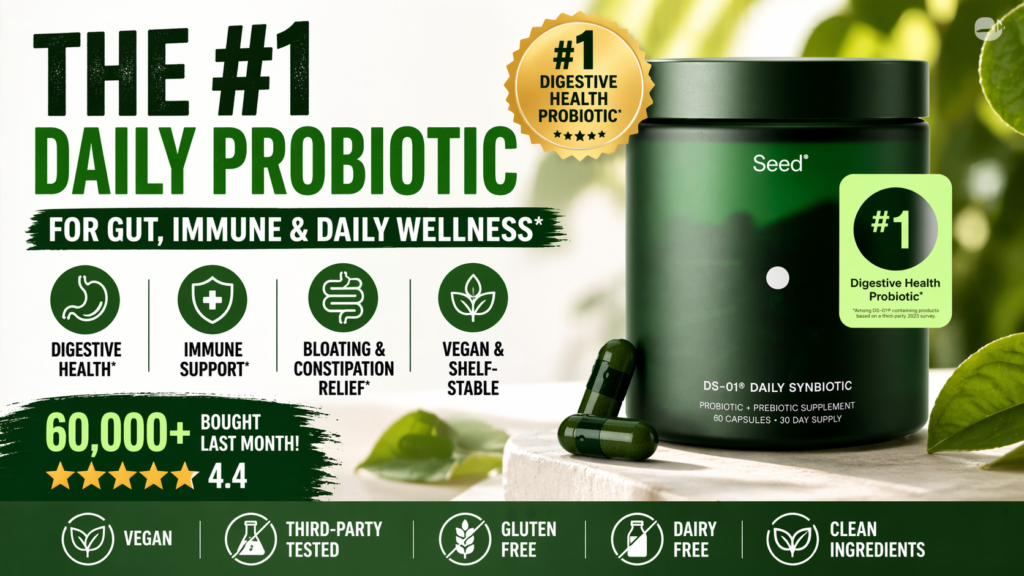
Before we get into kombucha specifically — if gut health is a genuine priority, the most impactful supplement you can take is a quality synbiotic. Kombucha is a useful addition. Seed DS-01 is the foundation that makes everything else work better.
The gut health foundation kombucha can’t replace
Seed DS-01 Daily Synbiotic — 24 clinically studied strains, acid-resistant delivery, prebiotic included. Provides what kombucha can’t — specific, consistent, clinically studied bacterial strains at therapeutic doses.
Check the current price of Seed DS-01 on Amazon
What Kombucha Actually Is
Kombucha is fermented tea — black or green tea fermented using a SCOBY (symbiotic culture of bacteria and yeast). The fermentation process typically takes 7 to 14 days and produces a lightly effervescent, slightly sour drink containing live bacteria, organic acids, B vitamins, and small amounts of alcohol (usually 0.5 to 3%).
The bacterial species in kombucha are primarily Acetobacter and Gluconobacter — acetic acid-producing bacteria — alongside various Lactobacillus strains and yeast species including Saccharomyces. The specific composition varies significantly between brands, batches, and fermentation conditions, which is one of the reasons kombucha research produces variable results and why claims about specific health benefits are difficult to standardize.

This variability is the first honest caveat about kombucha: unlike a quality probiotic supplement where you know exactly which strains are present and at what levels, kombucha is a living, variable product. The bottle you buy today may have a meaningfully different bacterial composition from the same brand next week.
What Kombucha Actually Does for Your Gut — The Evidence

It introduces live beneficial bacteria. This is real and meaningful. Kombucha contains live Lactobacillus bacteria and other beneficial species that contribute to gut microbiome diversity when consumed regularly. The Stanford Cell study — one of the most compelling recent microbiome studies — found that high fermented food intake produced greater gut microbiome diversity gains than high fiber intake alone. Kombucha counts as a fermented food in this context. The fermented foods that make the biggest difference for gut health includes kombucha alongside kefir, yogurt, kimchi, and sauerkraut.
It provides organic acids that support gut health. The fermentation process produces acetic acid, gluconic acid, and glucuronic acid — compounds with antimicrobial properties that create a gut environment less hospitable to harmful bacteria. These organic acids also support liver function and may help regulate blood sugar modestly, though the evidence for these broader benefits is less robust than for the direct gut effects.
It contains polyphenols from tea. The tea base of kombucha — particularly green tea — contains catechins and other polyphenols that act as prebiotics, feeding beneficial gut bacteria. Research consistently shows that tea polyphenols increase Bifidobacterium and Lactobacillus populations in the gut while reducing harmful species. This prebiotic effect may be as significant as the probiotic bacteria introduced through fermentation.
It provides B vitamins. The fermentation process produces B1, B6, and B12 — vitamins that support energy metabolism, nervous system function, and gut health. For people with disrupted microbiomes that produce less of these vitamins naturally, kombucha provides a dietary source worth having.
What Kombucha Can’t Do — The Limitations Most Articles Skip
This is where honesty matters — because the marketing around kombucha consistently overpromises what the evidence actually supports.
The bacterial counts are lower and less consistent than supplements. A quality probiotic supplement delivers billions of specific, clinically studied bacterial strains in a measured, consistent dose. A bottle of kombucha delivers an unknown number of unstudied bacterial strains in a variable amount that differs between batches. Both have value — but they’re not equivalent, and kombucha can’t replace a quality probiotic for anyone with significant gut health goals.
Most kombucha bacteria don’t survive to the colon. This is the honest reality that applies to many probiotic sources, not just kombucha. Stomach acid kills a significant proportion of the bacteria in kombucha before they reach the intestines where they’re needed. The organic acids and polyphenols survive this journey better than the bacteria do — which may actually mean the indirect benefits of kombucha are more consistent than the direct probiotic effect.
The sugar content in commercial kombucha is real. Most commercial kombucha contains 4 to 12 grams of sugar per serving — some significantly more. For people managing gut dysbiosis, the sugar in kombucha partially feeds the harmful bacteria they’re trying to displace. Raw, properly fermented kombucha that has fully converted its sugar has less of this problem — but most commercial products contain meaningful residual sugar. This doesn’t make kombucha a bad choice, but it’s a relevant consideration for people with significant bacterial imbalance or blood sugar concerns.
The alcohol content is worth knowing about. Standard kombucha contains 0.5 to 1% alcohol — below the legal threshold for alcoholic beverages in most countries. Hard kombucha goes significantly higher. For people who avoid alcohol entirely, the trace amounts in standard kombucha are worth being aware of even if clinically insignificant for most people.

It won’t fix significant gut dysbiosis alone. Kombucha is a useful addition to a gut health approach — not a standalone solution for significant gut bacterial imbalance, post-antibiotic gut disruption, or established IBS. People who drink kombucha daily and expect it to resolve these conditions will be disappointed. People who use it as one component of a broader approach will get genuine value from it.



Kombucha vs Other Fermented Foods — How Does It Compare?
If the goal is maximizing gut microbiome benefit from fermented foods, kombucha is a good addition but not necessarily the best single choice.
Kefir contains 30 to 50 different bacterial and yeast strains — significantly more diversity than most kombucha. It also has a higher total bacterial count and includes species that have more clinical research behind them for gut health specifically. For pure gut microbiome benefit, kefir outperforms kombucha.
Plain yogurt with live cultures provides Lactobacillus strains with extensive clinical research alongside protein — making it more nutritionally comprehensive than kombucha at a lower cost.
Kimchi and sauerkraut — raw, unpasteurized — provide high Lactobacillus counts alongside prebiotic fiber from the vegetables. The combination of probiotic and prebiotic in the same food is a meaningful advantage.
Kombucha’s advantages — the tea polyphenol content, the organic acid diversity, and frankly the palatability and convenience — make it a valuable addition to a varied fermented food diet even if it’s not the most potent single option. The goal isn’t finding one perfect fermented food — it’s eating a variety of them consistently.
Who Benefits Most From Kombucha
Kombucha provides the most value for people who:
- Are already doing the fundamentals — quality probiotic, diverse diet, reduced processed food — and want to add fermented food diversity
- Don’t enjoy the texture of kefir or the sourness of sauerkraut but want a palatable fermented food option
- Drink soda or other sugary drinks and want a better-for-you alternative that still has carbonation and flavor
- Want the tea polyphenol prebiotic benefits alongside fermented bacteria
- Are building a long-term gut health maintenance routine and want variety in their approach
Kombucha provides less value for people who:
- Have significant gut dysbiosis and are treating kombucha as a primary intervention
- Have significant blood sugar concerns — the residual sugar in commercial kombucha is worth managing
- Are pregnant — the small alcohol content and unpasteurized bacterial content make kombucha a category to discuss with a healthcare provider during pregnancy
- Have compromised immune systems — live bacteria in kombucha carry a small risk for immunocompromised individuals that warrants medical discussion

How to Choose a Good Kombucha
Not all kombucha is equal — and some products on the market are barely fermented flavored tea with minimal live bacterial content.
Look for “raw” or “unpasteurized” on the label. Pasteurized kombucha has been heated to kill bacteria — eliminating most of the probiotic benefit. Raw kombucha retains live cultures but has a shorter shelf life and must be refrigerated.
Check the sugar content. Less than 6 grams of sugar per serving is a reasonable target. Higher sugar content suggests incomplete fermentation or added sugar.
Look for visible sediment or “floaties.” These are live yeast and bacterial cultures — a sign of genuine active fermentation rather than a processed product.
Buy refrigerated, not shelf-stable. Shelf-stable kombucha has typically been processed in ways that reduce live bacterial content. The refrigerated section is where the genuinely fermented products live.
Smaller craft brands often outperform commercial giants. Larger commercial producers standardize their products in ways that can reduce the diversity and count of live cultures. Local craft kombucha producers often have higher and more diverse live culture content.
How Much Kombucha to Drink for Gut Health
More is not necessarily better — and this is a genuinely common mistake with kombucha. The organic acids and bacterial content that make it beneficial can cause discomfort in large amounts, particularly for people with sensitive guts or those new to fermented foods.
Start with 4 ounces daily — roughly half a standard serving — and build up over two to three weeks as your gut adapts. A full serving (8 ounces) once daily is adequate for ongoing gut health maintenance. Drinking multiple large servings daily provides diminishing returns and increases sugar and organic acid intake unnecessarily.
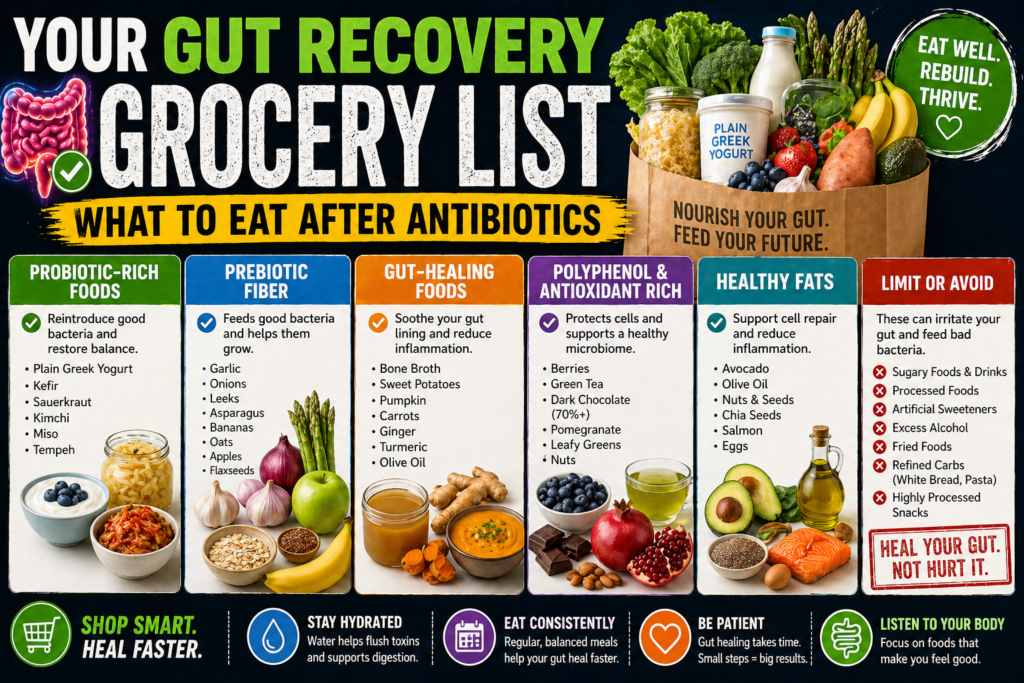
If you’re introducing kombucha during gut recovery — post-antibiotic recovery for example — start even more cautiously. A disrupted gut can react strongly to new fermented foods before the microbiome has stabilized enough to handle them comfortably.



Kombucha in a Complete Gut Health Approach
Kombucha works best as one component of a comprehensive gut health approach rather than as a standalone intervention. Here’s how it fits:
The foundation: A quality multi-strain synbiotic providing specific clinically studied bacterial strains at consistent doses — what kombucha’s bacterial variability can’t provide. Seed DS-01 is our top recommendation. Check the price on Amazon.
The food layer: Daily fermented foods including kombucha for bacterial diversity, kefir for bacterial count, and kimchi or sauerkraut for Lactobacillus strains. Variety across these sources produces more microbiome diversity than high amounts of any single one. The fermented foods that make the biggest difference gives you the full practical list.

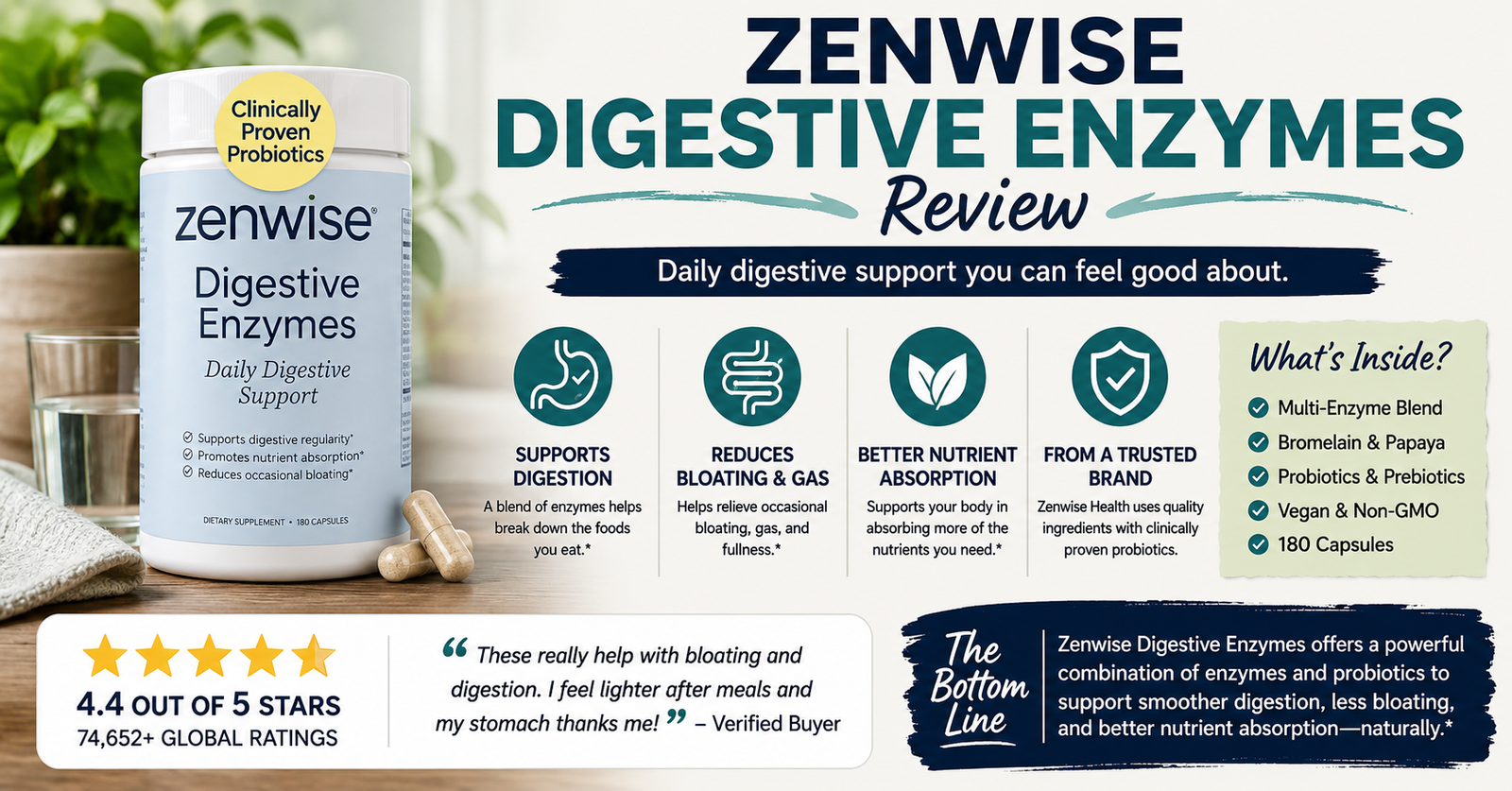
The enzyme layer: Digestive enzymes with every meal to ensure food is properly broken down before it reaches gut bacteria. Zenwise Digestive Enzymes provides this consistently. Check the price on Amazon.
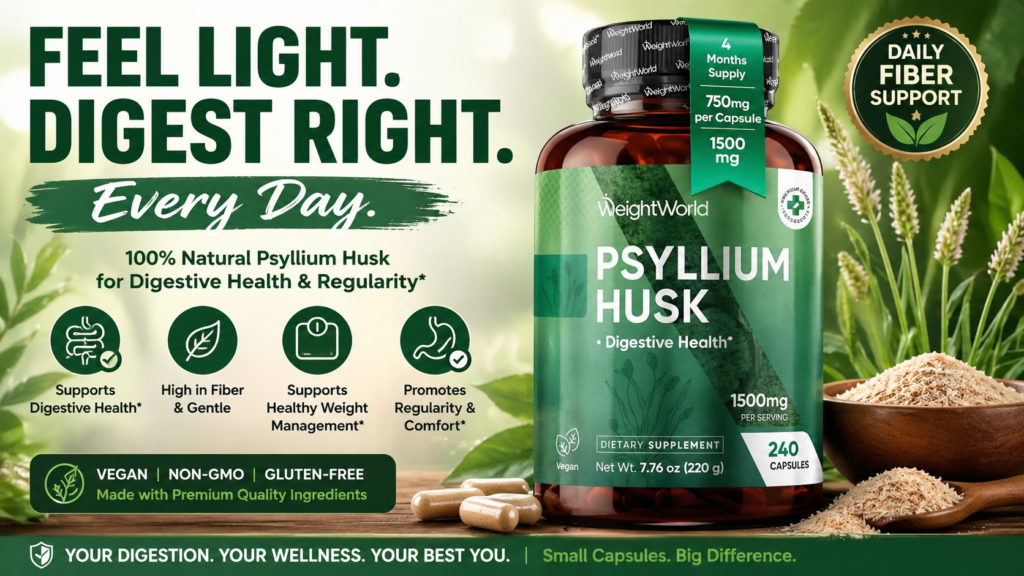
The fiber layer: Prebiotic fiber feeding the bacteria that kombucha and your probiotic supplement introduce. Psyllium husk capsules provide consistent daily soluble prebiotic fiber. Check the price on Amazon.
Kombucha in this context adds fermented diversity, polyphenol prebiotic benefit, and organic acid support — real value in a real system. What it doesn’t do is carry the system on its own.
Frequently Asked Questions
Is kombucha actually good for your gut?
Yes — with realistic expectations. Kombucha provides live bacteria, organic acids with antimicrobial properties, and tea polyphenols that act as prebiotics. It contributes to gut microbiome diversity as part of a varied fermented food intake. It’s not a standalone gut health solution and can’t replace a quality probiotic supplement for people with significant gut health goals.
How much kombucha should I drink for gut health?
4 to 8 ounces daily is sufficient for gut health maintenance. More than this provides diminishing returns and unnecessary sugar and organic acid intake. Start with 4 ounces and build up gradually if you’re new to fermented foods.
Is kombucha better than a probiotic supplement?
No — they serve complementary rather than competing roles. A quality probiotic provides specific, clinically studied strains at consistent doses. Kombucha provides natural bacterial diversity and polyphenol prebiotic benefits that supplements don’t replicate. Both together are better than either alone.
Can kombucha help with bloating?
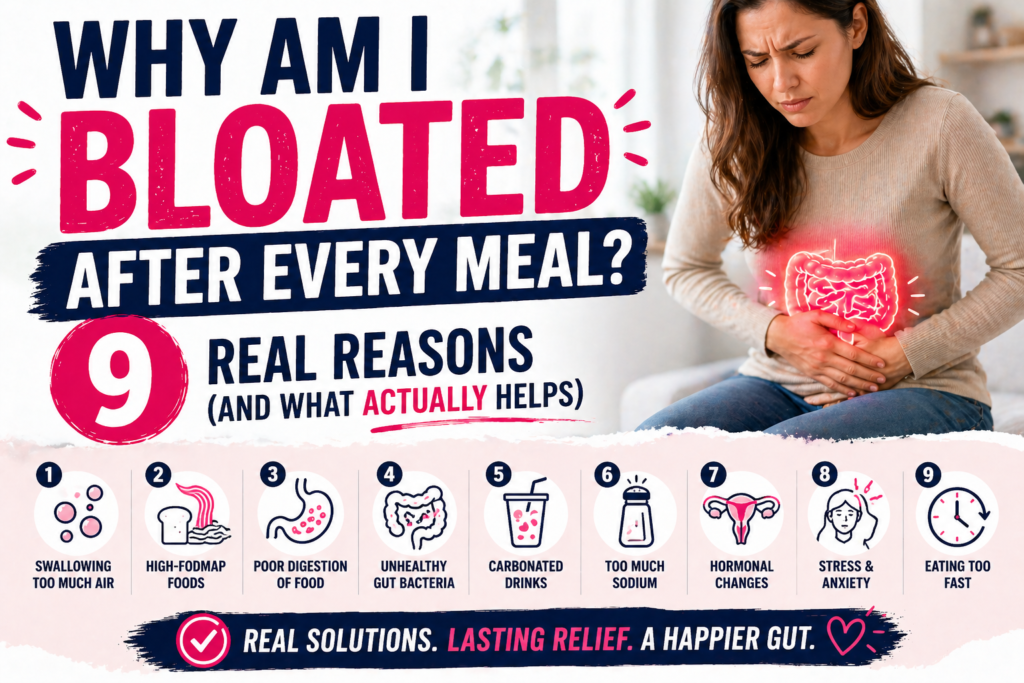
For some people yes — the organic acids and beneficial bacteria can reduce the bacterial fermentation that drives bloating. For others, particularly those new to fermented foods or with sensitive guts, kombucha can temporarily worsen bloating as the gut adjusts. Start with small amounts and build up gradually. The full picture of what drives bloating covers the bacterial component that kombucha addresses.
Is kombucha safe every day?
For most healthy adults yes — 4 to 8 ounces daily is safe and beneficial. Those who are pregnant, immunocompromised, or sensitive to alcohol should discuss with their healthcare provider. People with significant blood sugar concerns should monitor their response to the sugar content.
What is the best kombucha for gut health?
Raw, unpasteurized, refrigerated kombucha with less than 6 grams of sugar per serving and visible live culture sediment. Local craft brands often outperform commercial giants for live culture content. The specific brand matters less than ensuring the product is genuinely raw and actively fermented.

The Bottom Line on Kombucha
Kombucha is a genuinely beneficial fermented drink with real gut health value — and it’s also one of the most overhyped products in the wellness space. Both things are true simultaneously.
Drink it because you enjoy it and because fermented foods are good for your gut microbiome diversity. Use it as one part of a diverse fermented food intake alongside kefir, yogurt, kimchi, and sauerkraut. Don’t rely on it to carry your entire gut health strategy — it can’t do that job and you’ll be disappointed if you expect it to.
Combined with a quality daily synbiotic, adequate prebiotic fiber, and a diet that supports rather than undermines your beneficial bacteria — kombucha is a worthwhile daily habit. As a standalone intervention for significant gut health issues — it isn’t enough.
Build the gut health system kombucha supports
Seed DS-01 Daily Synbiotic — the foundation
Zenwise Digestive Enzymes — food breakdown support
Psyllium Husk Capsules — prebiotic fiber daily
More from TummyCure:
- 10 Fermented Foods That Changed My Digestion
- Kefir — A Natural Gut Healing Powerhouse
- Seed DS-01 — Full Review
- Signs You Have Too Much Bad Gut Bacteria
- 8 Signs Your Gut Desperately Needs a Probiotic
- Probiotic vs Synbiotic — What’s the Difference?
- 12 Ways to Improve Gut Health Naturally
- Is Everything You’ve Heard About Gut Health Wrong?
- The Complete Gut Health Guide
About the Author
Rachel Donnelly is a certified nutritional health coach and gut health writer who spent years struggling with IBS and bloating before making digestive wellness her specialty. She writes for TummyCure with one goal: cut through the noise and tell you what actually works. When she’s not deep in microbiome research, she’s fermenting things in her kitchen and losing arguments with her husband about whether kombucha counts as a dessert.
As an Amazon Associate we earn from qualifying purchases through some links in our articles.