Burping by itself can be annoying.
Bloating by itself can make your clothes feel too tight and leave you feeling miserable.
When both happen at the same time, it’s easy to assume something must be seriously wrong.
I remember going through exactly that. I’d finish a meal, and within an hour my stomach felt stretched, I couldn’t stop burping, and I wondered why my digestion suddenly seemed completely different than it had just a few years earlier.
After spending a lot of time learning about digestive health, I realized burping and bloating are closely connected. In fact, they often come from the exact same digestive problem.
The challenge is figuring out which one.
The good news is that most causes aren’t dangerous, and once you identify what’s triggering your symptoms, they’re often much easier to manage.
Is It Normal to Burp and Feel Bloated?
Occasionally?
Absolutely.
Everyone swallows some air while eating and drinking.
Your digestive system also produces gas every single day as bacteria break down food inside your intestines.
Normally that gas moves through your digestive tract without much trouble.
Sometimes, however, extra gas builds up faster than your body can get rid of it.
That’s when you may notice:
- Frequent burping.
- A swollen or tight stomach.
- Pressure in your abdomen.
- Feeling overly full after eating.
- Passing more gas than usual.
If this happens only once in a while, it’s usually nothing to worry about.
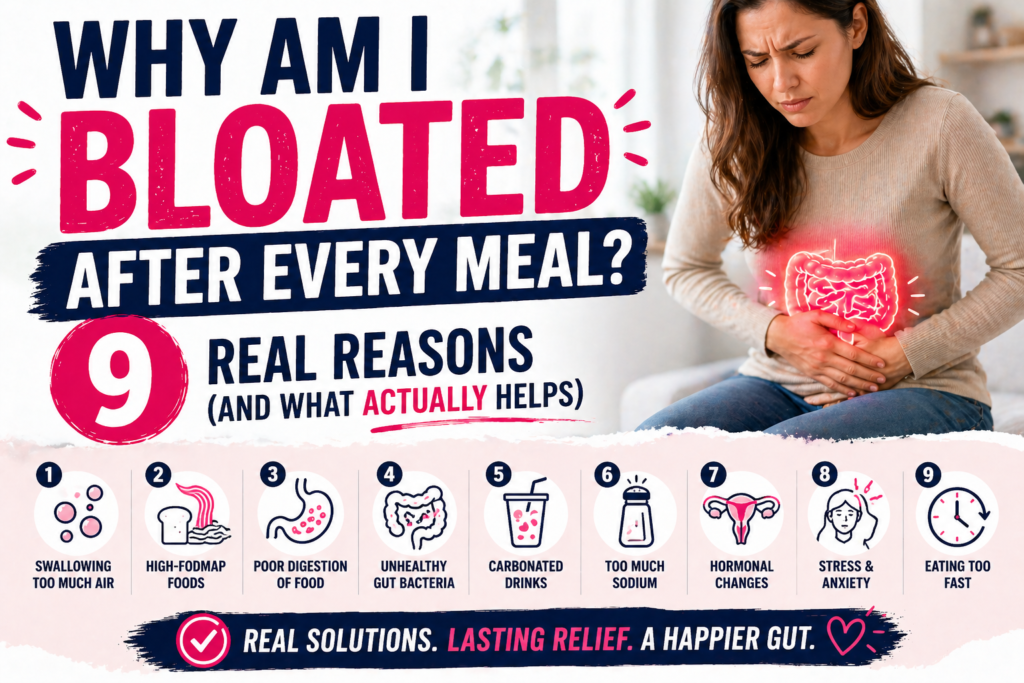
If it happens after almost every meal, it’s worth looking for an underlying cause. Persistent symptoms may have several overlapping causes, as explained in Why Am I Bloated After Every Meal? 9 Real Reasons.
Why Burping and Bloating Usually Happen Together
One thing that really helped me understand my symptoms was realizing they often come from the same source.
Think about what happens after you eat.
Food enters your stomach.
Air enters with it.
Your stomach begins producing digestive juices.
Your intestines begin breaking food down.
Gas is naturally created during digestion.
If everything moves normally, you may never notice.
If gas builds up or digestion slows down, your body has to relieve that pressure somehow.
Some gas travels downward.
Some comes back up as burping.
That’s why these symptoms so often appear together.
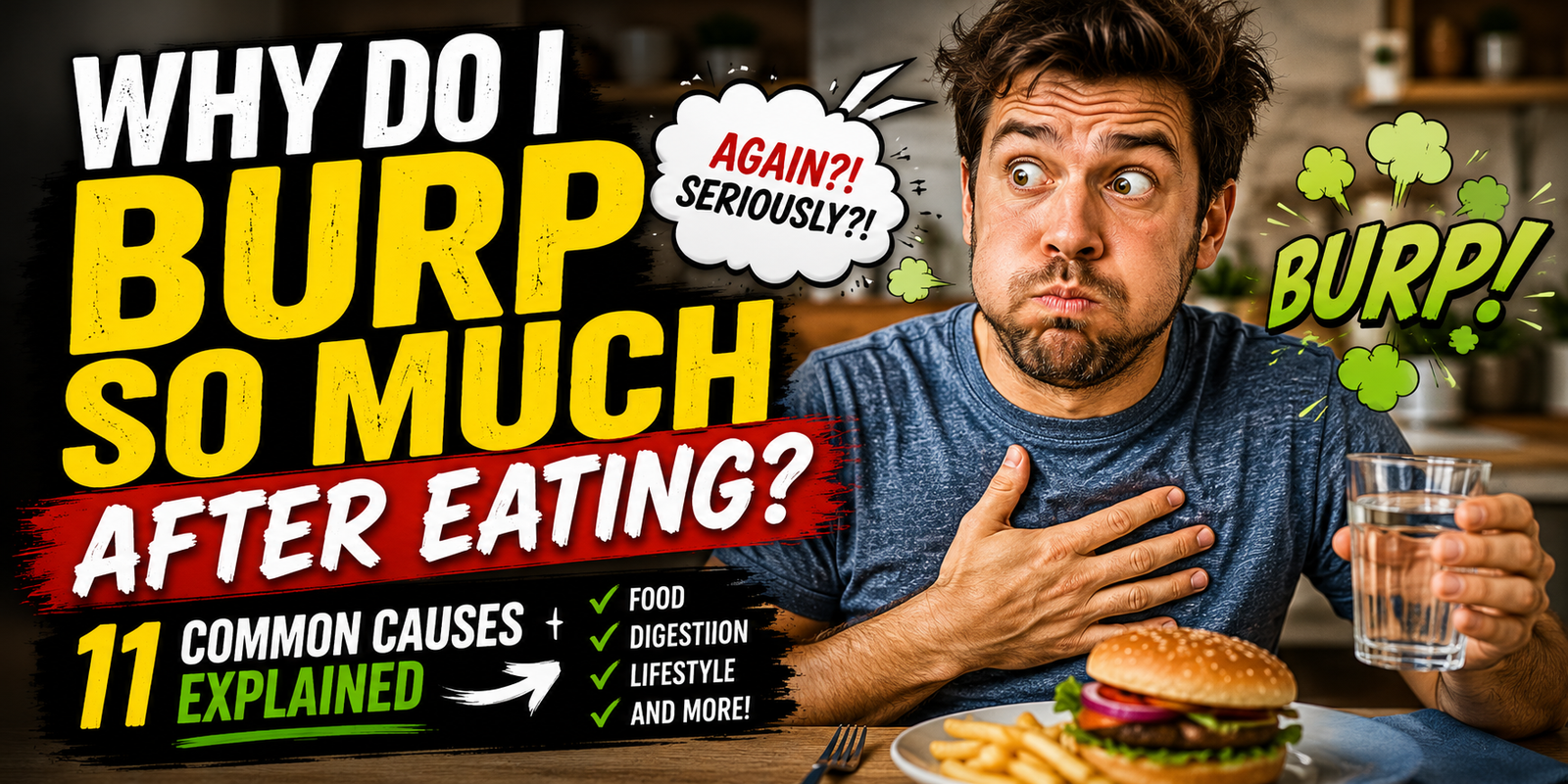
If your burping mainly happens after meals, you may also want to read Why Do I Burp So Much After Eating? 11 Common Causes Explained because many of the same digestive conditions discussed there also explain bloating.


1. You’re Swallowing Too Much Air
This is one of the simplest explanations, but it’s also one of the easiest to overlook.
I never realized how much air I swallowed until I actually paid attention to my eating habits.
Common causes include:
- Eating too quickly.
- Talking while eating.
- Drinking through a straw.
- Chewing gum.
- Smoking.
- Drinking carbonated beverages.
That swallowed air has to escape somehow.
Some leaves as burps.
Some travels through your digestive system and contributes to bloating.
2. Acid Reflux Can Cause More Than Heartburn
Most people think reflux only causes burning in the chest.
That’s definitely not always true.
Many people experience:
- Burping.
- Bloating.
- Feeling overly full.
- A sour taste.
- Throat clearing.
- Mild nausea.
For a long time, I didn’t think reflux applied to me because I rarely had heartburn.
I later learned that’s surprisingly common.
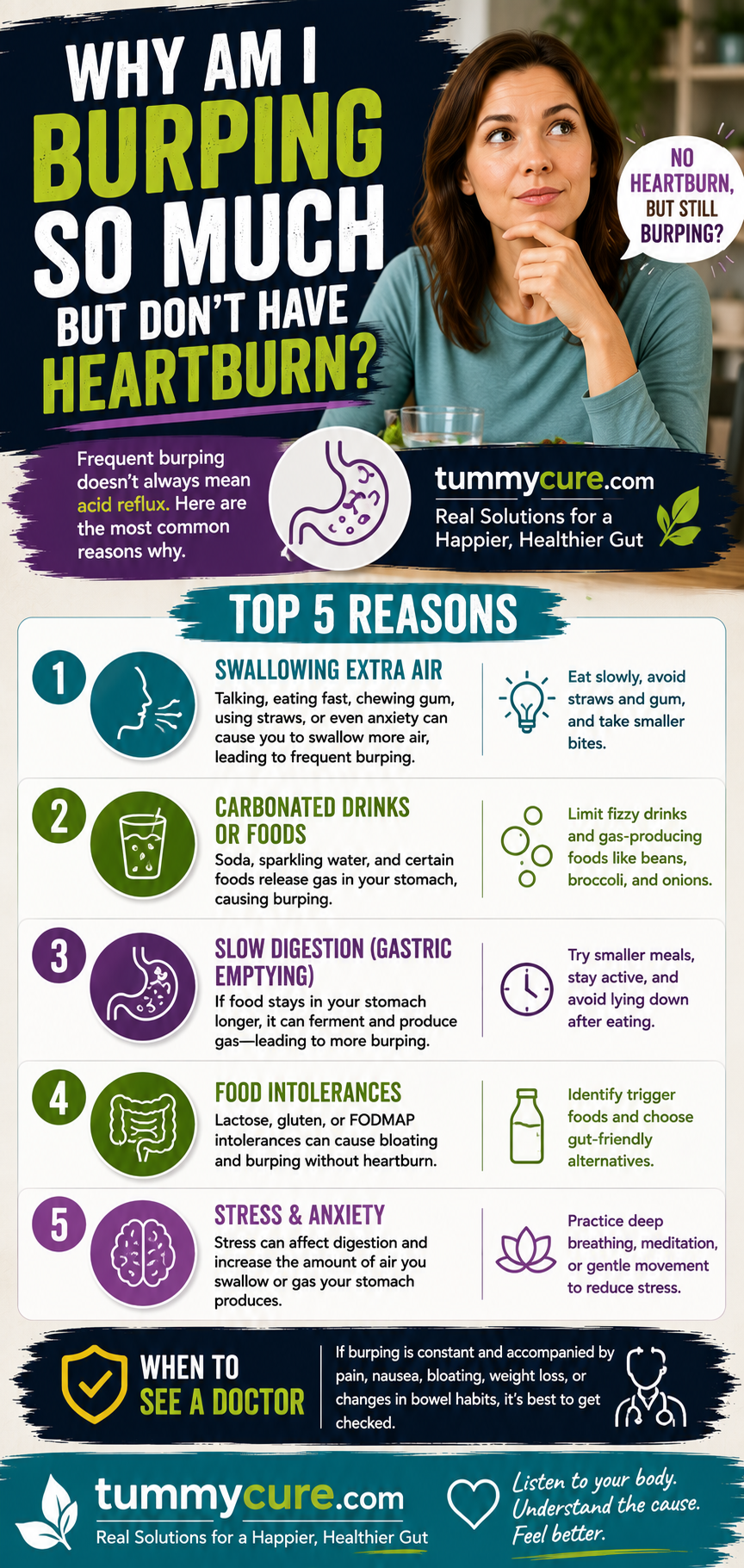
If that sounds familiar, my article Why Am I Burping So Much but Don’t Have Heartburn? explains why reflux isn’t always painful.
3. IBS Often Causes Both Symptoms
Irritable bowel syndrome affects much more than bowel movements.
Because IBS changes how your intestines move food and gas, many people experience both bloating and frequent burping.
Other symptoms often include:
- Constipation.
- Diarrhea.
- Cramping.
- Gas.
- Feeling like your stomach never completely settles down.
One thing I found interesting is that symptoms often become much worse after eating, especially large meals or foods high in fermentable carbohydrates.
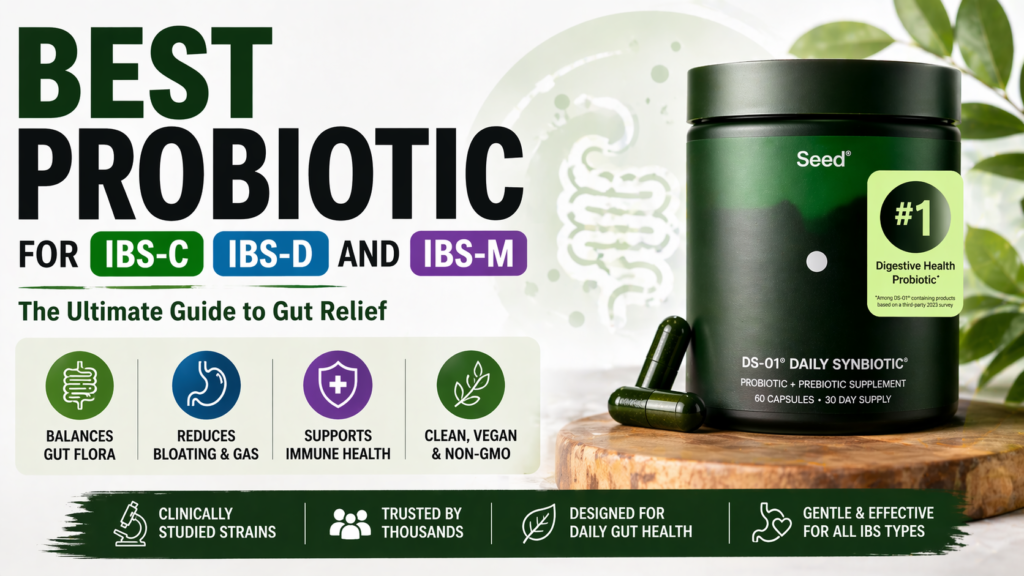
If you’ve already been diagnosed with IBS, you may also find Best Probiotic for IBS-C, IBS-D and IBS-M helpful because I break down which probiotic strains have been studied the most for different types of IBS.
4. Food Intolerances Can Create the Perfect Combination of Burping and Bloating
This was one of the biggest surprises for me.
For a while, I blamed every meal equally.
Then I started writing down exactly what I ate, and patterns began to appear.
Certain foods consistently left me burping for an hour or two afterward while also making my stomach feel tight and swollen.
Some of the most common triggers include:
- Dairy products.
- Wheat-based foods.
- Onions.
- Garlic.
- Artificial sweeteners.
- Highly processed foods.
- Large, greasy meals.
The important thing I learned was not to eliminate everything at once. Instead, I tested one food group at a time. That made it much easier to identify what was actually bothering me.

5. Your Gut Bacteria May Be Producing More Gas Than Normal
Your digestive system is home to trillions of bacteria.
Most of them are incredibly helpful.
They help break down food your body can’t digest on its own and even produce nutrients that support your overall health.
The downside is that they also produce gas while doing their job.
If your gut bacteria become unbalanced, they may create much more gas than usual.
That extra gas often leads to:
- Burping.
- Bloating.
- Excessive flatulence.
- Stomach pressure.
- Gurgling sounds.
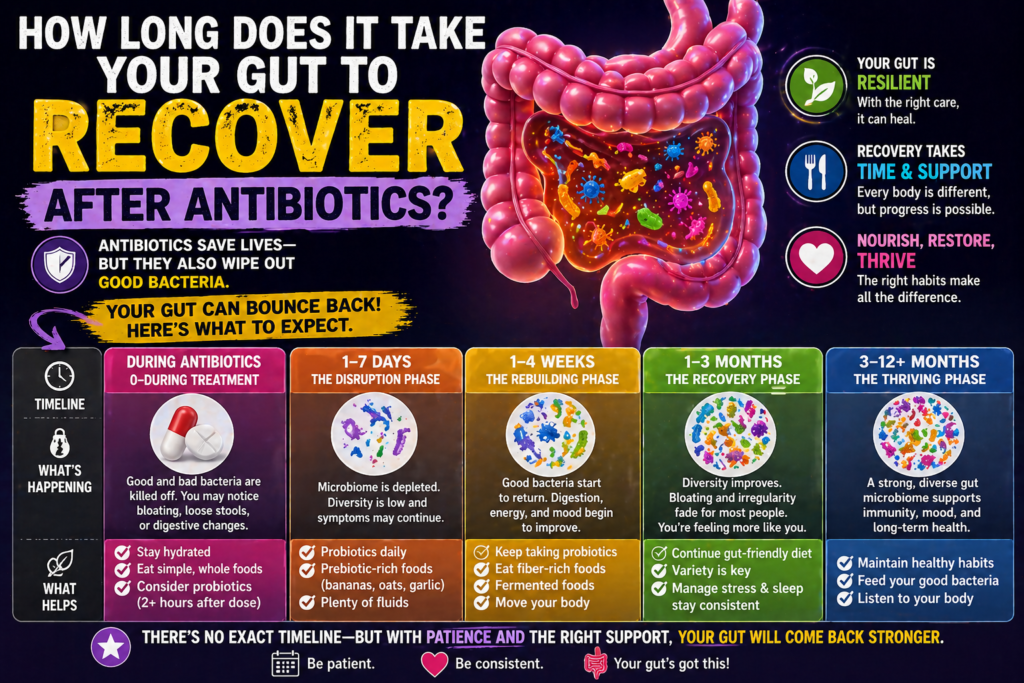
I noticed my digestion changed quite a bit after taking antibiotics, which isn’t unusual. If your symptoms began around the same time, I’d recommend reading How Long Does It Take Your Gut to Recover After Antibiotics? because I was surprised to learn recovery can take far longer than most people realize.
6. You’re Eating Too Quickly
This sounds almost too simple.
But for me, it made a bigger difference than I expected.
When you eat quickly, several things happen at once.
You swallow more air.
You don’t chew food as thoroughly.
Your stomach suddenly has to deal with a large amount of food arriving all at once.
That combination can easily lead to both bloating and repeated burping.
I started putting my fork down between bites and actually chewing until my food was broken down well.
It felt awkward at first, but within a week I noticed less pressure after meals.

7. Carbonated Drinks Add Gas Before Digestion Even Starts
Unlike most foods, carbonated drinks already contain gas before they ever reach your stomach.
Every bubble of carbon dioxide eventually has to leave your digestive system.
Some leaves as burping.
The rest continues moving through your intestines.
That means soda, sparkling water, beer, and other fizzy drinks can contribute to both symptoms almost immediately.
Even though I expected soda to make me burp, I didn’t realize how much it also contributed to my bloating until I stopped drinking it with meals.
8. Digestive Enzymes May Be Worth Considering
Sometimes food simply isn’t being broken down efficiently.
When larger food particles reach your intestines, your gut bacteria have more work to do.
More fermentation usually means more gas.
More gas often means more burping and bloating.
I spent quite a bit of time researching digestive enzyme supplements because they kept coming up while I was trying to understand these symptoms.

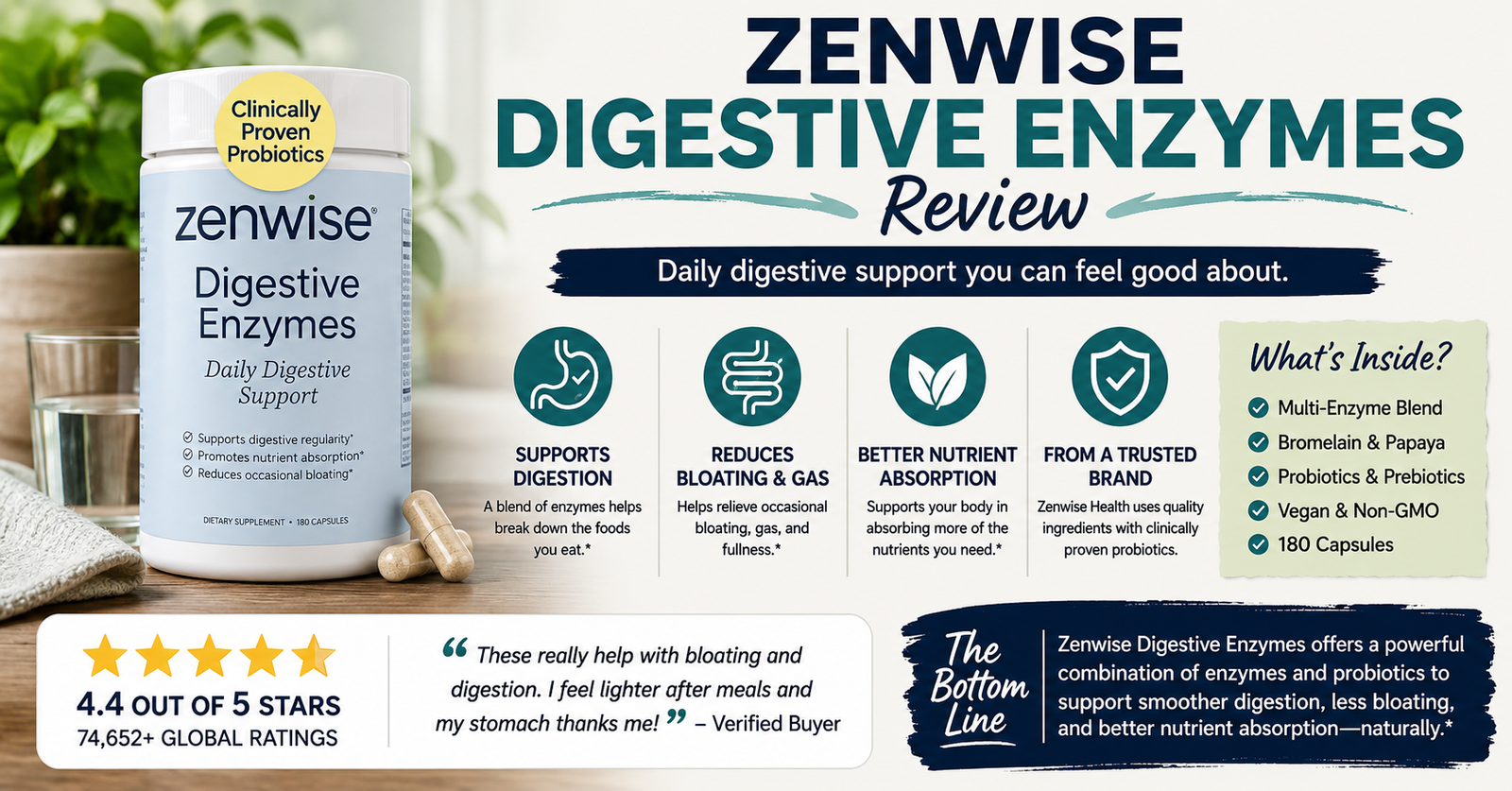
If you’re curious whether they might help, I put together a detailed review of Zenwise Digestive Enzymes after researching one of the most popular products available. I also compared several options in Best Digestive Enzymes for Bloating That Actually Work if you’re trying to decide where to start.

While researching digestive enzymes, one product kept coming up again and again. I eventually took a much closer look at Zenwise Digestive Enzymes Review because it combines digestive enzymes, probiotics, and prebiotics in one formula. If you’re wondering whether it’s actually worth buying before spending your money, that review walks through exactly what I found.

9. Stress Can Affect Your Entire Digestive System
I used to think stress only affected my mood.
Now I’m convinced my stomach notices stressful weeks before the rest of my body does.
Stress can:
- Change the way you breathe.
- Increase the amount of air you swallow.
- Slow digestion.
- Make your stomach more sensitive.
- Increase awareness of normal digestive sensations.
That combination can easily make burping and bloating seem much worse than usual.
Once I recognized that pattern, I stopped blaming every meal I ate.
10. Sometimes Several Small Things Add Up
This was probably the biggest lesson I learned.
It usually wasn’t just one problem.
Instead, it looked something like this:
I skipped breakfast.
Drank coffee too quickly.
Ate lunch in ten minutes.
Had a carbonated drink.
Finished with a cookie.
By dinner, I felt miserable.
Burping and bloating often happen because several small habits combine to overwhelm your digestive system rather than because of one serious disease.
What Helped Me Reduce Both Burping and Bloating
After several weeks of paying attention, I realized I didn’t need a complicated routine.
The biggest improvements came from simple habits:
- Eating more slowly.
- Drinking fewer carbonated beverages.
- Taking a short walk after meals.
- Watching portion sizes.
- Keeping a food journal.
- Drinking water throughout the day instead of all at once.
- Managing stress a little better.
None of these changes worked overnight.
But together they noticeably reduced both symptoms.
Could Probiotics Help?
If your symptoms are related to an imbalance in your gut bacteria, they certainly might.
Not every probiotic works the same way, though.
Different strains have been studied for different digestive problems.
That’s why I spent time comparing them before trying one myself.
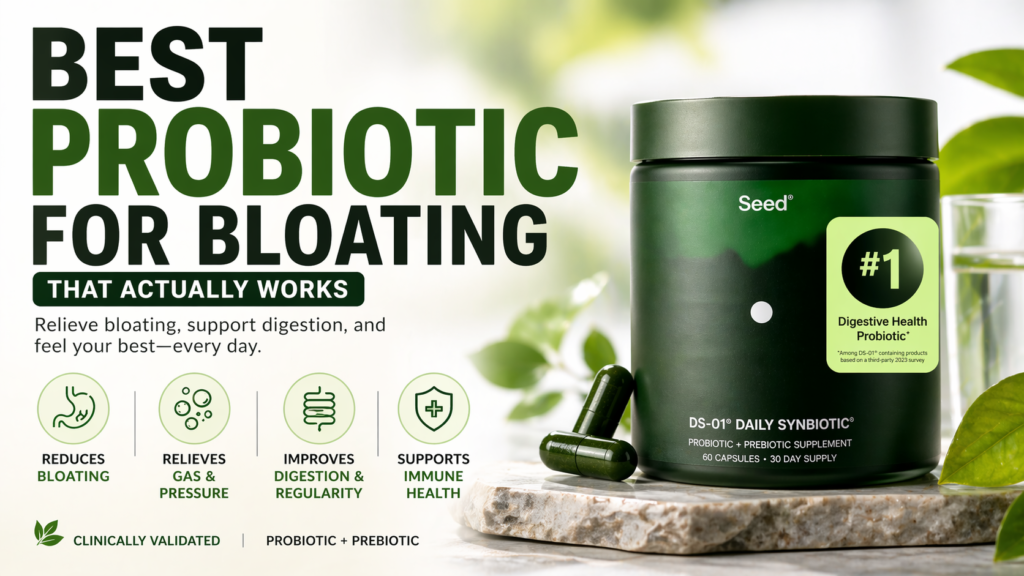
If you’re interested in probiotics, I recommend starting with Best Probiotic for Bloating That Actually Works. I also explain the differences between probiotics and synbiotics in Probiotic vs. Synbiotic: What’s the Difference and Which Is Better? since many people aren’t sure which type makes the most sense.
When You Should See a Healthcare Provider
Occasional burping and bloating are very common.
However, you shouldn’t ignore them if they’re accompanied by:
- Severe abdominal pain.
- Vomiting blood.
- Black or tar-like stools.
- Difficulty swallowing.
- Persistent vomiting.
- Unexplained weight loss.
- Ongoing diarrhea with dehydration.
- Symptoms that continue getting worse despite lifestyle changes.
Frequently Asked Questions
Why do I burp and feel bloated after every meal?
The most common causes include swallowed air, IBS, acid reflux, food intolerances, indigestion, and excess gas produced during digestion.
Can anxiety cause burping and bloating?
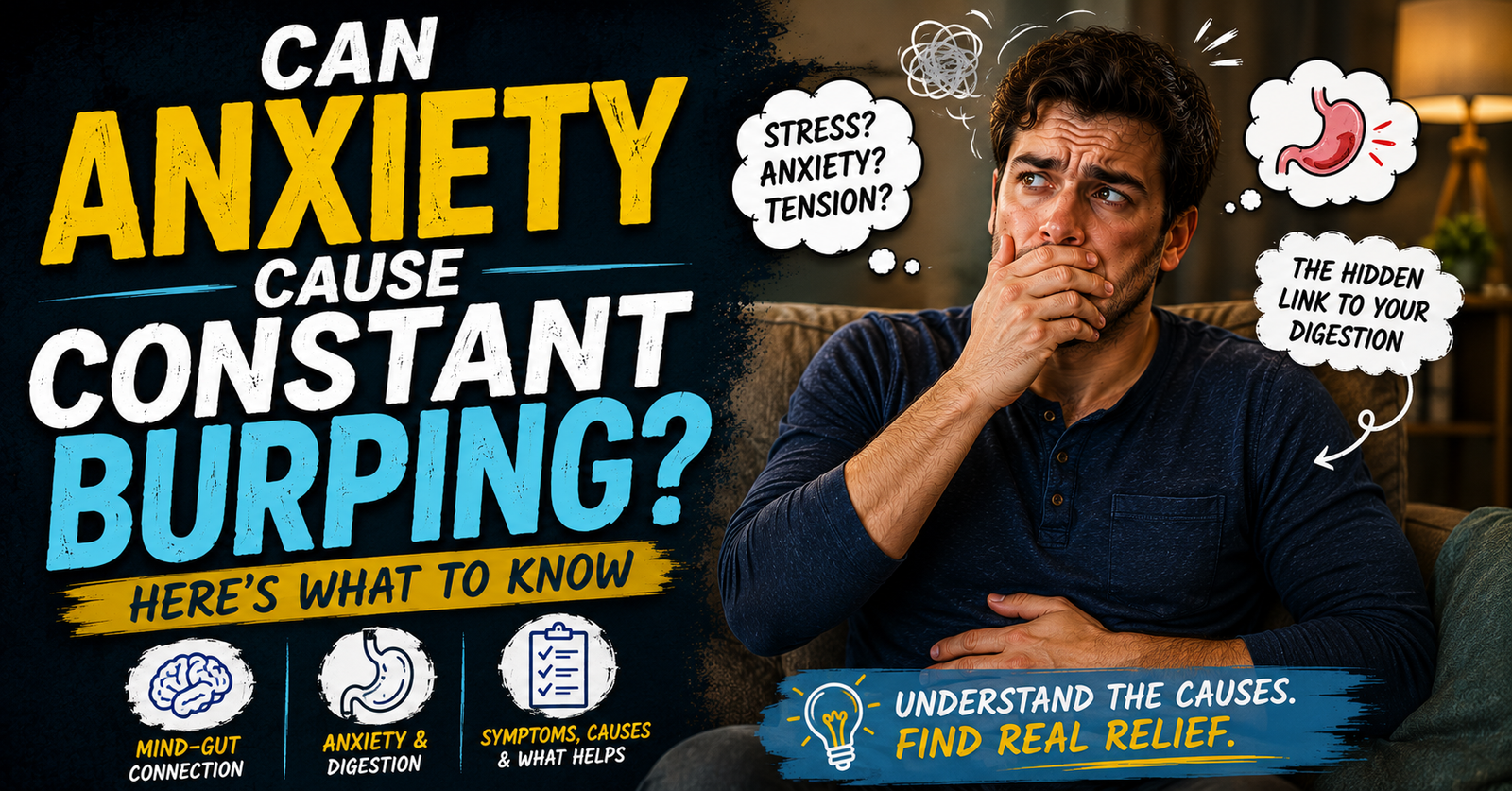
Yes. Anxiety can change your breathing, increase swallowed air, slow digestion, and make you more aware of normal digestive sensations, all of which may contribute to these symptoms.
Are burping and bloating signs of IBS?
They can be. Many people with IBS experience both symptoms along with constipation, diarrhea, abdominal pain, or cramping.
Will probiotics help with burping and bloating?
They may help if your symptoms are related to an imbalance in your gut bacteria. They are less likely to help if the main cause is swallowing excess air or eating too quickly.
Why do I feel bloated even if I don’t eat very much?
Sometimes it’s not the amount of food but how your body digests it. Gas production, delayed stomach emptying, food intolerances, or IBS can all make you feel bloated after relatively small meals.
Author: Natalie Mercer
Natalie Mercer is a digestive health writer who enjoys helping readers understand common stomach symptoms using practical, evidence-informed guidance. Her work focuses on digestive wellness, gut health, and breaking complex gastrointestinal topics into clear, everyday advice that empowers readers to have informed conversations with their healthcare providers.
As an Amazon Associate we earn from qualifying purchases through some links in our articles.