What you eat after antibiotics determines how fast your gut microbiome rebuilds. Here’s the complete recovery grocery list — what to buy, what to avoid, and why each food matters.
Your Gut Just Went Through a War — Here’s How to Help It Rebuild
Antibiotics don’t distinguish between the bacteria making you sick and the bacteria keeping you healthy. By the time your course is done, your gut microbiome has lost 25 to 50% of its bacterial diversity. The bloating, irregular bowel movements, fatigue, and brain fog you’re experiencing aren’t just post-illness recovery — they’re the direct symptoms of a gut ecosystem that needs active rebuilding.
What you eat in the 60 to 90 days after antibiotics is one of the most powerful tools you have for accelerating that rebuilding. The right foods feed and multiply the beneficial bacteria you’re reintroducing. The wrong ones actively feed the harmful species competing for the ecological space antibiotics cleared.
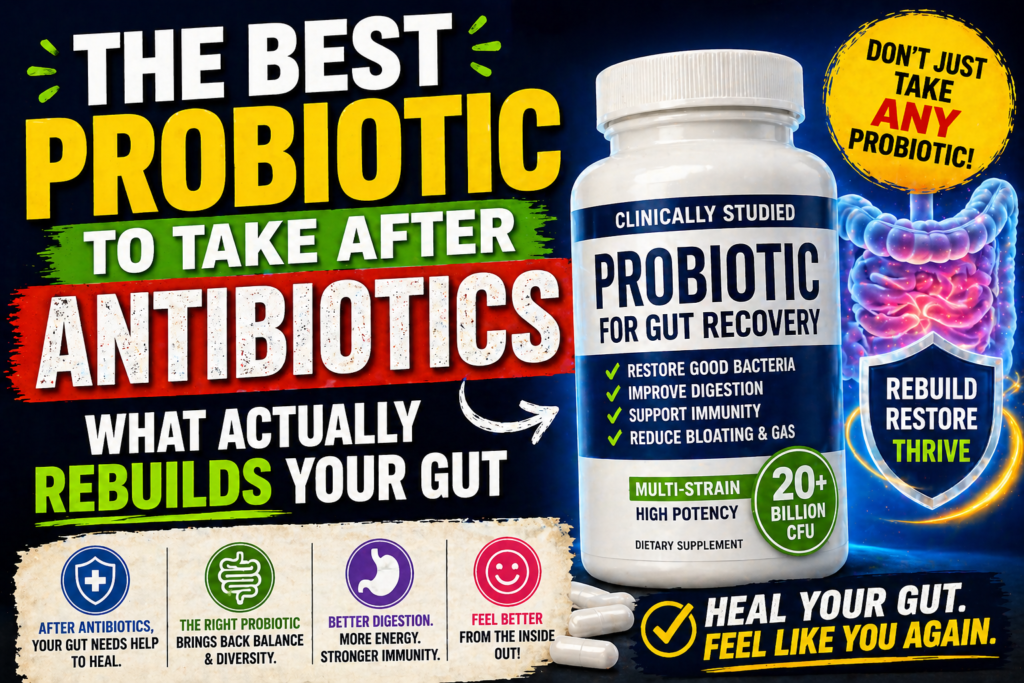
Before we get into the grocery list — the most important first step is getting the right probiotic in place. The best probiotic after antibiotics covers exactly what to look for, but our top recommendation is Seed DS-01 — 24 clinically studied strains with prebiotic included.
Start here — the foundation of post-antibiotic recovery
Seed DS-01 Daily Synbiotic — 24 clinically studied strains, acid-resistant delivery, prebiotic included. Start during your antibiotic course and continue for 90 days after. This is the non-negotiable first step.
👉 Check the current price of Seed DS-01 on Amazon
Now — here’s exactly what to put in your cart.
The Foods That Rebuild Your Gut the Fastest
Fermented Foods — Your Most Powerful Recovery Tool
A landmark Stanford study published in Cell found that a high-fermented food diet produced greater gains in gut microbiome diversity than a high-fiber diet alone. That finding is particularly significant post-antibiotics — when diversity restoration is the primary goal.
Fermented foods introduce live beneficial bacteria directly into your gut alongside your probiotic supplementation — providing a broader range of natural bacterial diversity than any single supplement can replicate. Aim for at least one serving daily throughout your 90-day recovery window.
The best fermented foods for post-antibiotic recovery:
- Kefir — the highest bacterial diversity of any fermented food. Contains 30 to 50 different bacterial and yeast strains. Milk kefir is most potent but coconut water kefir works for dairy-free. One glass daily is highly impactful.
- Plain yogurt with live cultures — look for “live and active cultures” on the label and no added sugar. Full-fat is better tolerated post-antibiotics for most people. Greek yogurt counts.
- Sauerkraut — raw, unpasteurized only. Pasteurized sauerkraut has no live bacteria. Check the refrigerated section, not the shelf-stable jars. Two tablespoons daily is enough.
- Kimchi — fermented cabbage with additional vegetables. Rich in Lactobacillus strains. The more garlic and ginger in the kimchi the better for post-antibiotic gut recovery.
- Miso — fermented soybean paste. Add to warm (not boiling) water to preserve live cultures. Dissolve in water that’s cooled from boiling — heat kills the bacteria.
- Kombucha — fermented tea with live cultures. Keep portions moderate — a few ounces daily rather than a full bottle, particularly if your gut is still sensitive post-antibiotics.
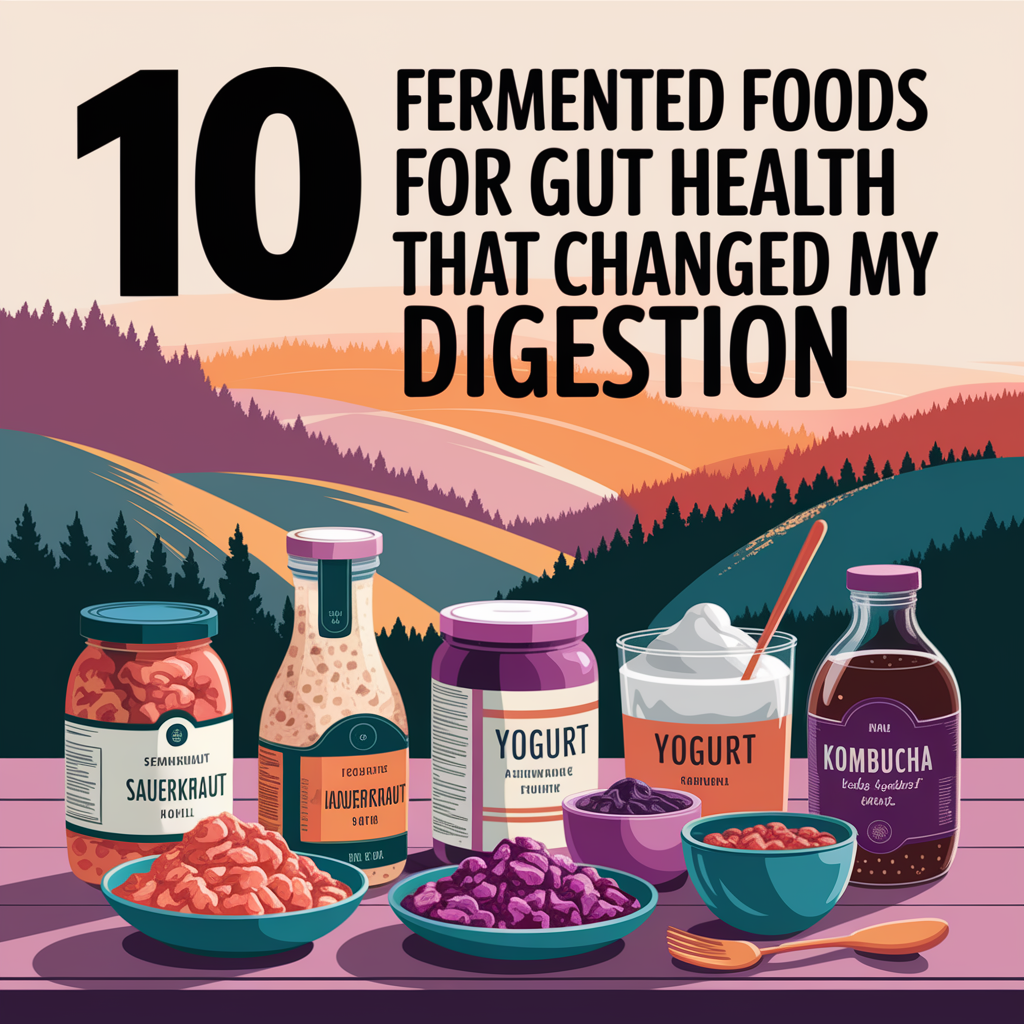
Read more about which fermented foods make the biggest impact: 10 Fermented Foods That Changed My Digestion
Prebiotic Foods — Feeding the Bacteria You’re Rebuilding
Probiotics introduce bacteria. Prebiotics feed them. Without adequate prebiotic fiber, the bacteria you’re reintroducing pass through rather than colonizing — the gut equivalent of planting seeds in soil with no nutrients. Post-antibiotic prebiotic intake is one of the most important and most overlooked aspects of recovery.
The best prebiotic foods for post-antibiotic recovery:
- Garlic — one of the richest prebiotic sources available. Contains inulin and fructooligosaccharides that specifically feed Bifidobacterium — the bacterial genus most depleted by antibiotics. Raw garlic has the highest prebiotic content but cooked garlic still provides meaningful benefit.
- Onions and leeks — same prebiotic compounds as garlic. The sulfur compounds in onions also have antimicrobial properties against harmful bacteria without disrupting beneficial ones.
- Asparagus — high in inulin. Best lightly cooked or raw. A handful every few days provides significant prebiotic benefit.
- Bananas — slightly underripe — green-tipped bananas contain resistant starch that feeds beneficial bacteria. Ripe bananas have less resistant starch but still provide prebiotic benefit. One daily is ideal during recovery.
- Oats — contain beta-glucan fiber that feeds beneficial bacteria and has additional immune-supporting properties relevant during post-infection recovery. Overnight oats or rolled oats — not instant.
- Jerusalem artichokes — exceptionally high in inulin, making them the most potent single prebiotic food available. Start with small amounts — they can cause significant gas in disrupted guts, particularly in the early recovery weeks.
- Apples — pectin fiber in apples feeds beneficial bacteria and has been shown to increase Bifidobacterium populations specifically. One apple daily with skin is a simple daily addition.
If getting consistent prebiotic fiber from food is challenging during recovery — particularly when appetite is reduced from illness — psyllium husk capsules provide reliable daily prebiotic fiber alongside their stool-normalizing benefits.
Consistent prebiotic fiber — even when appetite is low
Psyllium Husk Capsules — the most research-backed fiber supplement available. Provides prebiotic support for recovering bacteria and normalizes post-antibiotic bowel disruption in both directions. Two capsules daily with a large glass of water.
👉 Check the current price of Psyllium Husk Capsules on Amazon
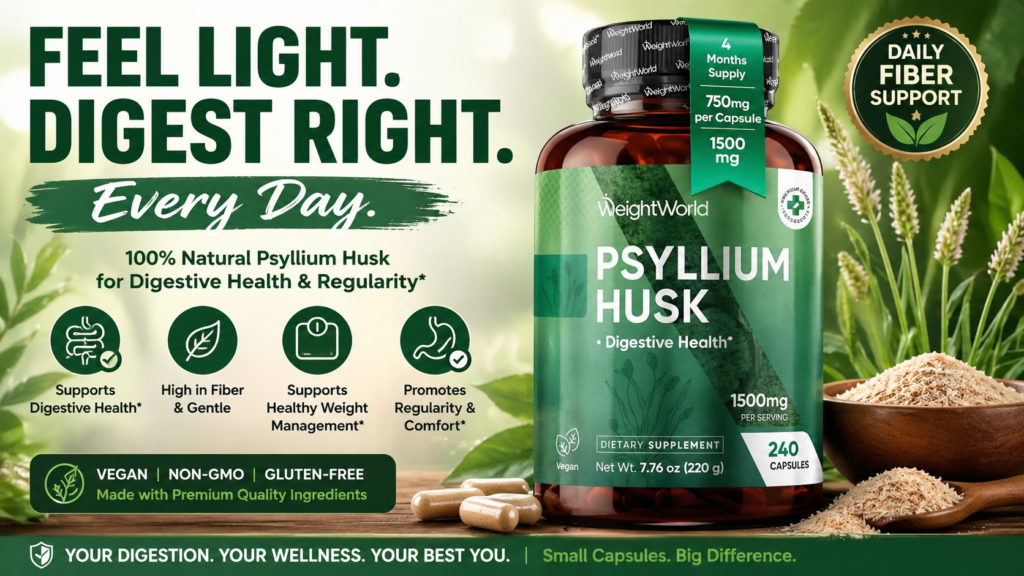
More on why psyllium husk specifically outperforms other fiber supplements: Psyllium Husk Capsules — The Most Research-Backed Fiber Supplement You’re Probably Not Taking
Collagen-Rich Foods — For Your Gut Lining
Post-antibiotic gut lining is temporarily more permeable than normal. Beneficial bacteria that maintain tight junction integrity between intestinal cells are depleted, leaving the gut barrier more vulnerable. Collagen provides the structural proteins the gut lining needs to rebuild that integrity — specifically types I, III, and IV collagen that are directly relevant to intestinal barrier function.
Best food sources of collagen for gut lining repair:
- Bone broth — the most bioavailable food source of gut-relevant collagen. Slow-simmered bones extract glycine, proline, and hydroxyproline — the amino acids the gut lining uses as building blocks. Aim for one or two cups daily during the recovery window. Homemade is best but quality store-bought works.
- Slow-cooked meats — braised chicken thighs, slow-cooked beef, lamb shoulder. The long cooking process breaks down collagen from connective tissue into gelatin that the gut can absorb directly.
- Sardines and mackerel — eating the skin and soft bones of canned sardines provides collagen alongside the omega-3 fatty acids that reduce gut inflammation independently.
For consistent daily collagen intake without the cooking — particularly during recovery when energy is low — multi collagen peptides added to your morning coffee or smoothie is the most practical daily delivery method.
Support your gut lining while it rebuilds
Multi Collagen Peptides — five types of hydrolyzed collagen including types I, III, and IV directly relevant to gut lining repair. Unflavored, dissolves completely in hot or cold drinks. One to two scoops daily during your recovery window.
👉 Check the current price of Multi Collagen Peptides on Amazon
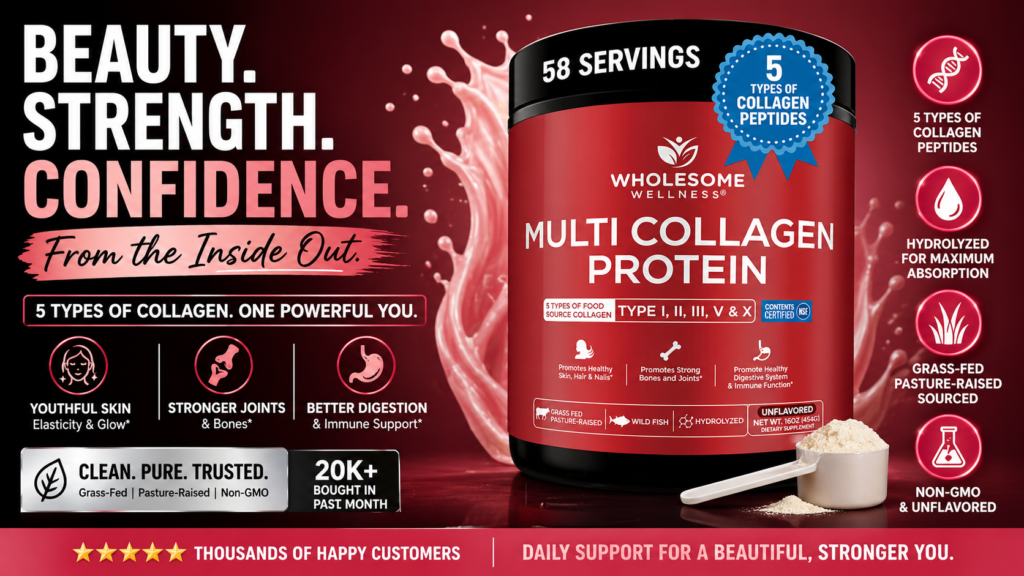
Why collagen matters specifically for gut lining integrity: Multi Collagen Peptides — The Gut Lining Supplement Nobody Talks About
Anti-Inflammatory Foods — Calming the Post-Antibiotic Gut
Antibiotic disruption produces a period of elevated gut inflammation as the immune system responds to the altered bacterial environment and temporarily increased permeability. Anti-inflammatory foods reduce this background inflammation and create a calmer gut environment in which beneficial bacteria can reestablish more effectively.
- Fatty fish — salmon, mackerel, sardines, herring. Omega-3 fatty acids EPA and DHA are the most potent dietary anti-inflammatory compounds available. Aim for three or more servings weekly during recovery.
- Turmeric — curcumin’s NF-κB inhibition directly reduces the gut inflammation that impedes tight junction recovery. Add to soups, curries, smoothies, or golden milk. Black pepper dramatically improves absorption — always combine them.
- Ginger — reduces gut inflammation and has prokinetic properties that support normal gut motility during recovery. Fresh ginger in hot water as tea, added to smoothies, or used in cooking.
- Berries — blueberries, raspberries, strawberries. Rich in polyphenols that act as prebiotics for beneficial bacteria alongside their anti-inflammatory effects.
- Extra virgin olive oil — oleocanthal has anti-inflammatory properties similar to ibuprofen but without the gut lining damage that NSAIDs cause. Use generously on vegetables and in cooking.
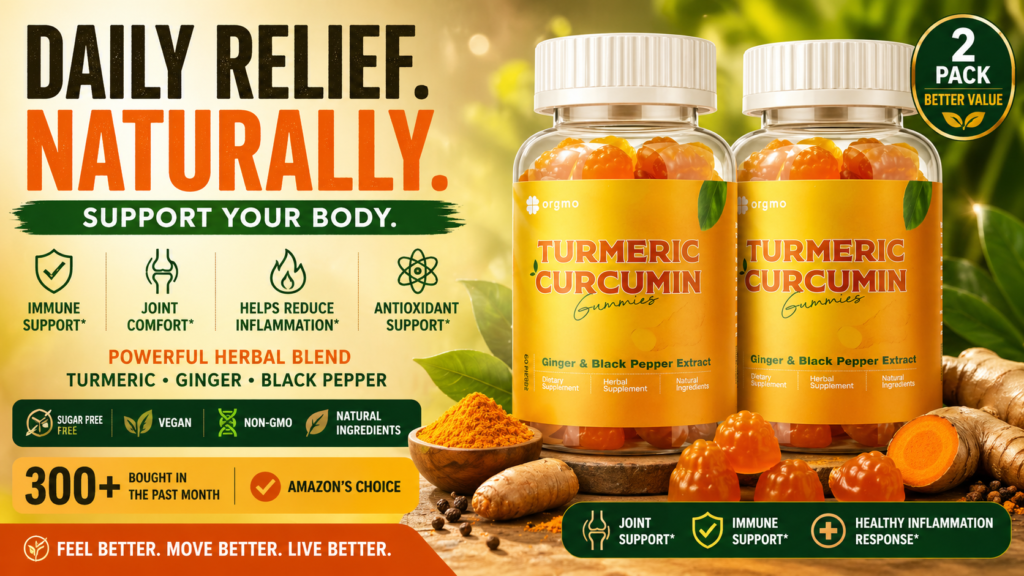
For consistent daily curcumin without the cooking — the bioavailability-enhanced format makes a real difference: Turmeric Curcumin Gummies — The Anti-Inflammatory Missing Piece in Your Gut Health Stack
Protein — Critical for Recovery and Gut Repair
Protein is the building material for gut lining cells, immune proteins, and the enzymes your gut uses to digest food. During infection and recovery your protein requirements increase — and many people eat less than normal when they’re ill, creating a deficit at exactly the time it matters most.
Prioritize easy-to-digest protein sources during the acute recovery period:
- Eggs — highly bioavailable, easy to digest, contain choline which supports gut lining integrity
- Poached or baked chicken and fish — lower fat than other preparations, easier on a recovering gut
- Greek yogurt — protein plus live cultures, the perfect post-antibiotic double-duty food
- Legumes — introduce gradually as your gut bacteria recover, they’re high in prebiotic fiber but can cause gas before the microbiome has rebuilt enough to handle them comfortably

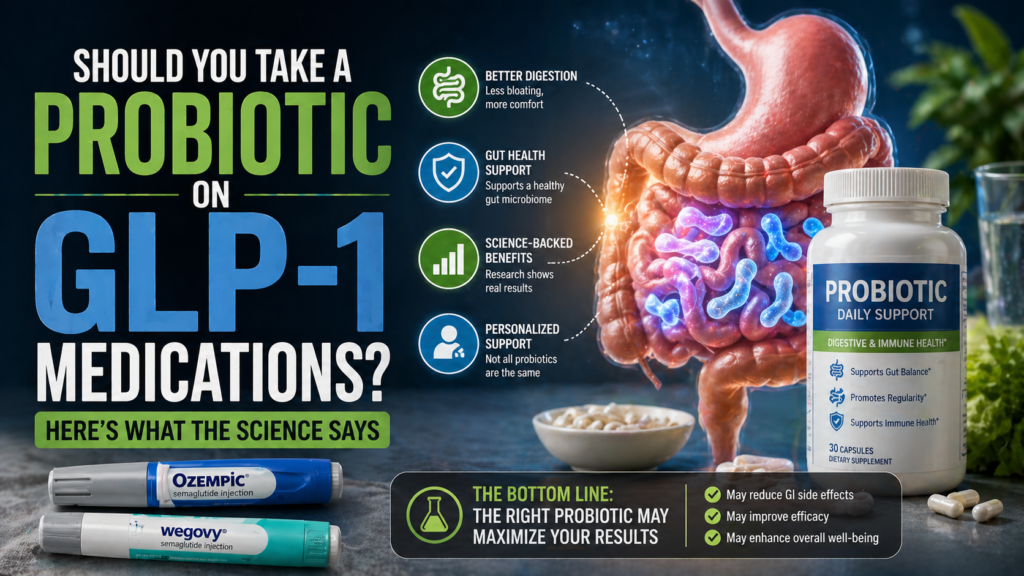

The Foods to Avoid During Post-Antibiotic Recovery
What you avoid matters as much as what you add. These inputs actively slow microbiome rebuilding and deserve deliberate reduction during your recovery window.
Sugar in all forms. Harmful bacteria and Candida thrive on sugar — and they’re competing for the ecological space antibiotics cleared in your gut. Many people experience Candida overgrowth symptoms after antibiotics precisely because the bacterial competition that normally keeps Candida in check has been eliminated. Reducing sugar during recovery directly reduces this harmful competition. The foods that damage your gut lining — sugar prominently among them — are particularly worth avoiding during this vulnerable period.
Alcohol. Alcohol disrupts the microbiome independently of antibiotics, reduces the effectiveness of probiotic recolonization, and damages the gut lining that’s already vulnerable. Eliminating or dramatically reducing alcohol during the 60 to 90 day recovery window meaningfully accelerates restoration.
Ultra-processed food. Starves beneficial bacteria of fiber, feeds harmful species, and contains emulsifiers that damage the gut lining. If there’s ever a time to prioritize whole food eating this is it.
NSAIDs — ibuprofen, aspirin, naproxen. These increase gut permeability directly by reducing prostaglandin production that maintains the gut mucosal barrier. On top of an already-vulnerable post-antibiotic gut lining, regular NSAID use significantly slows barrier recovery. Discuss alternatives with your doctor if you’re managing pain during recovery.
Very high-fiber foods introduced too quickly. Ironically, dramatically increasing fiber too fast post-antibiotics can cause significant gas and bloating — the recovering microbiome isn’t yet equipped to ferment large fiber loads efficiently. Build fiber gradually over the first two weeks rather than going from low to very high overnight.
A Sample Post-Antibiotic Recovery Day of Eating
Putting it all together practically:
Morning: Overnight oats with banana slices, a tablespoon of ground flaxseed, and a handful of berries. One cup of kefir or plain yogurt on the side. Collagen peptides stirred into your coffee. Seed DS-01 taken with breakfast. Psyllium husk capsules with a large glass of water.
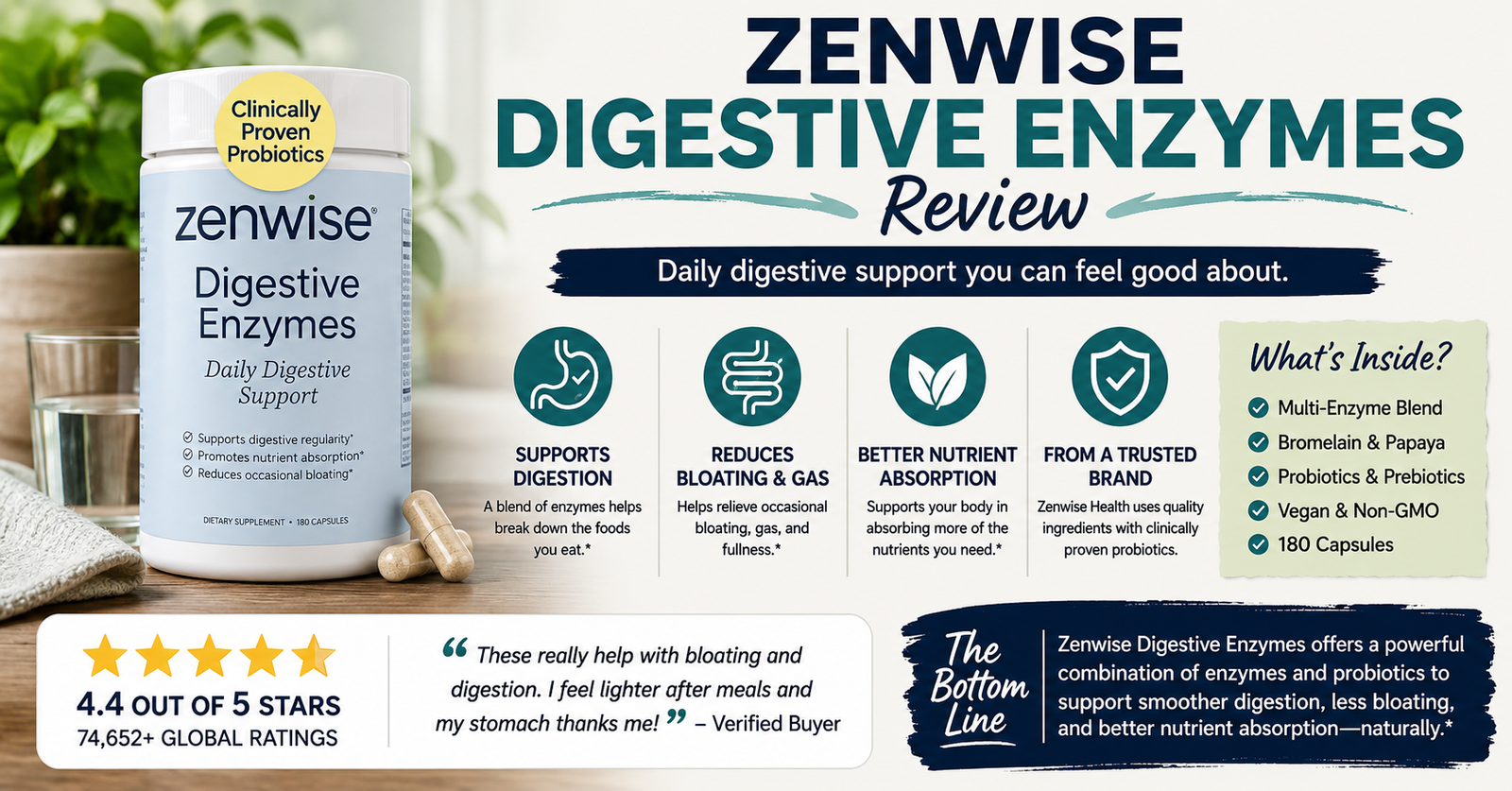
Lunch: Bone broth-based soup with chicken, garlic, onion, and asparagus. Slice of sourdough bread (the fermentation process makes it more gut-friendly than regular bread). Digestive enzymes before eating to reduce post-meal bloating during recovery.
Snack: Apple with almond butter. Small glass of kombucha.
Dinner: Baked salmon with a large serving of roasted vegetables including garlic and onions. Side of kimchi or sauerkraut. Turmeric and black pepper stirred into the vegetables or a golden milk before bed.
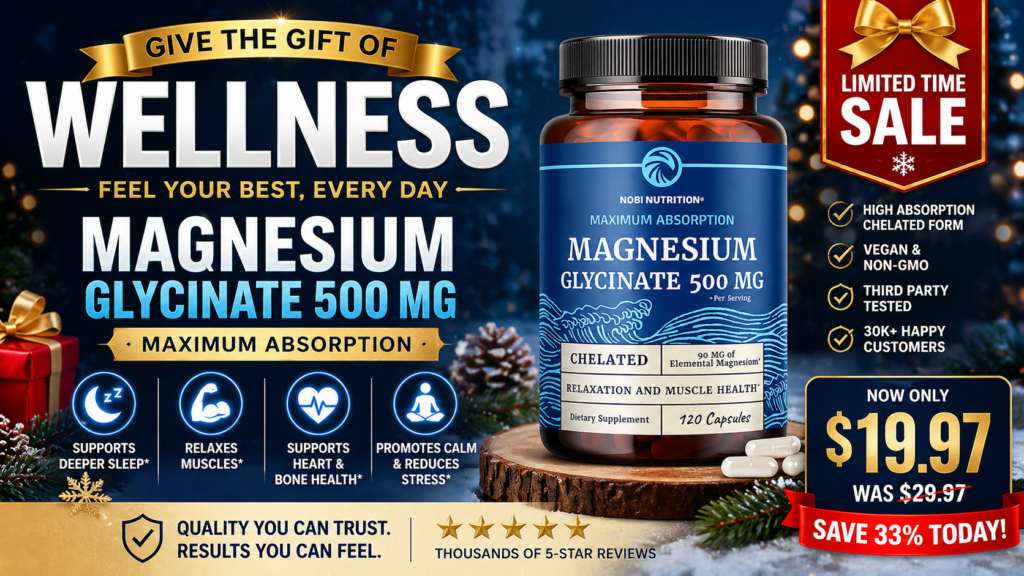
Evening: Magnesium glycinate 500mg if constipation is part of your recovery picture. Magnesium glycinate specifically — not oxide — for gentle overnight motility support.
How Long to Maintain This Recovery Diet
The full recovery window — 60 to 90 days post-antibiotics — is how long the research supports maintaining deliberate gut health focus. This doesn’t mean rigidly following the sample day above for three months. It means:
- Fermented foods daily throughout the window
- Prebiotic foods prioritized at every meal
- Sugar, alcohol, and ultra-processed food kept to genuine minimums
- Probiotic supplementation maintained consistently throughout
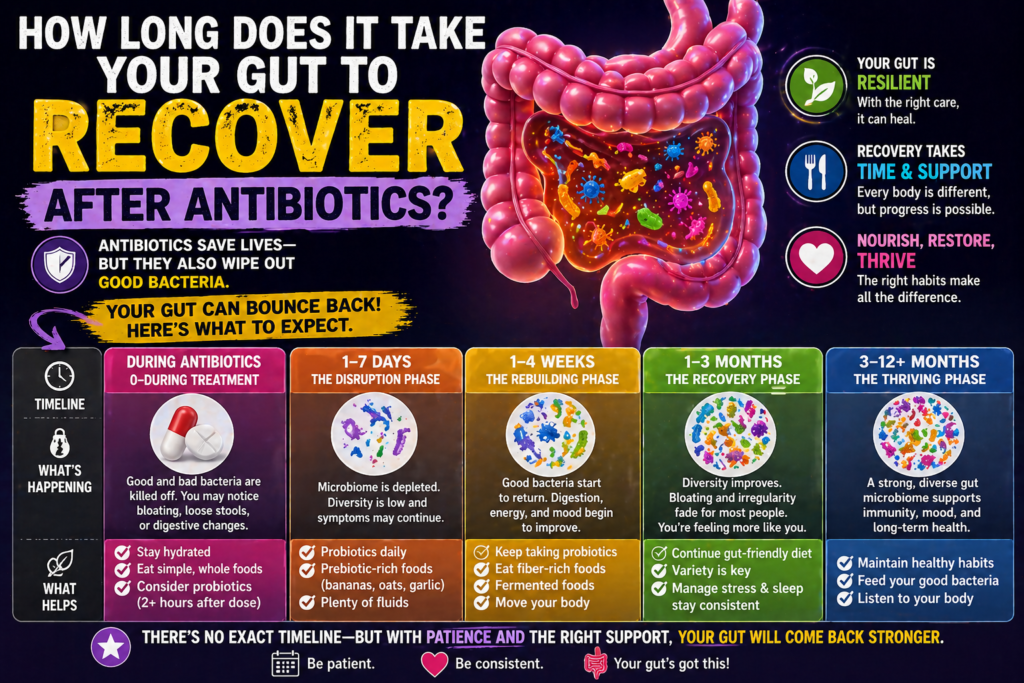
As your gut recovers — bowel habits normalizing, bloating reducing, energy improving — you’ll naturally become less sensitive to occasional dietary deviations. The recovery diet is most critical in the first 4 to 6 weeks and becomes progressively less strict as your microbiome rebuilds its resilience. The full antibiotic recovery timeline helps you understand what’s happening in your gut week by week so you know how strict to be at each stage.
Frequently Asked Questions
What is the best thing to eat after taking antibiotics?
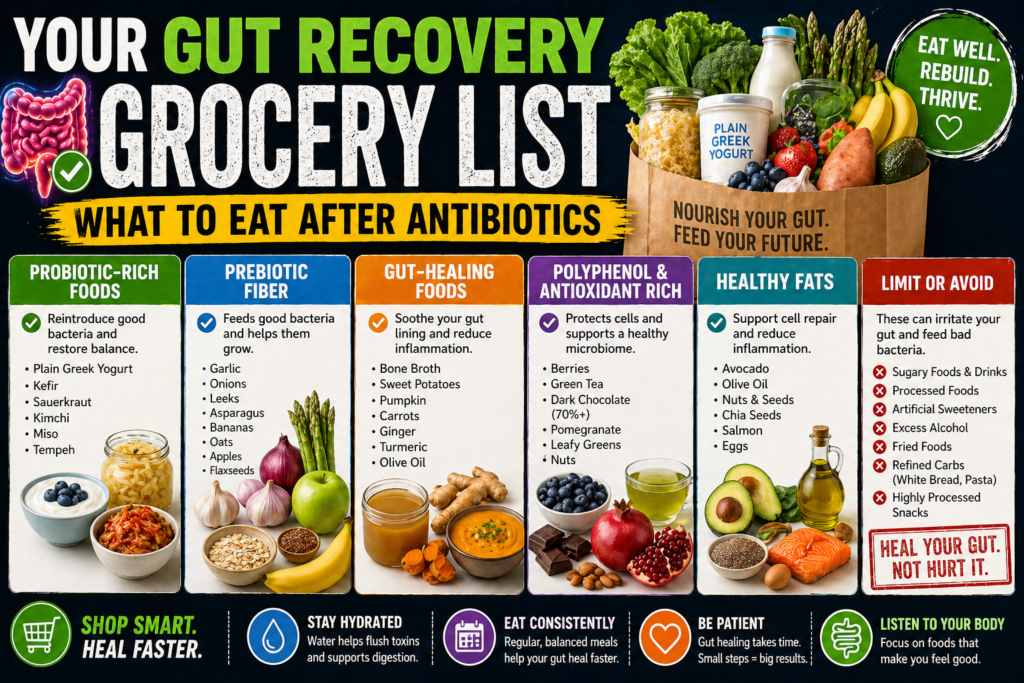
Fermented foods — particularly kefir and yogurt — are the most impactful single food addition post-antibiotics. Alongside these, prebiotic-rich foods like garlic, onions, asparagus, and oats feed the bacteria you’re reintroducing. Bone broth supports gut lining repair. The full recovery grocery list covers each category in detail.
How long should I eat a gut recovery diet after antibiotics?
60 to 90 days is the research-supported window for full microbiome recovery. The diet is most strict in the first 4 to 6 weeks — particularly eliminating sugar and alcohol and prioritizing fermented and prebiotic foods daily. The approach becomes less rigid as recovery progresses.
Should I eat yogurt after antibiotics?
Yes — plain yogurt with live cultures is one of the best post-antibiotic foods available. It provides both Lactobacillus bacteria and protein in a format that’s easy to digest during recovery. Choose full-fat plain yogurt and avoid brands with added sugar or artificial sweeteners.
What foods feed bad gut bacteria after antibiotics?
Sugar, refined carbohydrates, alcohol, and ultra-processed foods all feed the harmful bacterial species and Candida that compete for the ecological space antibiotics cleared. Reducing these during recovery gives beneficial bacteria the competitive advantage they need to recolonize effectively.
Is bone broth good for gut recovery after antibiotics?
Yes — bone broth is one of the best gut lining repair foods available. The glycine, proline, and gelatin from slow-simmered bones provide direct structural support for the tight junctions between intestinal cells that are more vulnerable post-antibiotics. One to two cups daily is ideal during the acute recovery period.
What probiotic should I take alongside this recovery diet?
A multi-strain synbiotic with both Lactobacillus and Bifidobacterium strains, acid-resistant delivery, and a prebiotic component. Seed DS-01 is our top recommendation. Read our full guide to the best probiotic after antibiotics here. 👉 Check the price on Amazon.
Your Cart, Your Recovery
The foods you choose in the weeks after antibiotics aren’t just nutrition — they’re medicine for a gut ecosystem that’s been disrupted and is actively rebuilding. Every serving of kefir introduces beneficial bacteria. Every piece of garlic feeds them. Every bowl of oats gives them substrate to multiply. Every piece of salmon reduces the inflammation that’s slowing their establishment.
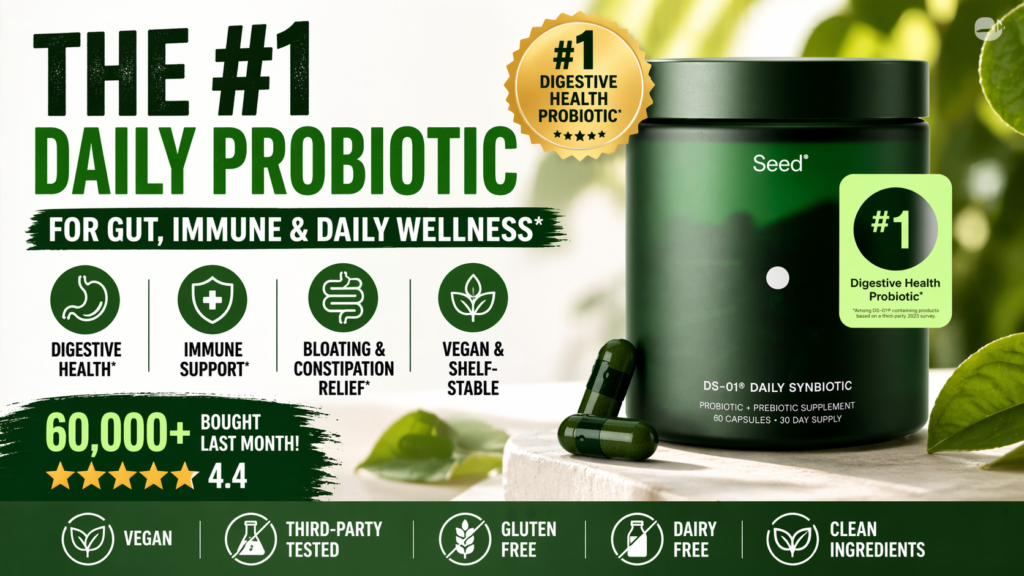
Combine this recovery diet with consistent daily probiotic supplementation — Seed DS-01 is where to start — and give your gut 90 days of deliberate support. The difference between an active recovery approach and passive waiting is measurable in both speed and completeness of the microbiome restoration your gut needs.
Complete your post-antibiotic recovery stack
👉 Seed DS-01 Daily Synbiotic — the probiotic foundation
👉 Psyllium Husk Capsules — prebiotic fiber and stool normalization
👉 Multi Collagen Peptides — gut lining structural support
👉 Zenwise Digestive Enzymes — reduce bloating while you rebuild
More from TummyCure:
- How Long Does Your Gut Take to Recover After Antibiotics?
- The Best Probiotic to Take After Antibiotics
- How to Restore Gut Bacteria After Antibiotics
- How Antibiotics Can Wreck Your Gut for a Year
- 10 Fermented Foods That Changed My Digestion
- Seed DS-01 — Full Review
- Can Leaky Gut Cause Anxiety and Depression?
- Foods That Cause Leaky Gut
- The Complete Gut Health Guide
- 8 Signs Your Gut Desperately Needs a Probiotic
About the Author
Rachel Donnelly is a certified nutritional health coach and gut health writer who spent years struggling with IBS and bloating before making digestive wellness her specialty. She writes for TummyCure with one goal: cut through the noise and tell you what actually works. When she’s not deep in microbiome research, she’s fermenting things in her kitchen and losing arguments with her husband about whether kombucha counts as a dessert.
As an Amazon Associate we earn from qualifying purchases through some links in our articles.