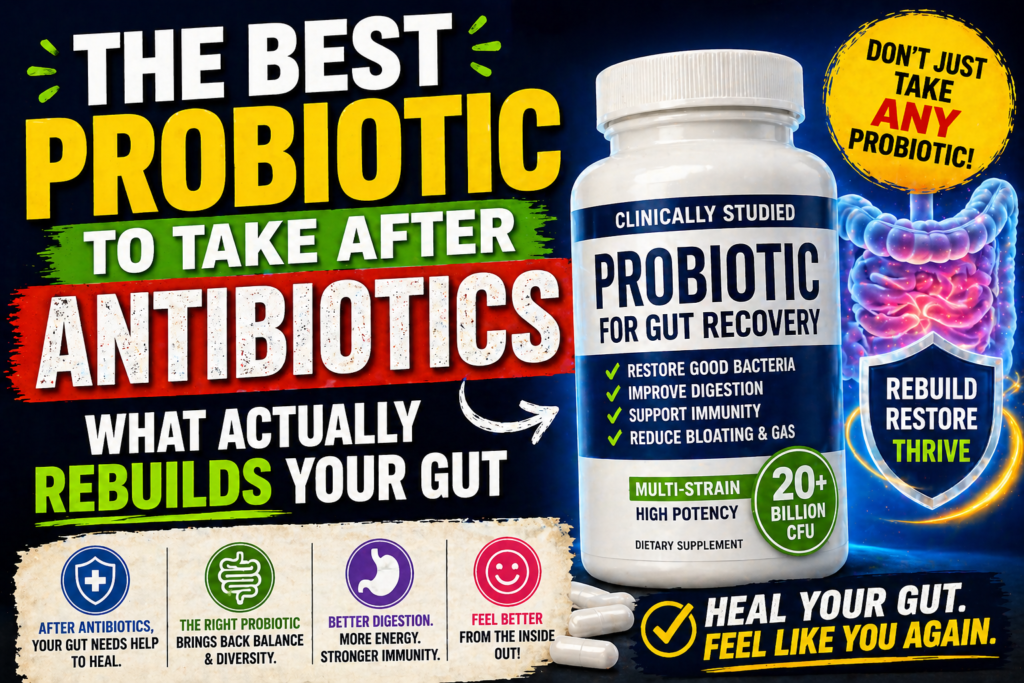
Not all probiotics rebuild your gut after antibiotics. Here’s exactly what to look for, which strains matter most, and why timing is everything.
The Probiotic You Take After Antibiotics Is One of the Most Important Gut Decisions You’ll Make
Your antibiotic course is done. The infection is cleared. And your gut is paying the price — bloating, loose stools, food sensitivities, fatigue, brain fog that won’t lift. These aren’t coincidental. They’re the documented consequences of a gut microbiome that’s lost 25 to 50% of its bacterial diversity in the space of a week.
Here’s what most people don’t know: the probiotic you choose right now — and when you start taking it — determines how quickly and how completely your gut recovers. A quality multi-strain synbiotic started during the antibiotic course and continued for 90 days produces measurably faster, more complete recovery than passive waiting or a cheap drugstore option. The research is clear on this.
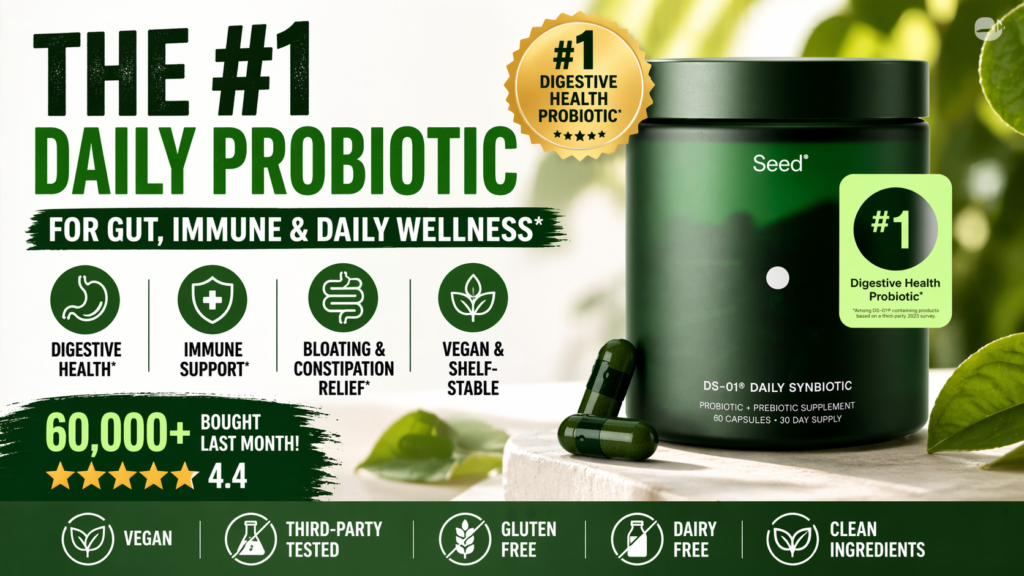
Our top recommendation for post-antibiotic gut recovery is Seed DS-01 Daily Synbiotic — 24 clinically studied strains, acid-resistant delivery, prebiotic included.
👉 Check the current price of Seed DS-01 on Amazon — and start your gut recovery today.
Here’s exactly why it matters, what to look for, and what to combine it with for fastest recovery.
Why Most Probiotics Fail After Antibiotics
The probiotic aisle is full of options that look impressive on the label and do very little in practice — especially after antibiotics, when your gut most needs effective intervention. Understanding why they fall short helps you understand what actually works.
They use unstudied strains. Lactobacillus acidophilus is a genus and species. NCFM is the strain designation — and strains within the same species have completely different properties and clinical evidence. Most cheap probiotics list genus and species with no strain designation, meaning you’re taking unstudied bacteria with no research supporting their effectiveness.
They die before reaching your intestines. Standard capsules dissolve in stomach acid. The majority of probiotic bacteria in most products never reach the intestines where they’re needed — they’re killed by gastric acid en route. After antibiotics you need bacteria that actually arrive.
They’re single or dual strain. Antibiotics disrupt multiple bacterial populations simultaneously. A one or two strain probiotic addresses a tiny fraction of the recovery need. Post-antibiotic recovery requires breadth — multiple Lactobacillus AND Bifidobacterium strains covering different aspects of gut function.
They don’t include a prebiotic. Bacteria introduced without food to sustain them largely pass through rather than colonizing. A synbiotic — probiotic plus prebiotic — gives bacteria what they need to establish and multiply in a gut that may be eating less during illness recovery.
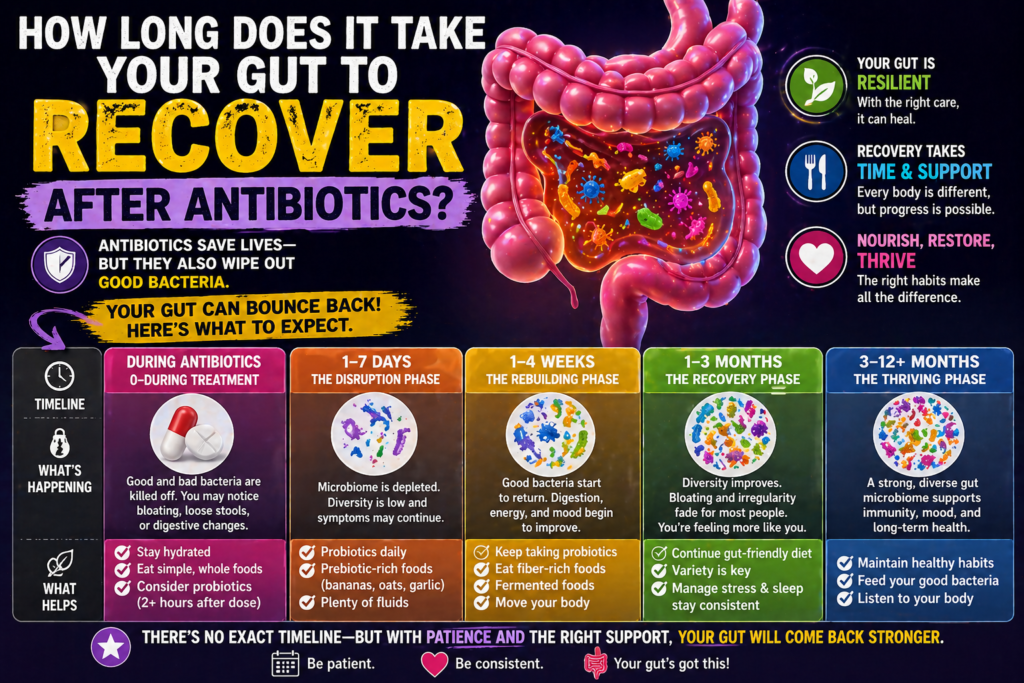
If you want to understand exactly how long full recovery actually takes and what’s happening in your gut week by week, read our pillar guide: How Long Does It Take Your Gut to Recover After Antibiotics?

The Strains That Matter Most for Post-Antibiotic Recovery
Not all probiotic strains are equally relevant to antibiotic recovery. Research points consistently to specific strains with the strongest evidence for this context.
Lactobacillus rhamnosus GG — the most studied probiotic strain in the world specifically for antibiotic-associated diarrhea. Multiple meta-analyses confirm it significantly reduces AAD incidence when taken alongside antibiotics. Non-negotiable in a post-antibiotic formula.
Bifidobacterium lactis and Bifidobacterium longum — the most important strains for longer-term recovery. Bifidobacterium species are the most persistently depleted by antibiotics and the most critical for gut lining health, immune function, and the gut-brain benefits that take weeks to months to develop. A probiotic without multiple Bifidobacterium strains is incomplete for post-antibiotic recovery.
Lactobacillus acidophilus NCFM — studied specifically for gut lining integrity support. Relevant for the increased gut permeability that antibiotic disruption produces — the mechanism behind the food sensitivities that commonly develop or worsen after antibiotics. Why gut permeability affects so much more than just digestion explains why this matters beyond just stomach comfort.
Our Top Pick: Seed DS-01 Daily Synbiotic
For post-antibiotic gut recovery, Seed DS-01 is the most comprehensively appropriate product available. Every element of its design addresses a specific post-antibiotic recovery need.
The 24-strain formula includes multiple clinically studied Lactobacillus and Bifidobacterium strains — covering both the fast-recovering and slow-recovering bacterial populations simultaneously. The nested two-capsule design delivers both probiotic bacteria and prebiotic food source to the intestines intact — the outer capsule is Indian pomegranate fiber that protects and feeds the inner probiotic capsule through the stomach’s acid environment. It’s shelf stable, vegan, and the research behind each included strain is fully published and transparent.
The prebiotic inclusion is particularly valuable post-antibiotics. When you’re recovering from illness and eating less than normal, your gut bacteria are getting less natural fiber from food. Seed’s built-in prebiotic fills that gap — bacteria arrive with their food source, not dependent on what you’re managing to eat during recovery.
Ready to start your gut recovery?
Seed DS-01 — 24 clinically studied strains, acid-resistant delivery, prebiotic included. Start during your antibiotic course, continue for 90 days after.
👉 Check the current price of Seed DS-01 on Amazon
We spent 90 days testing it ourselves and documented everything: Seed DS-01 Review — Is It Actually Worth $50 a Month?
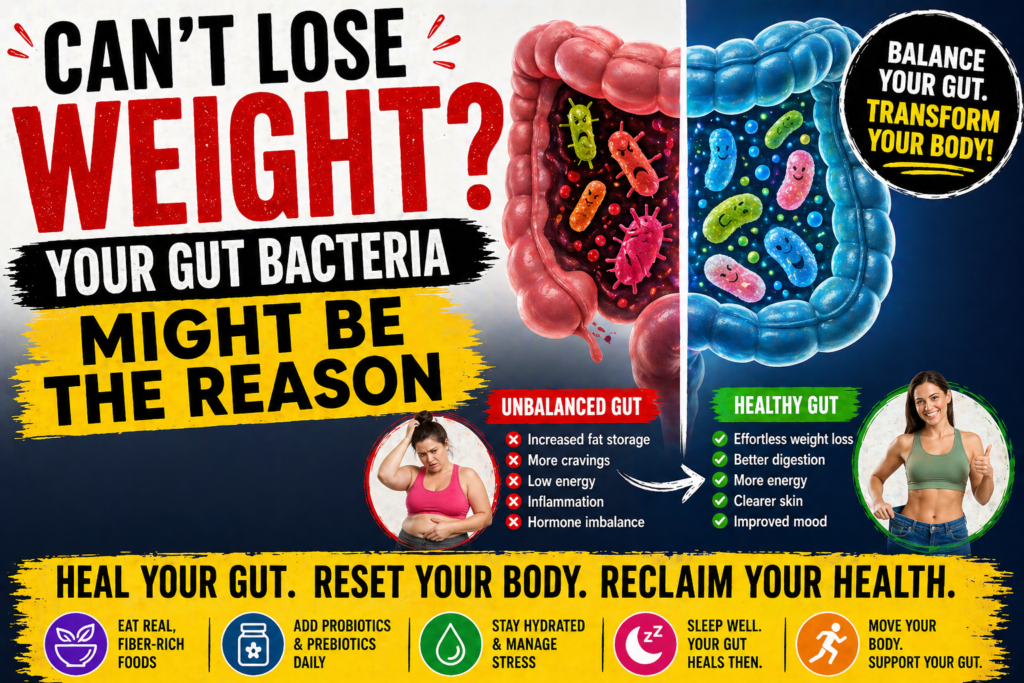

The Most Important Timing Rule — Start During the Course, Not After
This is the single most impactful thing most people get wrong. The instinct is to wait until the antibiotic course is finished before starting a probiotic — the logic being that the antibiotic will just kill the probiotic bacteria anyway.
The research says otherwise. Starting probiotics during the antibiotic course — spaced at least two hours from each antibiotic dose — produces significantly better outcomes than waiting. The probiotic doesn’t prevent antibiotic disruption entirely, but it reduces severity and provides a bacterial foundation that accelerates recovery from day one rather than starting from scratch after the course ends.
Space the probiotic at least two hours away from your antibiotic dose. Take your antibiotic at 8am and 8pm — take your probiotic at 10am or 2pm. The goal is to give the probiotic bacteria time to reach and establish in the intestines before the next antibiotic dose arrives.
After finishing the antibiotic, continue daily for a minimum of 60 to 90 days. This is the timeline backed by research for meaningful Bifidobacterium recovery — the bacterial populations most critical for long-term gut health and most persistently depleted by antibiotics. Stopping at two weeks because you feel better leaves the job unfinished.
What to Combine With Your Probiotic for Fastest Recovery
A probiotic is the foundation — but post-antibiotic recovery works best as a multi-pronged approach. These additions produce meaningfully faster and more complete restoration.
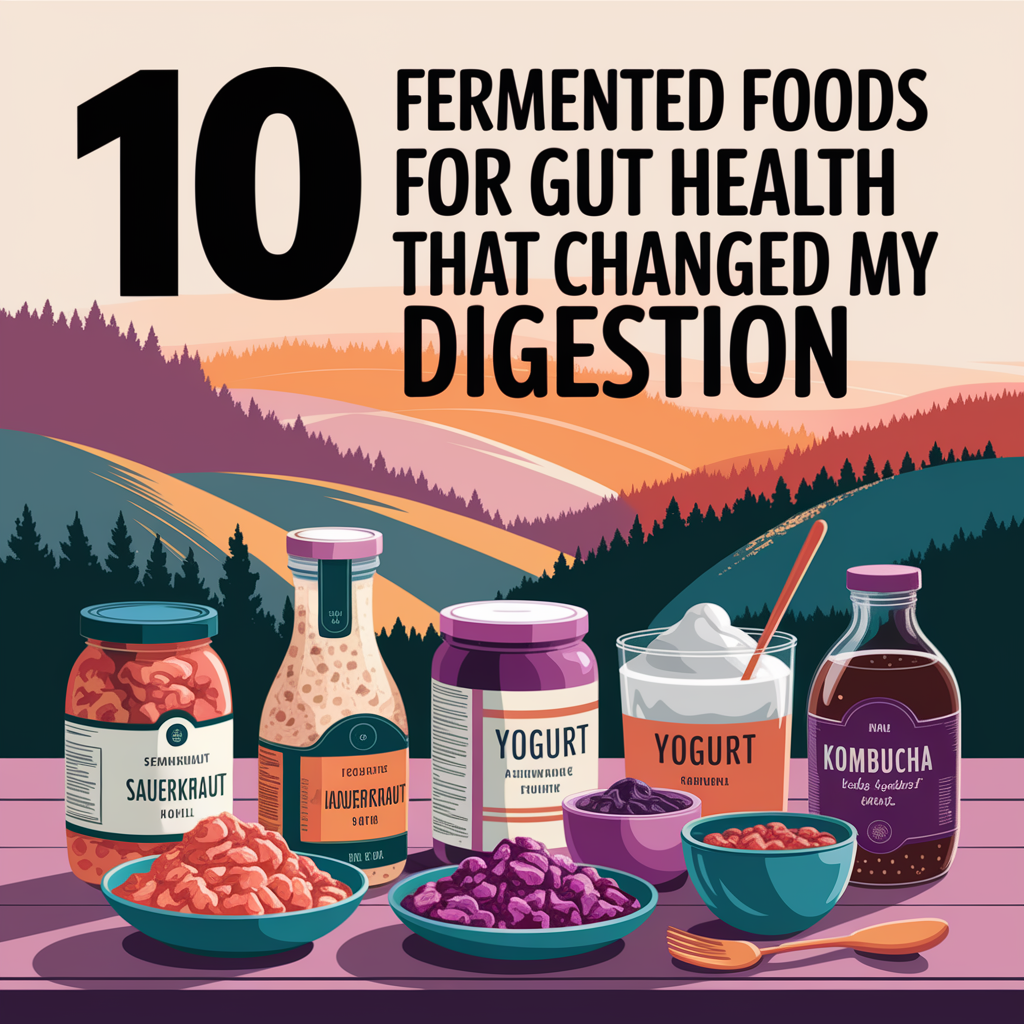
Fermented foods every single day. Yogurt, kefir, sauerkraut, kimchi, miso, kombucha — natural bacterial diversity that supplements alone can’t replicate. A landmark Stanford study found high fermented food intake produced greater microbiome diversity gains than high fiber intake alone. Post-antibiotics this matters more than at any other time. The fermented foods that make the biggest difference for gut recovery gives you the practical list.
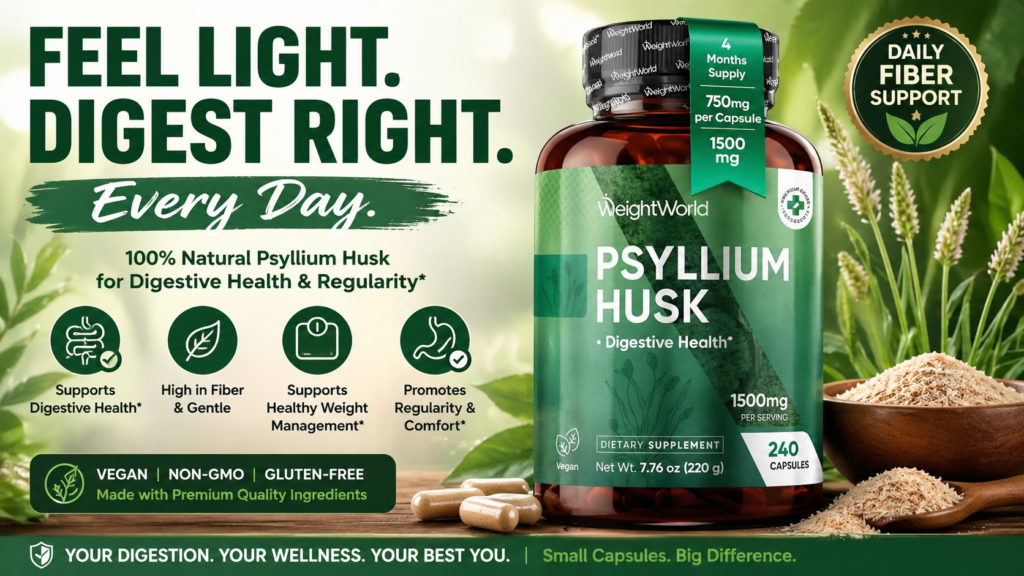
Psyllium husk capsules daily. Prebiotic fiber feeds the recovering bacteria. Soluble fiber normalizes the bowel disruption — whether diarrhea or constipation — that frequently follows antibiotics. Psyllium husk capsules taken daily with a large glass of water address both simultaneously — they’re one of the most evidence-backed fiber supplements available and one of the best value additions to a post-antibiotic protocol.
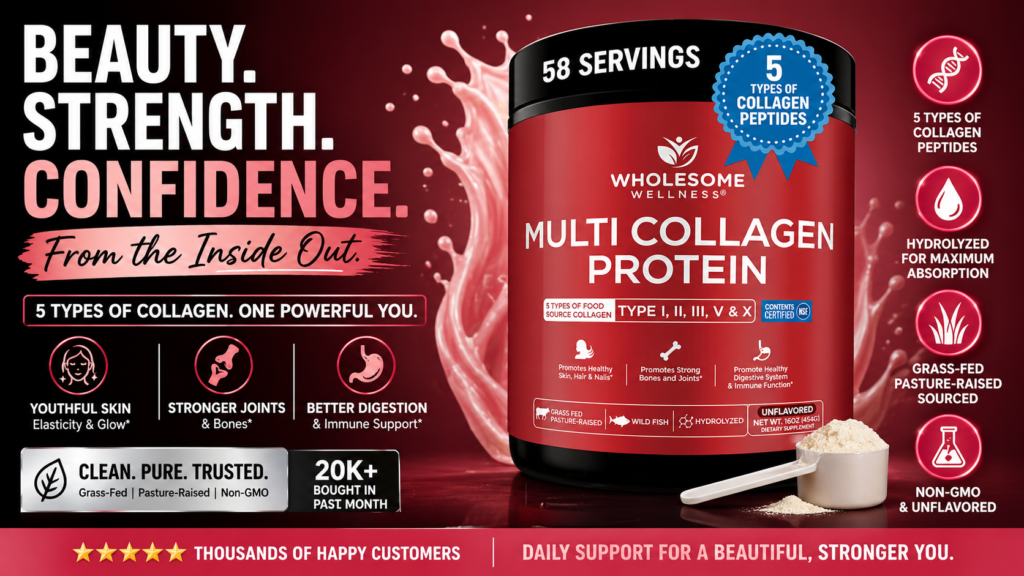
Multi collagen peptides in your morning drink. The gut lining is more vulnerable after antibiotics — beneficial bacteria that maintain tight junction integrity are depleted, temporarily increasing permeability. Collagen peptides provide the structural proteins the gut lining uses to rebuild. Why collagen matters for gut lining recovery explains the mechanism in detail.
Digestive enzymes with every meal during the acute recovery period. While the microbiome is disrupted and digestion is compromised, enzyme support reduces the post-meal bloating and gas that makes the post-antibiotic period so uncomfortable. Zenwise Digestive Enzymes with every meal provides comprehensive enzymatic support during recovery.
Speed up your post-antibiotic gut recovery
Zenwise Digestive Enzymes — comprehensive multi-enzyme blend with probiotic and prebiotic included. Take with every meal during your recovery window to reduce bloating and gas while your microbiome rebuilds.

👉 Check the current price of Zenwise on Amazon
The Foods That Slow Your Recovery — Avoid These
What you eat during post-antibiotic recovery directly affects how quickly your microbiome rebuilds. These inputs actively work against you during the recovery window.
Sugar and high-fructose corn syrup feed Candida and harmful bacteria that proliferate in the ecological space antibiotics cleared. Many people experience Candida overgrowth symptoms after antibiotics — sugar makes this significantly worse and directly impedes beneficial bacterial recolonization.
Alcohol disrupts the microbiome independently of antibiotics and reduces the effectiveness of probiotic recolonization. Minimizing or eliminating alcohol during the 60 to 90 day recovery window meaningfully accelerates restoration.
Ultra-processed food starves beneficial bacteria of fiber, feeds harmful species with sugar and refined carbohydrates, and contains emulsifiers that damage the gut lining that’s already vulnerable post-antibiotics. The foods that damage your gut lining are particularly relevant to avoid during this recovery period.
Another antibiotic course if avoidable. Discuss with your doctor whether any subsequent antibiotic course is truly necessary — repeat courses within a short window produce cumulative microbiome damage that takes significantly longer to recover from.
Managing the Most Common Post-Antibiotic Symptoms
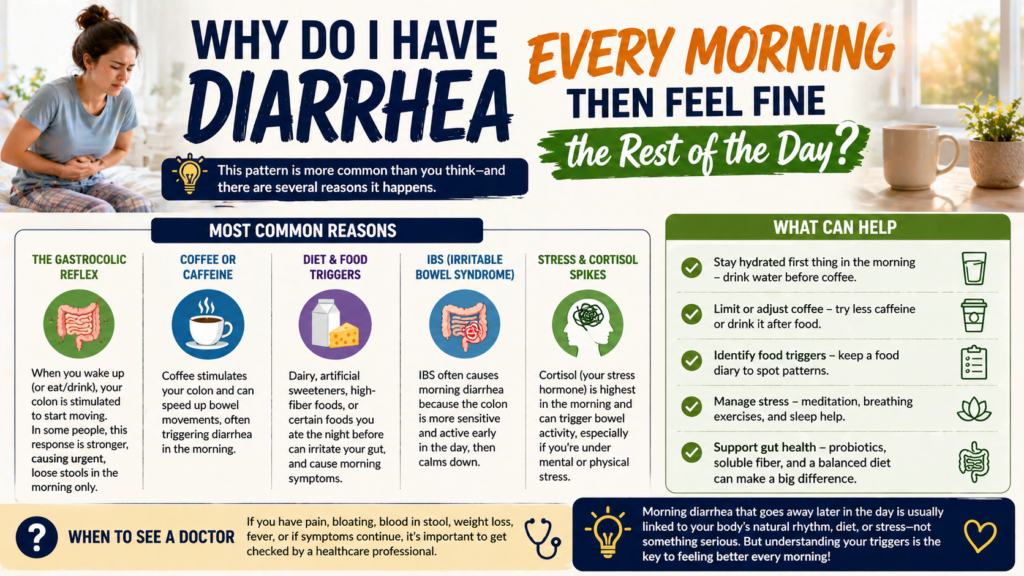
Diarrhea is the most common acute symptom and typically resolves within 1 to 2 weeks of finishing the course. If it’s severe, watery, or accompanied by fever and significant cramping — this needs medical evaluation to rule out C. diff, particularly if you took clindamycin, ciprofloxacin, or a broad-spectrum antibiotic. Persistent morning diarrhea specifically has additional mechanisms worth understanding.
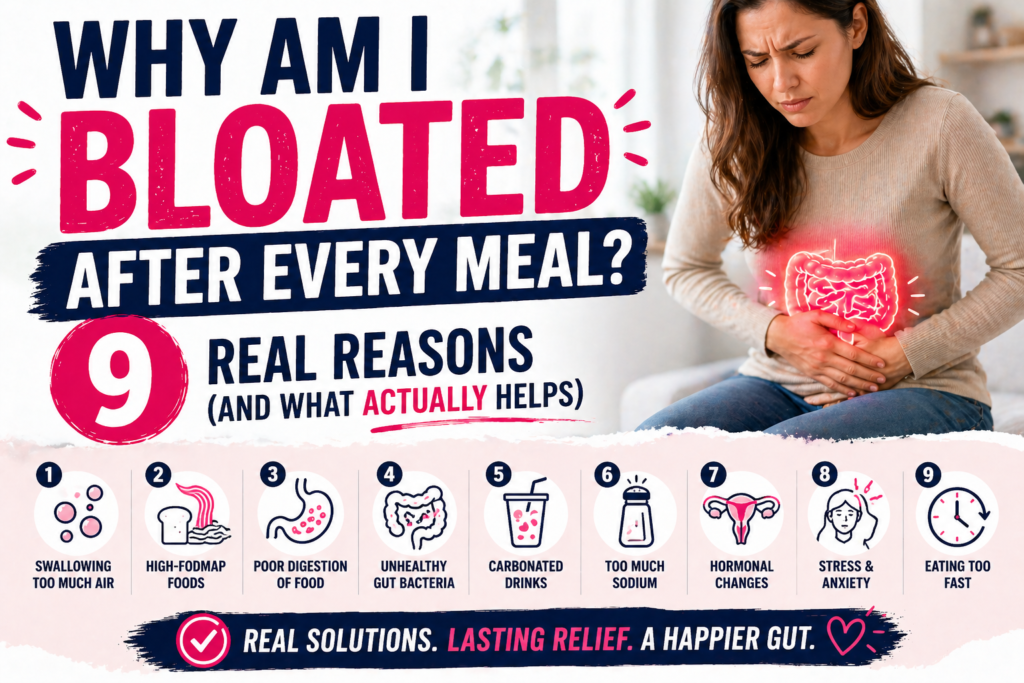
Bloating and gas typically peak in the first two weeks and gradually improve as the microbiome rebuilds. Digestive enzymes with meals and reducing high-FODMAP foods during the acute period produces the fastest improvement. Why post-antibiotic bloating happens and what drives it connects to the same fermentation mechanisms as general post-meal bloating.
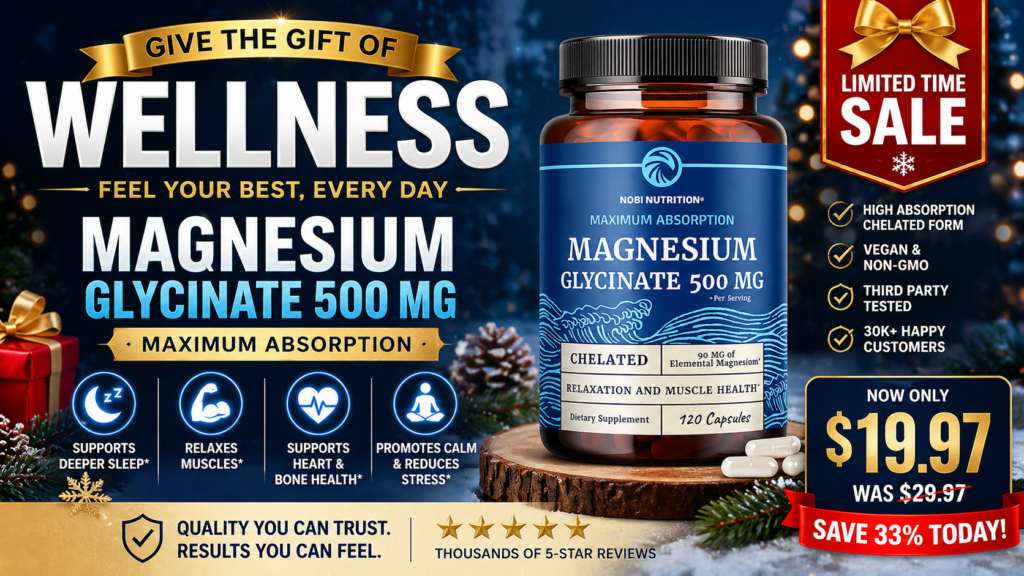
Constipation affects some people post-antibiotics — particularly after certain antibiotic types. Magnesium glycinate in the evening provides gentle motility support without urgency. Magnesium glycinate 500mg before bed is the gentlest and most appropriate daily option for this specific type of constipation.
Brain fog and fatigue reflect both the infection recovery and the gut-brain axis consequences of microbiome disruption. Gut bacteria produce a significant portion of your body’s serotonin and communicate with your brain through the vagus nerve — depleted bacterial populations produce measurably less of both. How gut disruption directly affects mental clarity and mood covers the mechanism — and the gut recovery protocol addresses these systemic symptoms as the microbiome rebuilds over 4 to 8 weeks.
New food sensitivities typically reflect temporarily increased gut permeability during recovery. These usually normalize as the microbiome rebuilds and gut barrier function is restored — collagen support alongside probiotic supplementation accelerates this specifically. The complete gut health guide covers how all the recovery pieces fit together.


The Complete Post-Antibiotic Recovery Protocol
Everything in one place — the daily protocol that covers every dimension of post-antibiotic gut recovery:
- Seed DS-01 — daily from day one of your antibiotic course through 90 days after finishing. The foundational microbiome rebuilding tool. Space at least 2 hours from antibiotic doses. 👉 Amazon price here.
- Zenwise Digestive Enzymes — with every meal during the acute recovery period (first 4 to 6 weeks). Reduces bloating and gas while the microbiome rebuilds. 👉 Amazon price here.
- Psyllium husk capsules — daily with a large glass of water. Prebiotic fiber for rebuilding bacteria and stool normalization.
- Multi collagen peptides — daily in morning drink. Gut lining structural support during the vulnerability window.
- Fermented foods — daily. Natural bacterial diversity that supplements alone don’t replicate.
- Magnesium glycinate 500mg — evening, if constipation is present. Gentle motility support.
Frequently Asked Questions
What is the best probiotic to take after antibiotics?
A multi-strain synbiotic with both Lactobacillus and Bifidobacterium strains, acid-resistant delivery, and a prebiotic component. Seed DS-01 meets every criterion and is our top recommendation for post-antibiotic recovery. Read our full Seed DS-01 review here. 👉 Check the price on Amazon.
Should I take a probiotic during or after antibiotics?
During — start with the antibiotic course, spaced at least two hours from each dose. Research consistently shows better outcomes when probiotics are started during the course rather than waiting until it’s finished.
How long should I take a probiotic after antibiotics?
Minimum 60 to 90 days after finishing the course. This is the timeline research supports for meaningful Bifidobacterium recovery — the bacterial populations most critical for long-term gut health and most persistently depleted by antibiotics. Most people stop far too early. The full antibiotic recovery timeline explains why 90 days is the right target.
Can a probiotic prevent antibiotic-associated diarrhea?
Yes — Lactobacillus rhamnosus GG has the strongest clinical evidence for reducing antibiotic-associated diarrhea. Saccharomyces boulardii has strong evidence for C. diff prevention specifically. A multi-strain product covering both Lactobacillus strains and Bifidobacterium provides the broadest protection.
Do I need a probiotic after a short antibiotic course?
Even a 3-day course produces measurable microbiome disruption. Shorter courses produce less severe disruption but active support is still worthwhile — particularly the dietary approaches even if you choose a briefer supplementation window.
Why does my stomach still hurt weeks after antibiotics?
Post-antibiotic gut disruption takes longer to fully resolve than most people expect. Persistent symptoms weeks after finishing indicate incomplete microbiome recovery — particularly Bifidobacterium species that are slower to rebuild. Consistent probiotic use, fermented foods, and prebiotic fiber are the most effective interventions at any point post-antibiotics.
Give Your Gut the Best Possible Tools for Rebuilding
Your gut microbiome built itself over a lifetime. Antibiotics disrupted it in days. The difference between fast, complete recovery and months of ongoing gut dysfunction is almost entirely determined by whether you actively support the rebuilding — and which tools you use to do it.
Start Seed DS-01 today — ideally during your antibiotic course if you haven’t finished it yet, or right now if you have. Continue for 90 days. Add the dietary and supplement support above. And give your gut the time and tools it needs to rebuild properly.
Start your gut recovery right now
Seed DS-01 — 24 clinically studied strains, prebiotic included, acid-resistant delivery. The most comprehensively appropriate probiotic for post-antibiotic gut recovery available.
👉 Check the current price of Seed DS-01 on Amazon
More from TummyCure:
- How Long Does Your Gut Take to Recover After Antibiotics?
- How to Restore Gut Bacteria After Antibiotics
- How Antibiotics Can Wreck Your Gut for a Year
- Seed DS-01 — Full Review
- Probiotic vs Synbiotic — What’s the Difference?
- Zenwise Digestive Enzymes — Full Review
- 10 Fermented Foods That Changed My Digestion
- Can Leaky Gut Cause Anxiety and Depression?
- The Complete Gut Health Guide
- 8 Signs Your Gut Desperately Needs a Probiotic
About the Author
Rachel Donnelly is a certified nutritional health coach and gut health writer who spent years struggling with IBS and bloating before making digestive wellness her specialty. She writes for TummyCure with one goal: cut through the noise and tell you what actually works. When she’s not deep in microbiome research, she’s fermenting things in her kitchen and losing arguments with her husband about whether kombucha counts as a dessert.
As an Amazon Associate we earn from qualifying purchases through some links in our articles.