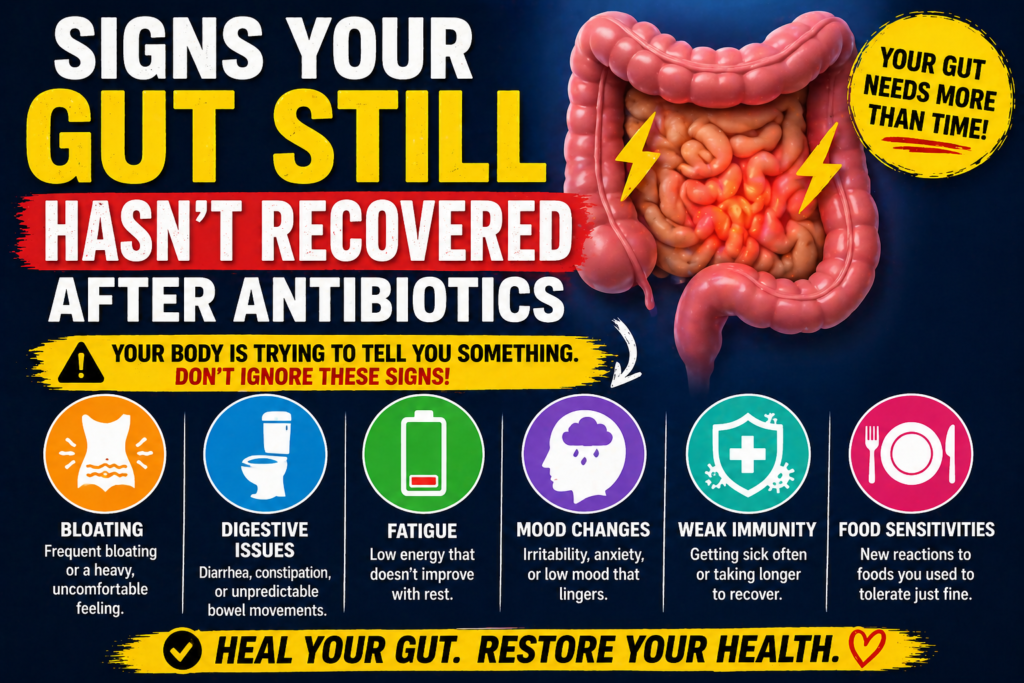

Stomach pain on Ozempic is extremely common — but most people don’t know exactly why it happens or what to do about it. Here’s the full explanation and a practical protocol that works.
You Found a Medication That Finally Works — So Why Does Your Stomach Feel Like This?
You’re losing weight. The appetite suppression is real. The scale is moving in a direction it hasn’t moved in years. And your stomach hurts almost constantly.
Stomach pain on Ozempic — and other GLP-1 medications like Wegovy, Mounjaro, and Rybelsus — is one of the most commonly reported side effects and one of the most common reasons people consider stopping a medication that’s otherwise working exactly as it should. Before you stop, it’s worth understanding exactly why your stomach hurts and what you can actually do about it — because most of the pain is both predictable and manageable once you understand the mechanism.
The Core Reason — Your Stomach Is Moving Too Slowly
Ozempic works by mimicking GLP-1 — a hormone that among other things, dramatically slows gastric emptying. Your stomach normally empties its contents into the small intestine at a controlled rate. On semaglutide, that rate slows significantly — sometimes by 30 to 50% compared to normal.
That slowed emptying is the mechanism that makes you feel full so quickly and stay full so long. It’s working as intended. But a stomach that’s holding food for significantly longer than normal is a stomach under mechanical stress — stretched beyond its normal working state for extended periods, producing acid against food that isn’t moving on, and generating the visceral discomfort that you’re experiencing as stomach pain.
The pain is most commonly felt as a dull, heavy, pressure-like ache in the upper center or upper left abdomen — the area that corresponds to your stomach. It typically worsens after eating — particularly after larger meals or fatty foods — and improves as the stomach eventually empties over the following hours.

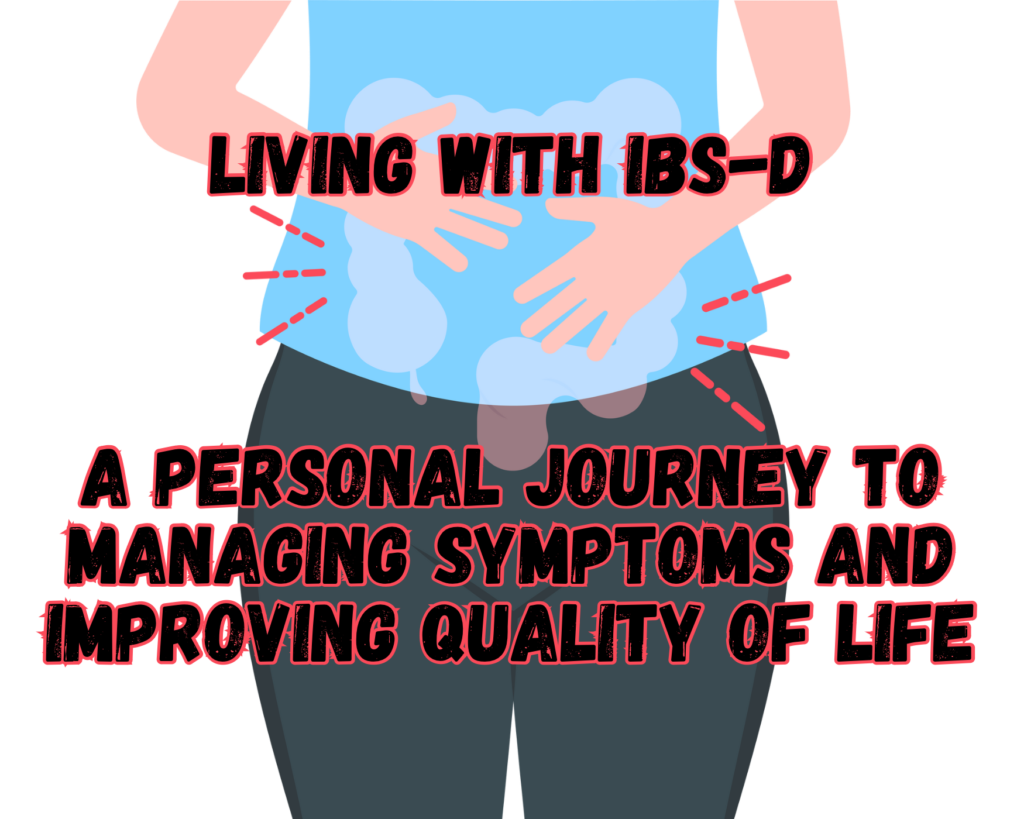
The Different Types of Ozempic Stomach Pain — And What Each Means
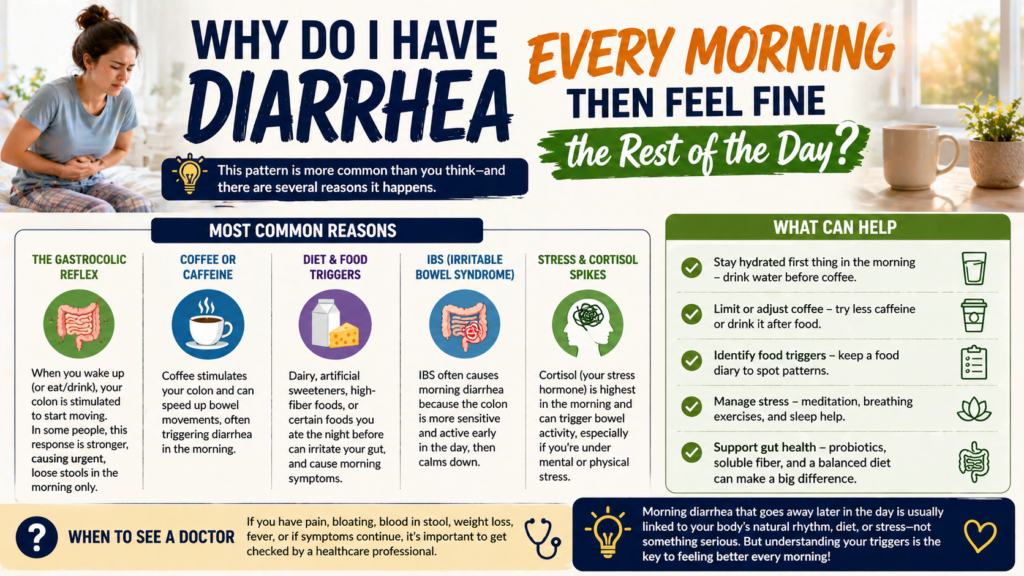
Not all stomach pain on Ozempic has the same cause, and understanding which type you’re experiencing helps identify what to do about it.
Upper abdominal pressure and fullness after eating — this is the most common pattern and is directly caused by delayed gastric emptying. Your stomach is holding food longer than normal and the stretch receptors in the stomach wall are firing fullness and discomfort signals continuously. Eating smaller meals is the most direct solution — a stomach that isn’t overloaded handles the delayed emptying with significantly less discomfort.

Cramping in the mid to lower abdomen — this is more likely colonic in origin. GLP-1 medications alter gut motility throughout the digestive tract, not just in the stomach. Colonic spasm and altered motility produce cramping that’s felt lower down and is often accompanied by urgency, gas, or the need for a bowel movement. Digestive enzyme supplementation reduces the undigested food reaching your colon that triggers bacterial fermentation and cramping. Zenwise Digestive Enzymes taken with every meal directly addresses this mechanism. 👉 Check the price on Amazon.
Burning or gnawing upper abdominal pain — this suggests an acid component. Slowed gastric emptying means more acid-containing stomach contents sitting in your stomach and lower esophagus for longer periods. If the pain has a burning quality and is accompanied by heartburn or sour taste, acid reflux is the dominant mechanism. Managing acid reflux on GLP-1 medications requires the same interventions as reflux generally — small meals, no eating close to bed, staying upright after eating — but with extra attention to meal sizes given how slowly your stomach empties.
Severe upper abdominal pain radiating to the back — this pattern specifically warrants medical attention. While rare, GLP-1 medications carry a small increased risk of pancreatitis — inflammation of the pancreas — which produces exactly this type of severe, persistent upper abdominal pain that may radiate to the back, often accompanied by nausea and vomiting. If your pain fits this description, contact your prescriber or seek medical evaluation rather than self-treating.
Why Fatty Foods Make It So Much Worse
If you’ve noticed your stomach pain is dramatically worse after fatty or greasy meals — there’s a specific reason. Fat is the macronutrient that most powerfully stimulates GLP-1 receptor activation and most strongly amplifies gastric emptying delay. A fatty meal on top of an already significantly slowed stomach creates a compounding effect — the fat slows emptying further, the stomach stays fuller longer, and the pain is significantly worse than after a lower-fat meal of the same size.
This is why the dietary advice for GLP-1 stomach pain consistently emphasizes reducing fat intake — particularly during the early weeks and after dose increases when the stomach-slowing effect is most pronounced. Lower-fat meals don’t eliminate the gastric emptying delay but they prevent the dietary amplification that turns manageable discomfort into significant pain.
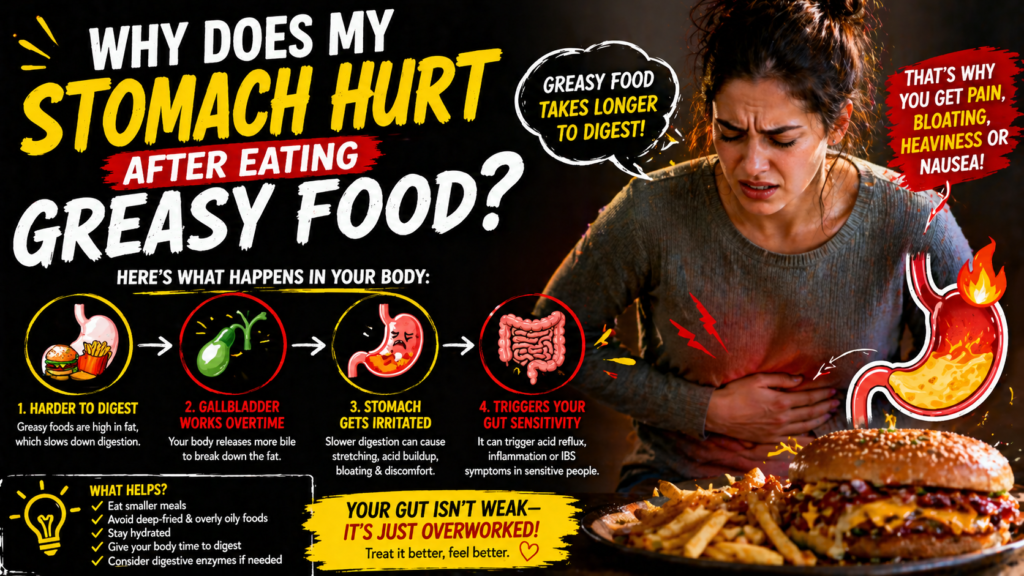
Why greasy food specifically causes more stomach pain goes deeper into this mechanism and is directly relevant to the GLP-1 experience.
The Dose Timing Connection
For injection users — weekly subcutaneous injection — stomach pain often follows a predictable weekly pattern. Pain and nausea are typically worst in the first 24–48 hours after injection when blood levels of semaglutide are peaking, then gradually ease through the week as levels decline toward the next injection.
Understanding this pattern is practically useful. Planning lighter, lower-fat eating on the days immediately following injection — when stomach pain is most likely to be at its worst — and eating more normally as the week progresses gives you a roadmap for managing the weekly cycle rather than being ambushed by it.
For oral semaglutide users, the pattern is less predictable because oral absorption varies more — but eating lightly on days when stomach pain is more pronounced and more normally on better days is the same practical approach.
Why the Pain Is Often Worse at the Start and After Dose Increases
Most people experience the worst stomach pain during the dose titration phase of GLP-1 treatment — particularly in the first 4–8 weeks of a new dose. As the body adapts to the medication at a given dose, the gut effects moderate and pain typically reduces.
This adaptation is real and clinically documented — the same dose that caused significant stomach pain in week one is usually much more tolerable by week six. This is why the dose escalation schedules for GLP-1 medications are designed to go slowly — each dose increase is given several weeks for the body to adapt before moving to the next level.
If your prescriber is escalating your dose and stomach pain is severe, requesting a slower titration schedule is a legitimate clinical option. Staying at a lower dose for longer before increasing is preferable to stopping the medication entirely — the dose escalation timeline is a guide, not a rigid protocol that must be followed regardless of side effects.
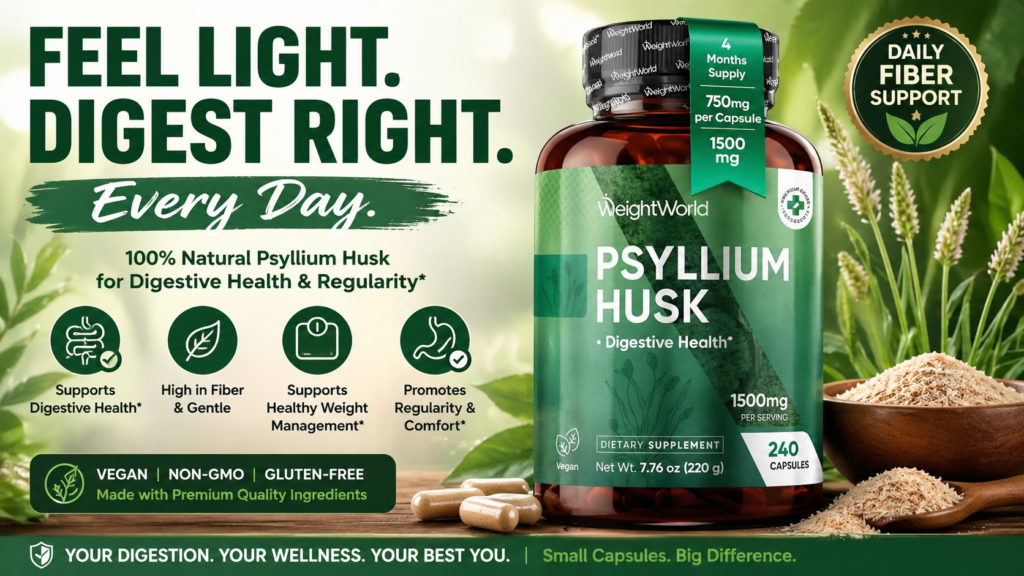
What Actually Helps — The Practical Protocol
Eat smaller meals — always, not just when you feel bad. This is the single most impactful thing you can do. A stomach that’s never overloaded handles delayed emptying with dramatically less pain. Think half your normal portion size, more frequently through the day. Stop eating well before fullness — on GLP-1 medications, by the time you feel full you’ve likely already eaten more than your slowed stomach can comfortably process.
Reduce fat intake during peak pain periods. After each dose increase and in the first weeks of treatment, keeping meals low in fat dramatically reduces the compounding effect of dietary fat on gastric emptying delay. This doesn’t have to be permanent — it’s a strategy for the most symptomatic periods.
Take digestive enzymes with every meal. Supporting the digestive breakdown process compensates for the disrupted enzyme timing that GLP-1 medications produce. Less undigested food in your gut means less colonic cramping and bloating alongside the stomach pain. Zenwise Digestive Enzymes — one capsule at the start of every meal. 👉 Check the price on Amazon.
Stay upright after eating for at least two hours. Gravity assists gastric emptying. Lying down immediately after eating on a stomach that empties slowly significantly increases reflux and pain duration.
Ginger for acute nausea and stomach discomfort. Ginger has genuine prokinetic and antiemetic properties — it helps move things along and reduces the nausea component of stomach discomfort. The ginger in turmeric curcumin gummies with ginger provides daily ginger alongside anti-inflammatory curcumin support.
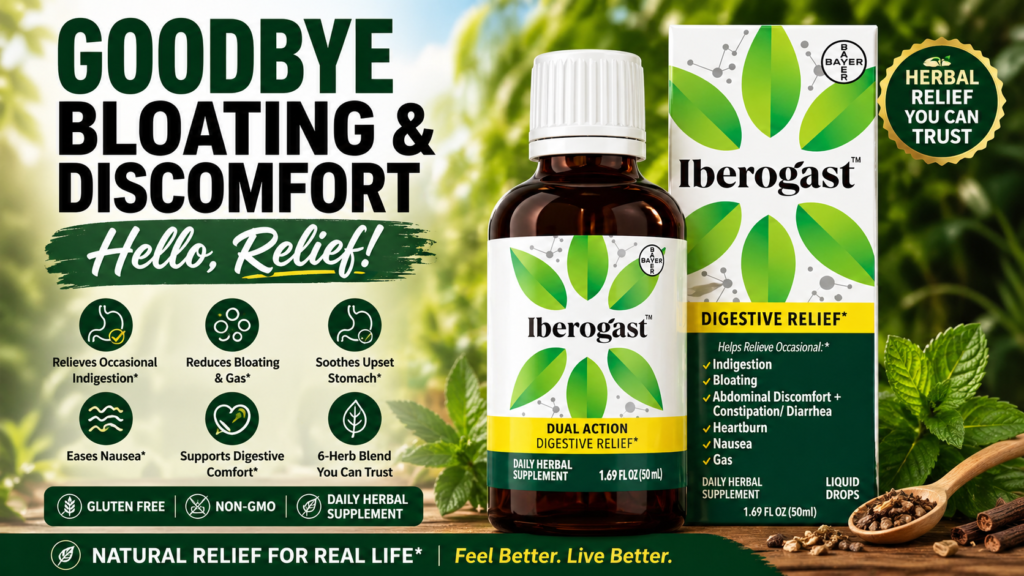
Iberogast for persistent motility issues. If slow gastric emptying is a persistent and significant problem, Iberogast’s prokinetic properties directly support more normal gastric emptying rate. Twenty drops in water before meals, three times daily.
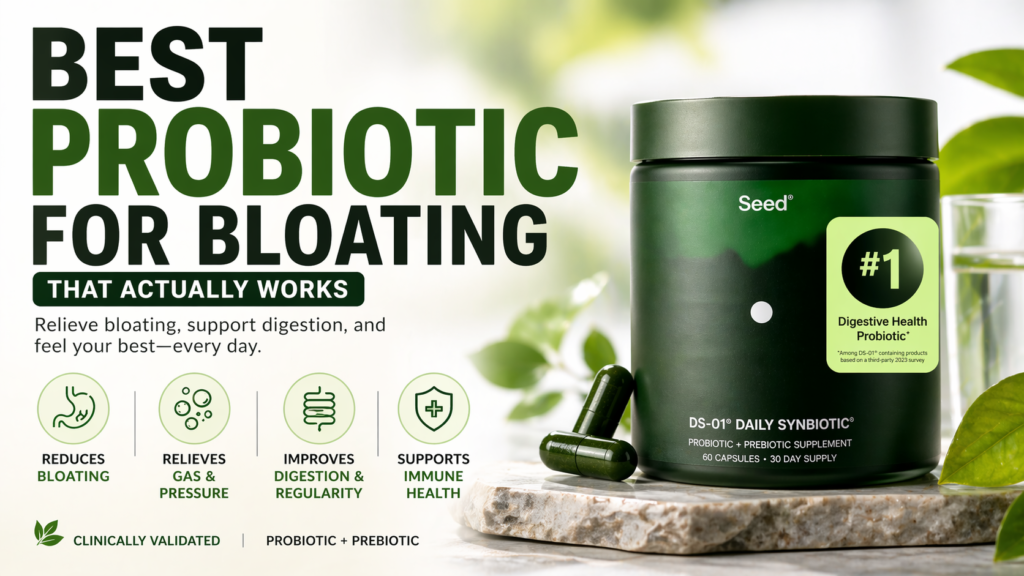
Support your gut microbiome throughout treatment. GLP-1 medications alter gut transit in ways that affect the microbiome — active support with a quality synbiotic maintains the bacterial health that underlies gut sensitivity and pain thresholds. Seed DS-01 daily. 👉 Check the price on Amazon.
When to Contact Your Doctor
Most Ozempic stomach pain is manageable with the strategies above. Contact your prescriber if:
- Pain is severe — significantly worse than typical discomfort
- Upper abdominal pain radiates to your back or shoulder
- You’re vomiting repeatedly and can’t keep food or liquids down
- Pain isn’t improving after several weeks at a stable dose
- Pain is getting progressively worse rather than better
- You have any signs of dehydration from vomiting or diarrhea
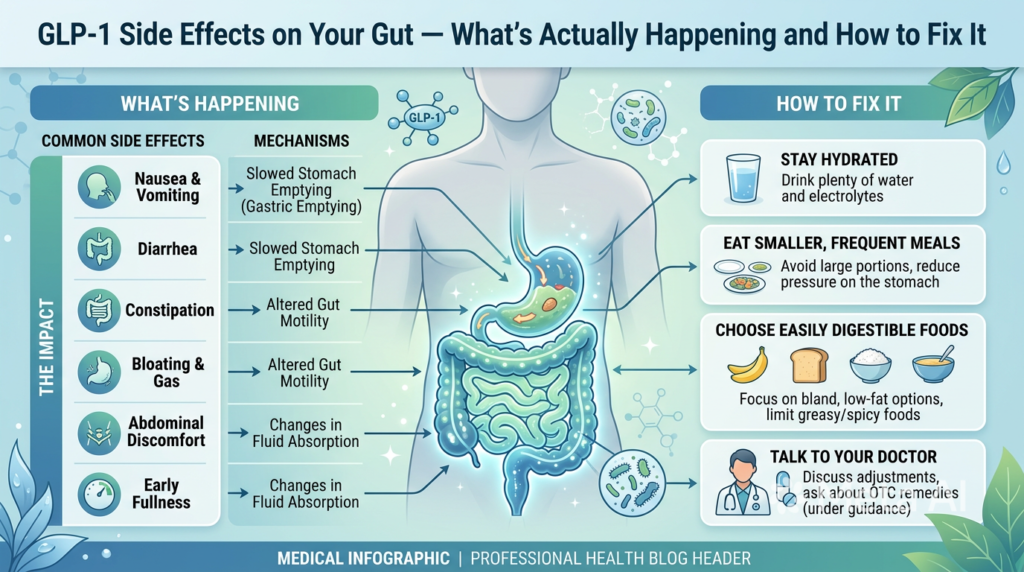
The complete picture of GLP-1 gut effects — covering every side effect not just stomach pain — is in our full guide: GLP-1 Gut Side Effects — What’s Actually Happening and How to Fix It.

Frequently Asked Questions
How long does Ozempic stomach pain last?
For most people stomach pain is worst in the first 2–4 weeks after starting or after a dose increase and improves significantly by weeks 4–8 as the body adapts. Some degree of post-meal discomfort may persist throughout treatment, particularly after larger or fattier meals, but it typically becomes much more manageable after the initial adaptation period.
Does Ozempic stomach pain go away?
For most people yes — it improves substantially as the body adapts to the medication at each dose level. Complete resolution for all people isn’t guaranteed, but significant improvement from the initial intensity is the norm rather than the exception.
Why does my stomach hurt hours after taking Ozempic?
The pain is more related to eating on slowed gastric emptying than to the injection itself. Food eaten while semaglutide is at peak blood levels sits in your stomach far longer than normal, producing hours of discomfort after meals. Eating very small, low-fat meals during the days after injection is the most effective management strategy.
Can I take anything for Ozempic stomach pain?
Digestive enzymes help reduce the post-meal component. Ginger and Iberogast help with the motility and nausea components. Avoiding NSAIDs specifically is important — ibuprofen and aspirin increase gut permeability and irritate the stomach lining, which compounds GLP-1 stomach effects. If pain is severe, discuss appropriate pain management options with your prescriber.
Should I stop Ozempic if my stomach hurts?
For manageable discomfort — don’t stop. Implement the dietary and supplement strategies above, discuss slower dose titration with your prescriber if pain is significant, and give your body time to adapt. Most people who push through the initial side effect period find things improve substantially. Stopping before adaptation means losing the therapeutic benefits of a medication that was working.
The Pain Is Temporary — The Results Are Worth It
GLP-1 medications change the way your gut works — that’s exactly why they’re effective. The stomach pain you’re experiencing is a sign the medication is doing what it’s supposed to do. With the right dietary approach, the right supplement support, and time for your body to adapt, most people find a stable place where the side effects are manageable and the results keep coming.
Don’t let temporary gut discomfort derail a medication that’s working. Manage it intelligently and give your gut the support it needs to adapt.
More from TummyCure:
- Complete GLP-1 Gut Side Effects Guide
- Zenwise Digestive Enzymes — Full Review
- Seed DS-01 — Full Probiotic Review
- Iberogast — Full Review
- Why Do I Feel Full So Fast When Eating?
- Why Do I Feel Sick After Eating?
- Stomach Pain After Eating That Goes Away
- Living With Acid Reflux
- The Complete Gut Health Guide
About the Author
Rachel Donnelly is a certified nutritional health coach and gut health writer who spent years struggling with IBS and bloating before making digestive wellness her specialty. She writes for TummyCure with one goal: cut through the noise and tell you what actually works. When she’s not deep in microbiome research, she’s fermenting things in her kitchen and losing arguments with her husband about whether kombucha counts as a dessert.
As an Amazon Associate we earn from qualifying purchases through some links in our articles.