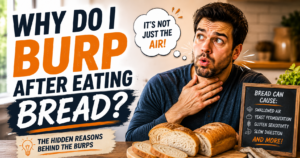
For years, I never thought much about bread.
Toast with breakfast.
A sandwich for lunch.
Garlic bread with dinner.
It was just another part of the meal.
Then I started noticing something strange.
Within 15 or 20 minutes of eating bread, I’d begin burping much more than usual. Some days it was only a couple of burps. Other days it felt like I couldn’t stop.
At first I assumed bread was creating gas immediately.
But after learning more about digestion, I realized it usually isn’t that simple.
Bread itself isn’t necessarily the problem. Instead, it can trigger several digestive processes that make burping more likely, especially if you already have acid reflux, IBS, food intolerances, or simply tend to swallow more air while eating.
The good news is that occasional burping after eating bread is common and usually isn’t anything serious.
The key is figuring out why bread seems to affect you differently than other foods.
Is It Normal to Burp After Eating Bread?
Yes.
Occasional burping after eating bread is completely normal.
As you eat, you naturally swallow small amounts of air. Your stomach also begins producing digestive juices almost immediately.
Together, those normal digestive processes often lead to a few burps.
The concern is when bread consistently causes excessive burping while other foods don’t.
If that’s happening, there’s usually an underlying reason worth investigating.
If you find yourself burping after almost every meal instead of just after bread, I’d recommend reading Why Do I Burp So Much After Eating? 11 Common Causes Explained because the issue may have more to do with your overall digestion than bread specifically.
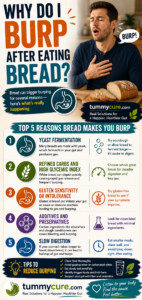
Why Bread Can Trigger Burping
Bread is surprisingly complex.
Different types contain different amounts of:
- Gluten.
- Fiber.
- Yeast.
- Sugar.
- Preservatives.
- FODMAP carbohydrates.
Some people digest these ingredients without any problems.
Others notice gas, bloating, or burping shortly afterward.
Understanding which ingredient is bothering you often matters more than simply avoiding bread altogether.

1. You’re Swallowing More Air While Eating Bread
This was something I never considered.
Dry foods like bread often require more chewing.
That means you’re swallowing more often.
Each swallow brings a small amount of air into your stomach.
If you’re eating quickly or talking during meals, even more air gets swallowed.
Eventually that trapped air has to come back up.
Sometimes all that’s happening is that your sandwich introduced more air into your stomach than your bowl of soup would have.
2. Bread Can Trigger Acid Reflux
Bread itself doesn’t cause acid reflux.
However, eating bread may increase stomach pressure enough to make existing reflux symptoms more noticeable.
Some people experience:
- Burping.
- Mild chest discomfort.
- A sour taste.
- Throat clearing.
- Regurgitation.
Interestingly, many people don’t experience heartburn at all.
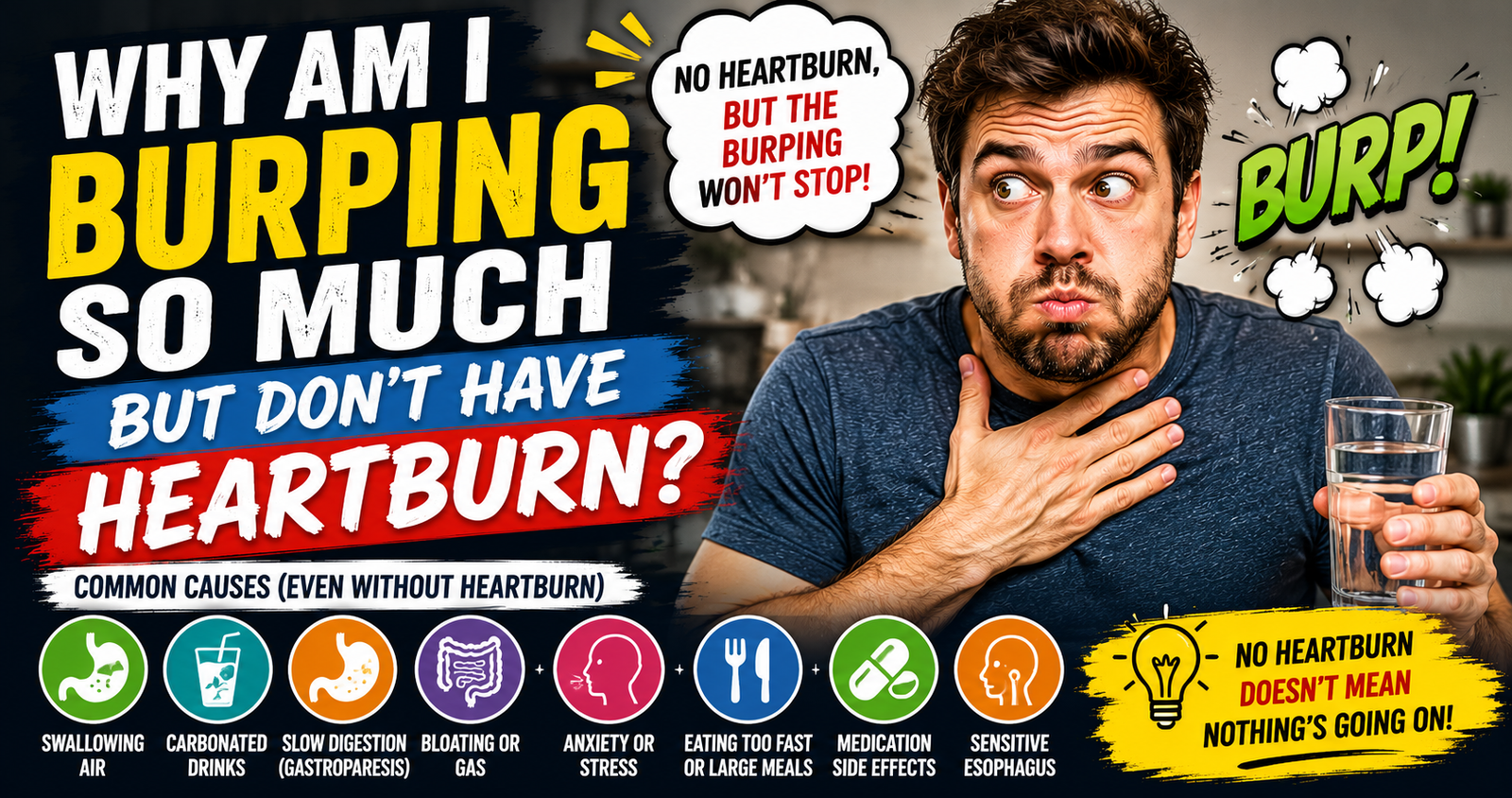
If that’s the case for you, my article Why Am I Burping So Much but Don’t Have Heartburn? explains why reflux can still be the underlying cause.
3. You May Have a Wheat or Gluten Sensitivity
Not everyone reacts to wheat the same way.
Some people have celiac disease.
Others have non-celiac gluten sensitivity.
Still others simply have difficulty digesting certain wheat products.
Common symptoms include:
- Burping.
- Bloating.
- Stomach discomfort.
- Fatigue.
- Diarrhea.
- Constipation.
If bread consistently causes problems while foods like rice or potatoes don’t, it’s worth discussing with your healthcare provider rather than assuming it’s just normal digestion.
Bread May Be Just One Piece of the Puzzle
Bread is a common trigger for some people, but it isn’t the only food that can increase burping.
Coffee, fried foods, onions, garlic, beans, carbonated drinks, and even certain vegetables may produce similar symptoms depending on how your digestive system handles them.
That’s why I found it more helpful to look at my overall diet instead of focusing on one ingredient.
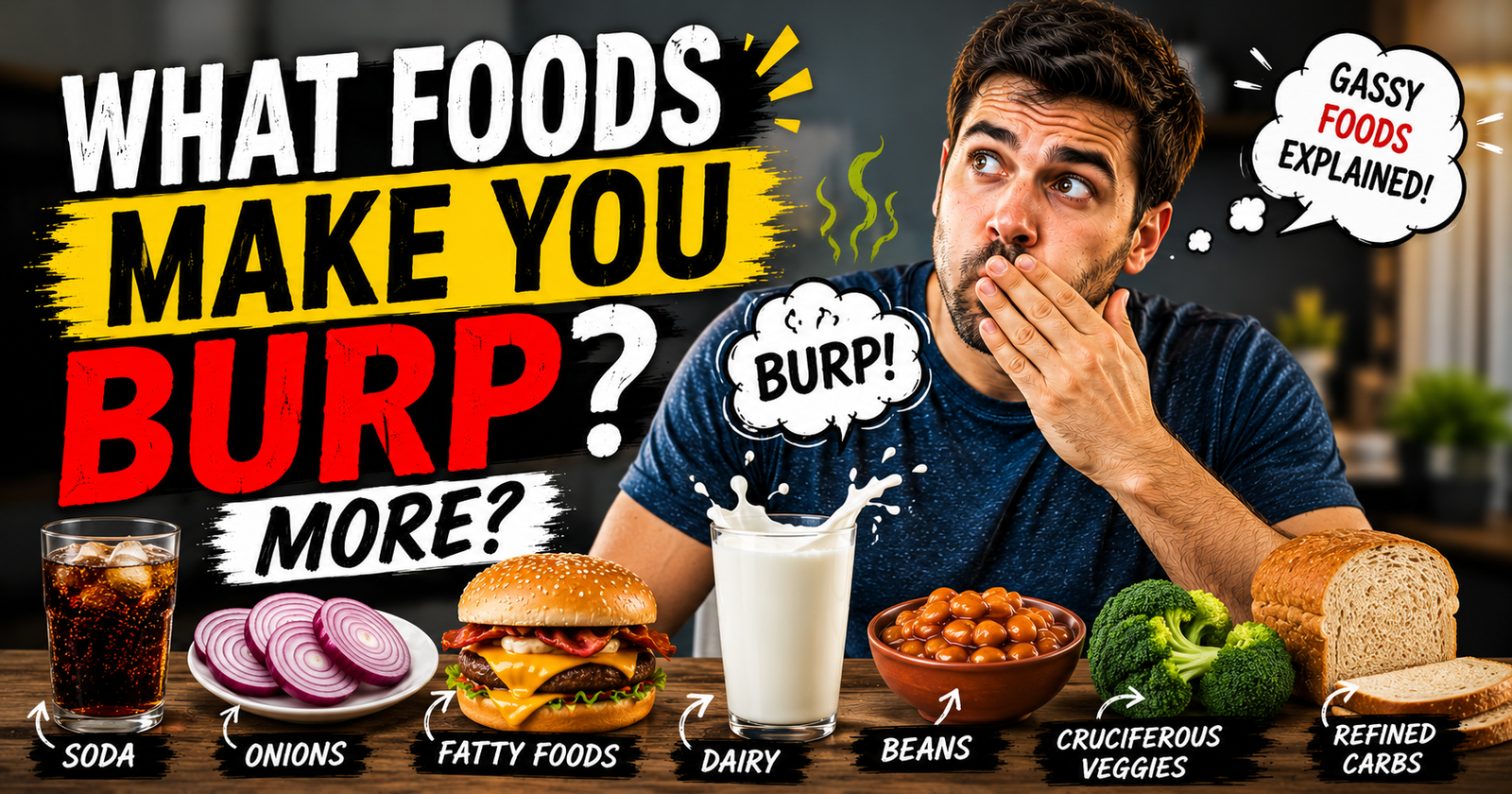
If you’re curious about other common food triggers, What Foods Make You Burp More? is a great place to start.
4. Bread Is High in FODMAP Carbohydrates
This was something I had never heard of until I started reading more about digestive health.
Many types of bread contain fermentable carbohydrates called FODMAPs.
Your small intestine doesn’t always absorb these carbohydrates completely.
Instead, they travel into your large intestine where your gut bacteria begin breaking them down.
That fermentation process naturally creates gas.
For some people, that gas leads to:
- Burping.
- Bloating.
- Stomach pressure.
- Cramping.
- Changes in bowel habits.
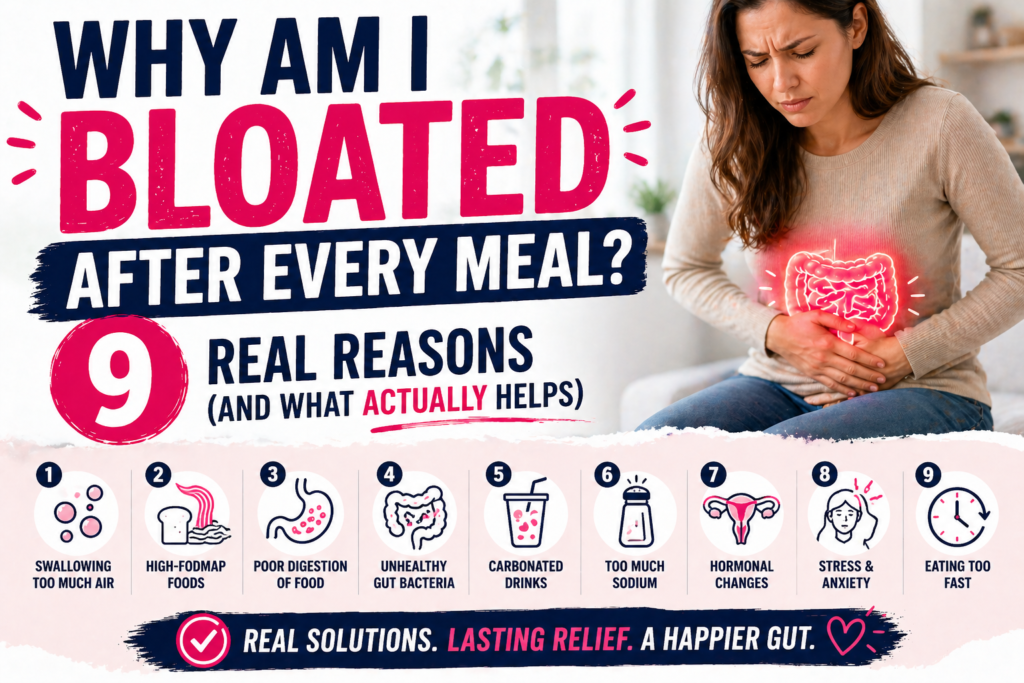
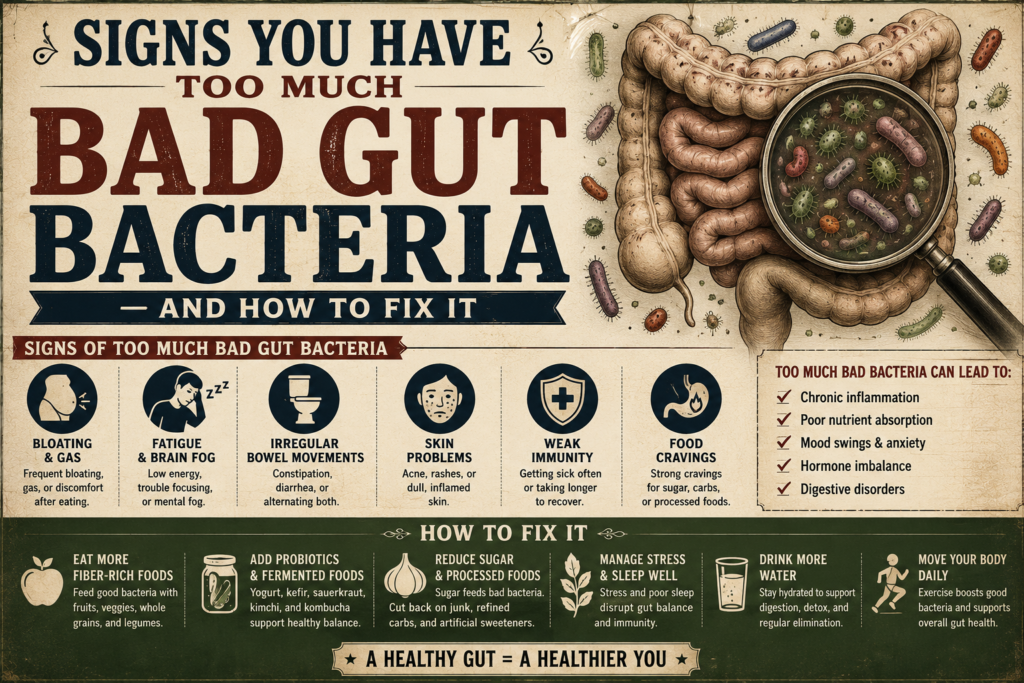
If you’ve also noticed bloating after meals, I’d recommend reading Why Am I Bloated After Every Meal? 9 Real Reasons and What Actually Helps because many of the same digestive issues that cause bloating can also explain frequent burping.
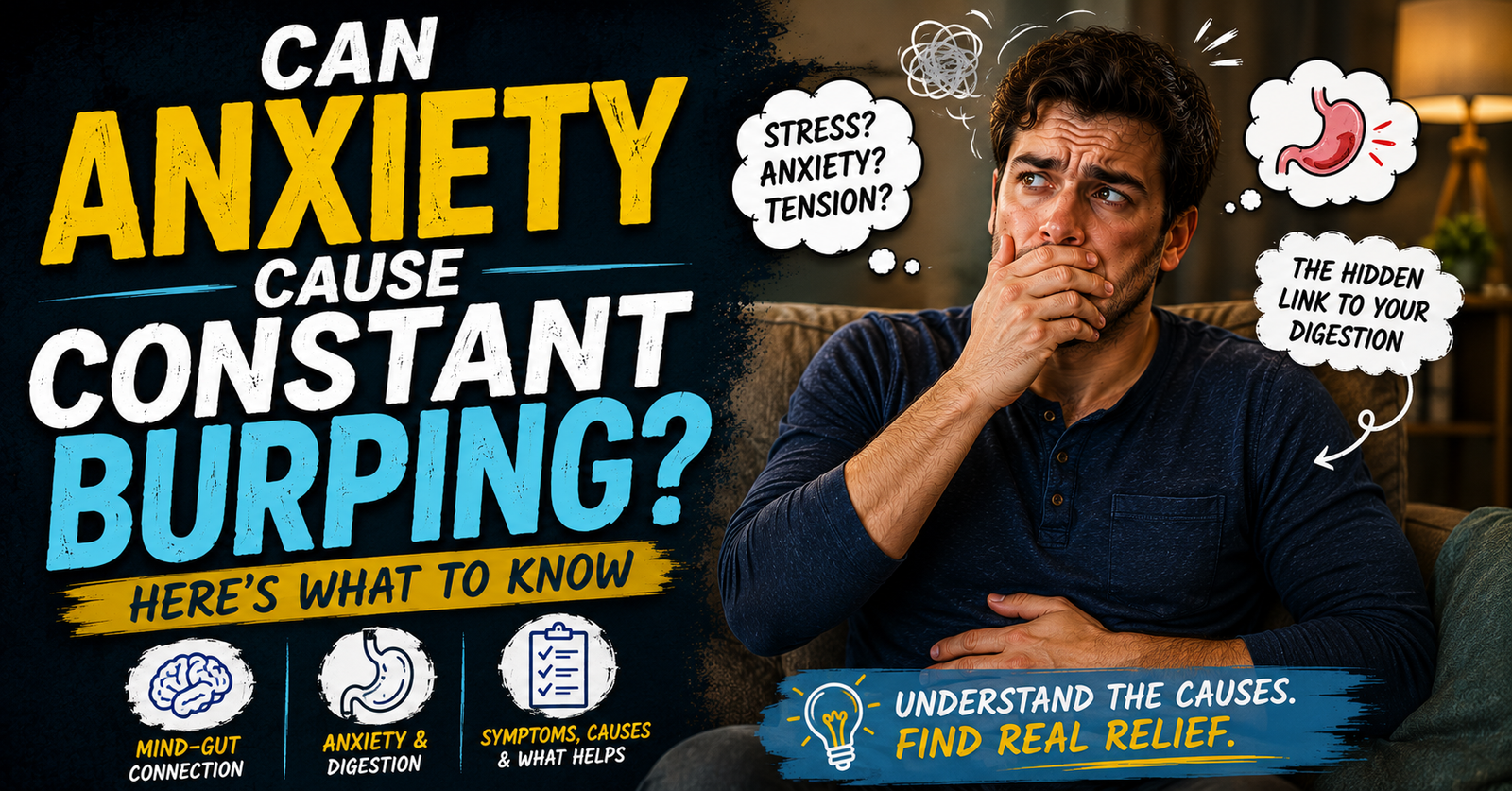
5. Bread May Slow Digestion for Some People
One thing I noticed was that certain breads seemed to sit in my stomach much longer than others.
Large bagels, thick rolls, and heavy artisan breads often left me feeling overly full.
When food remains in your stomach longer, trapped air has more time to build up.
That extra pressure often escapes through repeated burping.
I found that eating smaller portions or choosing lighter breads made a noticeable difference.
If you also feel stuffed after only a few bites, you might enjoy Why Do I Feel Full So Fast When Eating? because delayed stomach emptying and early fullness frequently occur together.
6. IBS Can Make Bread Harder to Tolerate
People with irritable bowel syndrome often notice that certain carbohydrates trigger symptoms.
Bread is one of the foods many people mention.
That doesn’t necessarily mean bread causes IBS.
Instead, IBS can make your digestive system much more sensitive to foods that ferment easily.
Besides burping, you may notice:
- Bloating.
- Cramping.
- Constipation.
- Diarrhea.
- Excess gas.

If those symptoms sound familiar, my guide to Best Probiotic for IBS-C, IBS-D and IBS-M explains how certain probiotic strains may help support digestive health for some people living with IBS.
7. Your Gut Bacteria May Be Fermenting Bread More Than Normal
This was another eye-opening discovery for me.
Your gut bacteria love carbohydrates.
Normally that’s a good thing.
But if your gut bacteria are out of balance, they may produce more gas than usual while breaking down certain foods.
That extra gas can increase pressure throughout your digestive tract, leading to burping, bloating, or both.
This is especially common after:
- A recent course of antibiotics.
- A stomach infection.
- Long periods of poor eating habits.
- Ongoing digestive disorders.
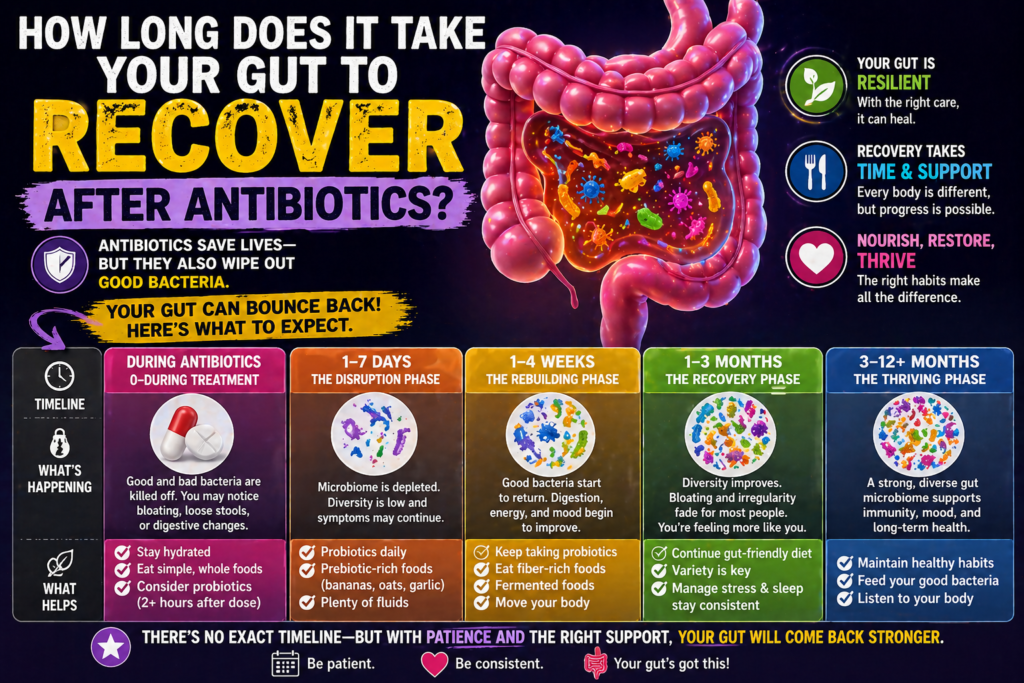
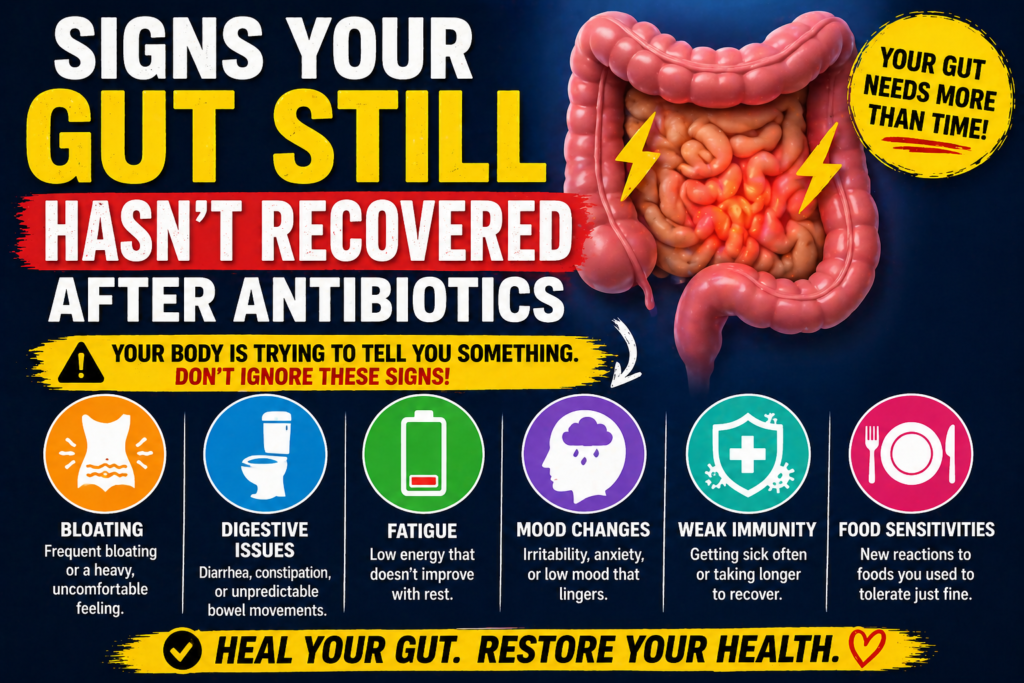
If your digestive symptoms changed after taking antibiotics, I highly recommend reading How Long Does It Take Your Gut to Recover After Antibiotics? because I was surprised to learn recovery often takes much longer than most people expect.


8. It May Not Be the Bread at All
Sometimes I blamed bread when it wasn’t actually responsible.
Think about what usually goes with bread.
Pizza.
Cheeseburgers.
Pasta.
Sandwiches loaded with cheese, sauces, onions, and processed meats.
Any of those ingredients could be contributing to the burping.
That’s why I found it helpful to simplify things for a few days.
Instead of eating an entire sandwich with chips and a soda, I’d eat plain toast or a small piece of bread by itself.
That made it much easier to tell whether the bread was actually the trigger or whether something else on my plate deserved the blame.
What Helped Me Burp Less After Eating Bread
After paying attention for several weeks, a few simple habits consistently seemed to help.
The biggest improvements came from:
- Eating more slowly.
- Chewing each bite thoroughly.
- Drinking fewer carbonated beverages during meals.
- Trying different types of bread instead of assuming all bread affected me the same way.
- Paying attention to portion sizes.
- Keeping a food journal to identify patterns.
None of those changes required giving up bread completely, and that was encouraging because I really didn’t want to.
Could Digestive Enzymes or Probiotics Help?
If your burping happens because of poor digestion or excessive fermentation in your gut, they might.
Digestive enzymes may help your body break down carbohydrates, proteins, and fats more efficiently, while probiotics may support a healthier balance of gut bacteria.
I spent quite a bit of time researching both because they kept coming up while I was learning about digestive symptoms.

If you’re curious about digestive enzymes, my review of Zenwise Digestive Enzymes explains what I found, and I also compared several options in Best Digestive Enzymes for Bloating That Actually Work.

If you think gut bacteria may be playing a role, you may also find Best Probiotic for Bloating That Actually Workshelpful.
When You Should See a Healthcare Provider
Occasional burping after eating bread usually isn’t a cause for concern.
However, you should seek medical advice if you also experience:
- Difficulty swallowing.
- Severe stomach pain.
- Persistent vomiting.
- Vomiting blood.
- Black or tar-like stools.
- Unexplained weight loss.
- Ongoing diarrhea.
- Symptoms that continue getting worse.
These symptoms may point to an underlying digestive condition that needs proper evaluation.
Frequently Asked Questions
Why do I only burp after eating bread?
Bread may trigger burping because of swallowed air, gluten or wheat sensitivity, fermentation of carbohydrates, reflux, or delayed digestion. The exact cause varies from person to person.
Does gluten cause burping?
For people with celiac disease or non-celiac gluten sensitivity, gluten-containing foods may contribute to burping along with bloating, stomach discomfort, and changes in bowel habits.
Why does sourdough bread bother me less?
Some people find sourdough easier to digest because the fermentation process changes some of the carbohydrates found in wheat. Individual responses vary, so what works for one person may not work for another.
Can IBS make me burp after eating bread?
Yes. Many people with IBS notice that bread and other high-carbohydrate foods trigger burping, bloating, cramping, or changes in bowel habits.
Should I stop eating bread if it makes me burp?
Not necessarily. Start by slowing down while eating, watching portion sizes, and identifying whether it’s the bread itself or another ingredient in the meal. If symptoms are frequent or severe, talk with your healthcare provider before making major dietary changes.
Author: Natalie Mercer
Natalie Mercer is a digestive health writer who enjoys helping readers understand everyday digestive symptoms using practical, evidence-informed guidance. She focuses on turning complex gastrointestinal topics into easy-to-follow advice while encouraging readers to work with their healthcare providers when symptoms become persistent or concerning.
As an Amazon Associate we earn from qualifying purchases through some links in our articles.