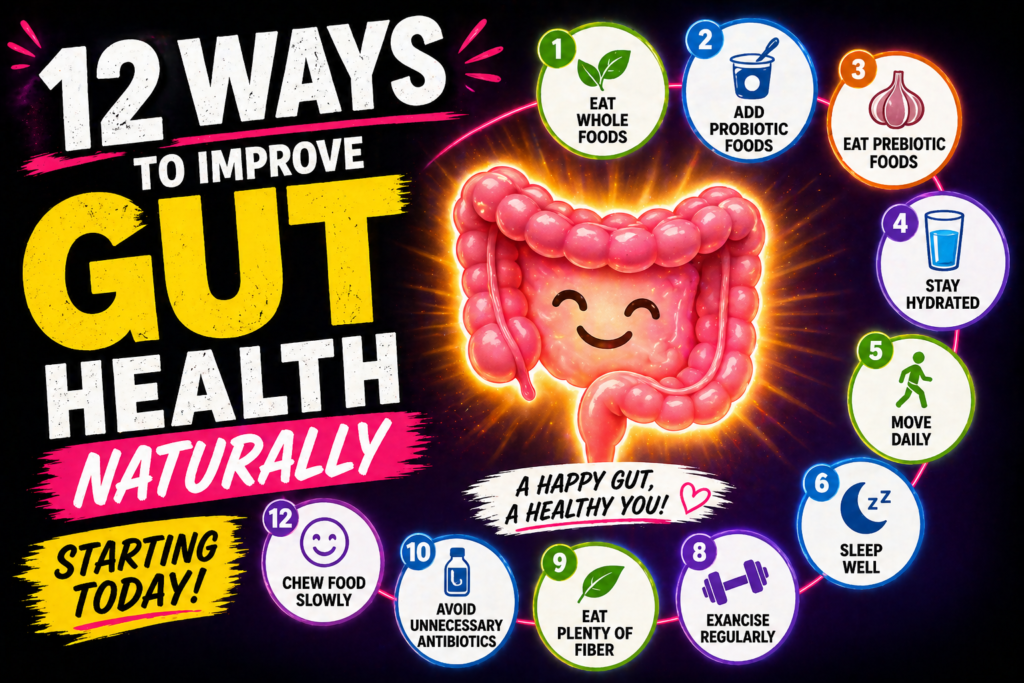
You don’t need an expensive protocol to improve your gut health. Here are 12 evidence-backed ways to rebuild your microbiome naturally — ranked by impact, starting today.
Your Gut Health Doesn’t Have to Be Complicated — But It Does Have to Be Consistent
The gut health space is full of expensive protocols, confusing supplement stacks, and contradictory advice that leaves most people more overwhelmed than when they started. The truth is that the most impactful things you can do for your gut health are mostly straightforward — they just require consistency over time rather than the perfect product or the perfect diet.
These 12 approaches are ranked roughly by impact. Start at the top. Build from there. You don’t have to do all 12 at once — picking three or four and doing them consistently for 90 days will move the needle more than attempting all 12 and sustaining none of them.
Before you start — the supplement that makes everything else work better
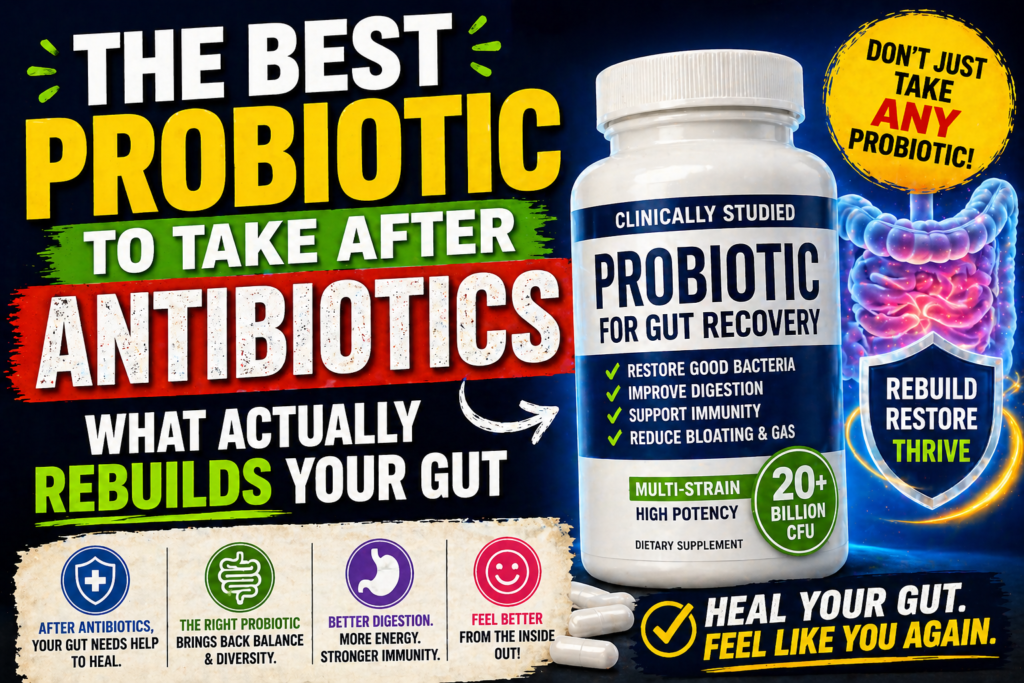
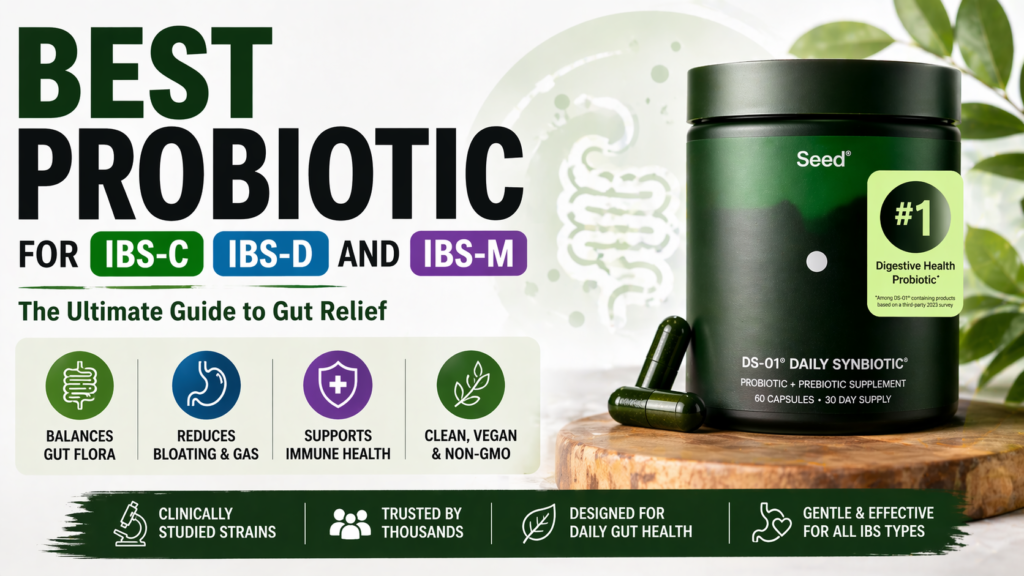
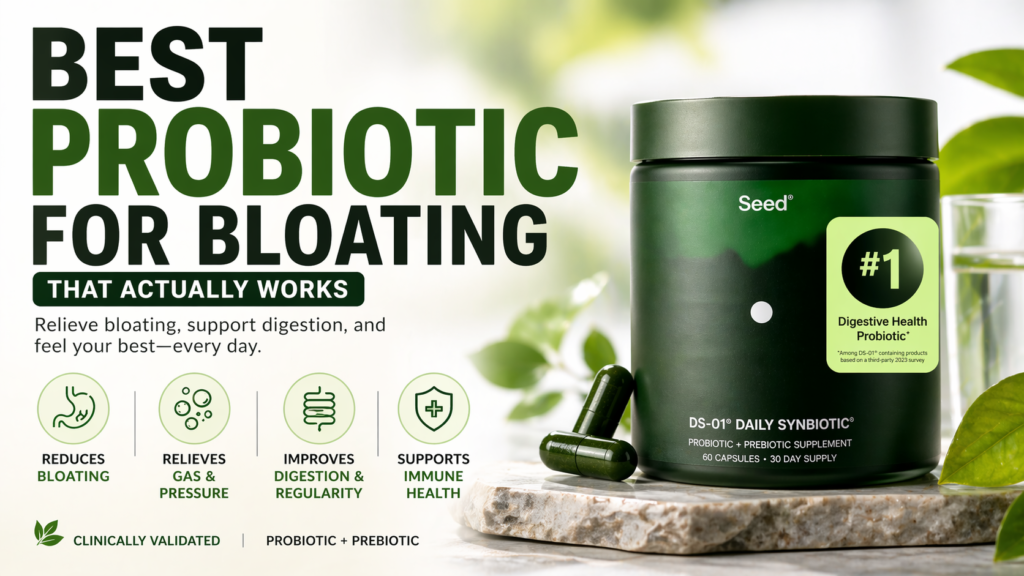
Seed DS-01 Daily Synbiotic — 24 clinically studied strains, acid-resistant delivery, prebiotic included. The most evidence-backed probiotic available. Start here and build the rest of this list around it.
Check the current price of Seed DS-01 on Amazon

1. Eat More Fermented Foods Every Day
This is the highest-impact dietary change for gut health — and it’s backed by one of the most compelling recent studies in the field. A 2021 Stanford study published in Cell found that a high-fermented food diet produced significantly greater gut microbiome diversity gains than a high-fiber diet alone. Diversity is the single best predictor of a healthy gut microbiome.
Fermented foods introduce live beneficial bacteria directly — adding natural bacterial diversity that supplements alone can’t fully replicate. Kefir has the highest bacterial diversity of any fermented food with 30 to 50 different strains. Plain yogurt with live cultures, sauerkraut (raw, unpasteurized from the refrigerated section only), kimchi, miso, and kombucha all provide meaningful bacterial additions.
Aim for at least one serving daily. You don’t need all of them — pick one or two you actually enjoy and eat them consistently. A tablespoon of sauerkraut with dinner and a glass of kefir with breakfast is enough to make a real difference over time.
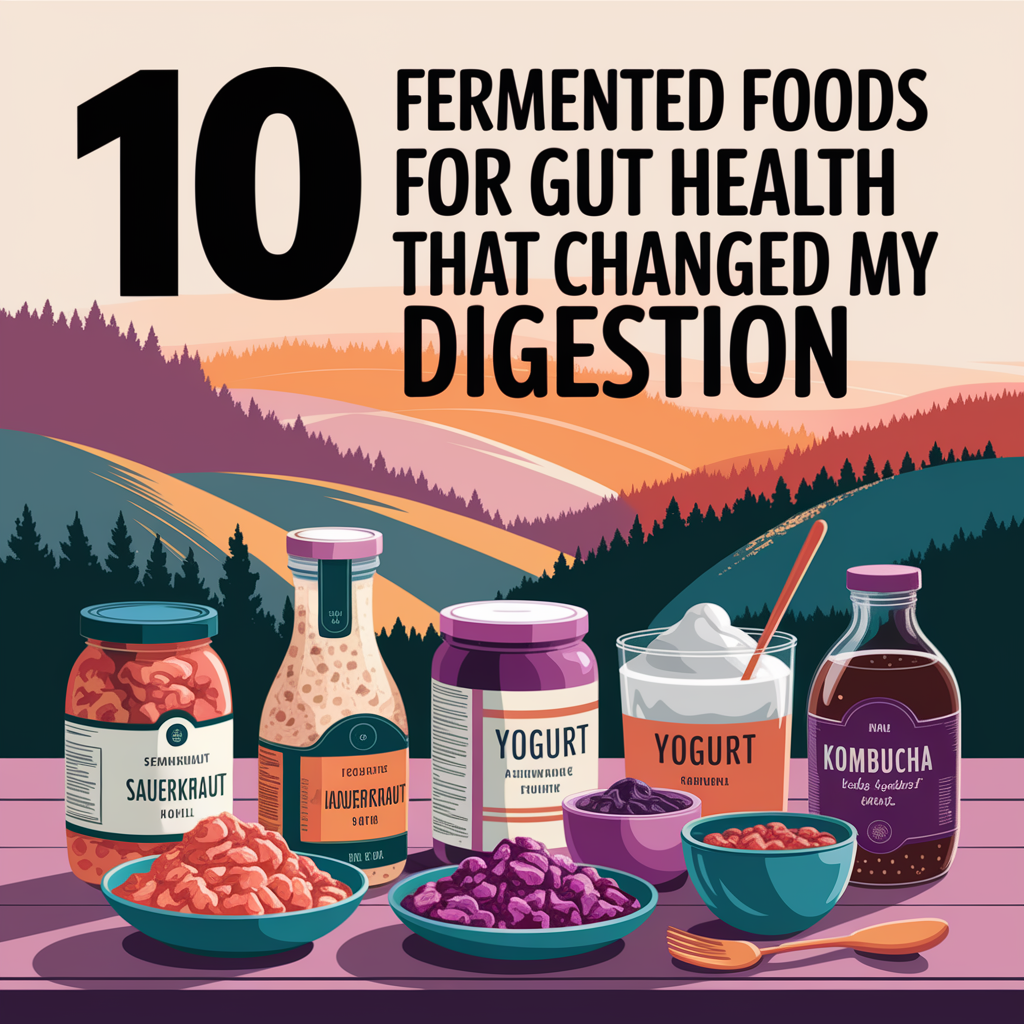
The full breakdown of which fermented foods make the biggest impact: 10 Fermented Foods That Changed My Digestion
2. Add a Quality Probiotic and Prebiotic
Fermented foods are the food-based approach to microbiome support. A quality synbiotic — probiotic plus prebiotic combined — is the supplement-based approach, and for people with significant gut health issues, both together produce better outcomes than either alone.
What separates a quality probiotic from the dozens of ineffective options: clinically studied strains (not just genus and species — the specific strain designation matters enormously), multiple Lactobacillus AND Bifidobacterium strains, acid-resistant delivery technology that gets bacteria to the intestines alive, and a prebiotic component that feeds the bacteria once they arrive.
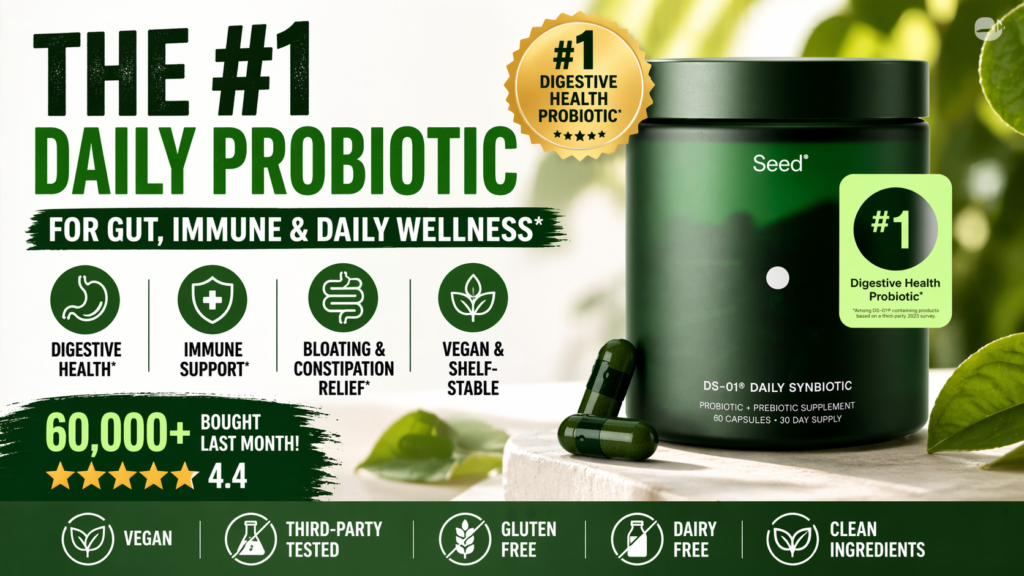
The difference between a quality synbiotic and a cheap drugstore probiotic isn’t subtle after antibiotics, during gut recovery, or when dealing with chronic gut issues. Seed DS-01 is our top recommendation — read the full review for exactly why it outperforms the alternatives.
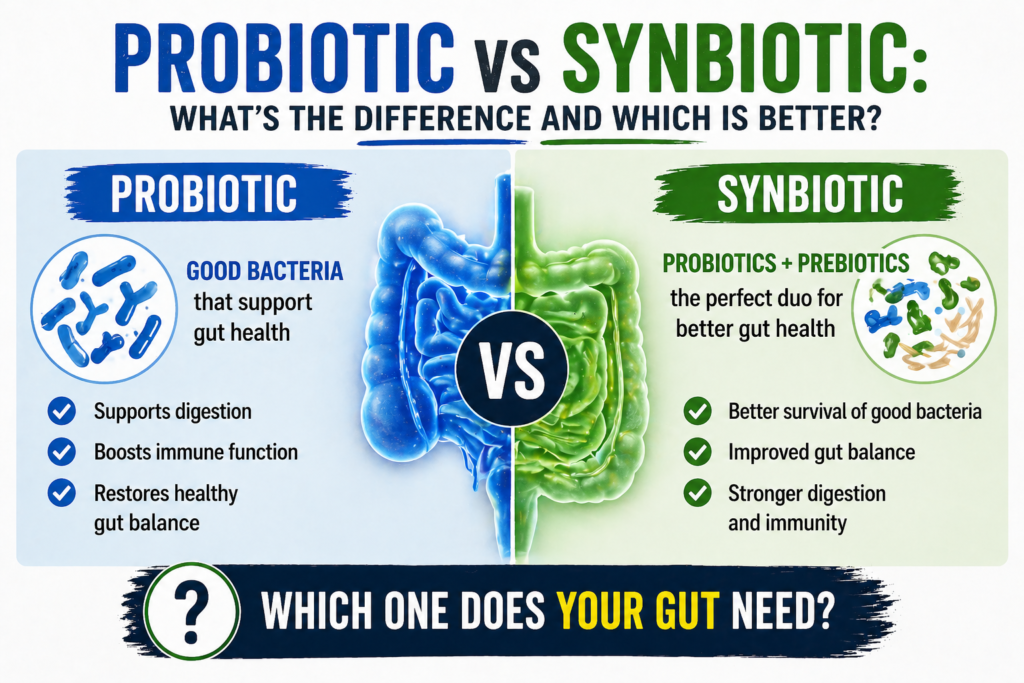
Understanding whether you need a probiotic, a synbiotic, or both: Probiotic vs Synbiotic — What’s the Difference?
3. Eat 30 Different Plant Foods Every Week
Fiber diversity — eating many different plant foods rather than high amounts of a few — produces greater gut microbiome diversity than any other dietary variable. The American Gut Project, one of the largest citizen science microbiome studies ever conducted, found that people who ate 30 or more different plant foods per week had significantly more diverse microbiomes than those eating fewer than 10.
Thirty plant foods per week sounds daunting until you realize everything counts — vegetables, fruits, whole grains, legumes, nuts, seeds, herbs, and spices. A salad with five different vegetables, seeds, and herbs alongside a grain bowl with legumes is already most of the way there at a single meal.
The practical goal isn’t tracking 30 foods obsessively — it’s shifting toward variety as a default. Different vegetables each week. Different grains. Different legumes. Different nuts. Variety is the active ingredient.


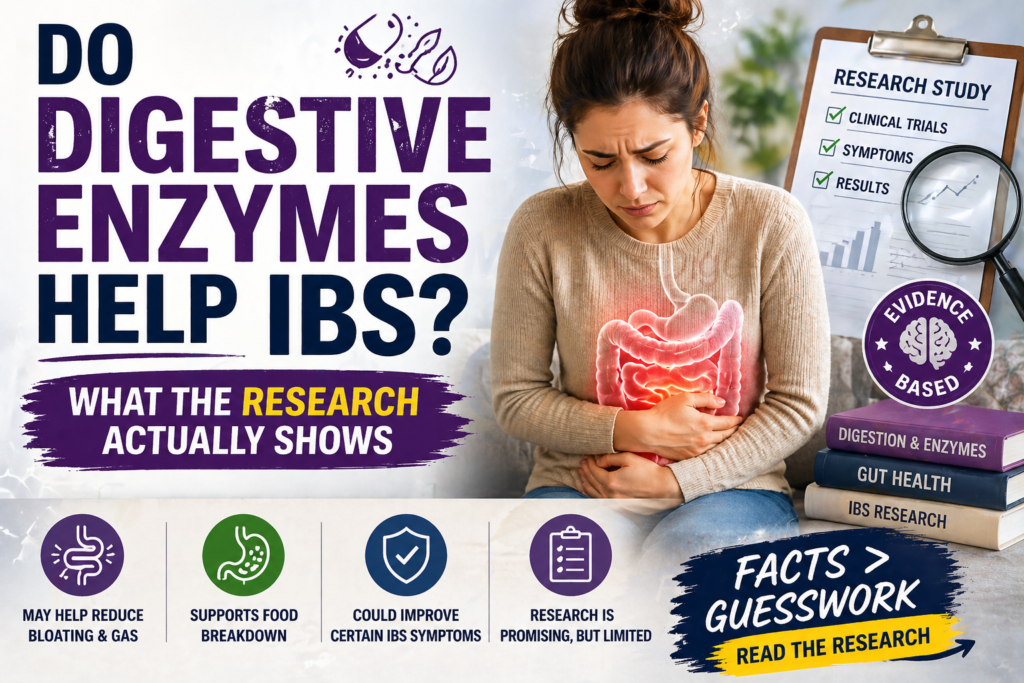
4. Take a Digestive Enzyme With Every Meal
Your gut bacteria can only work with what reaches them — and what reaches them depends on how efficiently your own digestive enzymes break down your food first. Enzyme production declines with age, is suppressed by chronic stress, and is impaired by many gut conditions. When food isn’t properly broken down, more undigested material reaches your gut bacteria, producing more fermentation, more gas, and more bloating.
A comprehensive digestive enzyme supplement taken at the start of every meal ensures adequate enzymatic activity regardless of what your body is currently producing. The difference for bloating, post-meal discomfort, and overall digestive comfort is often noticeable within the first week.
Better digestion starting with your next meal
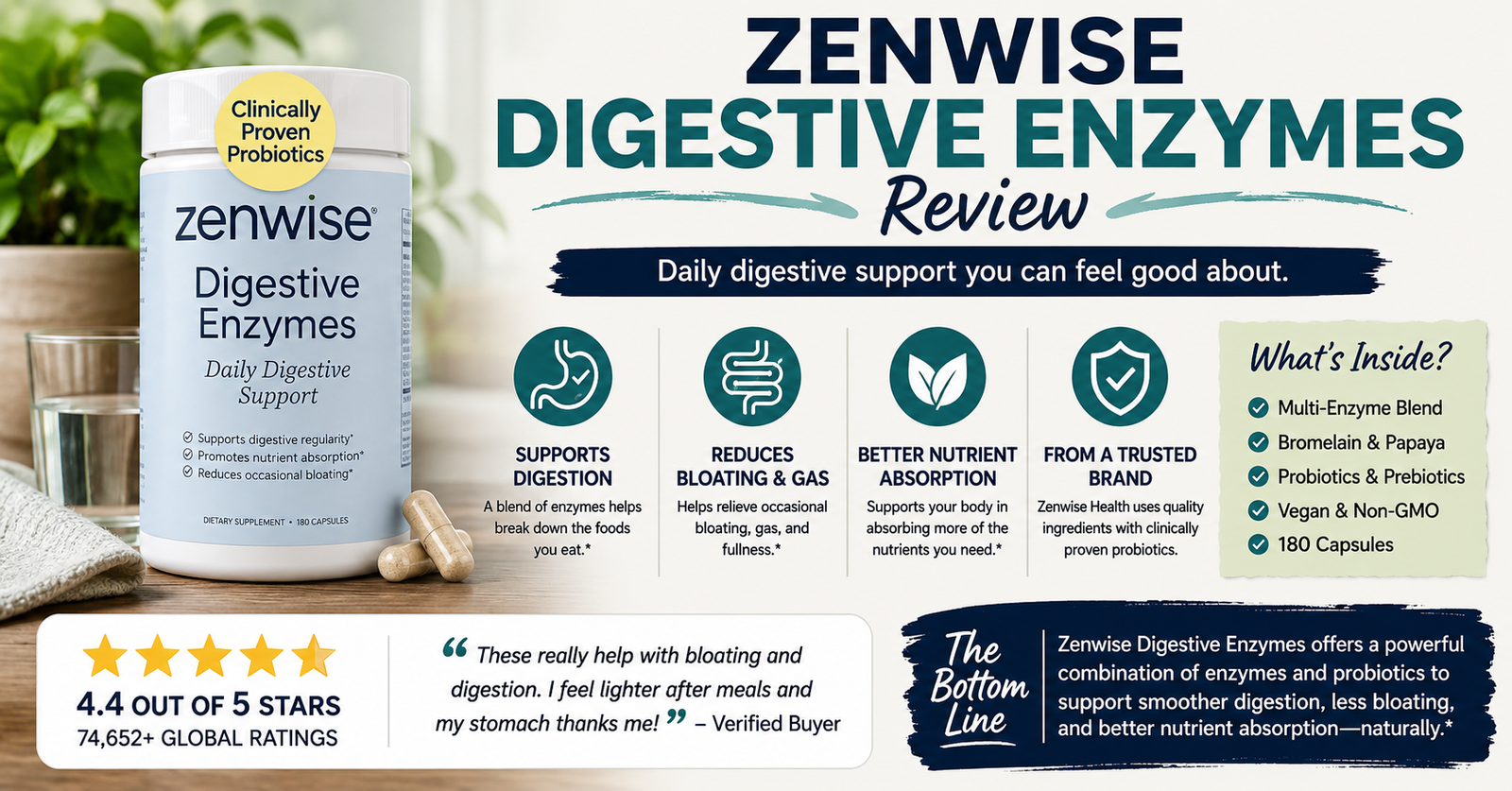
Zenwise Digestive Enzymes — comprehensive multi-enzyme blend covering amylase, lipase, protease, lactase, bromelain, and papain, with DE111 probiotic and inulin prebiotic included. One capsule at the start of every meal.

Check the current price of Zenwise on Amazon
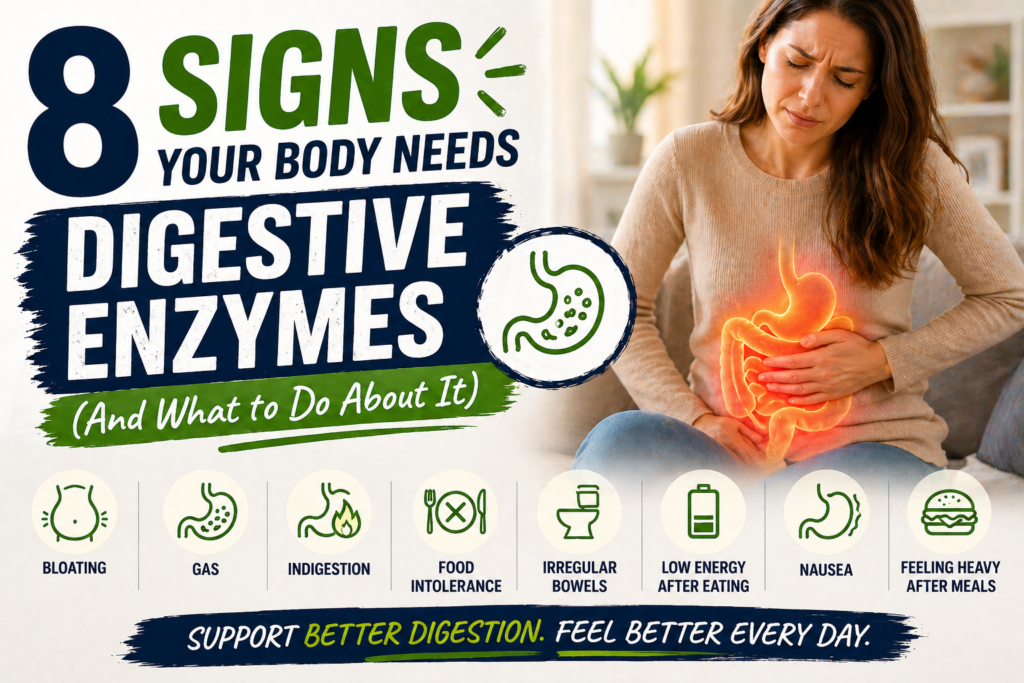
Whether you actually need digestive enzyme support: 8 Signs Your Body Needs Digestive Enzymes
5. Reduce Ultra-Processed Food and Added Sugar
This is the single most impactful dietary removal for gut health — and it works through multiple simultaneous mechanisms. Ultra-processed foods starve beneficial bacteria of fiber. Their sugar content feeds harmful bacteria and Candida. Their emulsifier content directly damages the gut lining. And their near-complete absence of prebiotic substrate means every processed food meal is a missed opportunity to feed the microbiome.
You don’t have to be perfect. But reducing the proportion of your diet that comes from ultra-processed sources — and replacing it with whole foods — consistently produces measurable gut microbiome improvements within weeks. The gut responds quickly to dietary changes because bacteria multiply rapidly. Two weeks of significantly reduced processed food intake produces measurable microbiome composition shifts in research studies.
The foods that cause the most damage to your gut lining and bacterial balance: Foods That Cause Leaky Gut
6. Add Soluble Fiber With Psyllium Husk
Most people don’t get anywhere near the recommended 25 to 38 grams of fiber per day — and the type of fiber matters as much as the amount. Soluble fiber — which forms a gel when it dissolves in water — feeds beneficial bacteria, normalizes bowel transit in both directions, and has clinical evidence for reducing IBS symptoms, improving cholesterol, and stabilizing blood sugar.
Psyllium husk is almost entirely soluble fiber and is the most extensively researched fiber supplement available. The evidence base for psyllium specifically for gut health, IBS, and constipation is stronger than for any other fiber supplement. Two capsules daily with a large glass of water — non-negotiable — adds consistent, evidence-backed prebiotic fiber regardless of how your diet varies day to day.
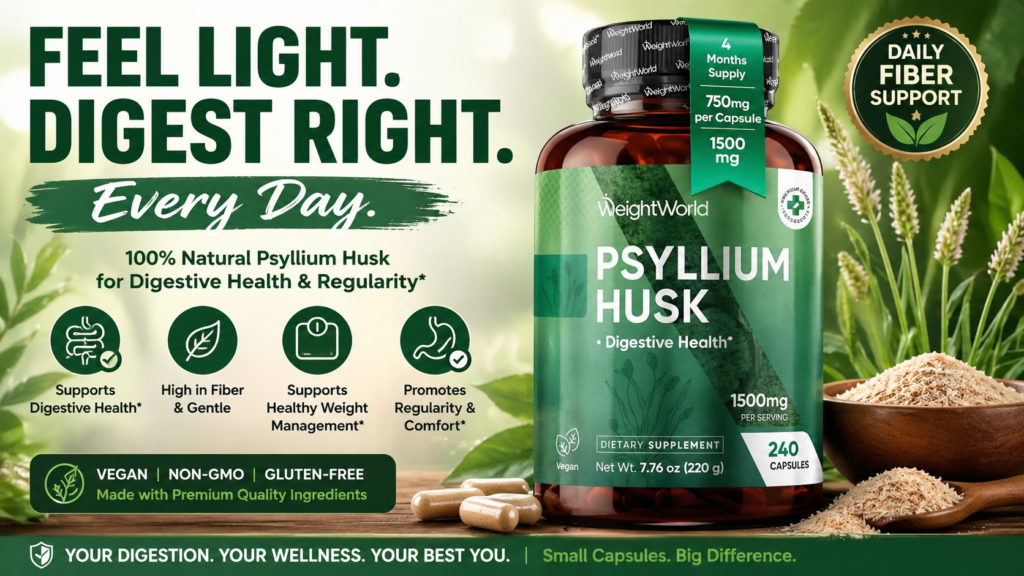
Why psyllium outperforms other fiber supplements: Psyllium Husk Capsules — The Most Research-Backed Fiber Supplement You’re Probably Not Taking
7. Walk After Meals
Physical movement is a gut health intervention that most people underestimate. A 10 to 15 minute walk after meals stimulates gut motility — the muscular contractions that move food through your digestive tract. Faster motility means less time for fermentation, less gas accumulation, and less bloating by evening.
The research on post-meal walking is consistent and clear — even short walks significantly improve gastric emptying rate, reduce post-meal blood sugar spikes, and improve overall gut transit time. It’s one of the simplest, cheapest, and most effective gut health interventions available — and it’s completely free.
Regular exercise more broadly increases gut microbiome diversity independently of diet — even moderate activity like walking 30 minutes per day consistently produces measurable microbiome improvements over 6 to 8 weeks.



8. Manage Stress Around Mealtimes Specifically
The gut-brain axis means your psychological state directly and measurably affects your gut function. Chronic stress impairs digestive enzyme secretion, slows gut motility, increases gut permeability, and shifts the microbiome toward dysbiotic compositions. Eating while stressed — which most modern people do at most meals — produces measurably worse digestion from the same food.
You can’t eliminate stress entirely. But implementing a simple pre-meal ritual — putting your phone away, taking three slow deep breaths before your first bite, eating away from your desk — activates the parasympathetic nervous system and measurably improves enzyme secretion and gut motility during the meal. Five minutes of calm before eating is worth more for digestive health than most supplements.
How the gut-brain connection affects everything from digestion to mood: Is Your Gut Sabotaging Your Mental Health?
9. Prioritize Sleep — Your Gut Has a Circadian Rhythm
Your gut microbiome operates on a daily circadian rhythm that’s synchronized with your sleep-wake cycle. Chronic sleep disruption — insufficient sleep, irregular sleep times, shift work — measurably reduces gut microbiome diversity and shifts bacterial composition toward dysbiotic patterns. Poor sleep is a gut health problem as much as it is a cognitive or metabolic one.
Beyond the direct microbiome effects, sleep deprivation increases gut permeability, elevates inflammatory markers, and impairs the digestive enzyme production that determines how well you break down food the following day. The gut symptoms you experience on poor sleep days aren’t coincidental — they’re the direct downstream consequences of sleep-disrupted gut function.
Magnesium glycinate taken in the evening improves both sleep quality and gut motility simultaneously — addressing the sleep-gut connection from both angles. The calming effects of glycine alongside magnesium’s smooth muscle support make it one of the most useful dual-purpose supplements for gut health.
Better sleep, better gut — both in one supplement
Magnesium Glycinate 500mg — chelated form for maximum absorption, gentle motility support, and sleep-promoting glycine. Take 30 to 60 minutes before bed. Noticeable sleep and morning regularity improvement typically within one week.
Check the current price of Magnesium Glycinate on Amazon

Full breakdown of the sleep-gut-magnesium connection: Magnesium Glycinate — The Sleep and Gut Supplement That Actually Delivers
10. Stay Hydrated — On a Schedule, Not by Thirst
Water is essential for gut motility, digestive enzyme function, and the mucus layer that protects the gut lining. Chronic dehydration slows transit, hardens stool, and reduces the effectiveness of every other gut health intervention you’re implementing. It’s also more common than most people realize — thirst is a poor hydration indicator and by the time you feel thirsty you’re already mildly dehydrated.
The practical fix: drink water on a schedule rather than relying on thirst. A glass on waking, a glass before each meal, a glass between meals — this structure ensures consistent hydration without requiring constant monitoring. Herbal teas count toward your total. Caffeinated drinks are mildly diuretic and partially offset the fluid they provide — they’re not a substitute for water.
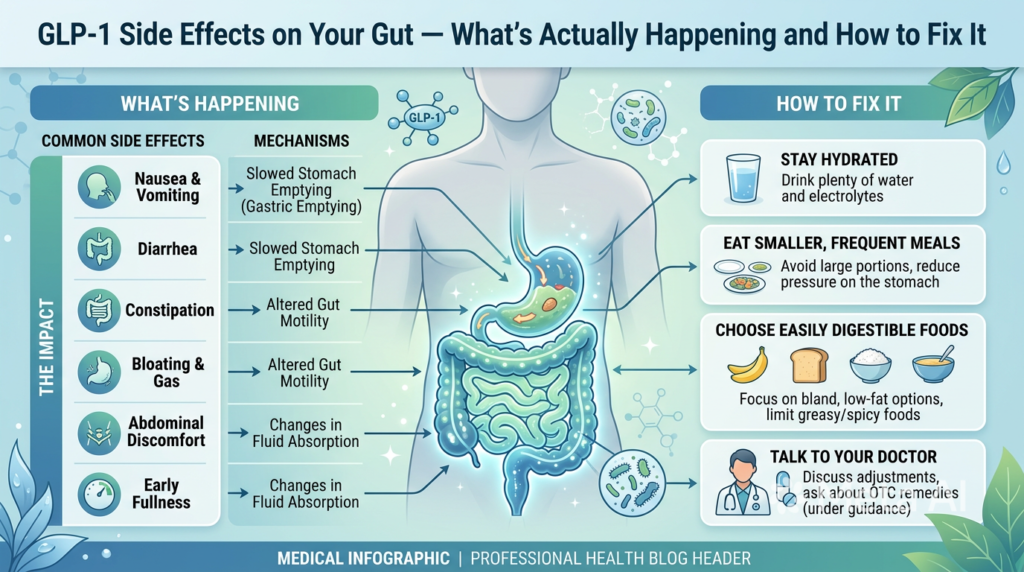
If you’re on GLP-1 medications like Ozempic or Wegovy, intentional scheduled hydration is particularly important — these medications suppress thirst alongside hunger. Managing hydration on GLP-1 medications covers this in the full gut side effects guide.
11. Support Your Gut Lining With Collagen
The gut lining is largely made of collagen — and it turns over completely every five to seven days, requiring consistent structural building blocks to maintain integrity. When collagen availability is inadequate or gut permeability has been increased by diet, antibiotics, stress, or illness, the tight junctions between intestinal cells weaken.
Collagen peptides in hydrolyzed form are the most practical daily delivery of the specific amino acids — glycine, proline, hydroxyproline — that the gut lining uses to maintain and repair tight junction proteins. One to two scoops in your morning coffee, smoothie, or any liquid takes 10 seconds and provides consistent structural gut lining support.
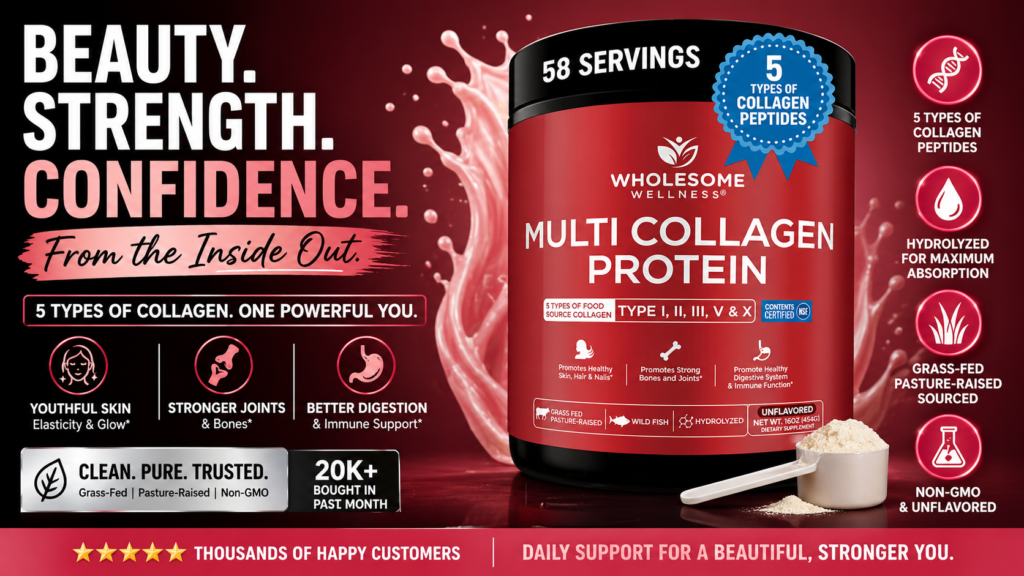
How gut lining integrity connects to everything from food sensitivities to skin health and systemic inflammation: Multi Collagen Peptides — The Gut Lining Supplement Nobody Talks About
12. Reduce Gut Inflammation With Curcumin
Chronic low-grade gut inflammation — driven by dysbiotic bacteria, gut permeability, and inflammatory dietary inputs — underlies most chronic gut conditions and impedes the microbiome recovery that every other item on this list is working toward. Addressing it directly with an evidence-backed anti-inflammatory compound accelerates the improvement everything else produces.
Curcumin — the active compound in turmeric — is the most extensively researched natural anti-inflammatory compound available. Its NF-κB inhibition directly reduces the inflammatory signaling driving gut lining damage and gut bacterial imbalance. The critical requirement: it must be taken with black pepper (piperine) to achieve meaningful absorption — piperine increases curcumin bioavailability by up to 2000%.
Reduce the gut inflammation working against your progress
Turmeric Curcumin Gummies with Black Pepper — bioavailability-enhanced curcumin with ginger for additional prokinetic benefits. Sugar-free, vegan, daily. Measurable anti-inflammatory effects within 4 to 8 weeks of consistent use.
Check the current price of Turmeric Curcumin Gummies on Amazon
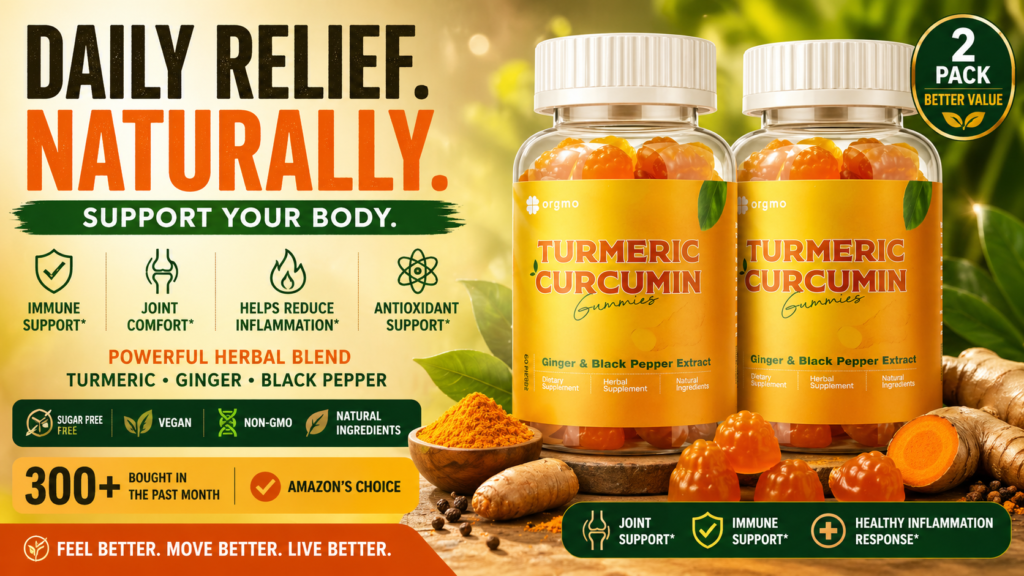
Why curcumin is the anti-inflammatory missing piece in most gut health approaches: Turmeric Curcumin Gummies — Full Review
Where to Start — The Practical Priority Order
All 12 things on this list work. None of them require a radical lifestyle overhaul. But doing all 12 at once is a reliable way to do none of them consistently. Here’s the practical priority order based on impact per effort:
Week 1 — Foundation: Start Seed DS-01 daily. Add one fermented food daily. Take Zenwise Digestive Enzymes with every meal. These three changes address the most fundamental gut health levers — bacterial balance, natural bacterial diversity, and food breakdown efficiency.
Week 2 — Build: Add psyllium husk capsules daily. Start walking after your largest meal. Reduce the most processed foods in your current diet. These additions build on the foundation without overwhelming your routine.
Week 3 — Optimize: Add magnesium glycinate before bed. Increase plant food diversity toward 30 foods weekly. Implement a consistent pre-meal stress reduction habit. These optimizations amplify what the first two weeks established.
Month 2 onward: Add collagen peptides to your morning drink. Consider curcumin supplementation if inflammation is a concern. Maintain everything above consistently. The 60 to 90 day window is where the most meaningful gut health changes compound.
How Long Until You Notice a Difference
Different interventions work on different timelines. Digestive enzymes — often within the first week. Fermented foods — microbiome diversity changes measurable at 2 to 4 weeks. Probiotics — early digestive improvements at 2 to 4 weeks, deeper benefits at 6 to 10 weeks. Collagen — gut lining improvements building over 4 to 8 weeks. Curcumin — anti-inflammatory marker reductions at 4 to 8 weeks.
The complete picture of how long each gut health intervention takes: How Long Does It Take for Probiotics to Work?
Frequently Asked Questions
What is the fastest way to improve gut health?
The fastest single dietary change is adding fermented foods daily — microbiome diversity gains from fermented food are measurable within 2 weeks. The fastest supplement intervention is digestive enzymes with meals — many people notice reduced bloating within the first few days. For lasting microbiome improvement, a quality daily synbiotic like Seed DS-01 produces the most meaningful long-term results.
Can you heal your gut naturally without supplements?
Yes — fermented foods, diverse plant fiber, adequate sleep, stress management, regular movement, and avoiding gut-damaging inputs are all powerful gut health interventions that cost nothing beyond food choices. Supplements accelerate and amplify these natural approaches — they’re not a replacement for them, but they do produce faster and more complete results when added to a solid dietary foundation.
What foods heal the gut lining?
Bone broth — directly provides gut lining collagen components. Fermented dairy — kefir and yogurt support tight junction integrity through bacterial butyrate production. Fatty fish — omega-3s reduce gut wall inflammation. Berries and colorful vegetables — polyphenols feed beneficial bacteria that produce butyrate. Garlic and onions — prebiotic inulin feeds butyrate producers specifically.
How long does it take to improve gut health?
Noticeable digestive improvements typically appear within 2 to 4 weeks of consistent intervention. Meaningful microbiome diversity changes take 4 to 8 weeks. Full gut health restoration — including gut lining repair, stable bacterial populations, and systemic benefits — takes 3 to 6 months of sustained consistent effort. The complete gut health guide covers the full timeline in detail.
Is gut health really that important?
Your gut microbiome influences your immune system, mental health, skin, energy levels, weight regulation, and risk of a range of chronic diseases. Over 70% of your immune system surrounds your gut. Your gut bacteria produce a significant portion of your serotonin. Gut health is foundational to overall health in ways that mainstream medicine is still catching up to. Why over 70% of your immune system lives in your gut puts the scope of this in perspective.
What probiotic is best for general gut health improvement?
A multi-strain synbiotic with multiple Lactobacillus and Bifidobacterium strains, acid-resistant delivery, and prebiotic included. Seed DS-01 is our top recommendation. Check the price on Amazon.
Start With One Thing — Just Not the Same Thing You’ve Always Done
Gut health improvement doesn’t require perfection. It requires consistent direction — doing more of the right things and less of the wrong ones, day after day, for long enough for the changes to compound.
The list above gives you 12 evidence-backed levers. You don’t need all 12. Pick the three that feel most manageable and do them consistently for 30 days. Then add another. Then another. Six months from now your gut — and the many systems it influences — will be in a dramatically different place than it is today.
Your complete natural gut health stack
Seed DS-01 Daily Synbiotic — the probiotic foundation
Zenwise Digestive Enzymes — better digestion every meal
Psyllium Husk Capsules — daily prebiotic fiber
Magnesium Glycinate — sleep and motility support
Multi Collagen Peptides — gut lining structural support
Turmeric Curcumin Gummies — anti-inflammatory daily support
More from TummyCure:
- The Complete Gut Health Guide
- 8 Signs Your Gut Desperately Needs a Probiotic
- Seed DS-01 — Full Review
- Zenwise Digestive Enzymes — Full Review
- Can’t Lose Weight? Your Gut Bacteria Might Be the Reason
- Why Gut Inflammation Makes You Fat
- Can Leaky Gut Cause Anxiety and Depression?
- 10 Fermented Foods That Changed My Digestion
- How Long Do Probiotics Take to Work?
- Is Your Gut the Reason You Can’t Lose Weight?
About the Author
Rachel Donnelly is a certified nutritional health coach and gut health writer who spent years struggling with IBS and bloating before making digestive wellness her specialty. She writes for TummyCure with one goal: cut through the noise and tell you what actually works. When she’s not deep in microbiome research, she’s fermenting things in her kitchen and losing arguments with her husband about whether kombucha counts as a dessert.
As an Amazon Associate we earn from qualifying purchases through some links in our articles.