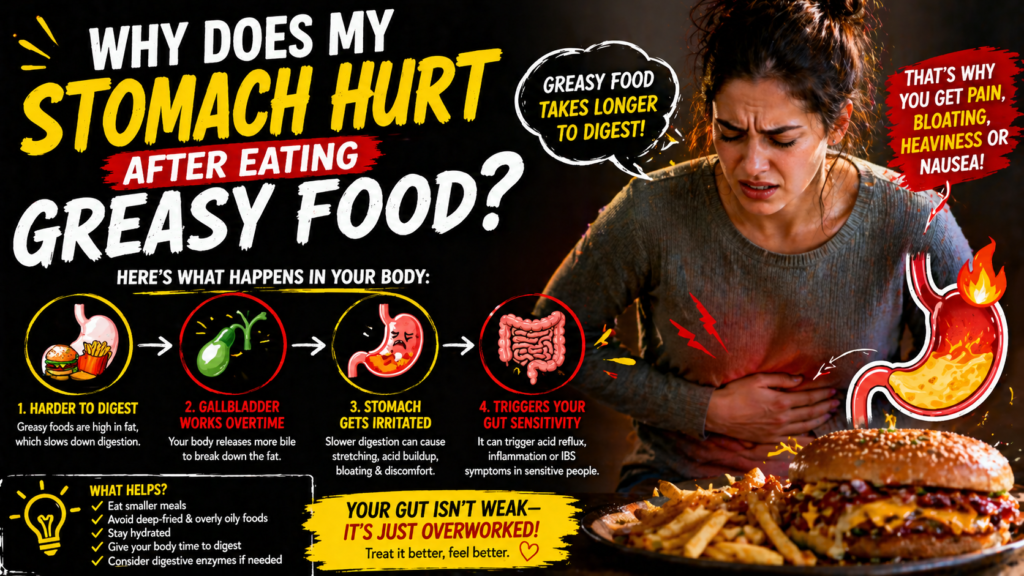
Greasy food wrecking your stomach every time? Here are the specific reasons why — and what actually helps beyond just avoiding everything fried.
Greasy Food and Your Gut — Why the Combination Goes So Wrong
You knew when you ordered it. Maybe even while you were eating it. And sure enough, within an hour you’re dealing with cramps, nausea, bloating, or an urgent need to find a bathroom. Greasy food does a number on a lot of people’s digestive systems — but the reasons why go deeper than most people realize.
It’s not just that fat is “hard to digest.” The actual mechanisms are specific, well understood, and once you know them, they point clearly to what you can do to make things better. Because if greasy food is consistently wrecking your stomach, that’s not something you just have to live with.
What Happens in Your Gut When You Eat Greasy Food
Fat digestion is significantly more complex than carbohydrate or protein digestion. It requires a coordinated effort from multiple organs — your stomach, liver, gallbladder, pancreas, and small intestine all have to work together to process dietary fat properly.
When you eat fat, your stomach slows its emptying rate to give the small intestine time to prepare. Your gallbladder releases bile — a digestive fluid produced by the liver and stored in the gallbladder — to emulsify fat and make it accessible to digestive enzymes. Your pancreas secretes lipase to actually break down the fat molecules. And your small intestine absorbs the resulting fatty acids.
When any step in this chain is impaired — insufficient lipase, sluggish gallbladder function, poor bile production, or simply more fat than the system can handle efficiently — the result is partially digested fat moving through your gut where it doesn’t belong, triggering cramping, urgency, and that general awful feeling you know so well after a greasy meal.


Reason 1: Your Body Isn’t Producing Enough Lipase
Lipase is the enzyme specifically responsible for breaking down dietary fat. Without adequate lipase, fat passes through your small intestine incompletely digested and reaches your large intestine where it causes significant trouble — triggering strong intestinal contractions, loose stools, and cramping.
Lipase production declines with age, is impaired by chronic stress, and is specifically reduced in people with pancreatic insufficiency, chronic pancreatitis, and certain gut conditions. Even without a formal diagnosis, many people produce lipase at a level that handles normal fat intake reasonably well but struggles with high-fat meals — which is exactly why greasy food specifically triggers symptoms when lower-fat meals don’t.

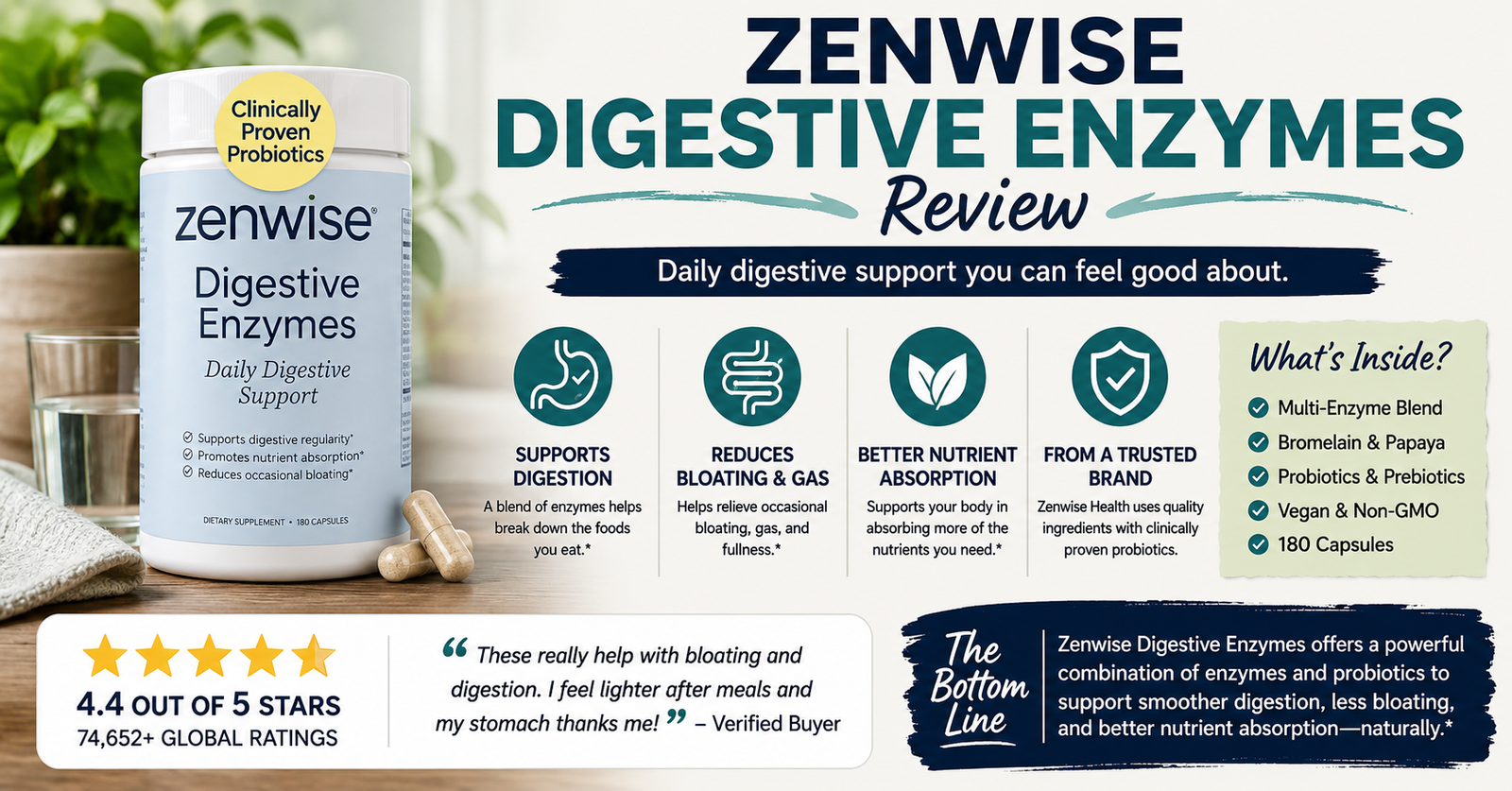
A digestive enzyme supplement that includes lipase addresses this directly. Taking one with your meal ensures adequate fat-digesting capacity regardless of what your pancreas is producing. Our top recommendation is Zenwise Health Digestive Enzymes — it includes lipase alongside a full multi-enzyme blend covering all three macronutrients. 👉 Check the current price on Amazon.
Reason 2: Your Gallbladder Is Struggling
Your gallbladder stores and concentrates bile produced by your liver, releasing it into the small intestine when fat arrives. If your gallbladder isn’t functioning optimally — whether due to gallstones, sludge, or simply sluggish function — the bile release is insufficient or poorly timed, leaving fat inadequately emulsified and hard to digest.
Gallbladder-related fat intolerance tends to produce very specific symptoms: upper right abdominal pain or discomfort after fatty meals, sometimes radiating to the right shoulder or back, often accompanied by nausea. If your greasy food symptoms include upper right pain specifically, your gallbladder is worth discussing with your doctor — especially if symptoms are severe or worsening.
Milder gallbladder sluggishness without stones produces less dramatic symptoms — just generally poor fat tolerance with bloating and discomfort after greasy meals. Increasing bile production naturally through adequate hydration, reducing highly processed vegetable oils, and including bitter foods like rocket, dandelion greens, and lemon juice in your diet can support gallbladder function.
Reason 3: The Gastrocolic Reflex Goes Into Overdrive
Fat is one of the strongest stimulants of the gastrocolic reflex — the signal that tells your colon to contract when food enters your stomach. This is why greasy food so reliably triggers urgent bowel movements, sometimes within minutes of eating.
For people with a sensitive or reactive gut — particularly those with IBS — this fat-triggered gastrocolic reflex is dramatically amplified. What produces a mild urge in someone with a healthy gut produces urgent, sometimes uncontrollable cramping and diarrhea in someone with gut hypersensitivity.
This is one of the reasons rebalancing your gut microbiome makes greasy food more tolerable over time. A well-balanced microbiome reduces gut hypersensitivity and moderates the intensity of the gastrocolic reflex. If IBS is part of your picture, addressing the bacterial imbalance driving that hypersensitivity is a key part of improving fat tolerance long-term.
Reason 4: Fried Food Specifically — The Oxidized Oil Problem
There’s an important distinction between naturally fatty foods — avocado, nuts, eggs, meat — and fried food. Many people who struggle with fried food specifically can handle other high-fat foods reasonably well. The reason isn’t just the fat content — it’s the type of fat and what happens to it during frying.
When vegetable oils are heated to frying temperatures they undergo oxidation — chemical changes that produce compounds the digestive system struggles to handle and that cause direct gut irritation. Repeatedly heated oils — common in restaurant deep fryers that use the same oil for extended periods — are particularly problematic. The gut lining becomes inflamed and irritated, motility is disrupted, and the result is the specific misery that follows a meal of deep-fried food.
This is why some people find that homemade pan-fried food with fresh olive oil or butter causes fewer problems than restaurant deep-fried food — even at similar fat content. The quality and oxidation state of the fat matters enormously, not just the quantity.
Reason 5: Your Gut Bacteria Are Amplifying the Problem
A disrupted gut microbiome handles high-fat meals worse than a healthy, diverse one. Beneficial gut bacteria produce compounds — particularly short-chain fatty acids — that maintain the integrity of the gut lining and regulate the inflammatory response to dietary fat. When beneficial bacteria are depleted and harmful strains predominate, the gut lining is more vulnerable to fat-induced irritation and the inflammatory response to greasy food is stronger.
This is part of why gut health interventions — particularly probiotics — often improve fat tolerance as a side effect. People who start a quality probiotic for bloating or IBS frequently notice that foods that used to wreck them become more manageable over time. The healthier gut environment that develops is simply more resilient to the digestive challenge that greasy food presents.
If greasy food is one of your worst triggers alongside other consistent digestive symptoms, signs your gut desperately needs a probiotic are worth reviewing.
Reason 6: You’re Eating Too Much Fat Too Quickly
Your digestive system’s capacity to process fat is real but finite. Even a healthy gut with optimal enzyme and bile production has a threshold beyond which fat intake exceeds processing capacity — especially when consumed rapidly in a single large meal.
Restaurant portion sizes of fried food frequently exceed what the digestive system can handle comfortably in one sitting. Eating that food quickly — because it’s hot, because you’re hungry, because you’re distracted — compounds the problem by overwhelming the system before it has time to ramp up its fat-digesting response.
Smaller portions of fatty food, eaten slowly and with adequate chewing, are processed dramatically more comfortably than large portions eaten quickly. This isn’t a particularly exciting fix — but it’s a real one.

What Helps — Practical Solutions
Take a digestive enzyme with greasy meals specifically. If you know you’re going to eat something high in fat — a restaurant meal, takeout, anything fried — taking a lipase-containing digestive enzyme at the start of the meal gives your body the fat-digesting support it needs. This is one of the most legitimate targeted uses of enzyme supplementation. Zenwise Digestive Enzymes covers lipase alongside a full enzyme blend — 👉 check the price on Amazon.
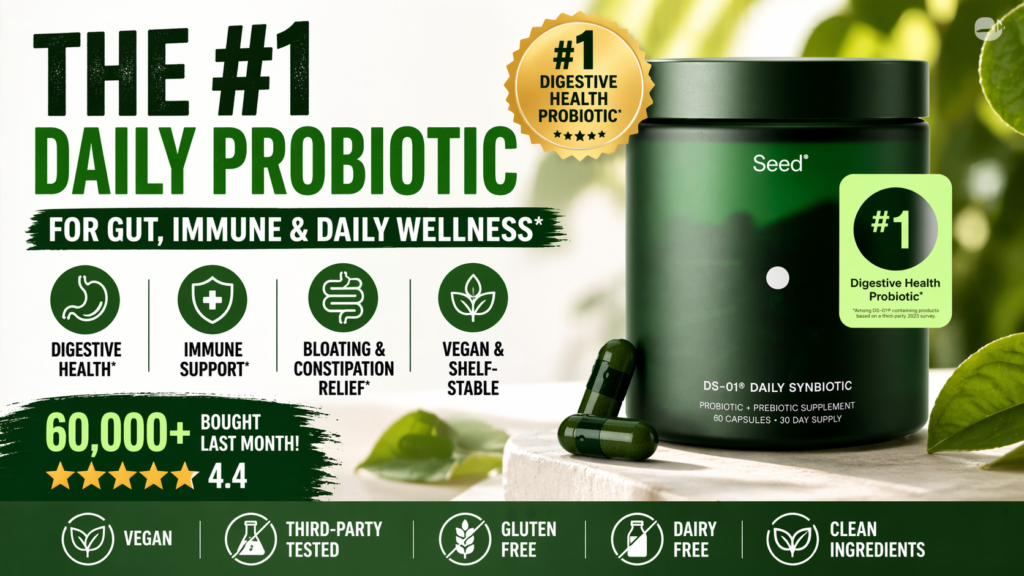
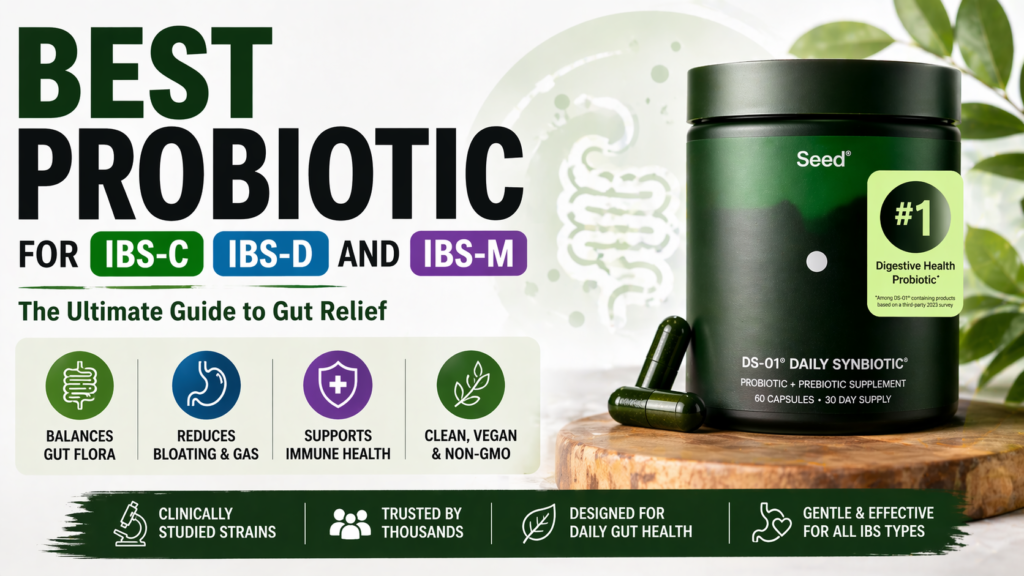
Support your gut microbiome long-term. A healthier microbiome means a more resilient gut that handles dietary fat better. This is a 60–90 day project rather than an immediate fix — but the payoff is a gut that’s genuinely less reactive to greasy food rather than one that requires constant management. Seed DS-01 is our top recommendation. 👉 Check the price on Amazon.
Choose better fats when you have the choice. Olive oil, butter, avocado oil, and coconut oil at moderate temperatures cause significantly less gut irritation than repeatedly heated industrial seed oils. When you’re cooking at home, the fat choice matters as much as the quantity.
Eat greasy food more slowly and in smaller portions. Your fat-digesting capacity is real but not unlimited. Smaller portions eaten slowly give your gallbladder, pancreas, and small intestine time to respond proportionally rather than being overwhelmed all at once.
Don’t eat greasy food on an empty stomach. Starting a high-fat meal with something lower in fat — a salad, soup, or some protein — gives your digestive system a chance to activate before the heavier fat load arrives.
Stay well hydrated. Bile production and digestive enzyme function both require adequate hydration. Eating greasy food when chronically dehydrated — which most people are — makes fat digestion meaningfully worse.
When Greasy Food Stomach Pain Needs Medical Attention
Most people who feel sick after greasy food are dealing with functional digestive issues — enzyme deficiency, gut sensitivity, microbiome disruption. But some presentations need proper evaluation.
See your doctor if you experience:
- Severe upper right abdominal pain after fatty meals — this is the classic gallbladder attack pattern
- Pain that radiates to your right shoulder or back after eating fat
- Yellowing of your skin or eyes alongside digestive symptoms
- Pale, oily, or floating stools that are difficult to flush — this can indicate significant fat malabsorption from pancreatic issues
- Severe nausea or vomiting consistently after fatty meals
- Symptoms that are progressive and worsening over weeks
Gallstones and pancreatitis in particular can present as fat intolerance before more dramatic symptoms appear. If your symptoms are severe or match the gallbladder pattern above, don’t just manage it — get it checked.

Frequently Asked Questions
Why does greasy food upset my stomach so much?
Fat requires the most complex digestive process of all three macronutrients — coordinated bile release, lipase enzyme production, and small intestine absorption. When any part of this chain is impaired — low lipase, sluggish gallbladder, gut bacterial imbalance, or simply more fat than the system can handle — stomach pain, cramping, nausea, and diarrhea follow.
Does everyone get stomach pain from greasy food?
No — people with healthy digestive function, adequate enzyme production, and a well-balanced gut microbiome can handle reasonable amounts of dietary fat comfortably. Consistent severe reactions to greasy food signal a digestive system that needs support.
Can digestive enzymes help with greasy food stomach pain?
Yes — specifically lipase-containing enzymes taken at the start of the meal. Lipase is the fat-specific digestive enzyme, and supplementing it directly addresses the most common enzymatic cause of poor fat digestion. The best digestive enzymes for this purpose are broad-spectrum products that include lipase prominently.
Why does fried food specifically cause more problems than other fatty foods?
The oxidized oils in fried food — especially restaurant deep-fried food cooked in repeatedly heated oil — cause direct gut lining irritation beyond what the fat content alone would produce. This is why many people tolerate naturally fatty whole foods better than fried food at similar fat content.
Is greasy food stomach pain a sign of IBS?
Fat intolerance is common in IBS — particularly IBS-D — because fat is one of the strongest triggers of the gastrocolic reflex, which is amplified in IBS. If greasy food is just one of many digestive triggers for you, IBS is worth discussing with your doctor. Managing IBS with the right probiotic often improves fat tolerance as part of the broader improvement.
How long does greasy food stomach pain last?
For most people, the acute discomfort resolves within 2–4 hours as the offending meal passes through the system. If pain from a greasy meal persists significantly longer than this — especially upper right pain lasting more than 6 hours — this warrants medical evaluation for gallbladder issues.
You Don’t Have to Avoid Every Greasy Meal Forever
Greasy food sensitivity isn’t a life sentence. For most people it’s a sign of a digestive system that needs support — not a permanent dietary restriction. Adequate enzyme supplementation handles the immediate problem. Gut microbiome rebalancing improves resilience over the long term. Smarter fat choices reduce the oxidized oil irritation that makes fried food specifically so problematic.
Address the underlying causes rather than just avoiding everything fried. Your gut is more fixable than you think.
More from TummyCure:
- Zenwise Digestive Enzymes — Full Review
- Best Digestive Enzymes for Bloating
- Do Digestive Enzymes Help IBS?
- Why Am I Bloated After Every Meal?
- Why Do I Feel Sick After Eating But Not Hungry?
- Why Does My Stomach Hurt After Eating But Goes Away After Pooping?
- Stomach Pain After Eating Pork
- Best Probiotic for IBS
- The Complete Gut Health Guide
- 8 Signs Your Gut Needs a Probiotic
About the Author
Rachel Donnelly is a certified nutritional health coach and gut health writer who spent years struggling with IBS and bloating before making digestive wellness her specialty. She writes for TummyCure with one goal: cut through the noise and tell you what actually works. When she’s not deep in microbiome research, she’s fermenting things in her kitchen and losing arguments with her husband about whether kombucha counts as a dessert.
As an Amazon Associate we earn from qualifying purchases through some links in our articles.