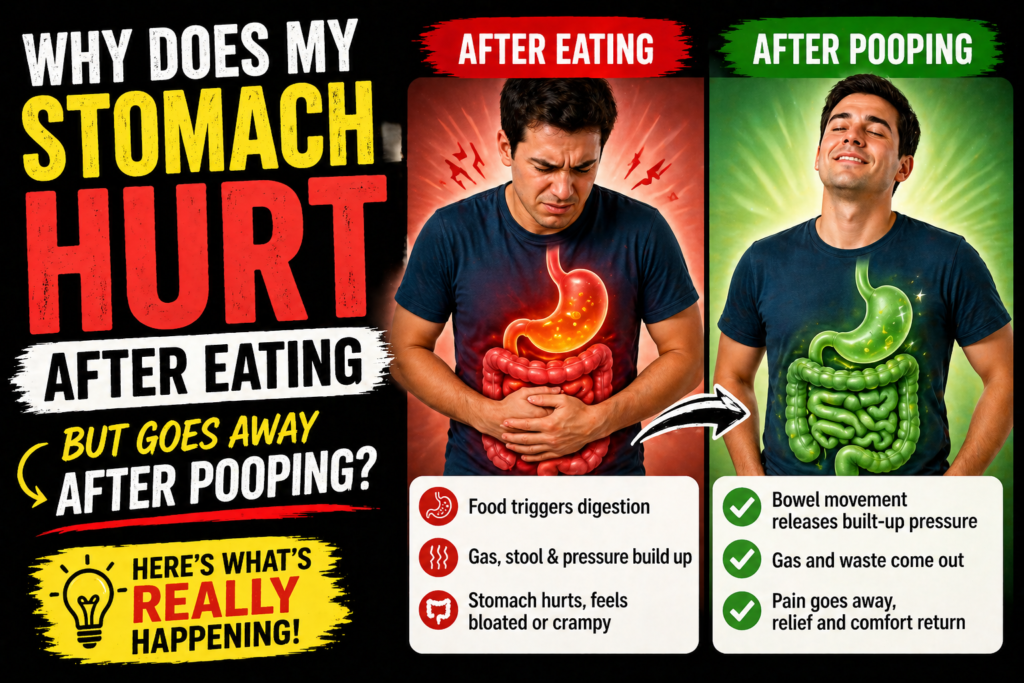
If your stomach cramps after eating but feels better after a bowel movement, there’s a specific reason — and it’s very fixable. Here’s what’s actually happening in your gut.
That Specific Pattern Has a Name — And It’s More Common Than You Think
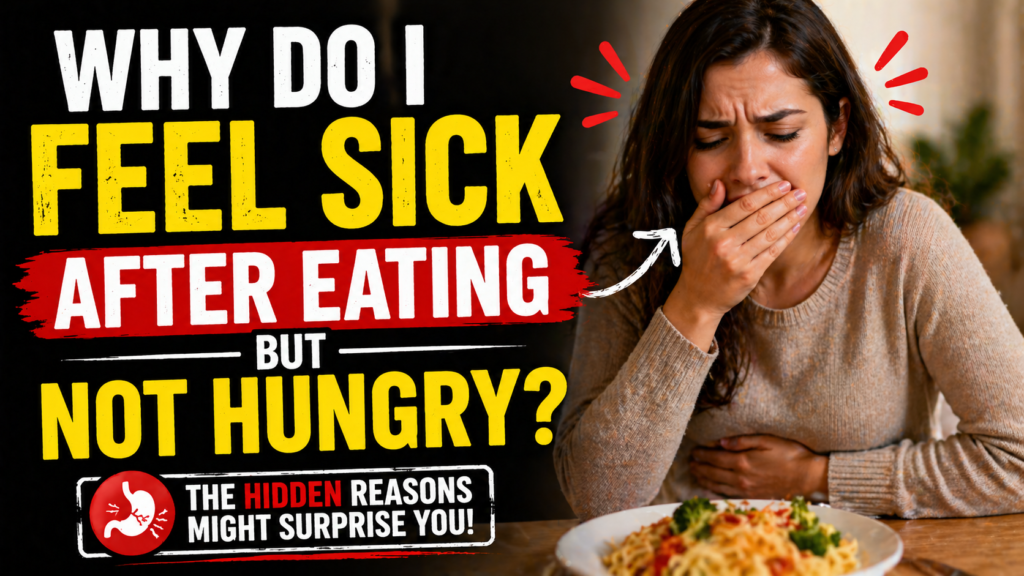
You eat a meal. Within 20 to 60 minutes your stomach starts cramping, bloating, and generally making you miserable. You feel pressure building in your abdomen. Then you go to the bathroom — and almost immediately you feel significantly better. The pain and pressure that was there a few minutes ago is mostly gone.
If this cycle happens to you regularly, you’ve probably wondered what on earth is going on in your gut. Why does eating trigger pain? Why does going to the bathroom make it better? Is this normal? Should you be worried?
The good news first: this specific pattern — stomach pain or cramping after eating that resolves after a bowel movement — is extremely common and in most cases is a sign of a manageable gut issue rather than anything dangerous. The better news: once you understand what’s actually causing it, fixing it becomes a lot more straightforward.
One of the fastest-acting interventions for this pattern is a digestive enzyme taken with every meal. Read our full Zenwise Digestive Enzymes review or 👉 check the current price on Amazon.
What’s Actually Happening in Your Gut
To understand this pattern you need to understand one key mechanism: the gastrocolic reflex.
The gastrocolic reflex is a normal physiological response — when food enters your stomach, your colon receives a signal to contract and make room for the incoming material. This is why most people feel an urge to use the bathroom shortly after eating, especially after larger meals. It’s your digestive system’s way of moving things along to accommodate what’s coming in.
In people with a healthy, well-balanced gut, this reflex is mild and comfortable. You feel a gentle urge, you go, and that’s that. But in people with an irritable or inflamed gut — particularly those with IBS, SIBO, or a disrupted microbiome — this reflex is exaggerated. The colonic contractions triggered by eating are stronger and more uncomfortable than they should be. The result is cramping and pain after meals that only resolves once that colonic contraction completes and you’ve had a bowel movement.
That’s the core mechanism. But several different underlying conditions can amplify this reflex and create the specific pattern you’re experiencing.
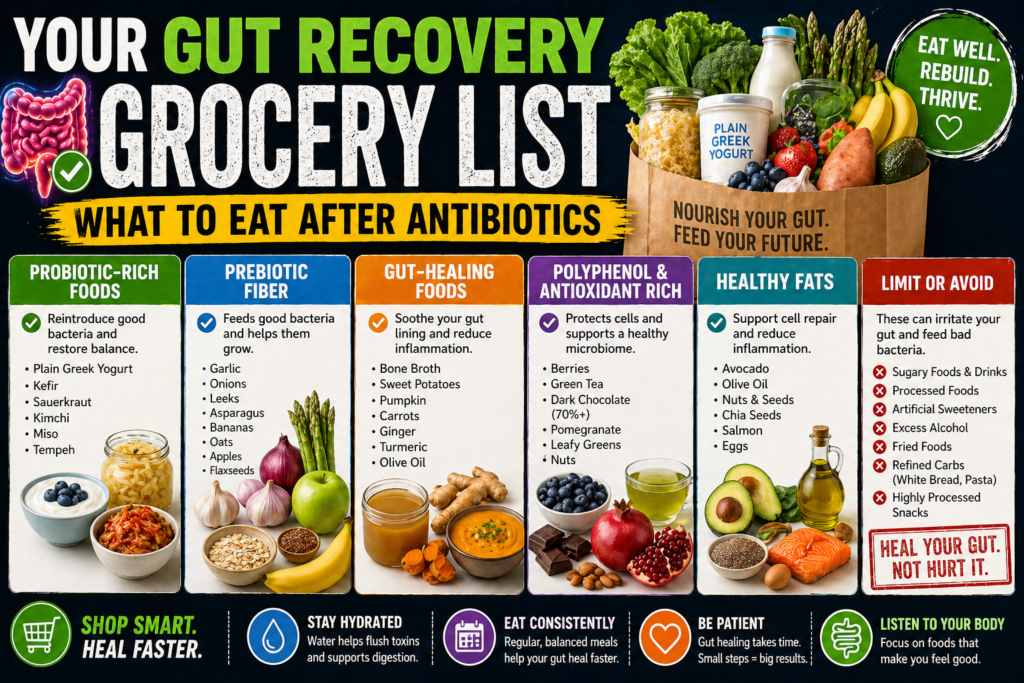

Cause 1: Irritable Bowel Syndrome (IBS)
This pattern is one of the most classic presentations of IBS — and if you experience it regularly, IBS is the most likely explanation worth investigating.
IBS is characterized by a hypersensitive gut. The same amount of colonic contraction that feels like nothing to someone without IBS feels like significant cramping to someone with it. The nerve sensitivity in the gut wall is turned up too high, so normal digestive activity registers as pain. Eating — which triggers the gastrocolic reflex — sets off a chain reaction of contractions that feel far more intense than they should, producing the cramping and urgency that resolves after a bowel movement.
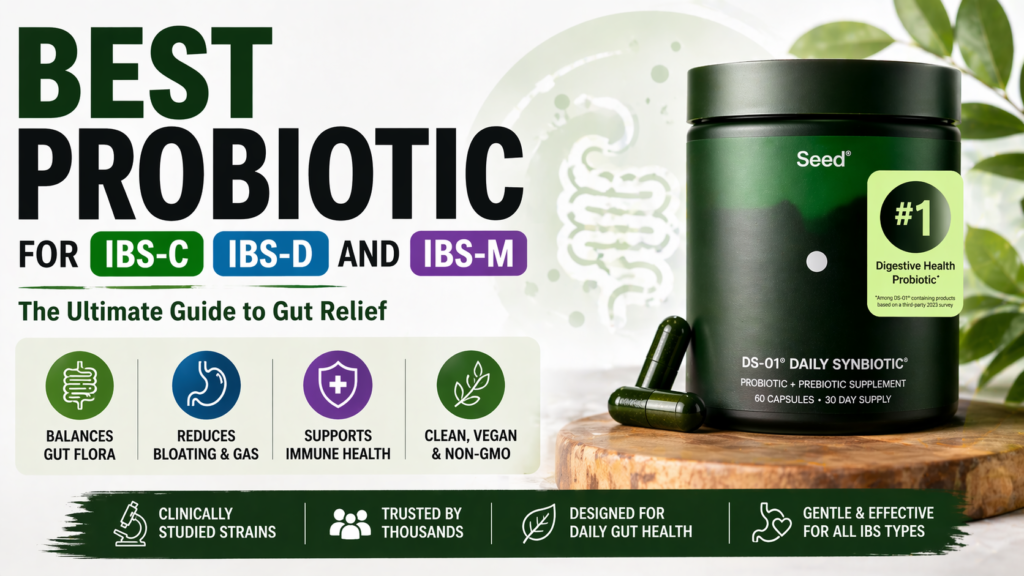
IBS comes in several types. IBS-D (diarrhea dominant) tends to produce this pattern most strongly — the pain after eating is followed by urgent, loose bowel movements and then relief. IBS-C (constipation dominant) produces a similar pattern but with harder, more difficult to pass stools. IBS-M (mixed) alternates between both. Choosing the right probiotic for your specific IBS type is one of the most important steps in managing this pattern long-term.
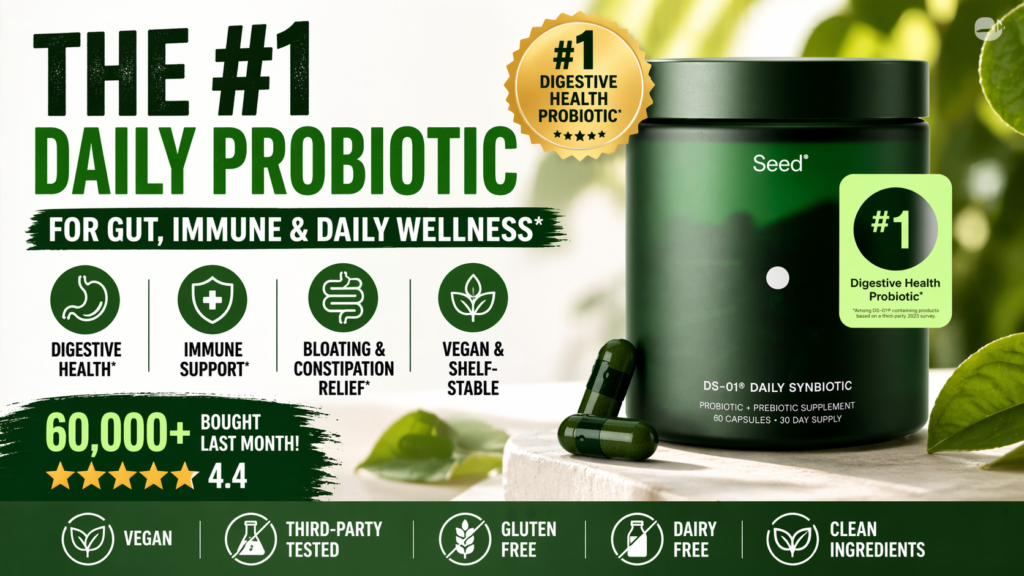
The gut microbiome plays a central role in IBS — and rebalancing it with a quality synbiotic like Seed DS-01 is one of the most evidence-backed approaches to reducing the gut hypersensitivity that makes this post-meal pain so pronounced. 👉 Check the current price of Seed DS-01 on Amazon.
Cause 2: Poor Food Breakdown and Gut Fermentation
When your body doesn’t produce enough digestive enzymes to properly break down food in the stomach and small intestine, that undigested material reaches your large intestine where bacteria ferment it aggressively. That fermentation produces gas and triggers strong colonic contractions — exactly the cramping and pressure you feel after eating.
The bowel movement that relieves your pain isn’t just expelling waste — it’s expelling the gas and fermentation byproducts that were creating the pressure and triggering the cramping in the first place. Once that pressure releases, the pain goes with it.
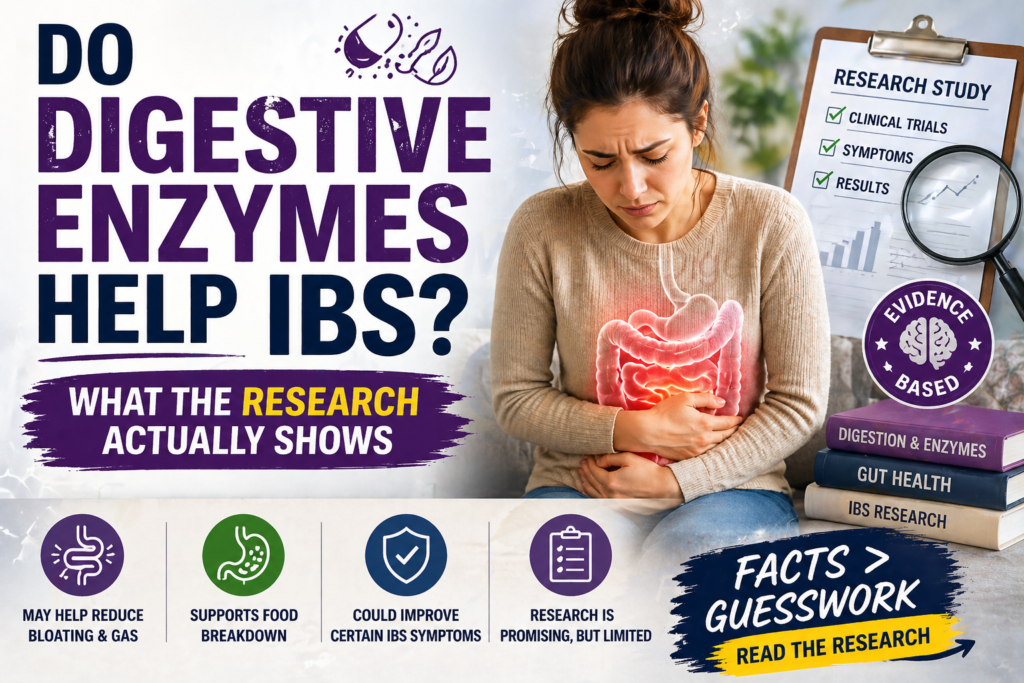
This is why digestive enzymes are one of the most direct and fast-acting interventions for this pattern. When food is properly broken down before it reaches your colon, there’s significantly less fermentation, less gas production, and less of the colonic pressure that triggers post-meal cramping. The research on digestive enzymes for IBS and gut cramping supports this mechanism clearly.
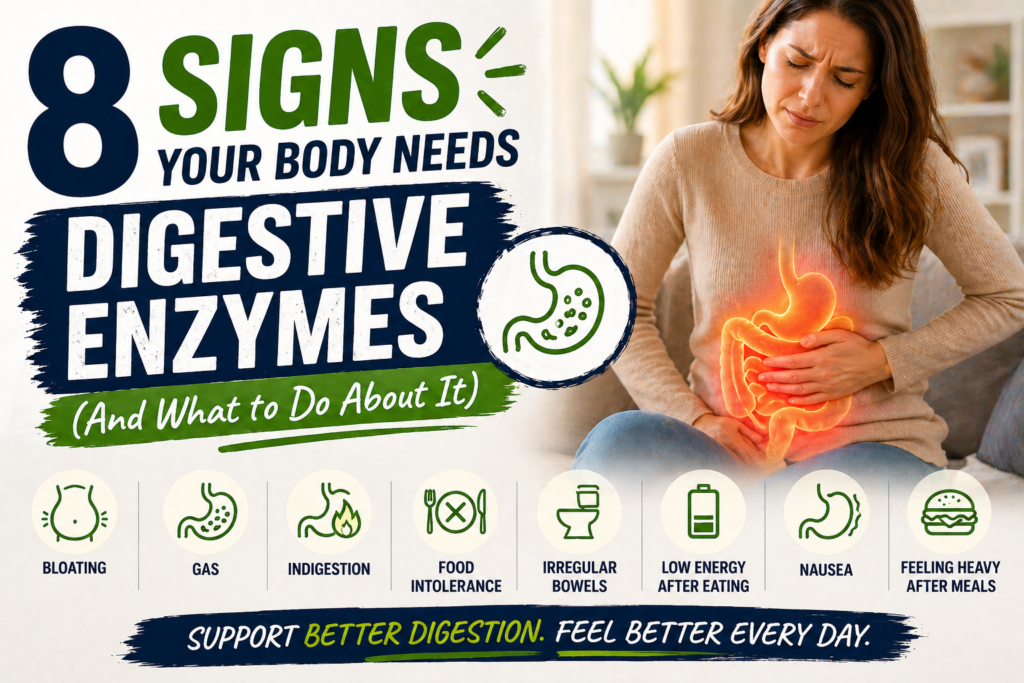
Signs that enzyme deficiency is driving your post-meal pain include bloating that builds quickly after eating, gas that’s excessive or particularly foul-smelling, and pain that’s specifically worse after carb-heavy, dairy-containing, or fatty meals. These 8 signs your body needs digestive enzymes give you a clearer picture of whether this is your primary issue.

Cause 3: Food Intolerances You May Not Know You Have
Food intolerances — particularly lactose intolerance and fructose malabsorption — are extremely common and frequently undiagnosed. They produce post-meal cramping that resolves after a bowel movement through exactly the mechanism described above: undigested food reaching the colon, triggering fermentation, generating gas and pressure, and causing cramping that only resolves once the bowel empties.
Lactose intolerance is the most common. If your post-meal pain is consistently worse after dairy-containing meals — milk, cheese, ice cream, creamy sauces — lactose reaching your colon undigested is a very likely culprit. A digestive enzyme supplement that includes lactase handles this directly.
Fructose malabsorption is less well known but very common. Fructose — found in fruit, honey, high-fructose corn syrup, and many processed foods — passes to the colon unabsorbed in people who malabsorb it, where it ferments heavily and causes exactly this pattern of post-meal cramping and urgent bowel movements.
FODMAP sensitivity more broadly covers a range of fermentable carbohydrates — including fructose, lactose, certain fibers, and sugar alcohols — that cause significant gut symptoms in sensitive individuals. Garlic and onions are at the top of the FODMAP list, which is why meals heavy in these ingredients so reliably trigger post-meal pain in people with this sensitivity.
Cause 4: An Imbalanced Gut Microbiome
Your gut bacteria don’t just passively sit in your colon. They actively influence gut motility, pain sensitivity, inflammation, and the strength of the gastrocolic reflex. A microbiome weighted toward harmful, gas-producing bacteria produces more aggressive fermentation, more colonic contractions, and more post-meal pain than a balanced microbiome does.
This is the deeper, longer-game explanation for why this pattern persists for some people even when they’re careful about what they eat. It’s not just about which foods you’re eating — it’s about the bacterial environment those foods are landing in. A disrupted microbiome makes your gut reactive to foods that a healthy microbiome would handle without incident.
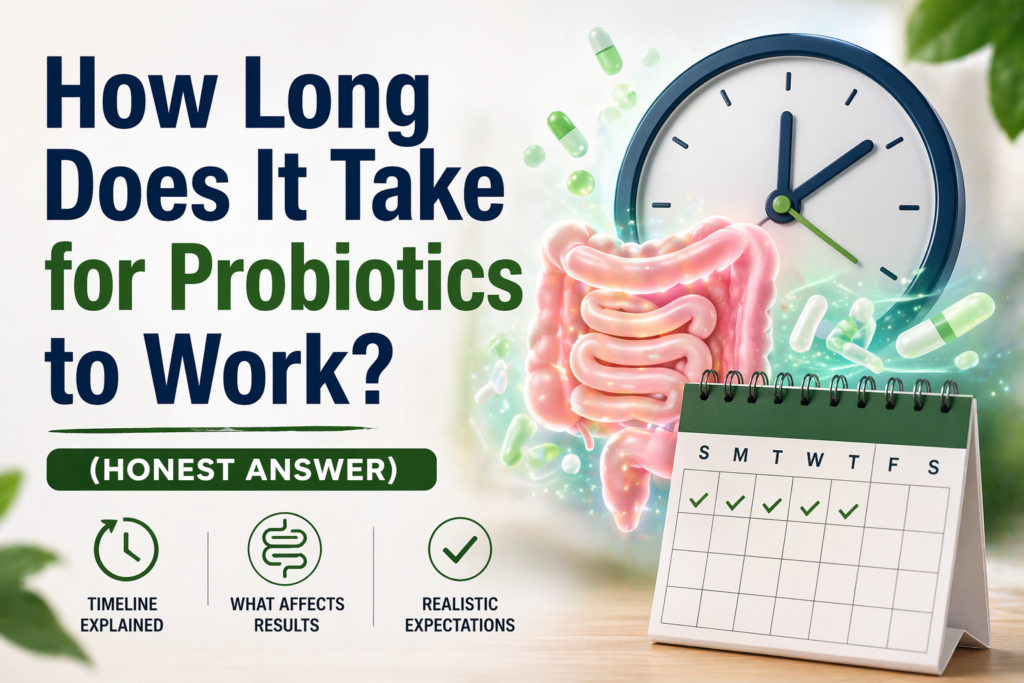
Rebalancing the microbiome with a quality multi-strain synbiotic addresses this at the root. The improvement isn’t immediate — you’re shifting a complex ecosystem of trillions of organisms — but at the 4–8 week mark most people with this pattern notice a meaningful reduction in post-meal reactivity. Understanding the honest timeline for probiotic results helps set appropriate expectations so you don’t quit too early.
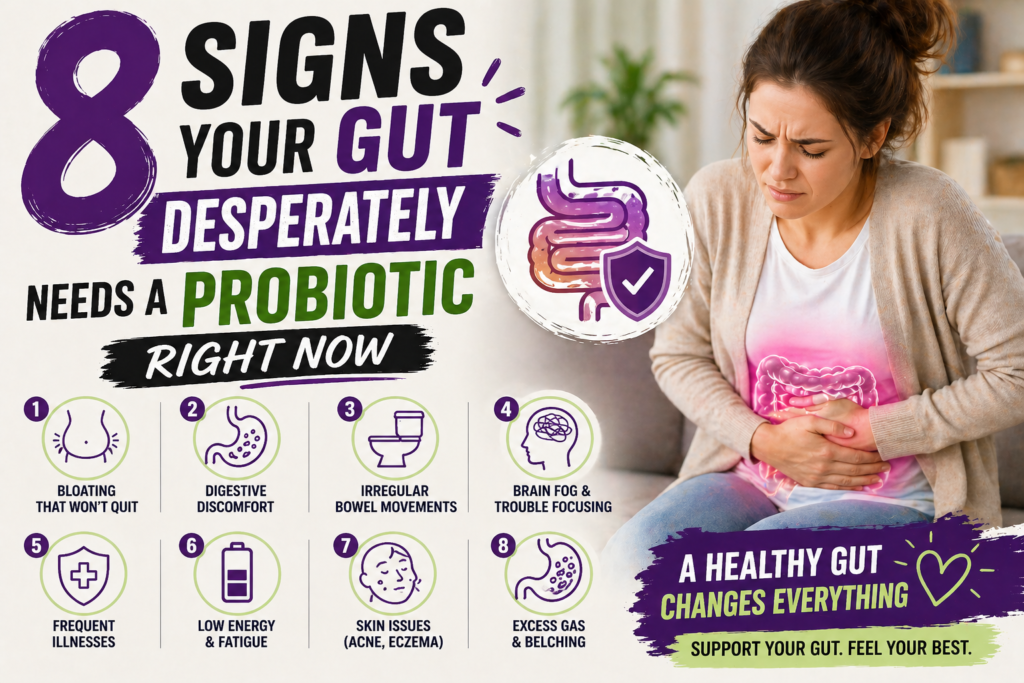
If you’re not sure whether your microbiome needs help, these 8 signs your gut desperately needs a probiotic are worth reading.
Cause 5: SIBO — Small Intestinal Bacterial Overgrowth
SIBO occurs when bacteria that normally populate your large intestine migrate into the small intestine where they don’t belong. In the small intestine they ferment food much earlier in the digestive process than they should — producing gas and triggering contractions in a place where your body isn’t equipped to handle it comfortably.
SIBO produces post-meal symptoms that come on faster and more severely than typical IBS — often within 15–30 minutes of eating rather than an hour. The pain can be significant and the bloating visible. It’s frequently misdiagnosed as IBS because the symptoms overlap substantially.
If your post-meal pain is severe, comes on very quickly after eating, and is accompanied by significant visible abdominal distension, SIBO is worth investigating with your doctor through a hydrogen breath test. This is one situation where identifying the specific cause before starting treatment makes a meaningful difference to the effectiveness of the approach.
Cause 6: Stress and the Gut-Brain Connection
Stress doesn’t just affect your mood and your muscle tension. It directly affects your gut — and the gut-brain connection means that a stressed nervous system produces a more reactive, more sensitive digestive tract.
Chronic stress increases the sensitivity of the gut lining’s nerve endings — meaning the same amount of colonic contraction that would be imperceptible in a relaxed state registers as cramping in a stressed one. It also increases the speed and strength of the gastrocolic reflex — so eating while stressed produces stronger, more painful colonic contractions than eating in a calm state.
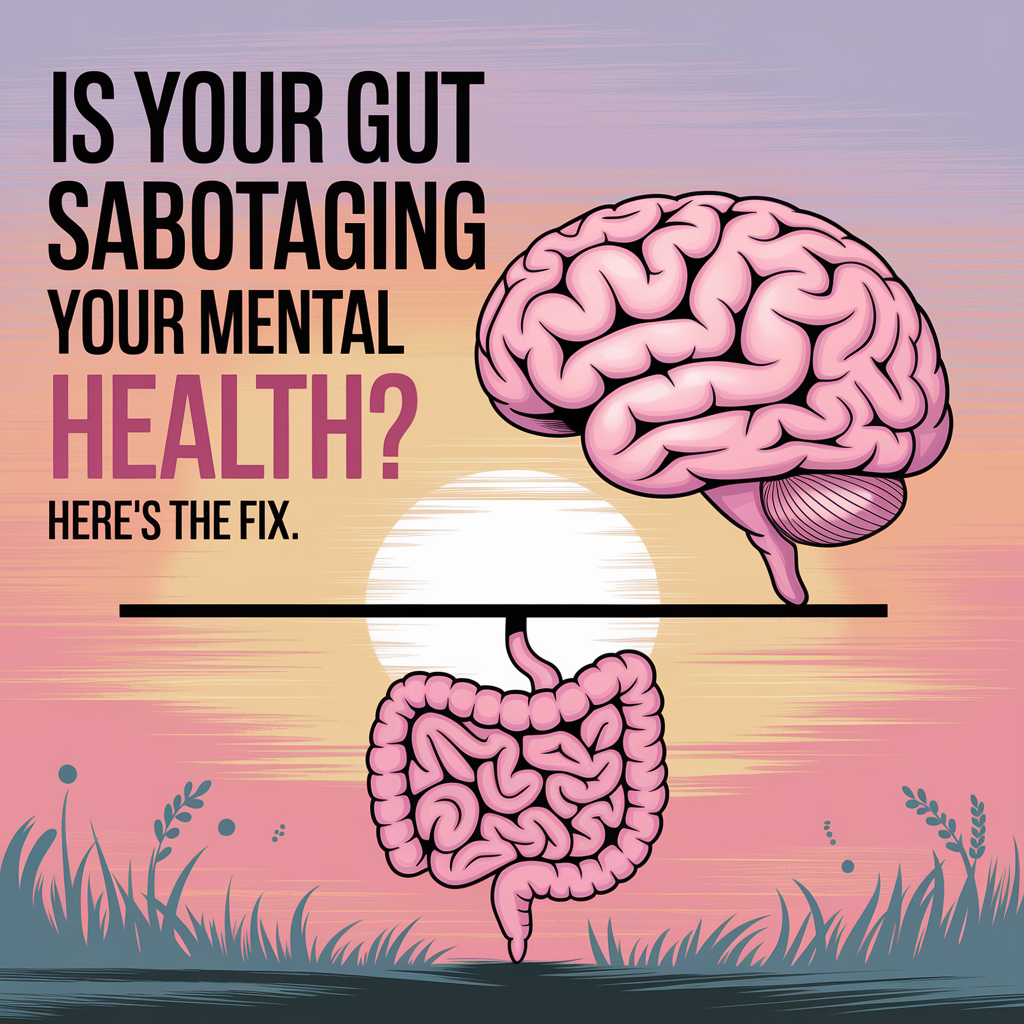
If you notice your post-meal pain is significantly worse on stressful days, or during stressful periods of your life, the gut-brain connection is directly at work. This doesn’t mean the pain isn’t real — it very much is. It means managing your stress response is a legitimate and effective part of managing your digestive symptoms, not just a vague lifestyle recommendation. The connection between gut health and mental health runs deeper than most people realize.


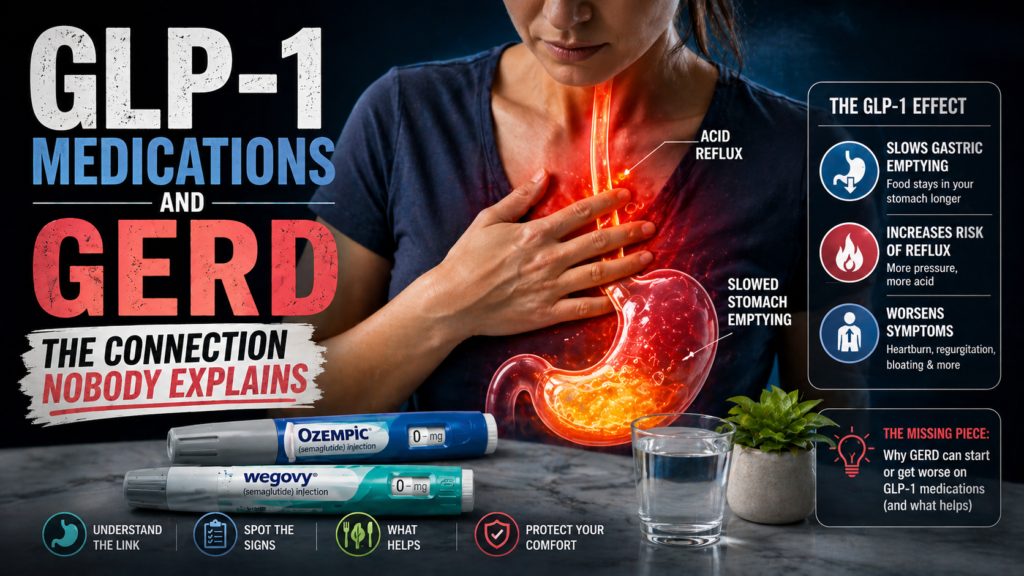
Cause 7: Gastritis or Gut Inflammation
Inflammation of the stomach lining (gastritis) or the intestinal wall produces post-meal pain through a different mechanism than the fermentation and reflex issues above — but the pattern of pain after eating and relief after emptying can still occur.
Gastritis pain tends to be felt more in the upper abdomen, is often described as burning or gnawing rather than cramping, and may be worse on an empty stomach as well as after eating. H. pylori infection is a common cause. Chronic NSAID use (ibuprofen, aspirin) is another significant one.
If your pain is upper abdominal, burning in character, or accompanied by nausea, this category is worth discussing with your doctor — particularly to rule out H. pylori and assess whether the stomach lining itself needs attention.
When to See a Doctor
Most post-meal cramping that resolves after a bowel movement is functional — meaning it’s driven by gut sensitivity, bacterial imbalance, or enzyme deficiency rather than structural disease. But certain warning signs indicate the need for medical evaluation rather than self-treatment.
See your doctor if you experience:
- Blood in your stool or on the toilet paper
- Unexplained weight loss alongside your digestive symptoms
- Pain that doesn’t fully resolve after a bowel movement
- Symptoms that are getting progressively worse over weeks
- Fever alongside your digestive symptoms
- A family history of colorectal cancer or inflammatory bowel disease
- Waking from sleep with pain — this is particularly significant
These can signal inflammatory bowel disease, colorectal issues, or other conditions that need proper diagnosis. For most people reading this, the pattern they’re experiencing is functional and addressable — but it’s always worth ruling out the serious stuff, especially if symptoms are severe or changing.
What Actually Helps — The Practical Protocol
If the warning signs above don’t apply to you and your pattern sounds like the functional, IBS-adjacent kind of post-meal pain — here’s what actually makes a difference.
Start digestive enzymes with every meal. This is the fastest-acting intervention. By ensuring food gets properly broken down before reaching your colon, you dramatically reduce the fermentation and gas that triggers the strong colonic contractions causing your pain. Take one capsule of Zenwise Health Digestive Enzymes right at the start of every meal. Many people notice meaningful improvement within the first week. 👉 Check the price on Amazon.
Add a quality synbiotic for long-term microbiome repair. The bacterial imbalance driving gut hypersensitivity and excessive fermentation needs to be addressed at the root. Seed DS-01 is our top recommendation — 24 clinically studied strains, acid-resistant nested capsule, prebiotic included. Give it 60–90 days of daily consistency. 👉 Check the price on Amazon.
Identify and reduce your biggest food triggers. Keep a simple food and symptom diary for two weeks. Note what you ate and when pain occurs. Patterns will emerge — specific foods or food types that consistently trigger the worst reactions. Start by reducing those specifically rather than trying to overhaul your entire diet at once.
Eat more slowly and in smaller portions. A large meal triggers a stronger gastrocolic reflex than a smaller one. Eating quickly means more swallowed air and less chewing — both of which increase the undigested food load reaching your colon. Smaller meals, eaten slowly and chewed thoroughly, reduce the intensity of the post-meal response.
Manage stress around mealtimes. Even a few slow deep breaths before sitting down to eat activates the parasympathetic nervous system and measurably reduces the intensity of the gastrocolic reflex. Eating away from screens, work, and stressful conversations gives your nervous system the calm state that allows digestion to proceed more gently.
Consider a low-FODMAP approach temporarily. Reducing high-FODMAP foods — garlic, onions, beans, certain fruits, wheat, dairy — for 4–6 weeks while your gut heals can dramatically reduce post-meal pain for people with significant FODMAP sensitivity. This isn’t meant to be permanent — it’s a reset while the underlying bacterial and enzyme issues are being addressed.
The Gut Ecosystem View — Why Everything Connects
The post-meal pain pattern you’re experiencing isn’t one isolated problem with one isolated cause. It’s the expression of a gut ecosystem that’s out of balance in several interconnected ways — insufficient enzyme production, disrupted bacterial communities, heightened gut nerve sensitivity, and a gastrocolic reflex that’s amplified beyond what it should be.
This is why the most effective approach addresses multiple levers simultaneously. Enzymes for immediate meal-by-meal improvement. Probiotics for bacterial rebalancing. Dietary adjustments to reduce the fermentation load. Stress management to calm the gut-brain axis. Each one improves the situation — all of them together transform it.
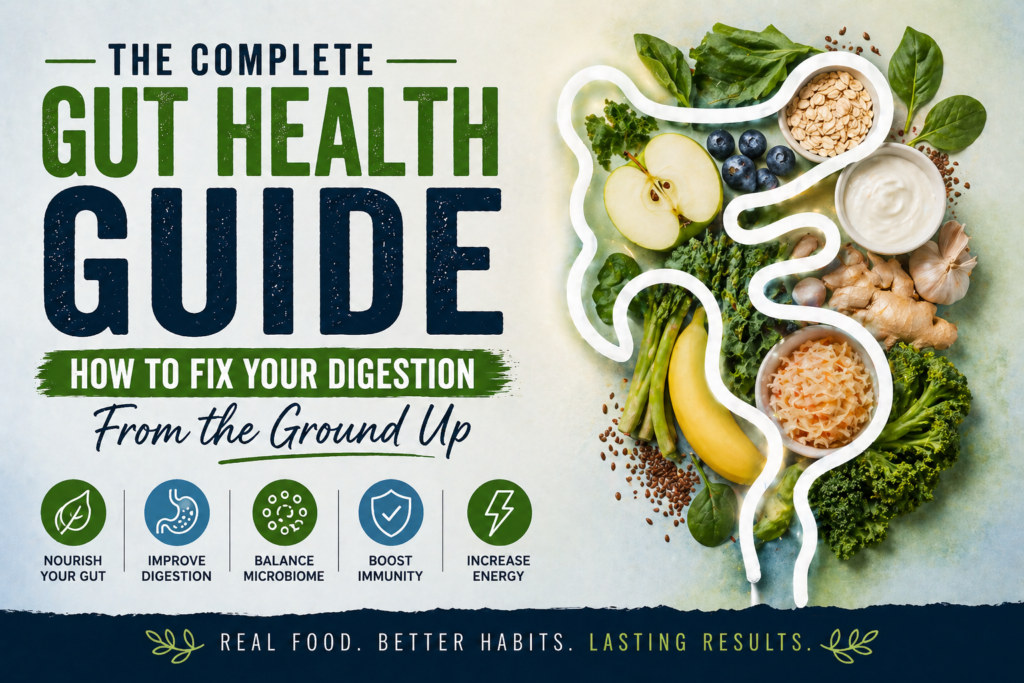
The complete gut health guide covers the full picture of how all these systems interact and how to approach rebuilding gut health from the ground up if you want the comprehensive view.
Frequently Asked Questions
Why does my stomach hurt after eating but feel better after I poop?
The most common reason is an overactive gastrocolic reflex — the normal signal that tells your colon to contract when food enters your stomach is amplified, causing cramping that only resolves once the bowel empties. This is typical of IBS, gut bacterial imbalance, and excessive fermentation from undigested food reaching the colon.
Is it normal for stomach pain to go away after pooping?
Yes — this specific pattern is extremely common. Pain or cramping after eating that resolves after a bowel movement is one of the defining features of IBS and functional gut disorders. It’s not dangerous in most cases, but it is a clear signal that your gut needs support.
What does it mean when you have stomach pain after eating?
Post-meal stomach pain most commonly signals one of several things: IBS or gut hypersensitivity, poor food breakdown from enzyme deficiency, food intolerances (lactose, fructose, FODMAPs), bacterial imbalance causing excessive fermentation, or SIBO. The pattern of when the pain comes and what relieves it helps identify which cause is primary.
Can probiotics help with stomach pain after eating?
Yes — over time. A quality probiotic rebalances the gut bacteria driving excessive fermentation and gut hypersensitivity. The improvement takes 4–8 weeks of consistent daily use but addresses the root cause rather than just the symptom. Our top recommendation is Seed DS-01.
Can digestive enzymes stop stomach pain after eating?
For pain caused by poor food breakdown and subsequent fermentation, yes — often within the first week of use. A comprehensive enzyme supplement like Zenwise ensures food gets properly broken down before reaching the bacteria in your colon, dramatically reducing the fermentation that triggers cramping.
Should I see a doctor for stomach pain after eating?
If the pain is mild to moderate, follows the pattern described here, and resolves completely after a bowel movement without any warning signs — blood in stool, weight loss, fever, progressive worsening — managing it with the approaches in this article is a reasonable starting point. If any warning signs are present, see your doctor.
What foods cause stomach pain after eating?
The most common triggers for post-meal cramping are high-FODMAP foods — garlic, onions, beans, wheat, certain fruits — along with dairy for lactose-sensitive people, fatty foods, and large carbohydrate portions. Keeping a food diary for two weeks is the fastest way to identify your specific triggers.
Your Gut Can Work Better Than This
Post-meal pain that goes away after pooping is one of those symptoms that people suffer through for years without ever really addressing — partly because it resolves on its own each time, and partly because it’s embarrassing to talk about. But suffering through it every day isn’t inevitable.
The causes are specific. The solutions are targeted. And with the right combination of digestive enzyme support, microbiome rebalancing, and smart dietary adjustments, most people with this pattern see meaningful improvement within a few weeks and significant improvement within 60–90 days.
Your gut is asking for help. This is how you give it.
👉 Try Zenwise Digestive Enzymes on Amazon — fastest acting for post-meal cramping relief.
👉 Try Seed DS-01 on Amazon — long-term microbiome repair.
More from TummyCure:
- The Complete Gut Health Guide
- Why Am I Bloated After Every Meal?
- Best Probiotic for IBS-C, IBS-D and IBS-M
- Do Digestive Enzymes Help IBS?
- Zenwise Digestive Enzymes — Full Review
- Seed DS-01 — Full Review
- Digestive Enzymes vs Probiotics
- Living With IBS-D
- IBS-M Relief
- Why Does My Stomach Feel Worse After I Poop?
- Why Do I Feel Like I Have to Poop But Nothing Comes Out?
About the Author
Rachel Donnelly is a certified nutritional health coach and gut health writer who spent years struggling with IBS and bloating before making digestive wellness her specialty. She writes for TummyCure with one goal: cut through the noise and tell you what actually works. When she’s not deep in microbiome research, she’s fermenting things in her kitchen and losing arguments with her husband about whether kombucha counts as a dessert.
As an Amazon Associate we earn from qualifying purchases through some links in our articles.