The first time someone suggested my burping might be related to anxiety, I honestly didn’t believe them.
It didn’t make sense.
My stomach was the problem, not my mind.
Or at least that’s what I thought.
But after paying closer attention, I started noticing something interesting. On weekends, vacations, or evenings when life was calm, I barely burped at all. During stressful workdays or busy weeks, I seemed to burp almost constantly.
That doesn’t mean anxiety was “all in my head.” The physical relationship between digestion and mental health is explored in Can Leaky Gut Cause Anxiety and Depression? What the Research Actually Shows.
It means my brain and digestive system were talking to each other much more than I realized.
If you’ve noticed yourself burping more during stressful situations, you’re definitely not alone. Anxiety can affect nearly every part of digestion, from how much air you swallow to how quickly your stomach empties.
The encouraging news is that once you understand the connection, it often becomes much easier to manage.
Can Anxiety Really Make You Burp?
Yes.
I was surprised to learn there’s a very real physical reason for it.
When you’re anxious, your body automatically shifts into what’s often called a “fight-or-flight” response.
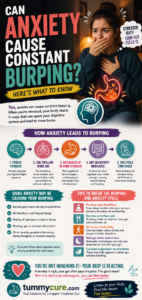
That response changes much more than your heart rate.
It also affects:
- Your breathing.
- Your swallowing.
- Your stomach muscles.
- Your digestion.
- How sensitive you become to normal digestive sensations.
The result is that many people burp much more often during periods of stress, even though nothing has changed about what they’re eating.
Why Your Brain and Gut Are Connected
One of the most fascinating things I learned is that your brain and digestive system are constantly communicating.
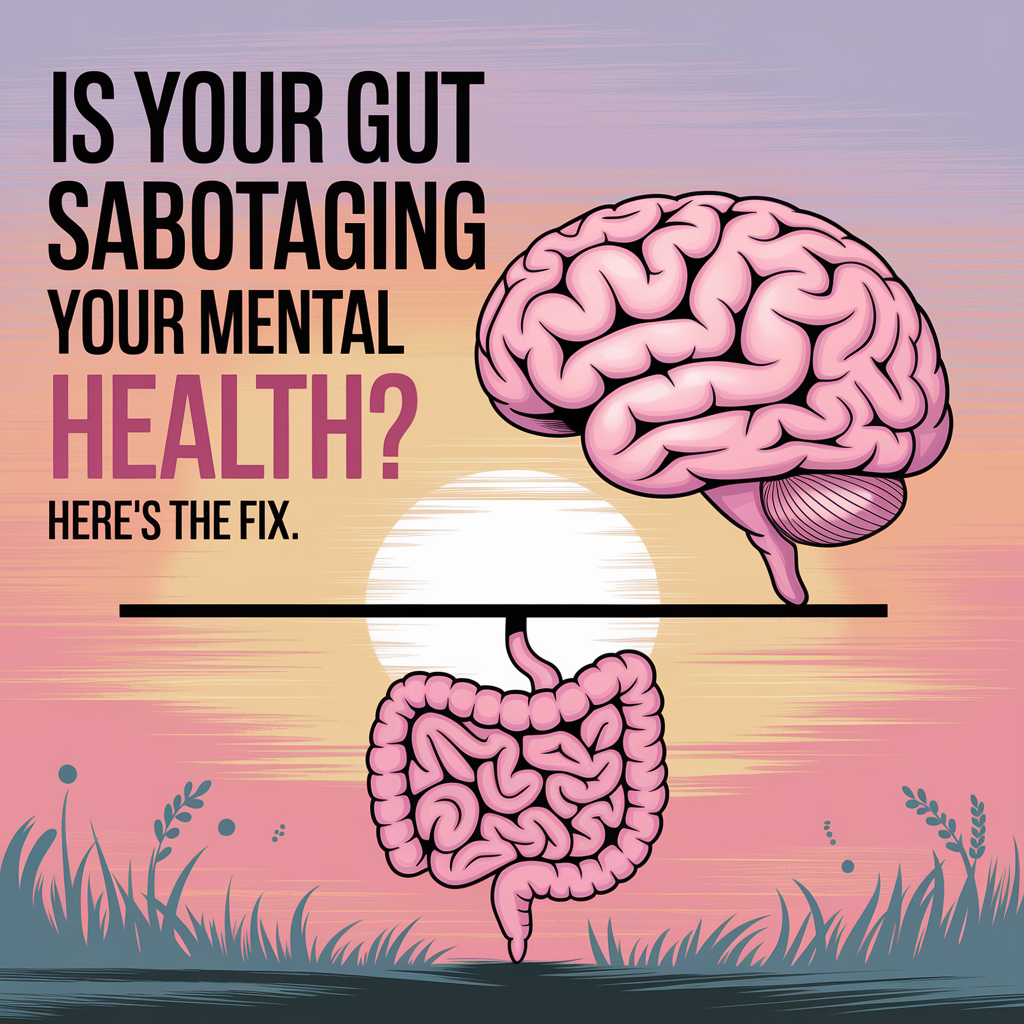
Doctors often refer to this as the gut-brain axis. The broader effects of this Is Your Gut Sabotaging Your Mental Health? Here’s the Fix can help explain why digestive symptoms and mood often change together.
When you’re relaxed, digestion usually works the way it’s supposed to.
When you’re stressed, your digestive system may slow down, speed up, or simply become much more sensitive.
That’s why anxiety doesn’t just cause burping.
It can also contribute to:
- Bloating.
- Stomach pain.
- Nausea.
- Feeling overly full.
- Changes in bowel habits.
- Acid reflux symptoms.
I actually found this reassuring because it explained why several digestive symptoms often appeared together instead of one at a time.
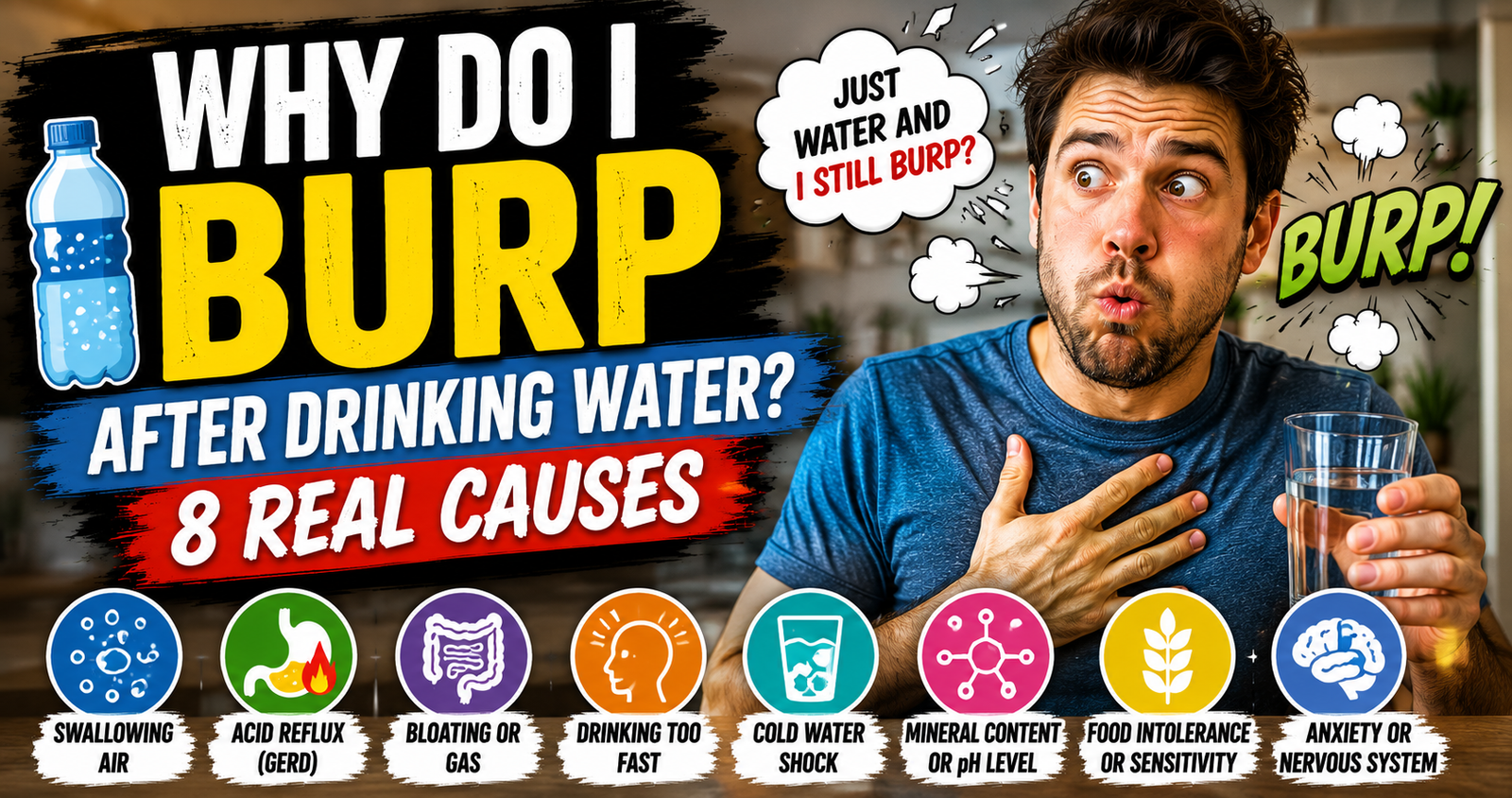
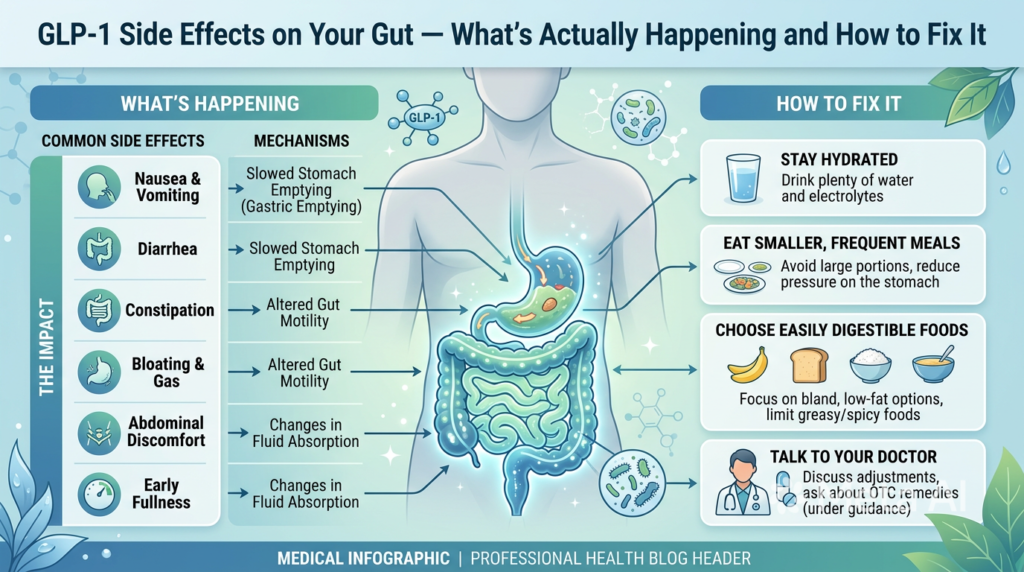
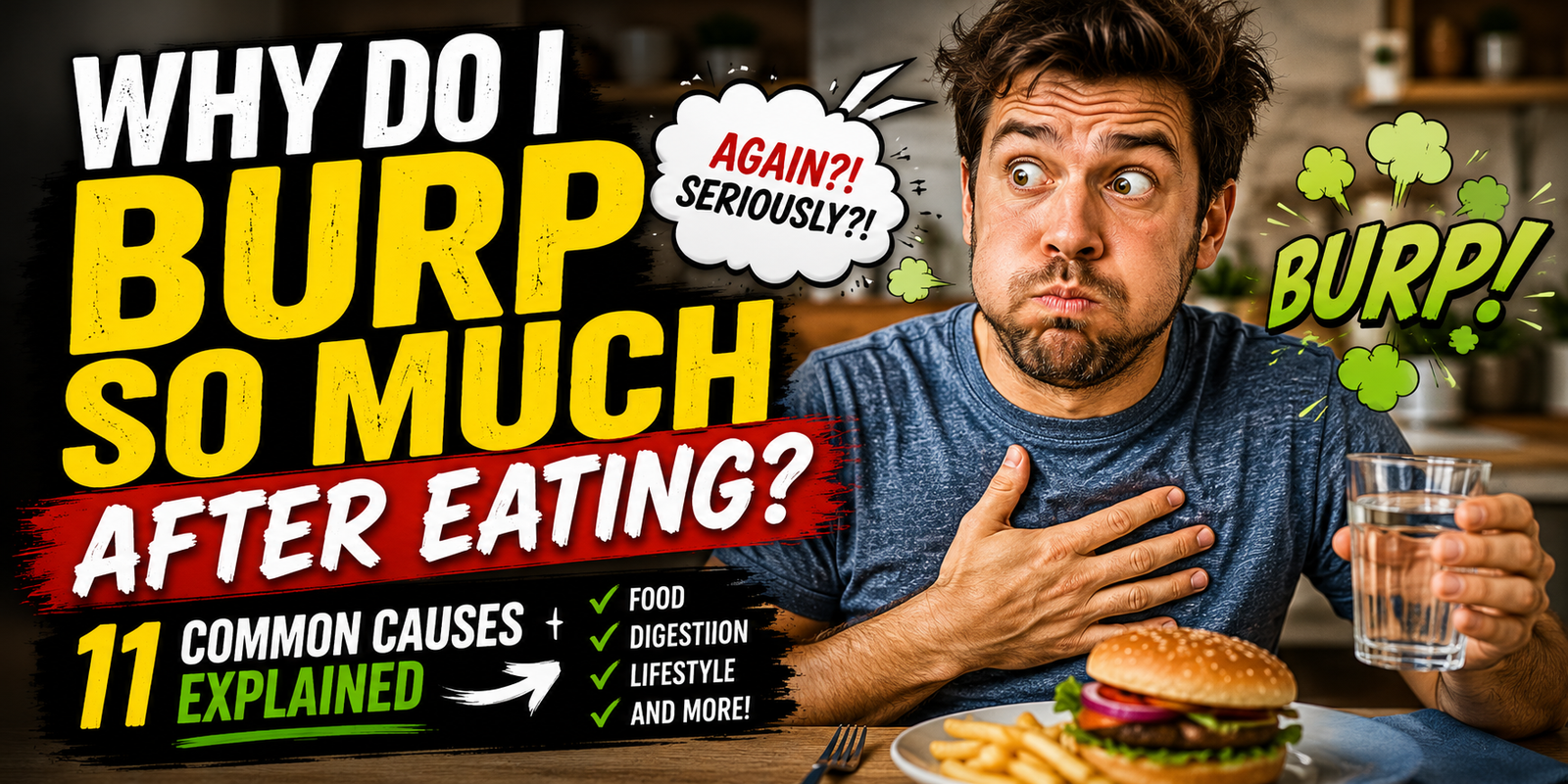
One of the Biggest Causes Is Swallowing Extra Air
Before researching this topic, I had never heard the word aerophagia.
It simply means swallowing too much air.
When we’re anxious, we often don’t breathe normally.
Instead we may:
- Take quick, shallow breaths.
- Sigh more often.
- Swallow repeatedly.
- Breathe through our mouths.
- Talk more quickly.
Each of those habits allows a little more air into the stomach.
Eventually your body has to release it.
For many people, that happens through frequent burping.
Anxiety Can Also Make Acid Reflux Feel Worse
Stress doesn’t necessarily create acid reflux by itself.
However, it can make existing reflux much more noticeable.
I found this especially interesting because I didn’t have classic heartburn.
Instead, I mainly noticed:
- Burping.
- Mild throat clearing.
- A sour taste every now and then.
- Feeling like I needed to swallow repeatedly.
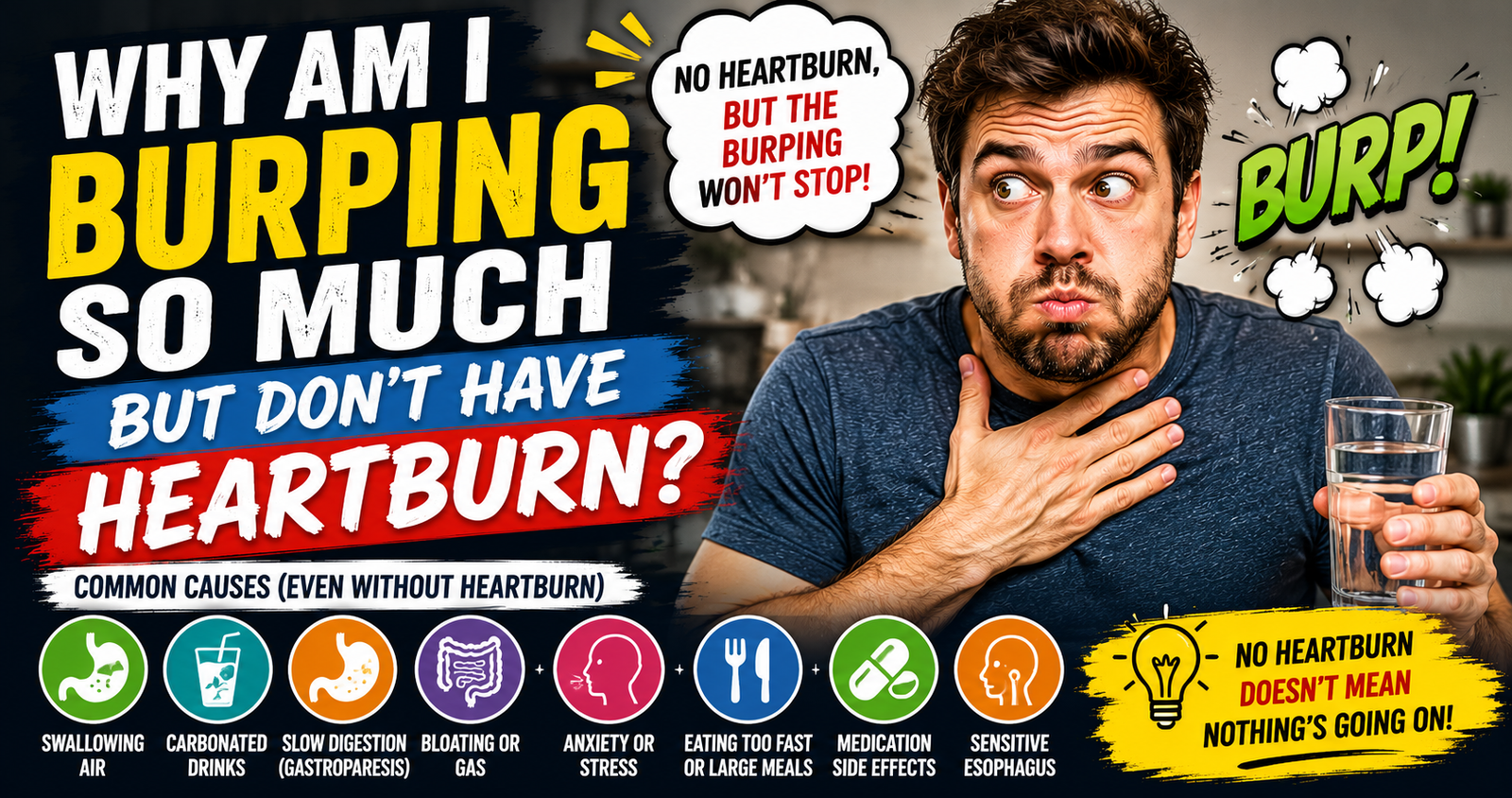
If that sounds familiar, I’d recommend reading Why Am I Burping So Much but Don’t Have Heartburn? because many people experience reflux without the burning sensation most of us associate with it.


Your Eating Habits Often Change Without You Realizing It
This was true for me.
During stressful weeks I tended to:
- Skip breakfast.
- Eat lunch too quickly.
- Drink more coffee.
- Snack late at night.
- Drink less water.
None of those habits directly came from my digestive system.
They came from my schedule.
Unfortunately, every one of them made my burping worse.
Looking back, I wasn’t just treating my stomach differently.
I was treating my entire body differently.
Anxiety Can Slow Down Digestion
One thing I never connected to anxiety was how it affected the speed of my digestion.
I always assumed stress would make everything move faster.
Sometimes it does.
Other times, it has the opposite effect.
When your body is under stress, it doesn’t consider digesting lunch a top priority. Blood flow and energy are redirected toward muscles and other systems involved in your body’s stress response.

That can leave food sitting in your stomach a little longer than normal. For readers who notice this as rapid fullness rather than burping, food sitting in your stomach explains how delayed stomach emptying can contribute.
As food lingers, pressure builds.
The longer that pressure sticks around, the more likely you are to burp.

I noticed this especially after eating a quick lunch during a stressful workday. Even if I ate the exact same meal on a relaxing Saturday, my stomach usually handled it much better. That same stress-related gut response can also contribute to meal-triggered urgency, as explained in stressful workday.



Burping and Bloating Often Go Hand in Hand
One thing I kept noticing was that my burping rarely happened by itself.
If I was burping a lot, my stomach usually felt tight too.
That’s because anxiety can affect how gas moves through your digestive tract.
Instead of moving normally, it may build up and leave you feeling uncomfortable for hours.
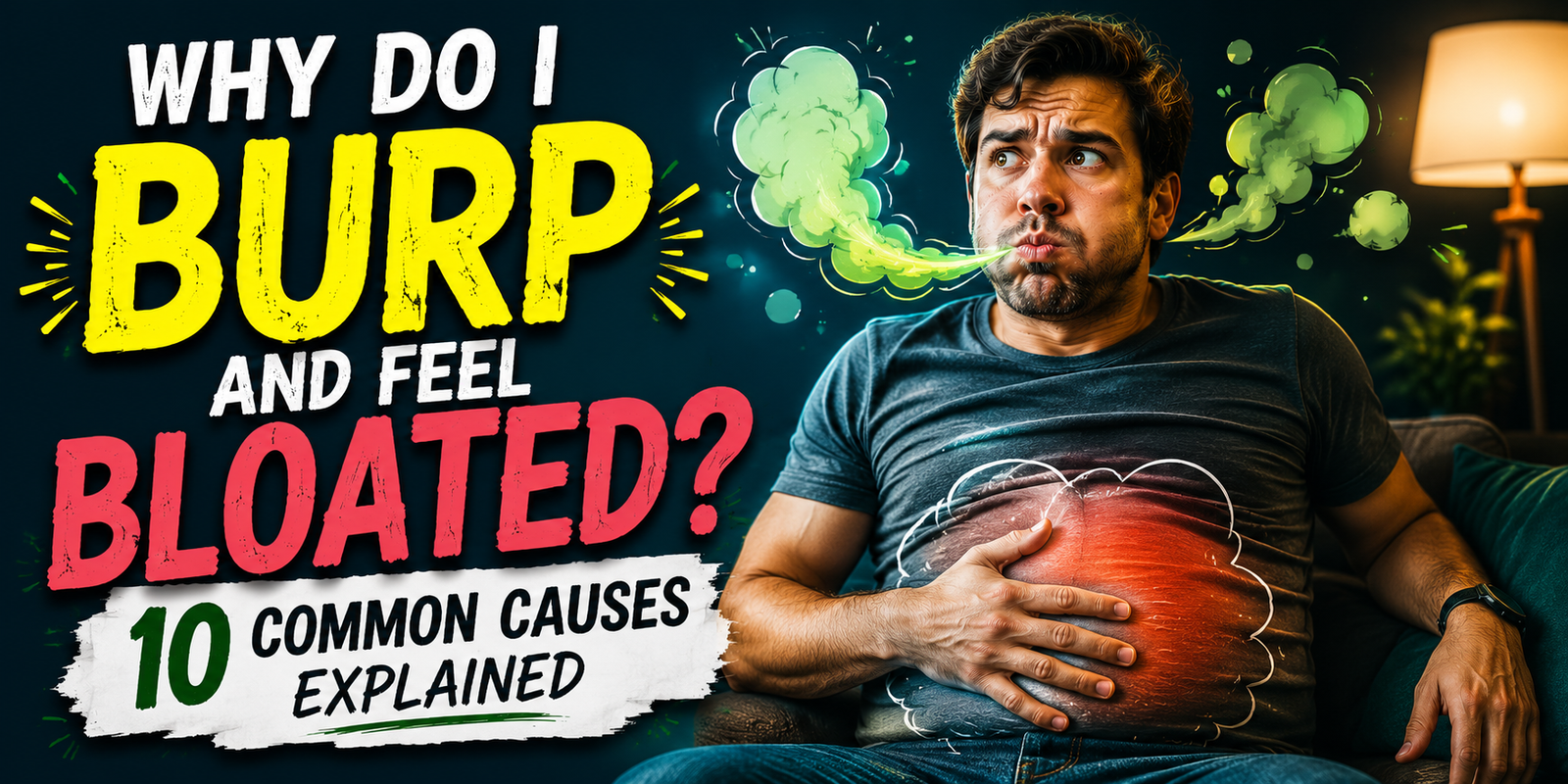
If you’ve noticed your stomach feels swollen along with the burping, take a look at Why Do I Burp and Feel Bloated? Common Causes Explained. The two symptoms are connected much more often than most people realize.
Coffee and Anxiety Can Create a Perfect Storm
This was probably the biggest eye-opener for me.
During stressful days, I’d usually drink more coffee.
Coffee by itself can stimulate stomach acid and digestion.
Anxiety can increase the amount of air you swallow.
Put those two together, and it’s easy to understand why the burping became so much worse.
It wasn’t necessarily that coffee suddenly became bad for me.
It was that coffee and stress were working together.

If your symptoms seem to appear after your morning cup, you may also want to read Why Do I Burp After Coffee? Here’s What May Be Causing It because coffee affects digestion in several different ways.


Sometimes Anxiety Isn’t the Only Cause
This is something I think is important to point out.
It’s easy to blame every digestive symptom on stress once you know anxiety can affect your gut.
I almost made that mistake myself.
The reality is that anxiety can make an existing digestive problem feel worse rather than being the original cause.
For example, you might have:
- Acid reflux that’s aggravated by stress.
- IBS that’s more active during stressful periods.
- Gastritis that’s more noticeable when you’re anxious.
- Food intolerances that become harder to tolerate during busy weeks.
That’s why I always encourage looking at the whole picture instead of assuming anxiety explains everything.
What Helped Me Break the Cycle
I realized pretty quickly that trying to stop the burping directly wasn’t working.
Instead, I focused on the habits surrounding it.
The changes that helped the most included:
- Eating meals without rushing.
- Taking a few slow breaths before eating.
- Cutting back on coffee during particularly stressful weeks.
- Going for a short walk after lunch instead of sitting immediately.
- Drinking water throughout the day instead of all at once.
- Getting enough sleep whenever possible.
What surprised me most was how much slowing down while eating helped.
Even on stressful days, taking an extra ten minutes for lunch noticeably reduced how much air I swallowed.



Could Probiotics or Digestive Enzymes Help?
If anxiety is the only reason you’re burping, probably not.
However, many people have more than one thing going on.
If stress is making an existing digestive problem worse, supporting your digestion may still help reduce symptoms.
I spent quite a bit of time researching digestive enzymes and probiotics because they kept coming up while I was learning about digestive health.

If you’re interested in digestive enzymes, I compared several options in Best Digestive Enzymes for Bloating That Actually Work. If you think your gut bacteria may also be contributing, you may find Best Probiotic for Bloating That Actually Works worth reading.
When Anxiety Probably Isn’t the Whole Story
While anxiety can absolutely contribute to frequent burping, there are times when it’s important not to assume stress is the only explanation.
You should schedule an appointment with your healthcare provider if you experience:
- Difficulty swallowing.
- Vomiting blood.
- Black or tar-like stools.
- Severe or persistent stomach pain.
- Unexplained weight loss.
- Ongoing vomiting.
- Burping that suddenly becomes much worse without an obvious reason.
Those symptoms deserve a proper medical evaluation regardless of how stressed you’ve been.
Frequently Asked Questions
Can anxiety really cause constant burping?
Yes. Anxiety can increase the amount of air you swallow, change how your digestive system functions, and make you more aware of normal digestive sensations. All of these can contribute to frequent burping.
Why do I burp more when I’m nervous?
Many people unknowingly breathe faster, swallow more often, or breathe through their mouths when they’re anxious. These habits increase the amount of air that reaches the stomach.
Can panic attacks make you burp?
They can. During a panic attack, rapid breathing and repeated swallowing may lead to swallowed air, which often results in burping afterward.
Will reducing stress stop the burping?
It may help if anxiety is the primary trigger. However, if you also have reflux, IBS, gastritis, or another digestive condition, you’ll likely need to address those issues as well.
How can I tell if anxiety is causing my burping?
One clue is timing. If your burping consistently becomes worse during stressful situations and improves when you’re relaxed or on vacation, anxiety may be playing a significant role. Keeping a simple symptom journal can help you spot patterns over time.
Author: Natalie Mercer
Natalie Mercer is a digestive health writer who enjoys helping readers understand the connection between digestive health and everyday life. She focuses on translating complex gastrointestinal topics into practical, evidence-informed advice while encouraging readers to recognize when lifestyle changes may help and when it’s important to seek professional medical care.
As an Amazon Associate we earn from qualifying purchases through some links in our articles.