How to Get Rid of That Heavy Feeling in Your Stomach

A heavy, tight stomach may come from slow digestion, trapped gas, reflux, constipation, or food intolerance. Smaller meals, warm peppermint or ginger tea, a gentle walk, and staying upright after eating can help ease the discomfort.

5 Simple Lifestyle Changes to Enhance Your Gut Health Naturally

The biggest gut-health improvements came from habits that had nothing to do with a cleanse, including drinking water consistently, taking short walks, managing stress, and sleeping on schedule. These five practical changes also helped ease bloating, constipation, skin flare-ups, and sluggish digestion.

Why Do I Feel Like I Have to Poop but Nothing Comes Out?

That constant urge may be caused by constipation, trapped gas, anxiety, hemorrhoids, pelvic floor tension, or IBS rather than stool ready to pass. Learn what tenesmus means, which habits can worsen it, and when symptoms warrant medical advice.

Is Your Gut the Reason You Can’t Lose Weight? Let’s Fix That

Years of calorie cutting and punishing workouts may not be the whole story when weight loss stalls. This personal account explains how adding fiber, fermented foods, probiotics, and regular digestion habits helped ease bloating, cravings, and stubborn progress.

Top 7 Exercises for Managing Hiatal Hernia Symptoms Safely

A 20- to 30-minute walk after eating helped settle digestion and cut down on reflux, while diaphragmatic breathing eased upper-stomach pressure. This guide also explains which moves to skip, including crunches, heavy lifting, jumping, and yoga inversions.

Where Is Constipation Pain Felt in the Back? Signs and Symptoms

Constipation pain is usually felt in the lower back, where pressure from hard stool can irritate nearby muscles and nerves. Learn how bloating, difficulty passing stool, and worsening pain fit together, plus when severe symptoms need medical attention.

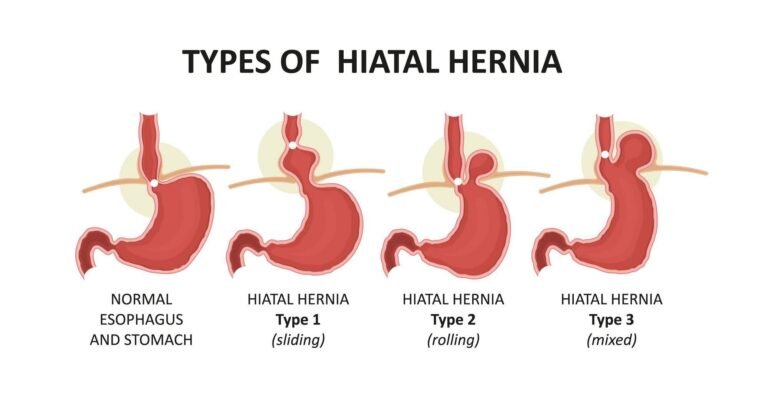
Hiatal Hernia Types Explained: Sliding, Rolling, and Mixed

A rolling hiatal hernia can cause chest pressure, trouble swallowing, or shortness of breath without the heartburn people expect. This plain-English breakdown compares sliding, rolling, mixed, and complex types, along with warning signs, tests, and treatments.

Diarrhea Every Morning, Then Fine? Here’s What’s Going On

Morning diarrhea can be your gut reacting to its daily wake-up surge rather than an illness. Cortisol, coffee, anxiety, IBS, late meals, and certain breakfast foods can all play a role, while blood, weight loss, nighttime symptoms, or dehydration call for medical attention.

Scroll to Top