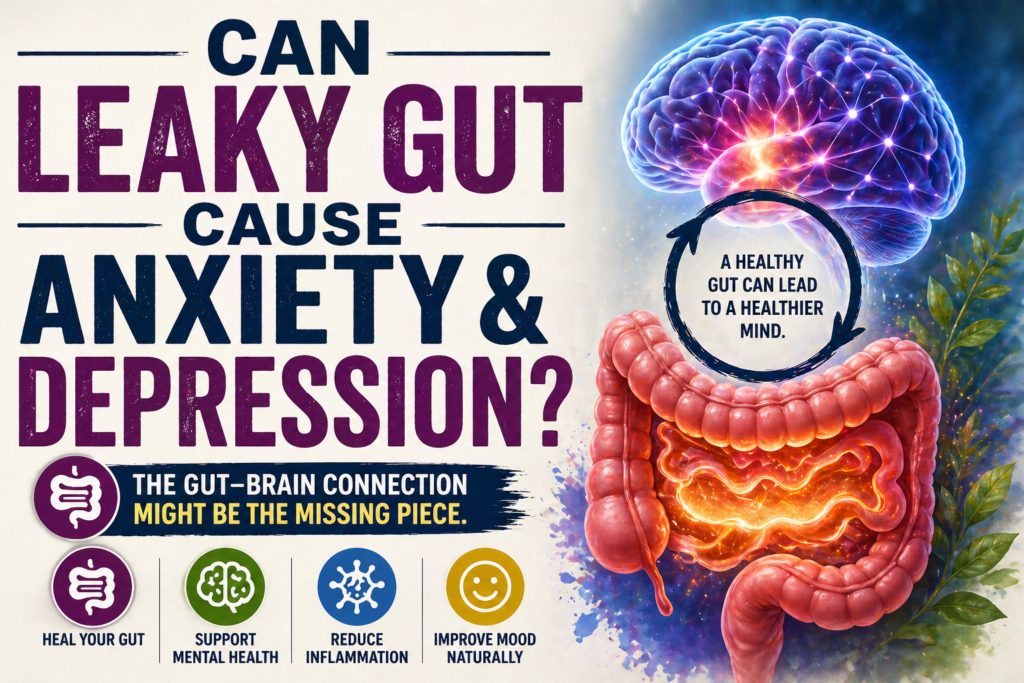
If your gut has been a mess and your mental health has too, it may not be a coincidence. Here’s the science behind how intestinal permeability directly affects mood, anxiety, and brain function.
The Gut-Brain Connection Is Real — And It Might Explain More Than You Think
You’ve been anxious for years. Or depressed in a way that antidepressants never fully touched. Or struggling with brain fog so thick that getting through a workday feels like wading through concrete. And your gut has been a mess for just as long — bloating, irregularity, food sensitivities, that general sense that your digestion is always slightly off.
Most people treat these as two separate problems. They see a gastroenterologist for the gut and a therapist or psychiatrist for the mental health. And both practitioners treat their respective systems as if they exist independently of each other.
The research increasingly says they don’t. And the emerging science around intestinal permeability — leaky gut — and its effects on brain function, mood, and anxiety is one of the most compelling and most underappreciated areas of gut health research right now.

What Leaky Gut Actually Is
Your gut lining is designed to be selectively permeable — it lets digested nutrients through into the bloodstream while keeping undigested food particles, bacteria, and bacterial toxins on the other side. The tight junctions between intestinal cells are what maintain this selectivity. When those tight junctions are compromised — which happens through chronic inflammation, gut bacterial imbalance, certain medications, alcohol, and a high-processed food diet — the gut becomes more permeable than it should be.
This increased permeability — formally called intestinal hyperpermeability, colloquially called leaky gut — allows things through that shouldn’t get through. Partially digested food proteins. Bacterial cell wall fragments called lipopolysaccharides (LPS). Bacterial metabolites. These foreign substances in the bloodstream trigger an immune response — systemic inflammation that circulates throughout the body, including into the brain.
And here’s where the mental health connection begins.



How Gut Permeability Affects the Brain
Your brain has its own protective barrier — the blood-brain barrier — that normally keeps inflammatory compounds out of brain tissue. But sustained systemic inflammation from gut permeability can compromise the blood-brain barrier over time, allowing inflammatory compounds to reach brain tissue directly.
Neuroinflammation — inflammation in brain tissue — is increasingly understood to be a central mechanism in depression and anxiety. The inflammatory hypothesis of depression has substantial and growing research support: people with depression consistently show elevated inflammatory markers, anti-inflammatory interventions including omega-3 fatty acids and curcumin show antidepressant effects in research, and inflammatory diseases have depression as one of their most consistent comorbidities.
When gut permeability drives systemic inflammation that reaches the brain, it creates exactly the neuroinflammatory environment that the research links to mood disorders. This is the biological pathway from leaky gut to anxiety and depression — not metaphorical, not speculative, but a specific, documented mechanism with peer-reviewed research supporting each step.
The Serotonin Connection
Most people know serotonin as the brain’s “feel good” neurotransmitter — the one that antidepressants target. What most people don’t know is that approximately 90 to 95 percent of the body’s total serotonin is produced in the gut, not the brain.
Gut bacteria are directly involved in serotonin synthesis — specific bacterial strains stimulate the enterochromaffin cells in the gut lining to produce serotonin. When the microbiome is disrupted — which it almost always is in people with leaky gut — serotonin production is impaired. Less serotonin in the gut means less serotonin available to influence mood, anxiety, and cognitive function through the gut-brain axis.
This is a different mechanism from the neuroinflammation pathway above — but both point toward the same conclusion. Gut health directly affects brain chemistry. A leaky, inflamed, bacterially disrupted gut produces a brain environment that is genuinely biologically predisposed toward anxiety and low mood.


The Vagus Nerve — The Direct Line Between Your Gut and Your Brain
The vagus nerve is the main communication highway between your gut and your brain — and it carries information in both directions. Approximately 80 to 90 percent of the signals traveling on the vagus nerve go from gut to brain rather than brain to gut. Your gut is constantly sending your brain information about the state of your digestive system — and that information directly influences mood, stress response, and cognitive function.
When your gut is inflamed, bacterially disrupted, and hyperpermeably leaking foreign substances into the bloodstream, the signals it sends up the vagus nerve to your brain are distress signals. Chronic distress signaling through the vagus nerve activates the brain’s threat response systems — producing anxiety, hypervigilance, low mood, and cognitive difficulty that are neurologically real even when the source is intestinal rather than psychological.
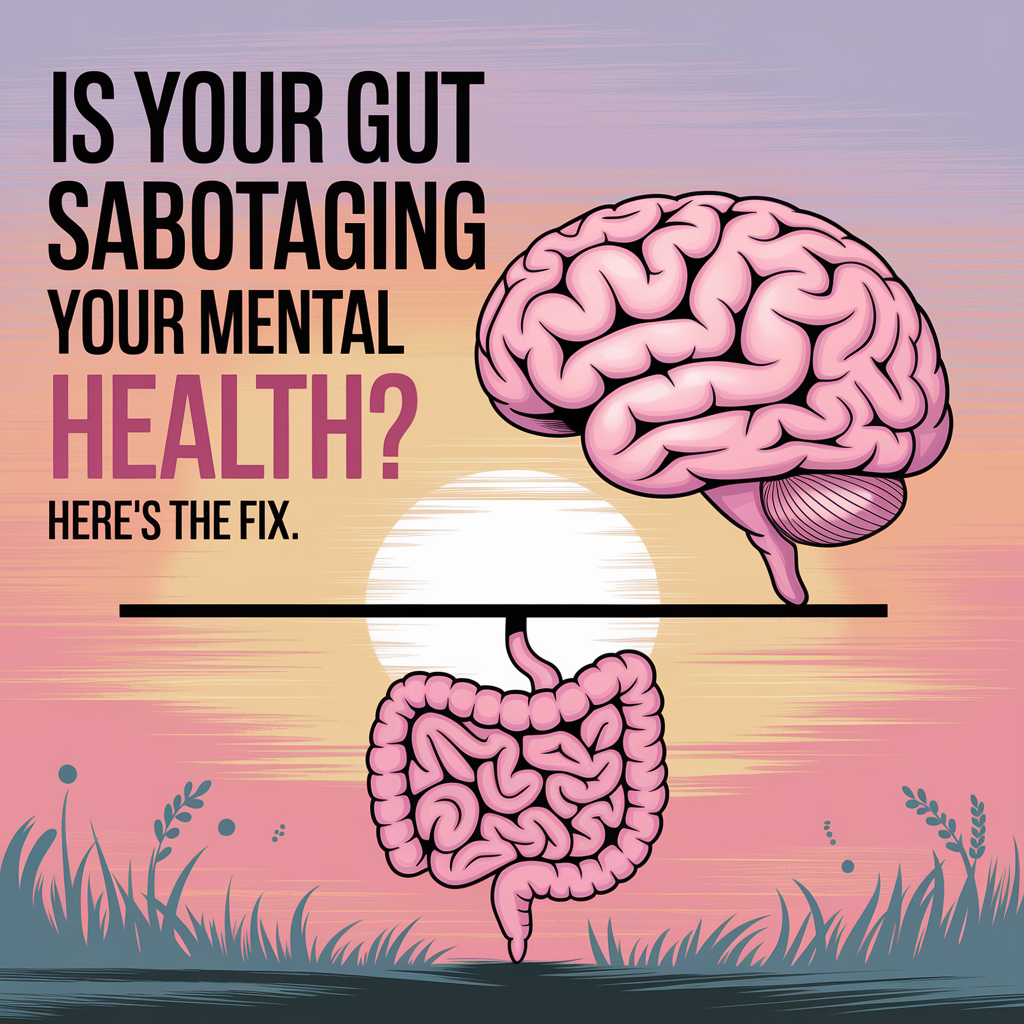
This is why your gut can actively sabotage your mental health — the mechanism is direct, physiological, and independent of what’s happening in your life circumstances.
Signs Your Mental Health Issues May Have a Gut Root
Not all anxiety and depression is gut-related. But these patterns suggest the gut connection is worth taking seriously:
- Your mental health symptoms and your gut symptoms started around the same time — particularly following a period of antibiotics, food poisoning, significant illness, or extreme stress
- You have food sensitivities that developed gradually — particularly to foods you previously tolerated fine
- Your anxiety or depression is accompanied by significant brain fog rather than just mood symptoms
- Antidepressants haven’t fully worked or have stopped working after initially helping
- Your mental health is noticeably worse during gut flares and better when your gut is behaving
- You have skin conditions — eczema, acne, rosacea — alongside your gut and mental health symptoms
- You have joint pain or chronic fatigue alongside gut and mental health symptoms
The last three points in particular — the correlation between gut state and mental health state, and the systemic nature of symptoms across gut, skin, joints, and mood — are highly characteristic of the systemic inflammation that intestinal hyperpermeability produces.

What Actually Heals a Leaky Gut
This is where the practical rubber meets the road. Leaky gut isn’t a quick fix — it’s a gradual healing process that requires consistent attention to multiple factors simultaneously. Here’s what the evidence supports.
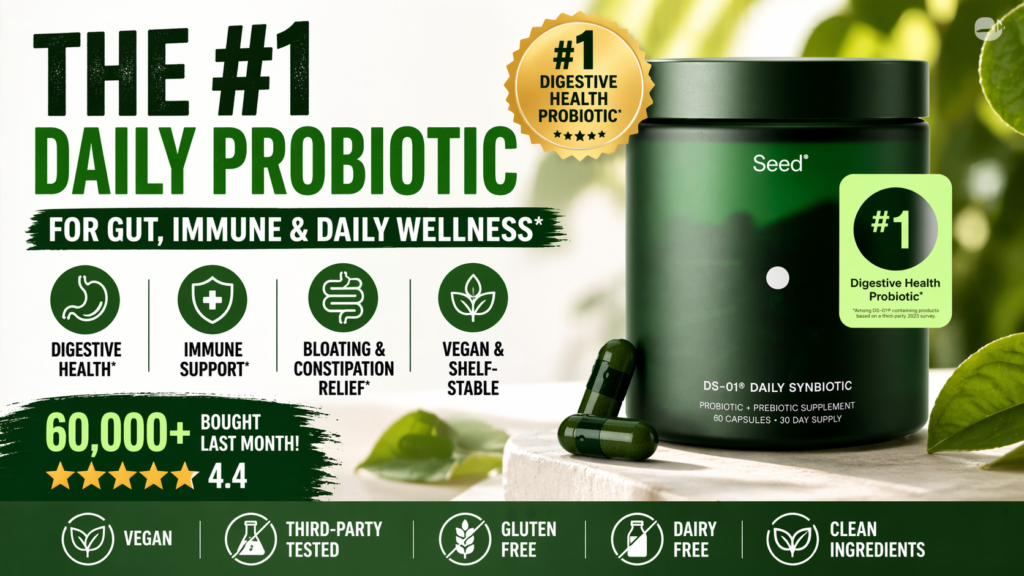
Rebalancing the gut microbiome. Bacterial imbalance is both a cause and a consequence of increased gut permeability. Restoring a healthy, diverse microbiome reduces the gut inflammation that damages tight junctions and begins the process of restoring normal permeability. A quality synbiotic like Seed DS-01 — 24 clinically studied strains with prebiotic included — is the foundation of any leaky gut healing protocol. 👉 Check the price on Amazon.
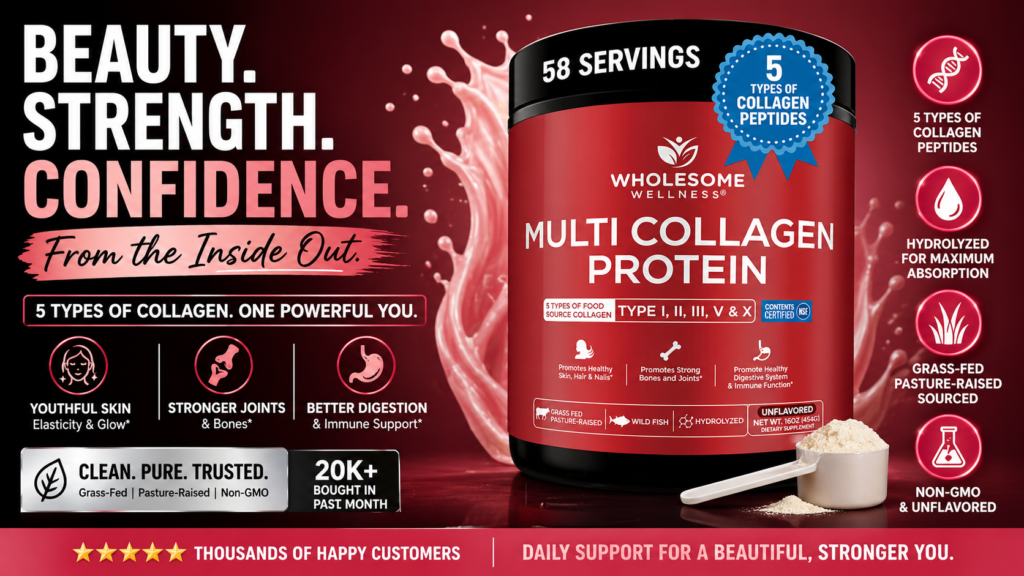
Collagen peptides for gut lining structural support. The tight junctions in your gut lining are structural proteins — and collagen provides the building blocks for their repair and maintenance. Multi collagen peptides give your gut lining the specific structural proteins it needs to rebuild integrity — types I, III, and IV collagen are directly relevant to intestinal barrier function.
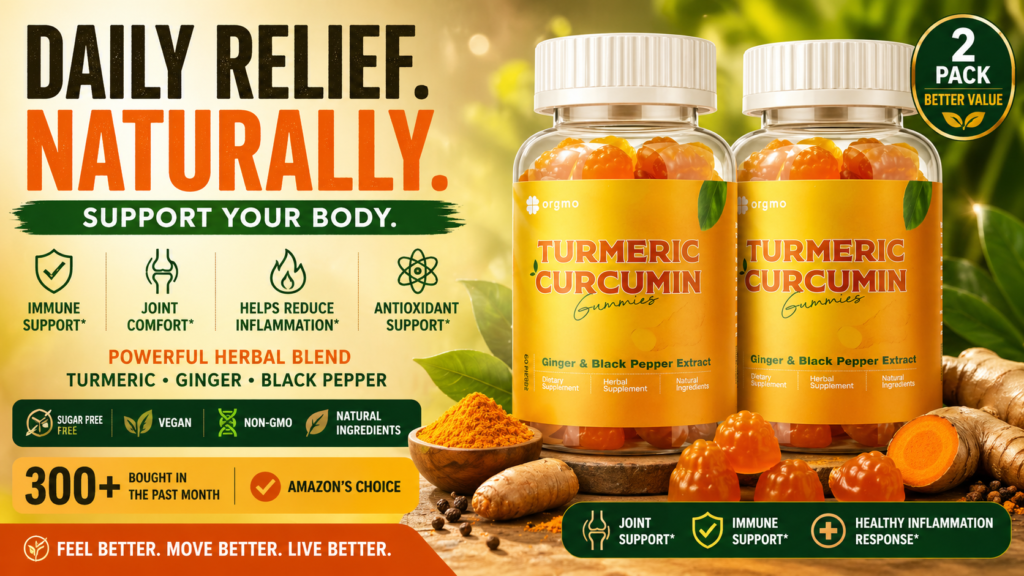
Reducing gut inflammation with curcumin. The inflammatory pathway driving tight junction damage needs to be addressed directly. Curcumin’s NF-κB inhibition reduces the specific inflammatory signaling that degrades gut lining integrity. Turmeric curcumin with black pepper — the bioavailability-enhanced form — is the most practical daily delivery of therapeutic curcumin.
Removing the major gut lining irritants. Alcohol, NSAIDs, ultra-processed food, and chronic stress are the primary ongoing drivers of increased gut permeability. No supplement protocol heals leaky gut effectively if these inputs are continuously degrading the lining. Reducing them isn’t about perfection — it’s about reducing the rate of damage enough that healing can outpace it.
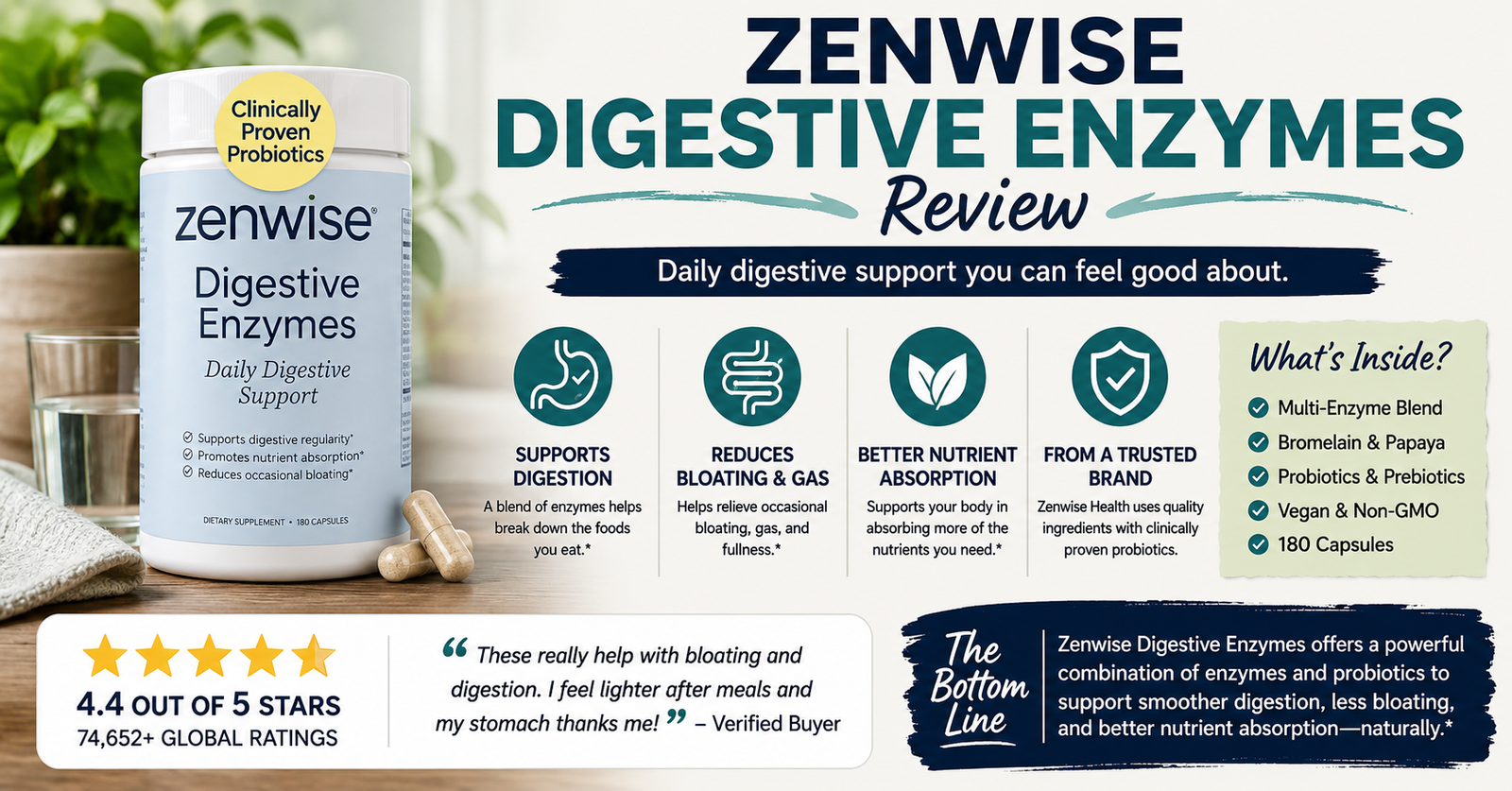
Supporting digestive enzyme production. Poor food breakdown contributes to leaky gut by allowing partially digested food proteins to contact and irritate the gut lining. Digestive enzyme support with meals reduces this direct lining irritation alongside improving digestion overall. Zenwise Digestive Enzymes covers the full enzyme spectrum for this purpose.
The Mental Health Timeline — What to Expect
Healing leaky gut and seeing mental health improvement as a result is not a fast process — this needs to be stated clearly so people don’t give up too early.
Gut lining repair takes time — the intestinal cells turn over approximately every five to seven days, but the restoration of tight junction integrity and reduction of gut permeability to normal levels takes weeks to months of consistent intervention. Systemic inflammation reduces gradually as permeability improves. Serotonin production and vagal nerve signaling normalize as the microbiome rebalances. The mental health improvements follow the gut improvements — and the gut improvements are measured in months, not days.
Most people who commit seriously to a leaky gut healing protocol — probiotic, collagen, curcumin, dietary cleanup — notice digestive improvements first, usually within 4 to 8 weeks. Mental health improvements — reduced anxiety baseline, clearer thinking, more stable mood — typically become noticeable at 8 to 16 weeks of consistent effort. For some people it takes longer.
This doesn’t mean abandoning psychological support during that time. Therapy, medication where appropriate, and mental health practices all remain valuable. The gut health work doesn’t replace these — it addresses a biological substrate that those interventions can’t reach.


Is Leaky Gut Medically Recognized?
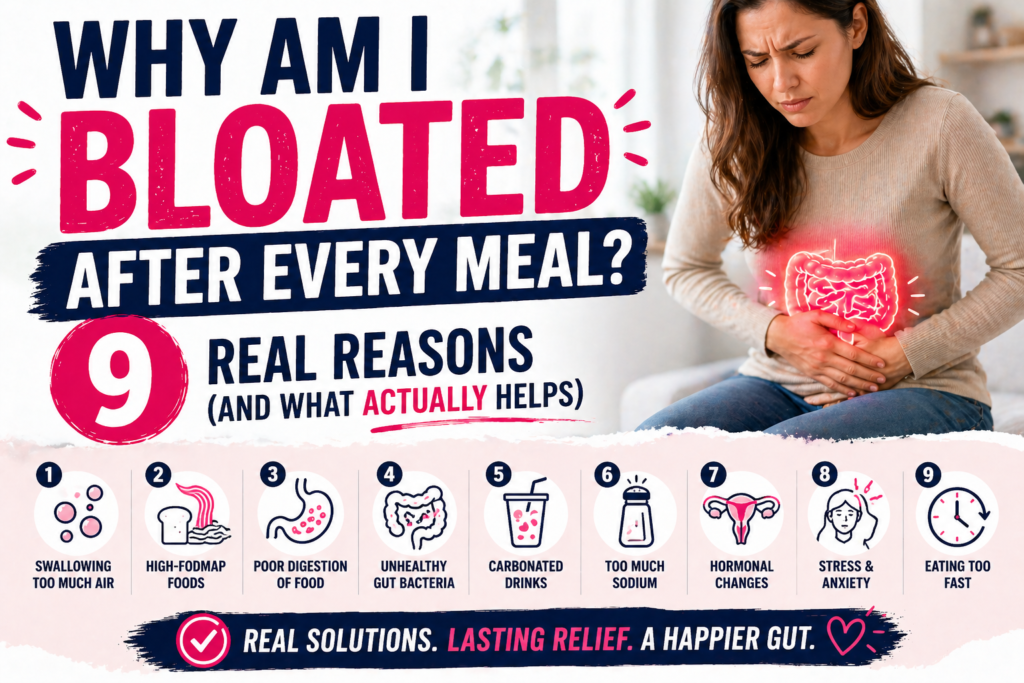
This is a fair question and deserves a straight answer. Intestinal hyperpermeability — increased gut permeability — is a real, measurable, scientifically documented phenomenon. It can be measured with specific tests and has been demonstrated in research across inflammatory bowel disease, celiac disease, IBS, and a range of other conditions.
The term “leaky gut syndrome” as a catch-all diagnosis for a wide range of symptoms is more contested — mainstream gastroenterology is cautious about it as a standalone diagnosis. But the underlying phenomenon — increased intestinal permeability and its systemic consequences — is not contested. The research is there and it’s solid.
The nuance is that leaky gut is likely a contributing factor in many conditions rather than a single diagnosis with a single treatment. Treating it as a biological mechanism to address — rather than a syndrome to diagnose — is the most practically useful way to approach it.
Frequently Asked Questions
Can leaky gut really cause anxiety and depression?
The research supports a genuine biological pathway — gut permeability drives systemic inflammation that crosses into the brain, impairs serotonin production through microbiome disruption, and sends distress signals through the vagus nerve that activate brain threat systems. Whether this is the primary cause of any individual’s anxiety or depression requires clinical evaluation, but the mechanism is real and well-supported by research.
How do I know if I have leaky gut?
Symptoms suggesting increased gut permeability include multiple food sensitivities that developed gradually, systemic symptoms across gut, skin, joints, and mood simultaneously, chronic bloating and digestive irregularity, and brain fog alongside gut symptoms. A lactulose-mannitol test can measure gut permeability directly — discuss with your doctor if you want formal testing.
Can fixing your gut really improve mental health?
Clinical evidence is emerging that gut health interventions — particularly probiotic supplementation — produce measurable improvements in anxiety and depression scores in some people. The effect sizes are modest in most studies but consistent. For people whose mental health and gut health are clearly correlated, the gut intervention is worth pursuing as a complementary approach alongside standard mental health care.
What’s the best probiotic for leaky gut and mental health?
A multi-strain synbiotic that includes Lactobacillus and Bifidobacterium strains — which have the most research for both gut barrier support and mood effects — taken consistently over 60–90 days. Our top recommendation is Seed DS-01.
How long does it take to heal leaky gut?
Meaningful gut lining repair takes 8–16 weeks of consistent intervention. Full restoration of normal gut permeability can take 6 months or longer depending on how long the damage has been present and how consistently the healing protocol is followed. Mental health improvements follow the gut improvements on a similar timeline.
Does diet matter for leaky gut?
Significantly. Alcohol, NSAIDs, ultra-processed food, and gluten (in celiac and some sensitive individuals) are the primary ongoing drivers of increased permeability. Reducing these while increasing fiber-rich whole foods, fermented foods, and collagen-containing foods provides the dietary environment in which gut lining healing can occur.

Your Gut and Your Brain Are Having a Conversation — It’s Time to Listen
The idea that mental health is purely psychological — a matter of thoughts, experiences, and brain chemistry disconnected from the rest of the body — is being fundamentally revised by the research. Your gut is not a passive digestive tube. It is an active participant in your mood, your anxiety, your cognition, and your overall mental wellbeing through mechanisms that are specific, measurable, and increasingly well understood.
If your mental health struggles have been resistant to conventional approaches and your gut health has been chronically poor, the connection between them is worth taking seriously and addressing deliberately. The interventions are accessible, the evidence is solid, and for many people the improvements — in both gut and mental health — are genuinely transformative with consistent effort over sufficient time.
More from TummyCure:
- Is Your Gut Sabotaging Your Mental Health?
- Seed DS-01 — Our Top Probiotic Pick
- Multi Collagen Peptides — Full Review
- Turmeric Curcumin Gummies — Full Review
- 7 Signs Your Gut Health Is Affecting Your Skin
- How Gut Health Influences Skin Conditions
- 8 Signs Your Gut Desperately Needs a Probiotic
- The Complete Gut Health Guide
- Over 70% of Your Immune System Lives in Your Gut
- How to Restore Gut Bacteria After Antibiotics
About the Author
Rachel Donnelly is a certified nutritional health coach and gut health writer who spent years struggling with IBS and bloating before making digestive wellness her specialty. She writes for TummyCure with one goal: cut through the noise and tell you what actually works. When she’s not deep in microbiome research, she’s fermenting things in her kitchen and losing arguments with her husband about whether kombucha counts as a dessert.
As an Amazon Associate we earn from qualifying purchases through some links in our articles.